The Rise of At-Home IPL Devices: A Comprehensive Journalistic Investigation into Nood Flasher Pro and the Democratization of Hair Removal

The global market for hair removal products has experienced a profound structural shift over the past decade, moving away from exclusive reliance on costly clinical environments toward accessible, consumer-grade technology. Professional laser hair removal and Intense Pulsed Light (IPL) treatments have long commanded premium pricing, with full-treatment packages frequently exceeding thousands of dollars depending on the targeted surface area and hair density. For many consumers, the financial barrier to entry has rendered permanent or semi-permanent hair reduction an unattainable luxury, leaving traditional shaving, waxing, and depilatory creams as the primary alternatives despite their recurring costs and skin irritation risks.
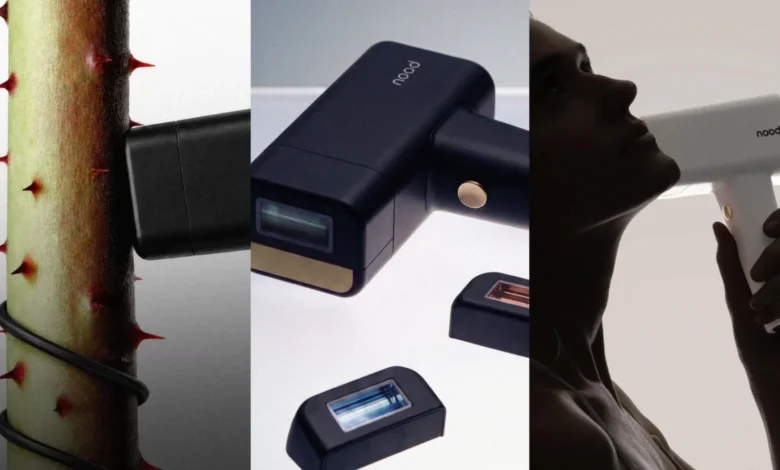
In response to this market demand, beauty technology manufacturers have introduced sophisticated at-home IPL devices designed to replicate clinical mechanisms within safety parameters appropriate for unsupervised consumer use. Among these, the Nood Flasher Pro has emerged as a prominent subject of discussion among beauty editors, dermatologists, and consumers alike. This investigative review examines the underlying technology of at-home hair removal, evaluates the clinical and practical implications of devices like the Flasher Pro, and analyzes the broader economic and consumer trends reshaping the personal care landscape.
Understanding IPL Technology and Mechanism of Action
To comprehend the functionality of at-home hair removal devices, one must first examine the foundational science of Intense Pulsed Light technology. Unlike coherent, monochromatic laser beams used in professional medical settings—which target specific chromophores with a single wavelength of light—IPL systems emit a broad spectrum of high-intensity light pulses across various wavelengths. When applied to the skin, this broad-spectrum light energy is absorbed by the melanin pigment residing within the hair shaft and follicle.
Upon absorption, the light energy rapidly converts into thermal energy, generating localized heat that damages the hair follicle and significantly impairs its ability to regenerate hair growth. This biological mechanism dictates the fundamental parameters of efficacy for both clinical lasers and at-home IPL units. Because the technology relies on melanin absorption, efficacy is heavily dependent on the contrast between the user’s skin tone and hair color. High-contrast profiles—specifically individuals with fair to medium skin tones and dark brown or black hair—experience optimal absorption and results. Conversely, individuals with blonde, red, gray, or white hair lack sufficient melanin to absorb the thermal energy effectively, rendering light-based treatments largely ineffective. Furthermore, darker skin tones possess high concentrations of epidermal melanin, which competes with the hair follicle for light absorption, presenting significant risks of hyperpigmentation, burns, or dermal injury if exposed to high-energy outputs without proper calibration.
Comparative Analysis: At-Home versus Clinical Specifications
A primary point of inquiry among consumers and dermatological professionals involves the comparative power output and safety profile of consumer devices relative to clinical machinery. Professional lasers utilized in dermatology clinics and medical spas typically operate at high energy densities, often ranging between 20 and 25 Joules per centimeter squared (J/cm²). These medical-grade devices require specialized operator training, ocular protection, and precise calibration to prevent adverse dermatological reactions.
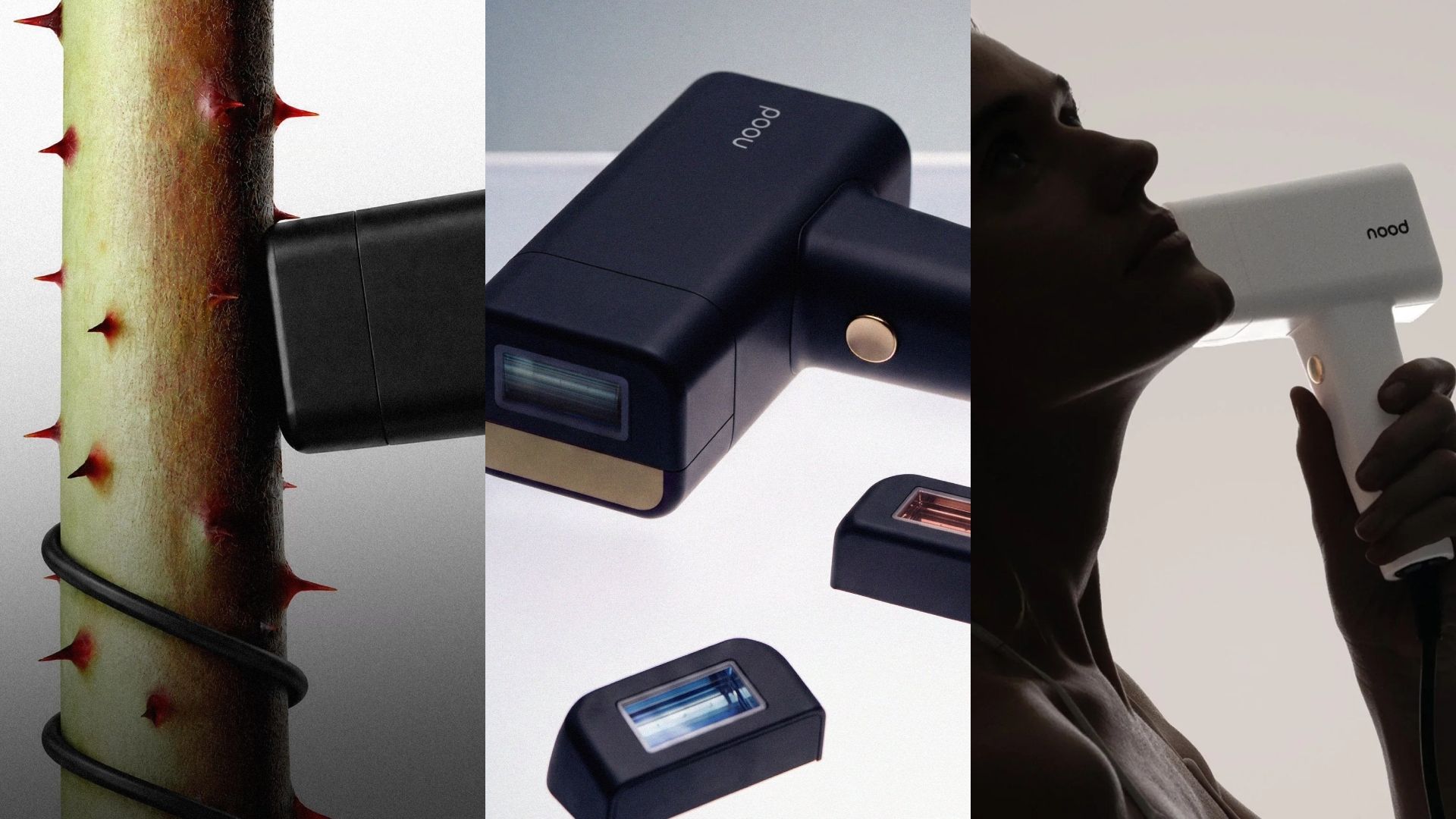
By contrast, consumer-grade at-home IPL devices are intentionally engineered with restricted energy outputs to mitigate the risks associated with unsupervised application. Popular models on the commercial market generally operate within a spectrum of 3 to 6 J/cm², balancing efficacy with consumer safety. The Nood Flasher Pro occupies a distinct space within this category, delivering an energy output of approximately 7 J/cm². This output allows the device to reach the full depth of the dermis—the middle layer of skin where hair follicles are anchored—representing a notable technical benchmark for consumer-accessible hardware.
To reconcile the delivery of higher energy levels with consumer safety, manufacturers have integrated advanced thermal regulation features. The Flasher Pro, for instance, incorporates an active cooling tip designed to reduce surface-level skin temperature to approximately 60 degrees Fahrenheit during operation. This mechanism minimizes epidermal heat exposure, lowering the probability of thermal burns, blistering, or post-inflammatory hyperpigmentation while allowing the underlying thermal energy to target the deep-seated follicle.
Dermatological Perspectives and Clinical Realities
Board-certified dermatologists emphasize the importance of managing consumer expectations regarding the terminology and ultimate outcomes associated with light-based hair reduction. Medical professionals frequently stress that terms like "permanent hair removal" can be misleading, as most devices—both clinical and at-home—technically achieve "permanent hair reduction."
According to clinical experts, while complete eradication of hair follicles is difficult to guarantee across all individuals and anatomical regions, consistent use yields measurable physiological changes. These include a marked deceleration in the hair growth cycle, a reduction in hair density, finer hair shaft diameters, and the elimination of the prickly stubble commonly associated with mechanical shaving. Furthermore, dermatologists note that while at-home devices are significantly safer today than in previous generations, adherence to pre-treatment protocols—such as conducting patch tests 48 hours prior to full application and avoiding sun-exposed or tanned skin—remains critical to preventing adverse clinical outcomes.
The Operational Protocol and Consumer Experience
The structured application regimen required for at-home IPL devices demands a dedicated time commitment from the user. Standard protocols for devices like the Flasher Pro typically mandate an intensive initial phase consisting of treatments every three days for a duration of eight weeks. This phase is designed to target hair follicles across different stages of the anagen (growth) cycle. Following the initial eight-week period, the maintenance schedule transitions to weekly sessions for an additional four weeks, ultimately tapering down to monthly maintenance treatments to sustain the desired reduction in hair growth.
Preparation for each session requires careful adherence to safety guidelines. Users must exfoliate and cleanly shave the target treatment area immediately prior to application. Shaving ensures that the light energy is directed inward toward the subcutaneous follicle rather than being absorbed by surface-level hair, which can disperse heat hazardously across the skin’s surface.
Device interfaces generally feature adjustable intensity levels, allowing users to calibrate the energy output to their personal pain threshold and skin sensitivity. While higher intensity settings correlate with increased thermal sensation—frequently described by users as a mild snapping sensation against the skin—they also carry marginally higher risks of cutaneous irritation if misapplied. Many devices offer both single-flash modes for precise anatomical targeting and continuous glide modes for larger surface areas such as the legs, allowing full-leg treatments to be completed within a relatively brief fifteen-minute window.
Economic Implications and the Democratization of Beauty Tech
The proliferation of advanced at-home beauty devices reflects a broader economic trend toward the democratization of aesthetic treatments. Traditional professional laser hair removal packages require substantial capital investment, with multi-session protocols frequently costing thousands of dollars, exclusive of gratuities and follow-up maintenance appointments. Additionally, clinical treatments necessitate recurring travel to medical spas, adherence to rigid scheduling, and direct physical contact during application.
At-home alternatives introduce a cost-effective alternative, consolidating the total financial expenditure into a single upfront purchase price that typically ranges from under one hundred to several hundred dollars. This economic restructuring appeals to consumers seeking clinical-level maintenance without the logistical and financial overhead of professional clinics. However, industry analysts note that the success of this category relies heavily on consumer compliance; unlike clinical settings where a practitioner administers the treatment, at-home devices require self-discipline and strict adherence to usage schedules to achieve and maintain results.
Broader Market Impact and Future Outlook
The expansion of the at-home hair removal sector highlights a significant evolution in personal care technology. As engineering standards improve and thermal cooling mechanisms become more sophisticated, the performance gap between professional and consumer devices continues to narrow, albeit within strict safety boundaries defined by regulatory bodies such as the U.S. Food and Drug Administration (FDA).
While at-home IPL devices may not entirely replace professional dermatology clinics—particularly for individuals with complex hair and skin pigmentation profiles—they have successfully carved out a permanent niche in modern beauty routines. By combining clinical-level physics with accessible consumer design, brands within this space have fundamentally transformed how individuals approach personal grooming, shifting a historically clinical procedure into the accessible environment of the domestic household. As technology progresses, future iterations of these devices will likely focus on enhanced automated skin-tone sensors, faster repetition rates, and even more refined thermal protection systems, further solidifying the role of consumer-grade medical aesthetics in the contemporary marketplace.