
Russian Farmworkers First Humans To Contract New Form Of Bird Flu
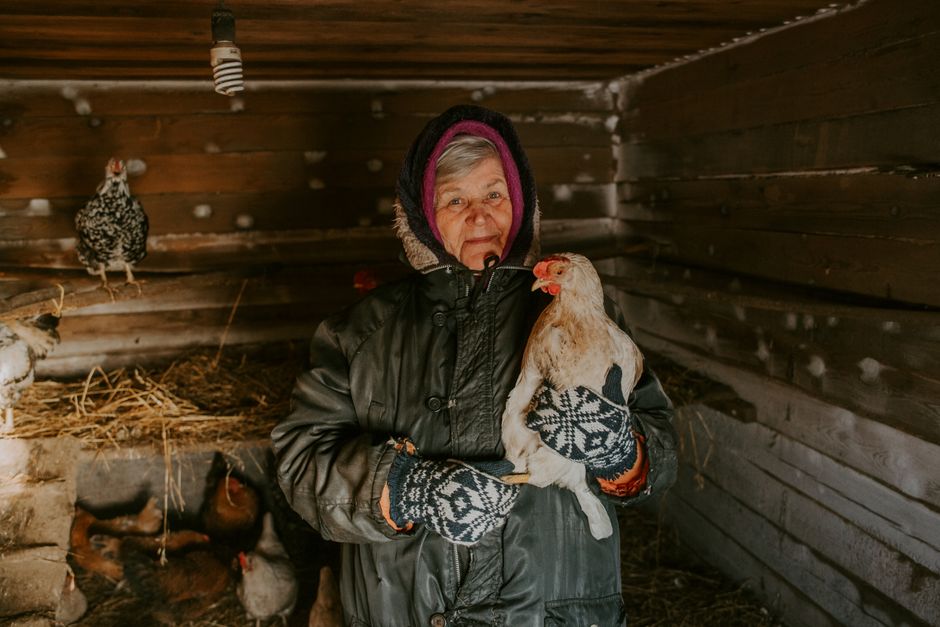
Russian Farmworkers Record First Human Infections of Novel Bird Flu Strain H5N8
The world health community has been placed on high alert following the confirmation of the first human infections with a novel strain of avian influenza, specifically the H5N8 subtype. Russian authorities announced this unprecedented development, marking a significant turning point in our understanding and management of zoonotic diseases. Previously, H5N8 was believed to be exclusively a poultry pathogen, capable of causing severe illness and widespread mortality in birds, but not transmissible to humans. The discovery of these human cases, originating from farmworkers in southern Russia, necessitates a re-evaluation of existing public health protocols and pandemic preparedness strategies. This event underscores the persistent threat of viral spillover from animal populations to humans, a phenomenon that has become increasingly prominent in recent decades. The implications of this novel strain entering the human population are far-reaching, potentially impacting global health security, agricultural practices, and economic stability. Immediate and comprehensive investigations are underway to understand the extent of transmission, the severity of illness in humans, and the potential for further spread.
The initial cases were identified in poultry workers on a farm in the Astrakhan region of Russia. These individuals developed symptoms consistent with influenza, prompting diagnostic testing which ultimately revealed the presence of the H5N8 virus. While details regarding the specific clinical presentations and severity of illness are still emerging, early reports suggest that the infected farmworkers experienced respiratory symptoms. The crucial aspect of this development is the clear evidence of human-to-human or, more likely in this initial phase, direct avian-to-human transmission of a virus that was previously considered non-pathogenic to humans. This genetic leap, if it can be confirmed as a stable transmission pathway, represents a significant biological hurdle being overcome by the virus. Public health officials are meticulously tracing the contacts of the affected individuals to ascertain the scope of potential exposure and to implement containment measures swiftly. The agricultural sector, particularly poultry farming, is under increased scrutiny, as the source of infection is unequivocally linked to a poultry environment.
The H5N8 avian influenza virus has been a persistent concern for poultry populations globally for several years. Outbreaks have been reported across Europe, Asia, and Africa, leading to the culling of millions of birds to prevent widespread devastation within the agricultural industry. Its high pathogenicity in avian species means it can cause severe illness and death, making it a significant economic threat to poultry producers. However, until these recent events in Russia, there was no substantiated evidence of sustained human transmission or infection. The virus’s genetic makeup and its typical receptor binding preferences in birds have historically made it difficult for it to efficiently infect human cells and replicate within the human respiratory system. The emergence of human cases suggests that the virus may have undergone mutations that allow it to overcome these species barriers. This is a critical area of ongoing virological research, with scientists working to sequence the exact genetic alterations that have facilitated this zoonotic leap. Understanding these mutations is key to predicting the virus’s future evolutionary trajectory and its potential for further adaptation.
The identification of these human cases triggers a global health alert. Organizations such as the World Health Organization (WHO) and the Food and Agriculture Organization of the United Nations (FAO) are closely monitoring the situation and collaborating with Russian health authorities. The immediate priority is to contain the outbreak within the affected region and prevent any further human infections. This involves enhanced surveillance in both human and animal populations, rapid diagnostic capabilities, and the implementation of strict biosecurity measures on farms. The possibility of wider dissemination, even if currently considered low, cannot be ignored. Historical precedents, such as the H5N1 and H7N9 avian influenza strains, have demonstrated the devastating potential of bird flu viruses to jump to humans and, in some instances, to cause significant mortality and limited human-to-human transmission. While H5N8 has not exhibited the same level of human fatality as some other strains in past limited human cases, its adaptability is a significant concern.
The global surveillance network for influenza, including the Global Influenza Surveillance and Response System (GISRS) coordinated by the WHO, is being activated to monitor for any signs of H5N8 circulation in human populations beyond the initial cluster. Laboratories worldwide are being alerted to the possibility of this novel strain, and diagnostic protocols are being updated to ensure accurate and timely detection. The speed at which this information is disseminated and acted upon is paramount in mitigating the potential impact of such an event. The interconnectedness of the modern world, with global travel and trade, means that a localized outbreak can quickly become a global concern if containment measures are not effective. The agricultural supply chain, particularly for poultry products, will also be under intense scrutiny, with potential implications for international trade and food security.
The implications for public health infrastructure are profound. This event serves as a stark reminder of the ongoing threat posed by zoonotic diseases and the critical need for robust surveillance systems that bridge human, animal, and environmental health sectors – the principles of One Health. Investment in research and development for new antiviral medications and vaccines specifically targeting novel influenza strains is more crucial than ever. The lessons learned from previous pandemics and epidemics, such as the COVID-19 pandemic and earlier influenza outbreaks, must be integrated into current preparedness plans. The ability to quickly develop and deploy vaccines, scale up testing capacity, and implement effective public health messaging are all vital components in managing an emerging pandemic threat.
Furthermore, the economic ramifications of a new human-transmissible avian influenza strain could be substantial. The poultry industry, a significant global food producer, could face widespread disruption due to outbreaks and control measures. Consumer confidence in poultry products might also be affected, leading to reduced demand and economic losses. The broader economy could experience ripple effects through decreased travel, reduced tourism, and potential disruptions to global supply chains. Understanding the economic vulnerabilities associated with zoonotic disease emergence is a critical aspect of comprehensive pandemic preparedness and response planning. Governments and international organizations must work collaboratively to develop strategies that not only protect public health but also safeguard economic stability.
The current focus remains on the epidemiological investigation in Russia. Scientists are diligently working to understand the precise mode of transmission, the infectivity and transmissibility of this H5N8 variant in humans, and the potential for it to cause severe illness. Factors such as the duration of viral shedding, the efficacy of antiviral treatments, and the potential for human-to-human transmission are all critical data points that will inform public health responses. The experience of the farmworkers, their symptoms, their recovery or prognosis, will provide invaluable clinical insights. Genetic sequencing of the virus from both avian and human sources will be essential to identify the specific mutations that have enabled this zoonotic jump and to assess whether the virus has acquired any characteristics that might enhance its pandemic potential.
The biosecurity measures implemented on the affected farm and in surrounding poultry operations are being rigorously reviewed and reinforced. These measures typically include strict hygiene protocols, regular disinfection, limiting access to poultry facilities, and prompt reporting of any unusual mortality or illness in birds. The effectiveness of these measures in containing the virus within the animal population and preventing further human exposure is paramount. The collaboration between veterinary services and human health authorities is essential in this regard. A coordinated One Health approach is the most effective strategy for detecting, preventing, and responding to zoonotic disease threats.
In conclusion, the identification of the first human cases of H5N8 avian influenza in Russian farmworkers represents a significant development in global public health. While the immediate concern is the containment of this outbreak and the protection of human health, this event also serves as a critical reminder of the ongoing threat posed by zoonotic diseases. The world must remain vigilant, investing in robust surveillance, research, and preparedness strategies to effectively manage emerging infectious disease threats and mitigate their potential impact on global health, economies, and societies. The scientific community is now tasked with unraveling the complexities of this novel strain, while public health officials must act swiftly and decisively to safeguard against potential further spread.
