The KTM X-Bow has remained a tantalizing enigma for American automotive enthusiasts since its inception in 2008. For over a decade and a half, the Austrian-built track machine—renowned for its radical, minimalist approach to performance—has been largely absent from U.S. public highways due to stringent federal safety and emissions regulations. This period of exclusion is now moving toward a conclusion with the formal announcement of the X-Bow GT-XA, a dedicated U.S. road-legal variant of the manufacturer’s latest platform. While the announcement represents a significant milestone for the brand, it also underscores the complex regulatory hurdles involved in bringing low-volume, high-performance European sports cars to the American market.
A Chronology of the X-Bow’s Evolution
To understand the significance of the GT-XA, one must look at the historical trajectory of the X-Bow. When KTM, primarily known for its dominance in the off-road motorcycle sector, debuted the original X-Bow in 2008, it shocked the industry. Designed in collaboration with the Italian racing chassis experts at Dallara, the vehicle featured a carbon-fiber monocoque and a total lack of conventional creature comforts. It was effectively a street-legal formula car.
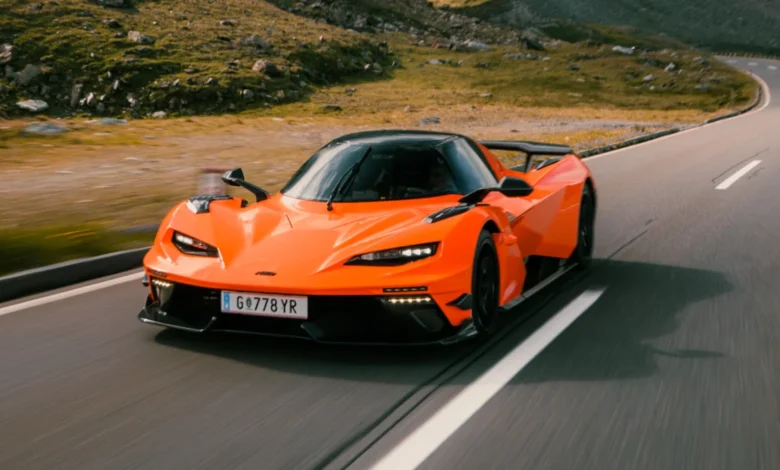
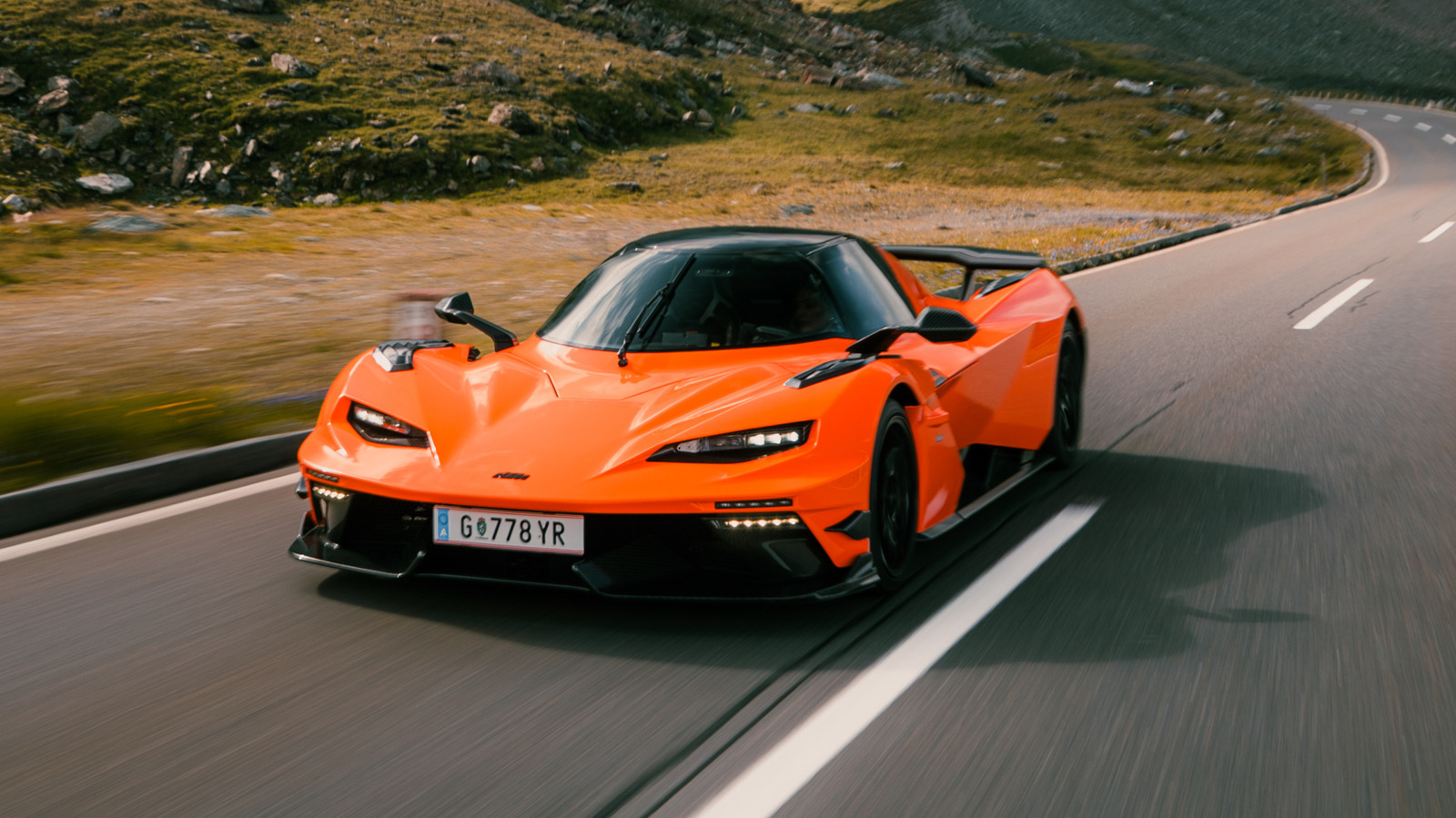
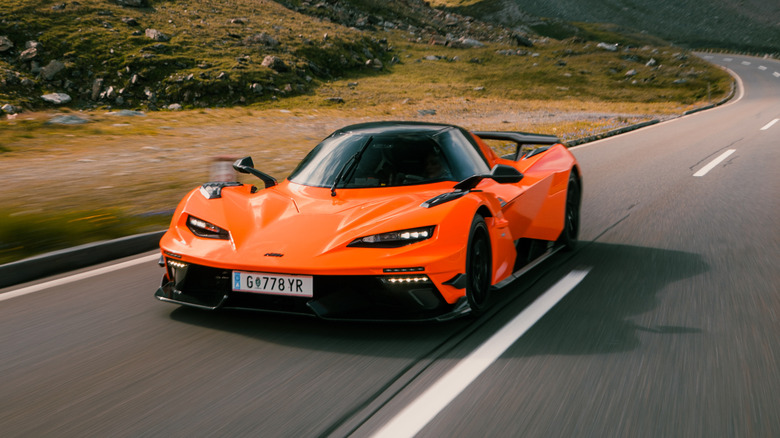
The evolution of the platform accelerated in 2015 when KTM introduced a factory-backed racing version for GT4 competition. This pivot necessitated a closed cockpit to meet international racing safety standards. Engineers developed a canopy system to replace the open-cockpit configuration, as the car’s compact monocoque design made traditional hinged doors structurally impractical. This canopy design eventually migrated to the road-legal GT-XR in 2022, providing the blueprint for the upcoming GT-XA.
Following a period of significant corporate restructuring within the parent organization, the X-Bow division was spun off into an independent entity with its own ownership structure. This autonomy has allowed the company to focus exclusively on the specific requirements of the U.S. market, leading to the current partnership with Carbon Yard, a firm tasked with navigating the labyrinthine National Highway Traffic Safety Administration (NHTSA) and Environmental Protection Agency (EPA) certification processes.
Navigating the U.S. Regulatory Landscape
The primary challenge facing the KTM X-Bow GT-XA is not engineering, but compliance. The U.S. market requires rigorous crash testing, airbag certification, and emissions standards that are vastly different from those in the European Union. KTM has stated that the GT-XA will incorporate a front-axle lift system—a functional necessity for navigating American driveways and public road infrastructure—but the vehicle remains currently unauthorized for public road use.
Carbon Yard’s role is critical in this phase. The firm is tasked with securing the necessary waivers and certifications that allow for the sale of low-volume production vehicles. For potential buyers, this creates a unique, high-stakes investment environment. Prospective owners are being asked to place $50,000 reservations, which the company has pledged will remain fully refundable until the vehicle achieves legal status. This "pay-to-wait" model is not unprecedented in the boutique supercar industry, where manufacturers like Pagani or Koenigsegg have previously navigated similar paths, but it highlights the financial commitment required to support such a niche automotive endeavor.
Technical Aspirations and Market Positioning
While definitive technical specifications for the U.S.-spec GT-XA have yet to be finalized, industry observers anticipate that it will mirror the performance characteristics of the European GT-XR. The GT-XR is powered by an Audi-sourced 2.5-liter five-cylinder turbocharged engine, known for its distinctive power delivery and robust tuning potential. In its European trim, this engine produces upwards of 500 horsepower.
However, the transition from the original lightweight X-Bow to the canopy-equipped GT-XR has been met with mixed reception from the enthusiast community. The original model weighed roughly 1,700 pounds; the modern GT-XR, bolstered by safety systems, the canopy, and increased structural reinforcement, tips the scales at approximately 2,760 pounds. While this weight gain is substantial, it remains remarkably light by modern sports car standards, where many performance vehicles exceed 3,500 pounds.
The anticipated price point of $490,000 places the X-Bow GT-XA in direct competition with established exotic marques. At this price, the X-Bow is no longer the "budget" track day toy it was intended to be in 2008; it is now a luxury-tier investment. KTM’s challenge will be to justify this valuation to American buyers who, for half a million dollars, have access to a vast array of mid-engine exotics from Porsche, Ferrari, and McLaren.
The Implications of the Canopy Design
The introduction of the canopy is perhaps the most debated element of the new X-Bow. By closing the cockpit, KTM has arguably shifted the car from a "four-wheeled motorcycle" to a "miniature supercar." From an engineering perspective, the canopy improves aerodynamics and cabin noise levels, making long-distance driving more viable. However, it raises valid safety questions regarding egress. In the event of a rollover, the canopy necessitates an automated or rapid-release mechanism to allow the occupants to exit the vehicle.
This design choice underscores the shift in the brand’s philosophy. The goal is no longer just raw, elemental performance; it is a blend of track-day capability and grand-touring usability. Whether this evolution will alienate the brand’s original base or expand its appeal to a wider demographic of collectors remains to be seen.
Corporate Restructuring and Future Outlook
The separation of the X-Bow brand from the primary KTM motorcycle group was a strategic move designed to insulate the sports car project from the volatility of the two-wheeled market. This restructuring suggests that the company is looking for a long-term, sustainable path rather than a quick market entry. By setting a delivery target of 2027, the company is signaling a realistic, albeit ambitious, timeline for navigating the regulatory hurdles.
Analysts suggest that the success of the X-Bow in the United States will hinge on the company’s ability to create a support network. Owning a boutique, low-volume vehicle is a daunting prospect without a robust dealer and service network. Carbon Yard will likely need to establish specialized service centers in key markets—such as California, Florida, and the Northeast—to reassure buyers that their $490,000 investment will be supported for the long term.
Analysis of the Market Impact
The arrival of the X-Bow in the United States serves as a barometer for the health of the enthusiast market. Despite the trend toward electrification and autonomous driving, there remains a persistent demand for analog, driver-focused machines that emphasize engagement over connectivity. The X-Bow, even in its refined, heavier, and more expensive form, represents the apex of this philosophy.
Furthermore, the X-Bow’s entry could potentially influence future automotive legislation. As more low-volume manufacturers utilize the "Low Volume Motor Vehicle Manufacturers Act," which provides a pathway for replicas and low-volume cars to meet modified safety standards, the U.S. roadscape may see an influx of similarly specialized vehicles.
Ultimately, the KTM X-Bow GT-XA is a testament to the endurance of a singular vision. Despite the structural, mechanical, and legal transformations the car has undergone over the last 15 years, it remains a product that defies traditional classification. Whether it achieves the sales targets of 30 units in its first year remains a secondary concern to the fact that it is attempting to exist on American soil at all. For the automotive industry, the progress of the GT-XA will be a case study in persistence, regulatory navigation, and the enduring power of brand identity in an increasingly homogenized market. As 2027 approaches, all eyes will be on Graz to see if the Austrian manufacturer can finally turn its long-standing dream into a tangible reality for American drivers.