BYD Unveils Second-Generation Seagull EV With Advanced High-Speed Blowout Stabilization and Sub-$10,000 Starting Price

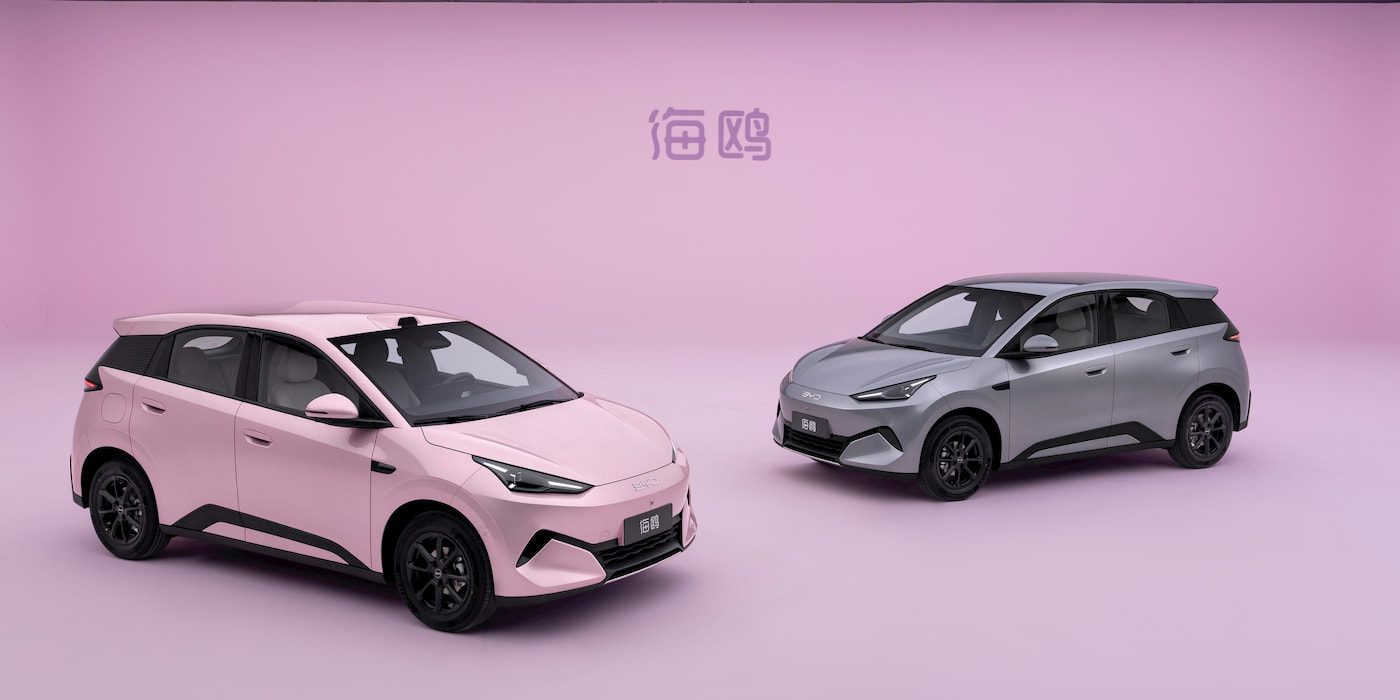
The global electric vehicle landscape has shifted dramatically over the past several years, driven largely by intense competition within the Chinese domestic market. Among the most aggressive and successful disruptors of traditional automotive pricing models is Build Your Dreams, widely known as BYD. Continuing its relentless push to democratize zero-emission mobility, the Shenzhen-headquartered manufacturer has officially launched the second-generation version of its immensely popular Seagull electric hatchback.
Priced aggressively to capture the mass market, the newly updated entry-level vehicle starts at an astonishing 62,900 yuan—approximately $9,500 USD—when factoring in a limited-time Super Trade-In incentive. Standard retail pricing without incentives begins at 65,900 yuan, or roughly $9,900 USD. This positions the second-generation model even lower than its predecessor, the first-generation Seagull, which previously debuted at 69,900 yuan (about $10,500 USD).
Despite its ultra-low price tag, the refreshed subcompact hatchback refuses to cut corners on modern automotive safety, technology, or interior comfort. Most notably, BYD has integrated a groundbreaking high-speed tire-blowout stability system as standard equipment across the lineup, alongside a roomier chassis, vastly improved performance metrics, and ultra-fast charging capabilities powered by the company’s newest battery architecture.
The Evolution of BYD’s Entry-Level Strategy
The original BYD Seagull quickly cemented itself as a cultural and commercial phenomenon in China following its initial market introduction. Known internationally under alternative monikers—such as the Dolphin Surf in Europe and the United Kingdom, and the Dolphin Mini in various other global regions—the vehicle became synonymous with affordable, reliable, and functional urban transportation.
However, consumer demands in the entry-level segment have evolved rapidly. Buyers increasingly expect the sophistication, connectivity, and safety margins typically reserved for more expensive mid-size vehicles. Recognizing this market shift, BYD engineers went back to the drawing board to overhaul the platform.
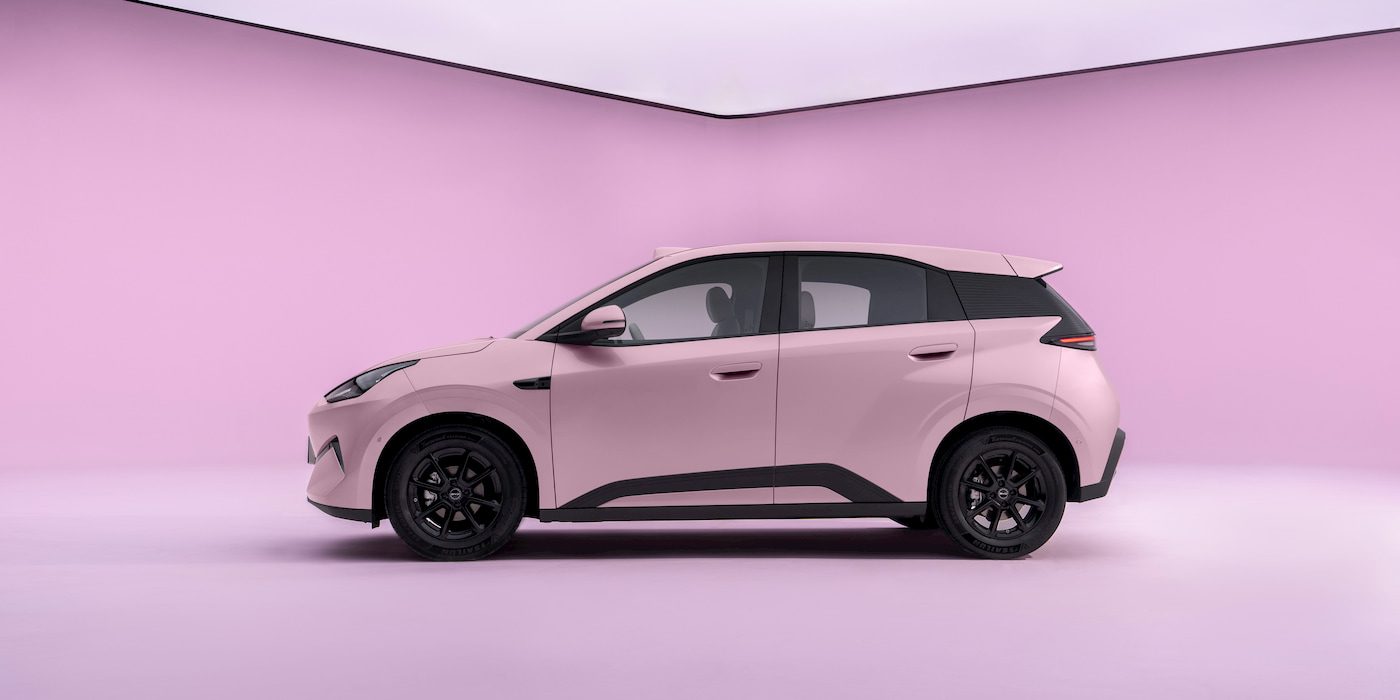
The result is a significantly larger and more capable vehicle. The second-generation Seagull measures 4,205 millimeters in length, 1,810 millimeters in width, and 1,570 millimeters in height, boasting a wheelbase of 2,650 millimeters. Compared to the first-generation iteration, the new model is an impressive 425 millimeters longer and features a 150-millimeter extension to its wheelbase.
This expanded physical footprint has allowed interior designers to reconfigure the cabin layout, transforming the vehicle from a strict four-seater into a comfortable five-passenger hatch. The dimensional growth directly addresses one of the few criticisms leveled against the original model: rear-seat crampedness on longer journeys.
Unprecedented Safety Innovation: High-Speed Tire Blowout Stabilization
Perhaps the most striking technical highlight of the second-generation Seagull is its advanced vehicle dynamics management, specifically designed to handle catastrophic mechanical failures at highway velocities. Tire blowouts at high speeds frequently lead to catastrophic loss of control, vehicle rollovers, or multi-car collisions, even in luxury segments.
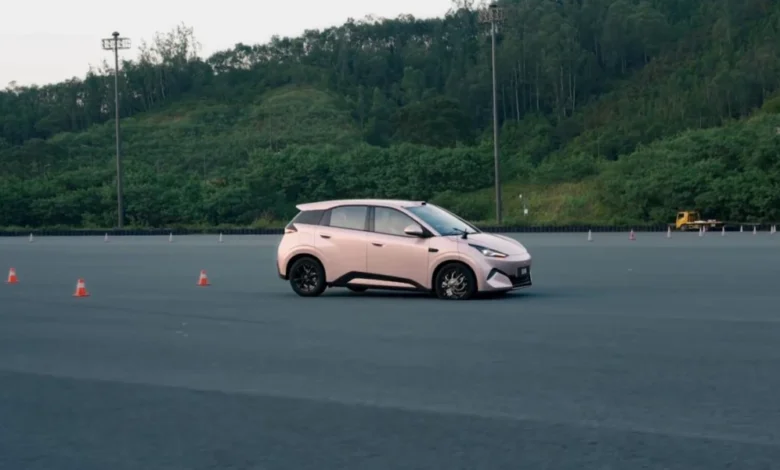
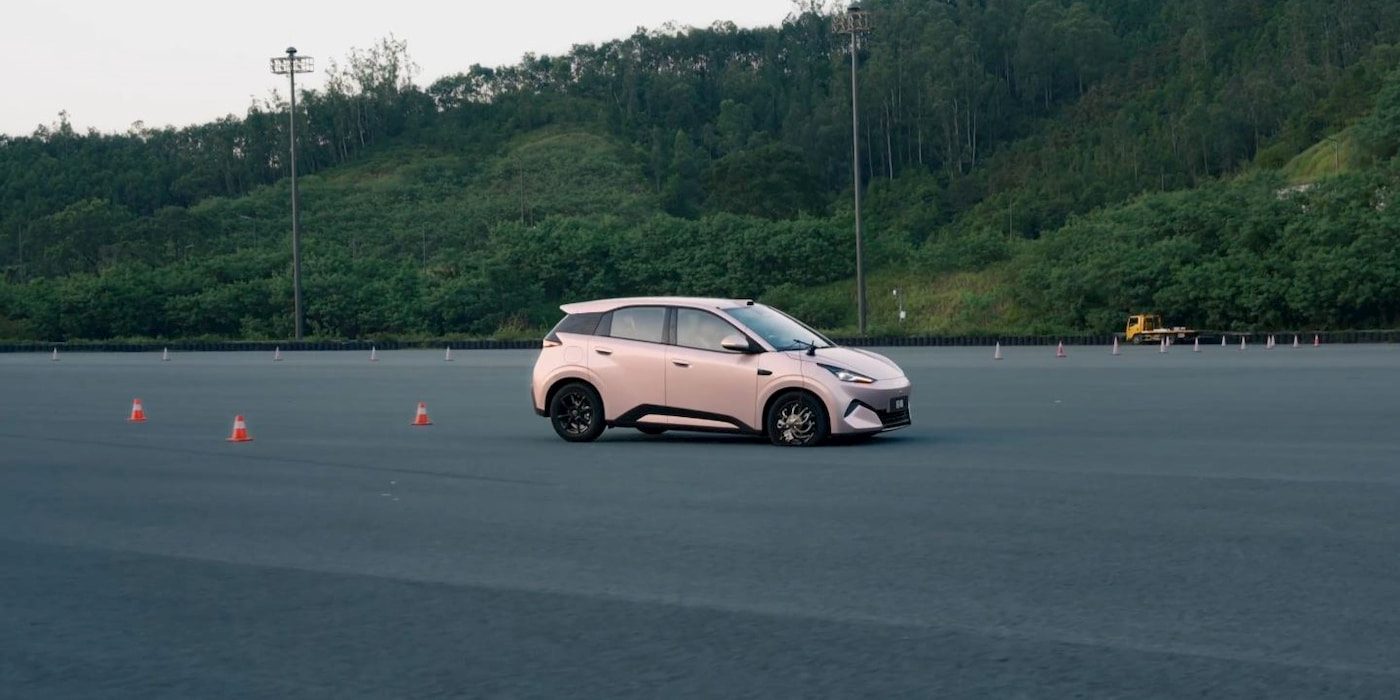
To mitigate this inherent driving hazard, BYD has equipped the entry-level Seagull with a specialized "140 km/h high-speed tire-blowout stability system" as a standard feature. To demonstrate the efficacy of this engineering marvel, Zhang Zhuo, general manager of BYD’s Ocean Series, released dramatic testing footage showing the second-generation hatchback sustaining a simulated tire blowout at a blistering 140 km/h (approximately 87 mph).
In the demonstration video, the vehicle maintains structural composure and stays firmly within its designated traffic lane until the driver brings it to a controlled, complete stop. Industry analysts have praised the inclusion of this technology in a sub-$10,000 vehicle, noting that it establishes a new benchmark for active safety features in low-cost urban cars.
Power, Performance, and Upgraded Suspension Dynamics
Beneath the refreshed exterior styling lies a completely revamped powertrain and mechanical architecture. Transitioning away from the previous rear-wheel-drive layout, the second-generation Seagull adopts a front-wheel-drive (FWD) configuration paired with significantly more potent permanent magnet synchronous motors.
Buyers can choose between two motor configurations yielding either 85 kW (114 horsepower) or 95 kW (127 horsepower). This represents a substantial performance upgrade over the first-generation model’s modest 55 kW (75 horsepower) motor, ensuring more responsive acceleration during highway merging and passing maneuvers.
Ride quality and handling characteristics have also received a thorough upgrade. BYD replaced the simpler suspension setups traditionally found in economy cars with a sophisticated multi-link independent rear suspension system. This mechanical refinement dramatically reduces body roll, absorbs road imperfections more effectively, and provides a composed, stable ride quality that rivals vehicles twice its price.
Battery Technology and Lightning-Fast Charging Capabilities
Energy storage is managed by BYD’s proprietary Blade Battery technology, specifically upgraded to the Blade Batteries 2.0 standard. Paired with newly developed Flash Charging Technology, the Seagull redefines expectations for charging infrastructure efficiency in the budget segment.
The updated vehicle is offered with two distinct Lithium Iron Phosphate (LFP) battery pack options:
- A 30.1 kWh pack delivering a CLTC-rated driving range of 320 kilometers (approximately 199 miles).
- A 39.2 kWh pack delivering an extended CLTC-rated driving range of 420 kilometers (approximately 261 miles).
When plugged into a high-powered DC fast charger, the Blade Battery 2.0 system allows the vehicle to replenish its energy reserves from 10% to 70% in a mere five minutes. A nearly full recharge from 10% to 97% requires only nine minutes. Furthermore, BYD has engineered the thermal management system to withstand extreme environmental conditions; even in freezing temperatures plummeting to -30°C, the battery can charge from 20% to 97% in just 12 minutes.
Interior Luxury, Infotainment, and Intelligent Driving Assistance
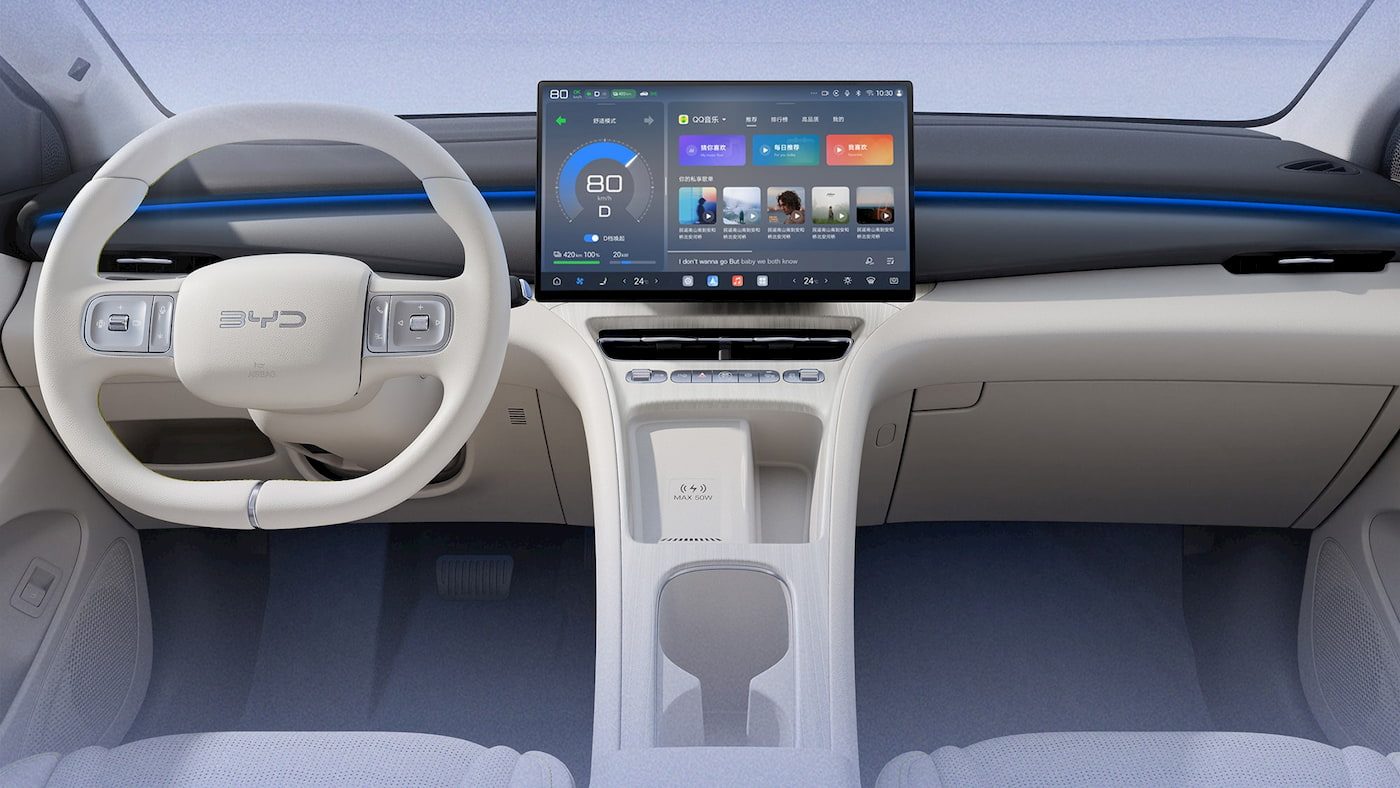
Stepping inside the cabin reveals an interior environment that feels markedly more upscale than its modest price point suggests. The centerpiece of the redesigned dashboard is a larger 15.6-inch rotating infotainment touchscreen running BYD’s advanced DiLink 150 smart cockpit system.
Comfort amenities have also been elevated. The front row now features heated, ventilated, and massage-functional seating—luxuries typically absent from compact economy cars. Additional interior touches include ambient cabin lighting, clever smart storage compartments, and a convenient 50-millimeter wireless smartphone charging pad.
For tech-forward consumers, BYD offers an optional roof-mounted LiDAR sensor. Buyers opting for this hardware package can upgrade to the DiPilot 300 system, which incorporates BYD’s proprietary "God’s Eye" intelligent driving assistance suite. This advanced driver-assistance system (ADAS) unlocks capabilities such as City Navigation on Autopilot (CNOA) and automated smart parking assistance.

Market Positioning and Global Implications
The second-generation Seagull is currently offered across five distinct domestic variants in China, with retail prices ranging from 65,900 yuan to 99,900 yuan (approximately $9,900 to $15,000 USD) before applying trade-in promotions.
Following its domestic rollout, industry watchers anticipate that BYD will swiftly transition the updated platform to international markets. Rebranded as the next-generation Dolphin Surf in Europe and the Dolphin Mini in Latin America and other territories, the vehicle is expected to serve as BYD’s primary weapon in breaking down cost and adoption barriers overseas.
Economic and automotive analysts note that the introduction of such advanced safety systems, fast-charging capabilities, and smart driving suites at sub-$10,000 price points places immense pressure on legacy automakers. As traditional manufacturers struggle to achieve profitability on their electric vehicle portfolios, BYD’s continuous iteration of low-cost, high-tech platforms demonstrates the widening competitive gap in the global automotive sector.