Why Skechers Sneakers Are Winning Over Skeptics With All-Day Comfort and Podiatrist-Approved Support

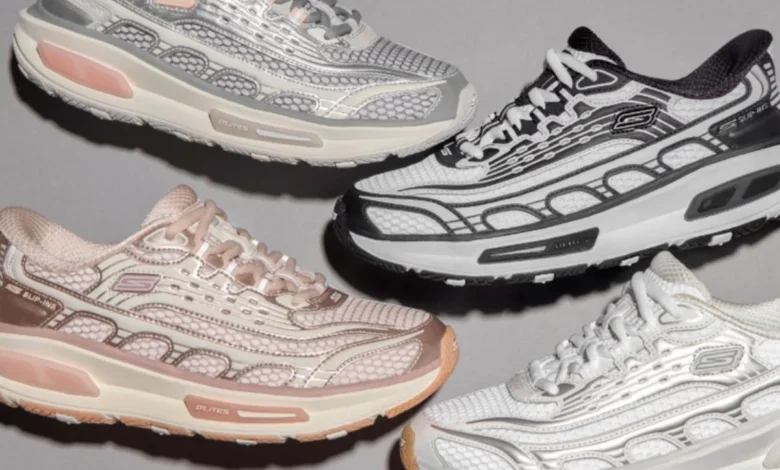
The footwear industry has long been dominated by high-end athletic brands, luxury sneaker collaborations, and heritage running labels that command steep price points and dedicated cult followings. For years, brands such as Nike, Adidas, New Balance, and Asics have captured the cultural zeitgeist, dictating what is considered trendy on city streets and social media feeds alike. However, a quiet shift is occurring in the consumer market, driven by a growing emphasis on functional wellness, foot health, and practical ergonomics. Among the beneficiaries of this consumer-driven pivot is Skechers, a brand that has historically prioritized accessibility and comfort over high-fashion exclusivity. Increasingly, everyday consumers, travelers, and even fashion-conscious shoppers are reconsidering the brand, discovering that its engineering-focused approach to footwear can rival—and in some cases surpass—its more expensive market competitors during high-stress usage scenarios like long-distance walking and theme park tourism.
The anatomy of modern sneaker consumption has evolved significantly over the past decade. Where athletic footwear was once strictly segregated into performance categories—running, basketball, training—the rise of athleisure blurred the lines between utility and daily wear. Consumers now expect their everyday shoes to perform under rigorous physical conditions while maintaining a versatile aesthetic. This shift has placed immense pressure on footwear manufacturers to innovate not just in design, but in foundational comfort technology. Historically, consumers frequently learned the hard way that fashionable footwear does not always equate to functional support. High-mileage walking scenarios, such as navigating sprawling amusement parks like Disney World—where visitors routinely log upwards of 10,000 to 20,000 steps across uneven terrain and hard concrete surfaces—often expose the limitations of trendy lifestyle sneakers.
The turning point for many skeptics often begins with physical trial under duress. Typical anecdotes from travelers highlight a common narrative: standard lifestyle or retro running shoes, while visually appealing, frequently leave feet aching, blistered, and fatigued after extended hours of standing and walking. When forced to substitute fashionable footwear with practical alternatives—such as handing over foot care to a pair of supportive Skechers offered by a traveling companion—wearers frequently report an immediate contrast in comfort. After enduring eight hours or more of continuous movement, feet equipped with proper cushioning and arch support often emerge free of severe soreness or friction injuries. This experiential validation has prompted a broader reevaluation of what Skechers offers to the contemporary consumer market, moving past outdated stylistic biases to focus purely on ergonomic performance.
At the core of this performance resurgence is Skechers’ ongoing investment in proprietary comfort and support technologies. Rather than relying solely on aesthetic trends, the brand has integrated a suite of advanced structural features into its footwear lines. Key among these are breathable cooling insoles, which help regulate foot temperature and moisture during extended wear. Furthermore, the incorporation of shock-absorbing cushioning systems helps mitigate the repetitive impact forces associated with walking on hard surfaces. Contoured footbeds featuring targeted arch support address structural alignment issues, while lightweight construction materials reduce overall foot fatigue by minimizing the physical burden of lifting the shoe with every step. These engineering choices place Skechers in direct functional competition with dedicated running and orthopedic brands, yet they frequently maintain a retail price point comfortably under the $100 threshold.
The Evolution of Skechers: From Utility to Mainstream Relevance
To understand the current standing of Skechers in the footwear ecosystem, it is helpful to examine the company’s trajectory within the broader retail landscape. Founded in 1992 by Robert Greenberg, the Manhattan Beach, California-based company initially carved out a niche in utility boots and skate-style footwear before pivoting heavily toward casual and athletic lifestyle shoes. For many years, the brand occupied a distinct market segment: highly functional, exceptionally accessible, but occasionally overlooked by style-conscious demographic segments who favored heritage athletic logos.
However, over the past decade, the footwear industry has undergone a demographic shift. Younger consumers, influenced by comfort-first lifestyle adjustments accelerated by global events in the early 2020s, have begun prioritizing personal well-being and physical comfort over strict brand prestige. Concurrently, Skechers expanded its marketing efforts, securing endorsements from high-profile athletes, musicians, and public figures while refining its silhouettes to align more closely with contemporary streetwear and athleisure trends. By introducing technologies like the Hands-Free Slip-ins line and expanding its APMA (American Podiatric Medical Association) certified arch-support offerings, the company successfully bridged the gap between orthopedic practicality and modern aesthetic expectations.
Decoding the Technology: What Makes These Sneakers Functionally Effective
An analysis of Skechers’ product lineup reveals a deliberate focus on addressing specific biomechanical challenges associated with prolonged standing and walking. Podiatric health experts frequently emphasize that inadequate arch support and insufficient shock absorption are primary contributors to plantar fasciitis, metatarsalgia, and general lower limb fatigue.
The brand’s technical features are designed to combat these issues systematically:
- Memory Foam and Air-Cooled Memory Foam: These insoles contour to the unique shape of the wearer’s foot, providing personalized pressure relief while enhancing breathability to prevent overheating and moisture accumulation.
- Arch Fit Technology: Developed with data gathered over 20 years and insights from over 120,000 unweighted foot scans, this podiatrist-certified system provides targeted, removable arch support that helps distribute pressure across the arch area.
- Max Cushioning Systems: Engineered with high-rebound cushioning platforms, these midsoles absorb high-impact shock and facilitate a smooth heel-to-toe transition, reducing strain on the Achilles tendon and calf muscles.
- Hands-Free Slip-ins Construction: Incorporating an internal heel counter structure known as the Heel Pillow, these models allow users to step into the shoe without bending down or using their hands, securing the heel firmly in place without requiring rigid structural break-in periods.
A Comprehensive Overview of Leading Skechers Comfort Models
For consumers looking to navigate the extensive Skechers catalog, several key models represent the pinnacle of the brand’s comfort and design convergence.

Skechers Slip-ins: GO WALK Now
Designed specifically for high-volume daily walking, this model integrates flexible, yoga mat-inspired cushioning that responds dynamically to foot movement. The responsive insole architecture minimizes joint pressure, making it a reliable companion for extended urban commuting or theme park excursions, while the signature Heel Pillow prevents slipping.
Skechers Slip-ins: Skech-Gel
Positioned as an accessible alternative to premium gel-cushioned running and lifestyle shoes on the market, this silhouette blends athletic aesthetics with everyday convenience. Featuring metallic accents, breathable mesh paneling, and an integrated midsole gel cushioning system, it offers both visual appeal and impact mitigation.
Hotshot Varsity Crew Sneaker
Demonstrating that the brand can cater to retro fashion trends without compromising comfort, this chocolate brown suede sneaker incorporates cream accents and a plush, breathable memory foam insole. It satisfies the current consumer demand for vintage-inspired court shoes while ensuring wearers do not experience the stiff, unyielding break-in phases typical of traditional fashion sneakers.
GO RUN Consistent Pro
Targeting budget-conscious runners and fitness enthusiasts, this sub-$100 running shoe is engineered to handle distance training. It features high-rebound, lightweight cushioning that facilitates smooth transitions from heel strike to toe-off, complemented by a durable rubber outsole designed to offer reliable traction across varied surfaces.
Skechers Slip-ins: Arch Fit D’Lites 330
Capitalizing on the resurgence of chunky 2000s-inspired footwear aesthetics, this sporty-chic model revitalizes the classic D’Lites architecture. Crucially, it upgrades the retro platform with modern podiatrist-certified arch support and a cushioned heel collar, marrying nostalgic styling with contemporary orthopedic benefits.
Skechers Slip-ins: Hotshot HI
Featuring a pronounced chunky rubber sole profile, these suede lifestyle sneakers are tailored for daily urban wear. Equipped with cooling memory foam insoles, they offer a cushioned walking experience that dampens the harsh impact of walking on concrete and asphalt surfaces throughout the day.
Skechers Slip-ins: Max Cushioning Elite 3
Built for maximum impact protection, this vegan lace-up sneaker utilizes a breathable mesh upper combined with a highly responsive, springy midsole. The architecture is engineered to provide continuous energy return while reducing physical fatigue during long hours on one’s feet.
Skechers Slip-ins: Max Cushioning Arch Fit 2.0
Earning the official Seal of Acceptance from the American Podiatric Medical Association (APMA), this model merges maximum cushioning technology with stabilizing rocker geometries. It is specifically recommended for individuals requiring secure, medical-grade arch support alongside soft impact absorption.
Skechers Slip-ins: Glide-Step Pro
Designed for seamless wear, this stretch-laced model utilizes an geometric sole design that encourages natural momentum with every stride. Combined with a mesh upper and synthetic overlays, it provides a flexible, adaptive fit suitable for active daily routines.
Market Implications and Consumer Shifts in the Footwear Sector
The growing appreciation for brands that prioritize functional ergonomics over pure brand cachet reflects a broader maturation within the global retail market. Consumers are increasingly critical of the cost-to-benefit ratio of their purchases, particularly in categories directly tied to personal health and daily comfort. As lifestyle demands necessitate greater physical mobility—whether through walking commutes, active jobs, or leisure travel—footwear that delivers immediate, reliable support without requiring a lengthy break-in period holds a distinct competitive advantage.
Industry analysts note that traditional athletic giants may need to increasingly balance aesthetic collaborations with practical performance features in their lifestyle portfolios to maintain dominance among pragmatic buyers. Meanwhile, brands like Skechers are well-positioned to capture market share from consumers who have experienced the physical toll of wearing unsupportive fashion footwear. By continuing to refine their stylistic offerings while maintaining accessible pricing structures and rigorous podiatric standards, the company demonstrates that utility and modern trends can successfully coexist in the contemporary consumer marketplace.