Culture of secrecy and inadequate factchecking at Four Corners criticised by ABC watchdog

The Australian Broadcasting Corporation’s flagship investigative program, Four Corners, has been thrust into the center of a profound editorial crisis following a scathing report by the national broadcaster’s independent ombudsman. The investigation, initiated by ABC chair Kim Williams, concluded that the program failed to adhere to the network’s core editorial standards regarding accuracy, integrity, and fair dealing. This development marks a significant low point for one of Australia’s most storied journalistic institutions, raising urgent questions about internal oversight, the management of sensitive sources, and the preservation of public trust in state-funded media.
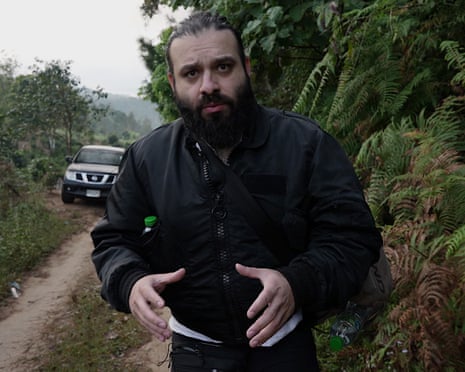
The controversy centers on two high-profile episodes, Cocaine Nation and Meth Highway, which aired between 2023 and 2024. These reports, which promised to expose the inner workings of Australia’s illicit drug trade, were later retracted by the ABC due to serious concerns regarding their factual basis and the authenticity of key contributors. At the heart of the scandal is Mahmood Fazal, a former bikie turned journalist whose transition into the mainstream media had been heralded as a bold move for investigative reporting. However, the ombudsman’s findings have effectively dismantled the credibility of the segments he produced.

Chronology of the Investigative Failure
The collapse of the credibility surrounding the two episodes did not occur overnight. It began with mounting public and industry scrutiny after the programs were aired, which eventually prompted the ABC to launch an internal review.
- 2023–2024: Four Corners broadcasts Cocaine Nation and Meth Highway, featuring exclusive, anonymous interviews with individuals claiming to be deeply embedded in the drug trade.
- Early 2025: External observers and media analysts begin raising questions about the provenance of the anonymous sources featured in the segments, specifically regarding the "masked figures" providing testimony.
- May 2026: As evidence of internal breaches of protocol mounts, the ABC terminates the employment of Mahmood Fazal. Fazal has consistently denied any wrongdoing, maintaining that his journalistic practices were standard for the industry.
- September 2026: Following a referral from ABC chair Kim Williams, ombudsman Fiona Cameron releases her findings. She confirms that the broadcaster failed its own standards for accuracy and integrity.
- Post-Report: The ABC confirms the removal of both episodes from its digital archives and streaming platforms, citing "accuracy concerns."
The "Materially Misleading" Disclosure
The most damning aspect of the ombudsman’s report concerns the identity of a featured source. Both episodes heavily relied on a masked figure who purported to be a high-level drug dealer supplying Sydney’s social and professional elite. This source provided dramatic, first-hand accounts of the logistics of the cocaine trade, lending the programs a sense of urgency and danger.
However, subsequent reporting by the media critique program Media Watch revealed that the individual behind the mask was not a hardened criminal but a Sydney-based rapper, Charissa Habkouk. The ombudsman’s investigation determined that Habkouk had played the role as a favor to Fazal. Fiona Cameron’s report concluded that the audience was "materially misleadingly" presented with a character whose identity and background were fabricated for the purpose of the program. This revelation has been described as a critical breach of the "fair and honest dealing" clause in the ABC’s editorial guidelines, as it essentially manufactured a witness to corroborate a narrative.
Internal Oversight and the Culture of Secrecy
The ombudsman’s findings go beyond the specific failures of the two episodes, pointing toward a broader, systemic issue within the Four Corners production team. The report highlights a "culture of secrecy" that inhibited proper fact-checking and editorial oversight. In the pursuit of "scoops" and high-impact investigative content, traditional safeguards appear to have been bypassed.
Investigative journalism relies on the protection of confidential sources; however, the ABC’s policies mandate that such sources must be vetted with rigorous scrutiny. The report suggests that in the case of these two episodes, the verification process was either ignored or entirely subverted. The "bikie turned journalist" narrative, which was arguably part of the program’s marketing strategy, may have inadvertently created an environment where the production team felt less inclined to challenge the methods used by the reporter.
The ABC chair, Kim Williams, has faced pressure to restore the reputation of the network. Elevating the complaint to the ombudsman was a decisive move to show that the broadcaster is willing to hold its own flagship programs accountable. The recommendation for a "full investigation" into the use of anonymous and confidential sources suggests that the ABC will likely implement a more centralized and transparent vetting process for all future investigative content.

Broader Implications for Public Interest Journalism
The implications of this scandal extend far beyond the ABC. In an era where public trust in legacy media is already fragile, the fabrication of sources by a national broadcaster provides significant ammunition to those who seek to delegitimize journalistic inquiry. The "arms race" for sensationalist content has been a growing concern across the media landscape, and this incident serves as a case study for the dangers of prioritizing narrative impact over factual integrity.
There is also a broader question of legal and regulatory risk. If a broadcaster produces content that is found to be "materially misleading," it may open the organization to legal challenges, particularly if the content defames individuals or organizations based on the testimony of non-existent or misrepresented sources. The legal teams at the ABC will likely be reviewing the potential liability arising from these episodes for years to come.
Furthermore, the academic and professional community has begun to debate whether the recruitment of "non-traditional" journalists—those from criminal or fringe backgrounds—requires a complete overhaul of how newsrooms approach training and supervision. While bringing diverse perspectives into the newsroom is generally considered a positive move, the lack of grounding in the ethical constraints of professional journalism has clearly led to a catastrophic lapse in judgment.
Moving Forward: The Path to Restoration
The ABC now faces the difficult task of rebuilding its reputation. The removal of the episodes is a necessary first step, but it is insufficient to address the deep-seated concerns raised by the ombudsman. The following steps are expected to be the focus of the organization in the coming months:
- Systemic Policy Audit: A comprehensive review of the "confidential source" protocol. This will likely involve the implementation of a "second-check" system, where an independent editorial producer who is not involved in the original production must sign off on the authenticity of all anonymous contributors.
- Cultural Reform: Management will need to address the "culture of secrecy" identified in the report. This involves fostering an environment where junior staff feel empowered to challenge senior reporters if they suspect that corners are being cut.
- Transparency with the Audience: A public apology or a dedicated segment explaining the failure to the taxpayers who fund the broadcaster would go a long way in repairing the damage. Trust is built through accountability, and the ABC’s current leadership seems to recognize that the only way forward is through total transparency.
The Four Corners incident serves as a stark reminder that the credibility of investigative journalism is the most valuable asset any media outlet possesses. Once that credibility is eroded, it is difficult to regain. For the ABC, the next twelve months will be defined by its ability to turn this crisis into a genuine opportunity for reform. As the national broadcaster, it has a duty not only to report on the truth but to embody the standards of integrity that it demands from the powerful figures it investigates. Whether it can satisfy the public that it has truly "cleaned house" remains to be seen, but the ombudsman’s report provides the necessary blueprint for a significant course correction.