Meta Opens Early Access for Next-Generation Muse AI Features Following Connect 2026 Announcements

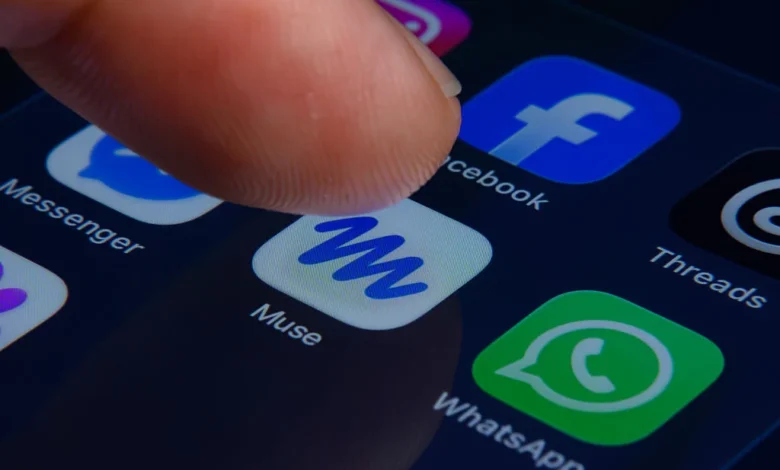
Meta Platforms has officially opened the application process for early access to its flagship artificial intelligence agent, Muse, inviting users to test a suite of advanced capabilities unveiled during the company’s Connect 2026 developer conference. Following a week of major hardware and software disclosures, the social media and technology giant is pivoting toward community-driven testing to refine its expanding AI ecosystem.
The announcement, made on Friday via official social media channels, allows interested consumers and technology enthusiasts to secure a place in the pilot testing queue simply by interacting directly with the Muse application. By bypassing traditional randomized beta-testing methods, Meta is actively courting power users—a demographic known for cross-platform familiarity and acute market awareness—to secure high-value feedback as competition within the consumer AI space intensifies.
The Mechanics of Joining the Muse Early Access Program
To streamline the onboarding process for the upcoming preview phase, Meta published a designated interactive pathway on the platform X (formerly Twitter). Users who wish to be considered for the limited release can trigger their application by sharing a specific prompt with the AI agent. Alternatively, users can bypass external links by copying and pasting a direct conversational command into the app: "Can you let the Muse team know I want to be part of the Muse early access program?"
Historically, major technology enterprises have relied on randomized A/B testing or closed enterprise pilots to evaluate software upgrades. These methodologies help mitigate server strain and isolate technical glitches before public deployment. However, Meta’s decision to crowdsource early adopters directly from the AI enthusiast community represents a calculated shift. Industry analysts note that tech-savvy early adopters are uniquely positioned to stress-test complex workflows, identify edge-case failures, and offer comparative insights relative to competing offerings from OpenAI, Google, Apple, and Anthropic.
A Comprehensive Look at Connect 2026 Announcements
The early access rollout follows a packed agenda at Meta Connect 2026, where executives detailed the strategic evolution of the Muse agent from a conversational chatbot into an integrated, cross-platform digital assistant. The upcoming features slated for the early access cohort highlight Meta’s ambition to embed generative AI deeply into daily consumer routines, professional workflows, and hardware ecosystems.
Among the most prominent features demonstrated at the developer conference is a newly developed digital avatar for Muse. Unlike traditional text- or voice-only interfaces, this avatar introduces real-time video chat capabilities, allowing users to converse face-to-face with the AI agent in a more natural, human-like interaction loop.

In addition to conversational upgrades, Meta is aggressively expanding its commercial footprint. Muse is set to integrate a vast array of new shopping partnerships and application connectors. These integrations will enable the AI agent to facilitate end-to-end e-commerce transactions, cross-reference product availability, and manage logistics natively within the application interface.
Productivity enhancements are also slated for the Mac operating system. Meta announced an expanded version of the Muse Mac application, engineered to execute multi-step desktop tasks autonomously. By leveraging computer-use capabilities, the updated software can navigate local file structures, interact with desktop applications, and complete administrative assignments on behalf of the user, putting it in direct competition with emerging agentic AI workflows on macOS and Windows.
Hardware synergy remains a cornerstone of Meta’s consumer strategy. The company confirmed that Muse will soon be natively integrated into its proprietary line of AI-enabled eyewear. Wearers will be able to summon the assistant hands-free using a designated wake word, followed immediately by natural language commands—bridging the gap between ambient computing and mobile AI utility.
Strategic Implications and Market Context
Meta’s aggressive pacing with the Muse ecosystem underscores the fierce competitive pressures defining the generative AI landscape in 2026. As tech conglomerates transition from foundational model development to consumer monetization and daily utility, user retention depends heavily on seamless integration across diverse hardware form factors—ranging from smartphones and desktop computers to smart glasses.
By opening the early access gates to proactive enthusiasts, Meta aims to shorten its product iteration cycles. Feedback gathered from power users during the preview window will likely inform the broader, public-facing rollout expected later in the year. Furthermore, early engagement helps build consumer anticipation, positioning Muse as a formidable contender in an increasingly crowded market of personal digital agents.
As the tech sector digests the breadth of announcements emerging from Connect 2026, all eyes will be on how rapidly Meta can scale its infrastructure to support these resource-intensive features. For now, the pathway to experiencing the future of Meta’s AI ambitions lies in a simple chat prompt, inviting the digital community to help shape the next chapter of ambient computing.
Related posts: