Artemis II Commander Reid Wiseman Transitions to Leadership Role at Jet Propulsion Laboratory Following Historic Lunar Mission

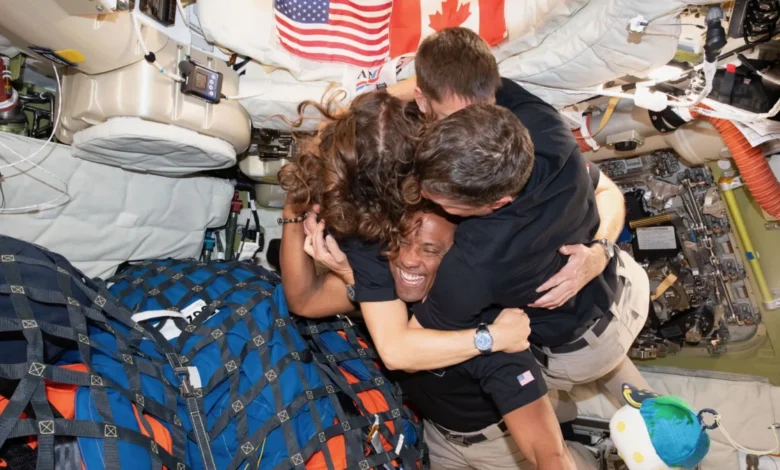
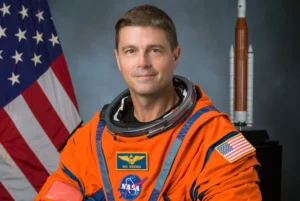
The final member of the historic Artemis II crew has officially charted a new course for his post-spaceflight career. Reid Wiseman, the commander of the mission that successfully circled the moon in April 2026, has been appointed as the associate vice president and deputy director of NASA’s Jet Propulsion Laboratory (JPL), managed by the California Institute of Technology (Caltech). This appointment, scheduled to take effect on November 30, marks the conclusion of a transition period for the four-person crew, all of whom have stepped down from active astronaut duty following their successful lunar voyage.
A New Chapter for the Artemis II Commanders
The announcement from Caltech and JPL brings a formal close to the post-mission activities of the quartet that reignited global interest in crewed lunar exploration. Wiseman, a seasoned U.S. Navy captain and former chief of the astronaut office, joins his colleagues in the private and academic sectors. The transition began in earnest this past summer as the crew members began to signal their intentions to pass the torch to the next generation of space explorers.
Victor Glover, the pilot of the Artemis II mission, set a precedent in September when he announced his shift to "astronaut emeritus" status, subsequently accepting a position as executive advisor to the president of his alma mater, California Polytechnic State University. Similarly, mission specialists Christina Koch and Jeremy Hansen pivoted earlier in the year. Hansen, the first Canadian to participate in a lunar mission, returned to active service with the Royal Canadian Air Force in July, while Koch accepted a high-level administrative role as NASA’s acting deputy chief engineer, a transition that became effective on November 1.
Mission Context: The Historic 2026 Lunar Voyage
The Artemis II mission, which launched on April 1, 2026, served as a monumental milestone in modern spaceflight. For ten days, the crew aboard the Orion capsule pushed the boundaries of human endurance, traveling further from Earth than any previous crewed mission in history. By navigating the far side of the moon, the mission demonstrated the viability of the Orion life-support systems and deep-space navigation protocols necessary for long-duration human presence.
The mission was not merely a flight of exploration but a critical technical demonstration. The data collected during the flight is currently being integrated into the planning for the upcoming Artemis III mission, which aims to perform a crewed landing on the lunar surface. The successful return of the crew provided NASA with invaluable empirical data regarding radiation shielding, psychological stressors in deep space, and communication latency—factors that will dictate the safety parameters for all future lunar base operations.
Professional Background of Reid Wiseman
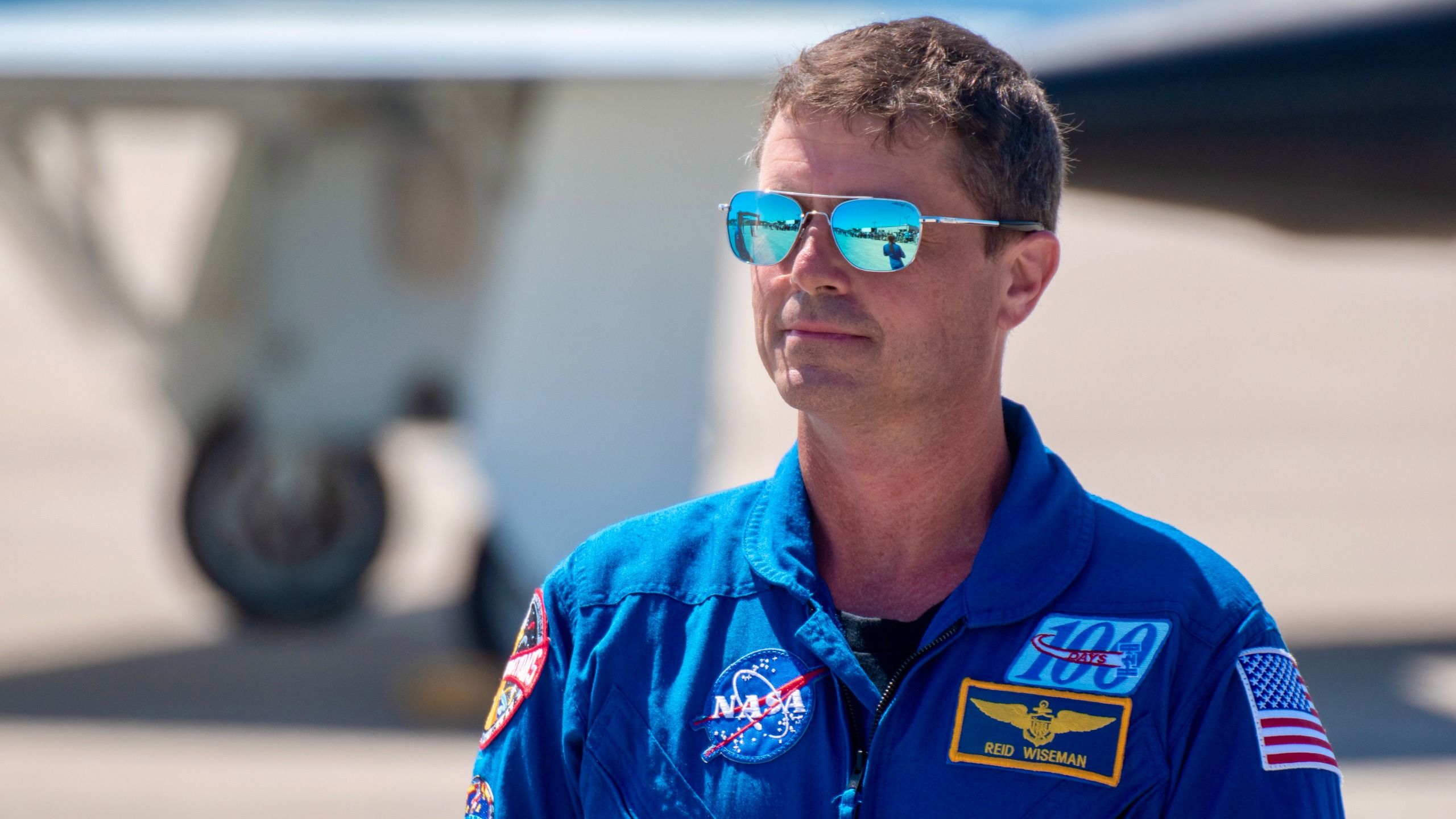
Wiseman’s appointment to the JPL leadership team is widely viewed by industry experts as a strategic alignment of operational expertise and scientific research. Before commanding the Artemis II mission, Wiseman served as the chief of the astronaut office from 2020 to 2022, where he was responsible for the selection and training of crews for the Artemis program. His deep understanding of the intricacies of mission architecture, flight safety, and crew readiness will be central to his new responsibilities at the laboratory.
A Baltimore native, Wiseman brings a wealth of experience from his previous tenure at the International Space Station (ISS). During his 2014 deployment, he spent 165 days in orbit, participating in two separate spacewalks. His background as a test pilot and naval aviator provides a rigorous foundation for his new role at JPL, where he will serve under Director Dave Gallagher to oversee the laboratory’s strategic operations and technical stewardship.
The Role of JPL in the Artemis Era
The Jet Propulsion Laboratory stands as a cornerstone of robotic space exploration. As a federally funded research and development center, it is responsible for some of humanity’s most significant achievements in planetary science, including the Mars Perseverance and Curiosity rovers, the Europa Clipper mission, and the long-running Voyager probes.
With Wiseman stepping into the role of deputy director, the laboratory aims to bridge the gap between high-level robotic exploration and the growing requirements of the crewed Artemis program. JPL is also the primary operator of NASA’s Deep Space Network (DSN), a global array of massive radio antennas that maintain constant communication with spacecraft across the solar system. As lunar missions become more frequent and complex, the integration of human missions with the robotic infrastructure at JPL will be essential.
Official Statements and Industry Reaction
NASA Administrator Jared Isaacman commended Wiseman’s appointment, emphasizing the need for experienced leadership as the agency moves toward more ambitious objectives. "Reid has spent his career at the edge of what is possible, and he has the technical judgment, operational experience, and leadership to help push that edge farther," Isaacman stated in an official press release.
Wiseman himself reflected on the shift, noting that his experiences on the far side of the moon profoundly influenced his perspective on the future of space exploration. "I’ve explored the furthest reaches of what a human can explore at NASA, and there were truly no words in the English vocabulary to describe seeing the sun disappear behind the moon from deep space," Wiseman said. "But that experience was really the jumping-off point to go do the impossible things that Caltech and JPL dream, dare together, and do for NASA and the nation."
Looking Toward 2027 and Beyond
The departure of the Artemis II crew from active flight status underscores the cyclical nature of the astronaut corps. As these individuals move into positions of influence within academia and government, they create space for a new cohort of astronauts to begin training for the next phases of the Artemis program.
NASA is currently tracking toward mid-2027 for the Artemis III flight test. This mission is expected to involve the integration of the Orion spacecraft with commercial lander solutions, including SpaceX’s Starship and Blue Origin’s Blue Moon lunar lander. The successful execution of these tests is a prerequisite for the ultimate goal of the Artemis program: the establishment of a sustainable human presence on the lunar surface by 2028.
The implications of Wiseman’s move to JPL extend beyond mere personnel changes. By placing an experienced lunar commander in a senior management role at one of NASA’s most prestigious research facilities, the agency is ensuring that the lessons learned from the Artemis II flight are effectively translated into the next generation of space hardware and exploration strategies. The synergy between human spaceflight experience and robotic research is expected to accelerate the development of the technologies needed for potential Mars exploration in the decades to follow.
Chronology of the Artemis II Transition
- April 2026: The Artemis II crew launches and completes a historic 10-day loop around the far side of the moon.
- July 2026: Jeremy Hansen announces his return to the Royal Canadian Air Force, concluding his active duty as a NASA astronaut.
- September 2026: Reid Wiseman and Victor Glover announce their transition to "astronaut emeritus" status.
- November 1, 2026: Christina Koch begins her term as NASA’s acting deputy chief engineer.
- November 30, 2026: Reid Wiseman is set to assume his duties as associate vice president and deputy director of JPL.
As the industry observes these transitions, it becomes clear that the "Artemis generation" is not merely defined by those who fly the missions, but by the legacy of leadership and technical evolution that follows. The transition of the Artemis II crew from the cockpit to the boardroom is a testament to the long-term vision of NASA’s lunar initiative—a program designed not just for a single moment of triumph, but for the sustained advancement of human knowledge and capability in the deep-space environment.