The landscape of American public surveillance is currently facing a significant legislative challenge with the introduction of the Flock-Off Act in the U.S. House of Representatives. Introduced last month by Kentucky Republican Representative Thomas Massie, alongside six bipartisan co-sponsors, the legislation seeks to curb the unchecked expansion of automated license-plate-reader (ALPR) networks. However, the bill’s broad technical language has inadvertently cast a wide net, threatening to eliminate not just controversial mass-surveillance cameras, but also widely accepted automated speed and red-light enforcement systems that have become staples of modern municipal traffic safety programs.
The Genesis of the Flock-Off Act
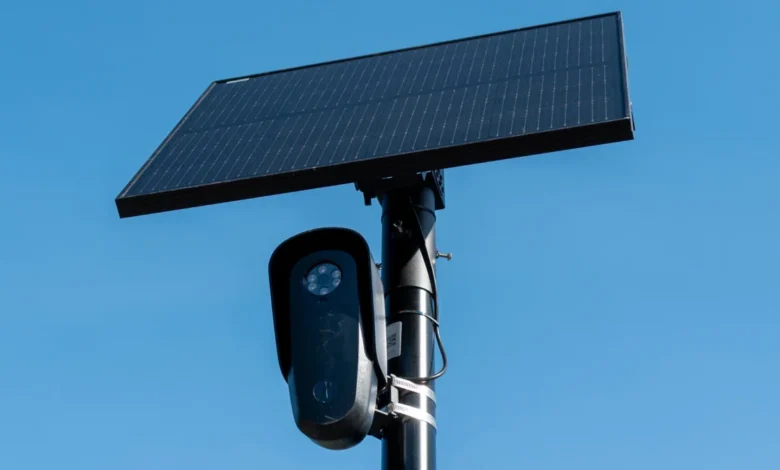
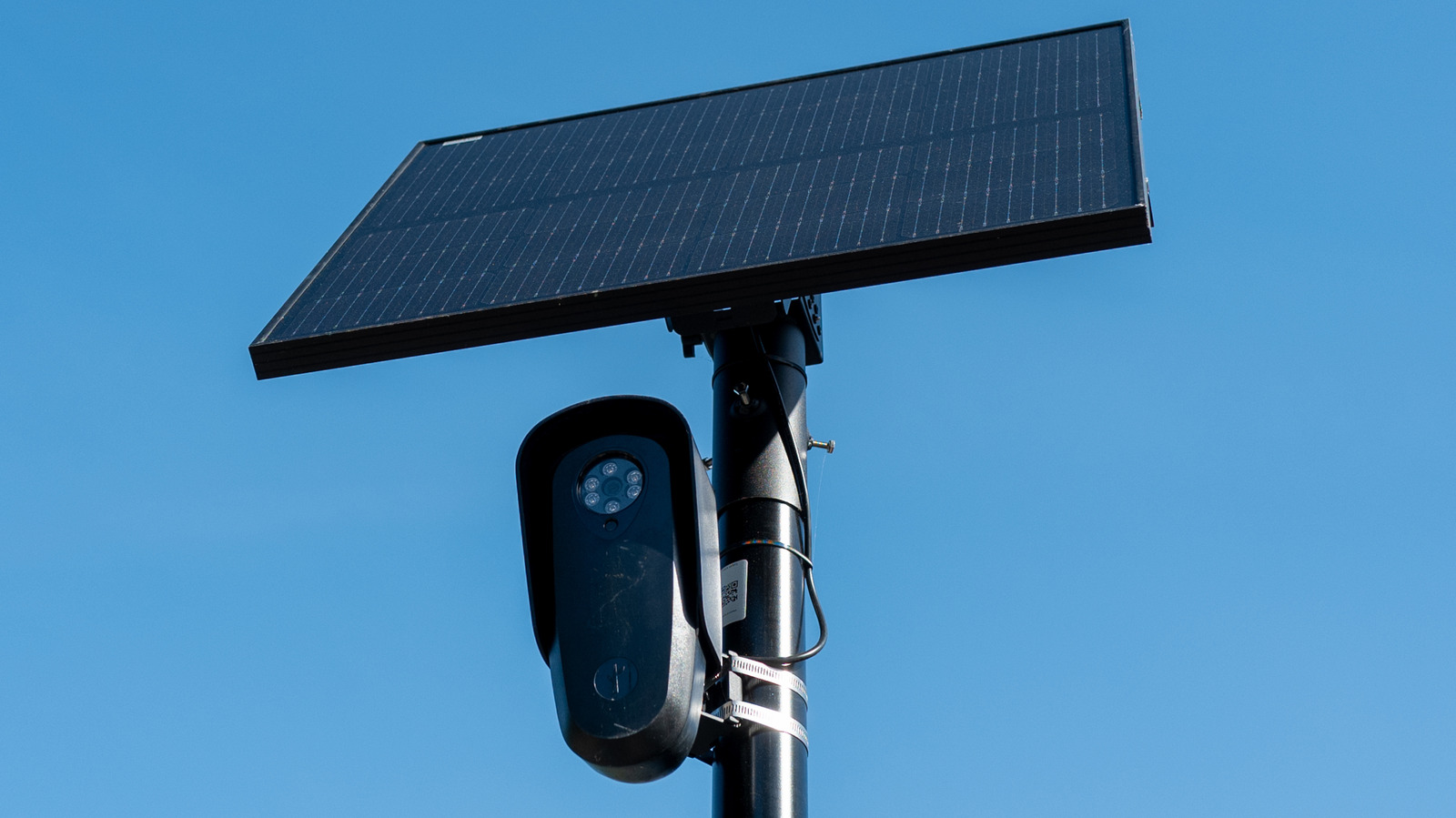
The legislative push follows a period of rapid, often contentious, expansion of ALPR technology across the United States. Companies like Flock Safety have deployed thousands of solar-powered, high-definition cameras in suburban neighborhoods, commercial districts, and at major intersections. Unlike traditional traffic cameras that record specific violations, these systems create a persistent, searchable database of vehicle movements, logging plate data, vehicle descriptions, and timestamps for every passing car.
Public concern has mounted as reports of data abuse by local law enforcement agencies have surfaced. Critics argue that the infrastructure facilitates a level of warrantless, mass surveillance that violates the privacy expectations of citizens. Representative Massie, in his arguments supporting the bill, emphasized that the objective is to protect the constitutional rights of "law-abiding citizens" from being subjected to constant tracking by state-sanctioned surveillance networks. By threatening to strip federal funding from any municipality that maintains contracts for "covered camera systems," the bill aims to exert significant fiscal pressure on local governments to dismantle these networks.
Distinguishing Surveillance from Safety
A critical tension within the legislation lies in the fundamental difference between mass surveillance systems and automated traffic enforcement. Public policy experts and urban planners distinguish between these technologies based on their operational intent and data retention policies.
Automated license-plate readers, such as those provided by Flock, are designed to capture every vehicle that passes their field of view. This data is often stored for extended periods and aggregated into databases accessible to various law enforcement agencies, regardless of whether the driver is suspected of a crime.
Conversely, automated speed and red-light cameras function as binary enforcement tools. They remain dormant until a specific, objective traffic violation—such as exceeding a set speed threshold or entering an intersection after a signal has turned red—is triggered. Data captured by these systems is typically transient, discarded immediately if no violation occurs, and kept only as evidence for citations when an infraction is confirmed.
The Legislative Oversight
Despite the bill’s stated goal of curbing surveillance, the current text of the Flock-Off Act lacks the nuance required to differentiate between these two technologies. The bill’s language defines "covered camera systems" so broadly that it encompasses virtually any automated device that uses image capture for traffic enforcement.
California Representative Ro Khanna, the sole Democratic co-sponsor of the bill, recently expressed concern regarding the unintended consequences of the current draft. In an interview with Streetsblog, Khanna clarified his position: "I’m for speed and red light cameras. You don’t have speed and red light cameras being abused by police officers." His comments highlight the friction between the bill’s ideological supporters, who view all automated enforcement as government overreach, and those who see safety-focused traffic cameras as legitimate tools for public welfare.
The bill does include narrow exemptions for cameras utilized for toll collection and those deployed within a one-mile radius of the U.S. northern and southern borders. However, these exceptions do little to protect the thousands of municipalities that rely on safety cameras to reduce traffic fatalities and enforce traffic laws without the need for high-risk, in-person police interactions.
Data-Driven Perspectives on Traffic Safety
The efficacy of automated traffic enforcement is well-documented in recent municipal studies. According to data provided by the San Francisco Municipal Transportation Agency (SFMTA), the deployment of speed cameras in 2025 resulted in an 84% reduction in speeding incidents within the first 18 months of operation. These findings mirror national trends, where automated enforcement is increasingly viewed as a tool to improve pedestrian safety and reduce the frequency of dangerous, high-speed pursuits.
Beyond safety, there is a socio-legal argument for these systems. Frequent traffic stops are a significant point of contact between citizens and police, and data indicates that these interactions carry inherent risks of escalation, bias, and violence. By shifting enforcement from human officers to automated, objective systems, cities have sought to depersonalize traffic citations, potentially reducing the frequency of lethal police-citizen confrontations.
The Industry Response
As the legislative process gains momentum, companies like Flock Safety are navigating a difficult public relations environment. The company has taken steps to reassure government partners and the public alike, even going so far as to issue internal guidance to law enforcement agencies on how to "own the narrative" regarding their camera deployments. This pushback highlights the high stakes for the company, as the loss of municipal contracts would represent a catastrophic blow to their business model.
Public records indicate that the industry is heavily lobbying to clarify the definitions within the bill. Industry representatives argue that if the bill passes in its current form, it would force a regression in traffic safety standards, as cities would be forced to revert to manual enforcement, which is both less effective and more expensive.
Future Implications
The fate of the Flock-Off Act remains uncertain, particularly given the shifting political climate following recent elections. Regardless of whether this specific bill passes into law, it serves as a harbinger of a broader, national conversation regarding the role of surveillance technology in everyday life.
If enacted, the bill would set a significant precedent. It would be the first major federal attempt to restrict the use of automated technology on local roadways, effectively overriding local control in favor of federal privacy standards. For the thousands of cities currently utilizing these systems, the financial implications are severe. The threat of losing federal transportation grants—which fund critical infrastructure projects—is a powerful lever that could force many cities to shutter their traffic safety programs overnight.
However, legal analysts suggest that the bill may face significant constitutional challenges if it moves toward a floor vote. The tension between federal spending power and the states’ traditional police powers to regulate local traffic safety is a recurring theme in federal litigation. If the bill reaches the President’s desk, it will likely trigger a wave of lawsuits from municipalities and private contractors, arguing that the legislation constitutes an unconstitutional federal intrusion into state-level administration.
Conclusion
The Flock-Off Act represents a collision between two valid American priorities: the right to privacy in an increasingly digitized society and the need for modern, data-driven solutions to public safety issues on the road. The current legislative path suggests that without significant refinement to the bill’s language, the goal of preventing surveillance abuse may come at the heavy cost of compromising public safety.
As lawmakers continue to debate the future of the bill, the outcome will likely hinge on whether they can find a middle ground that restricts mass-surveillance databases while preserving the automated tools that have demonstrably saved lives in urban environments. For now, the legislation remains a point of intense focus for municipal leaders, privacy advocates, and the burgeoning surveillance technology sector alike, serving as a reminder that in the age of data, the regulation of technology is as complex as the software itself.
Related posts: