Bolides and Planetary Defense: How Multi-Sensor Networks Are Revolutionizing Our Understanding of Atmospheric Fireballs

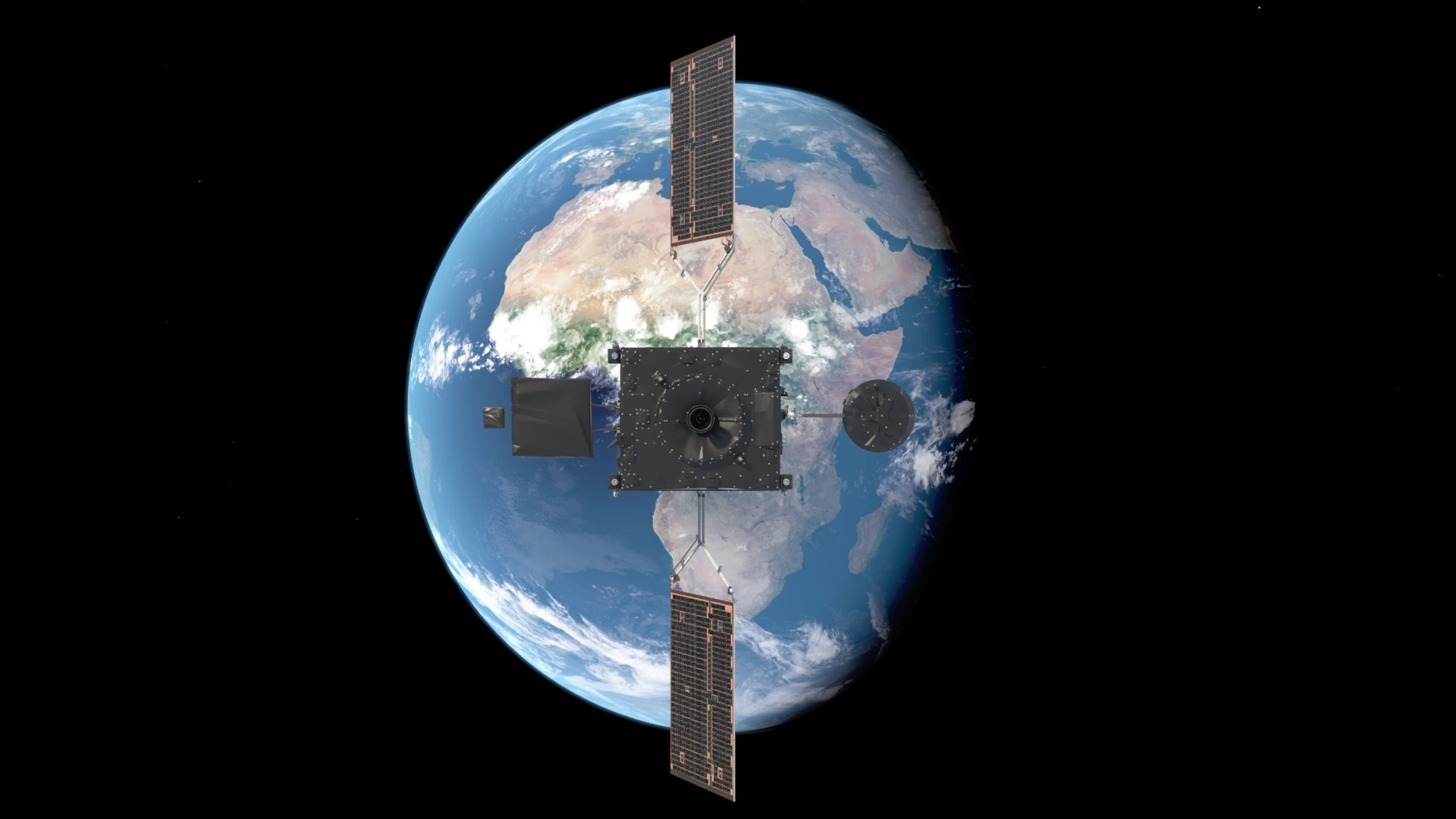
On April 1, 2026, a massive fireball—a bolide—detonated high above the South Atlantic Ocean off the coast of Argentina, marking a significant milestone in our ability to monitor and analyze space-based threats. While the event initially registered on classified U.S. military space-based sensors, its documentation was uniquely bolstered by civilian meteorological satellites, specifically the National Atmospheric and Oceanic Administration’s GOES-E and the European Space Agency’s Meteosat Third Generation (MTG) Imager-1. By leveraging data from lightning-detection instruments designed for weather monitoring, researchers were able to perform a high-fidelity reconstruction of the object’s entry, trajectory, and final, explosive disintegration.
This event serves as a focal point for a growing scientific shift: the integration of disparate, multi-domain sensor networks to track the silent, constant barrage of debris striking Earth’s atmosphere. As our planet navigates the debris-strewn vacuum of the solar system, these "fireball" events are increasingly viewed not just as natural spectacles, but as vital, real-world data points that are essential for refining planetary defense strategies.
The Mechanics of a Bolide Event
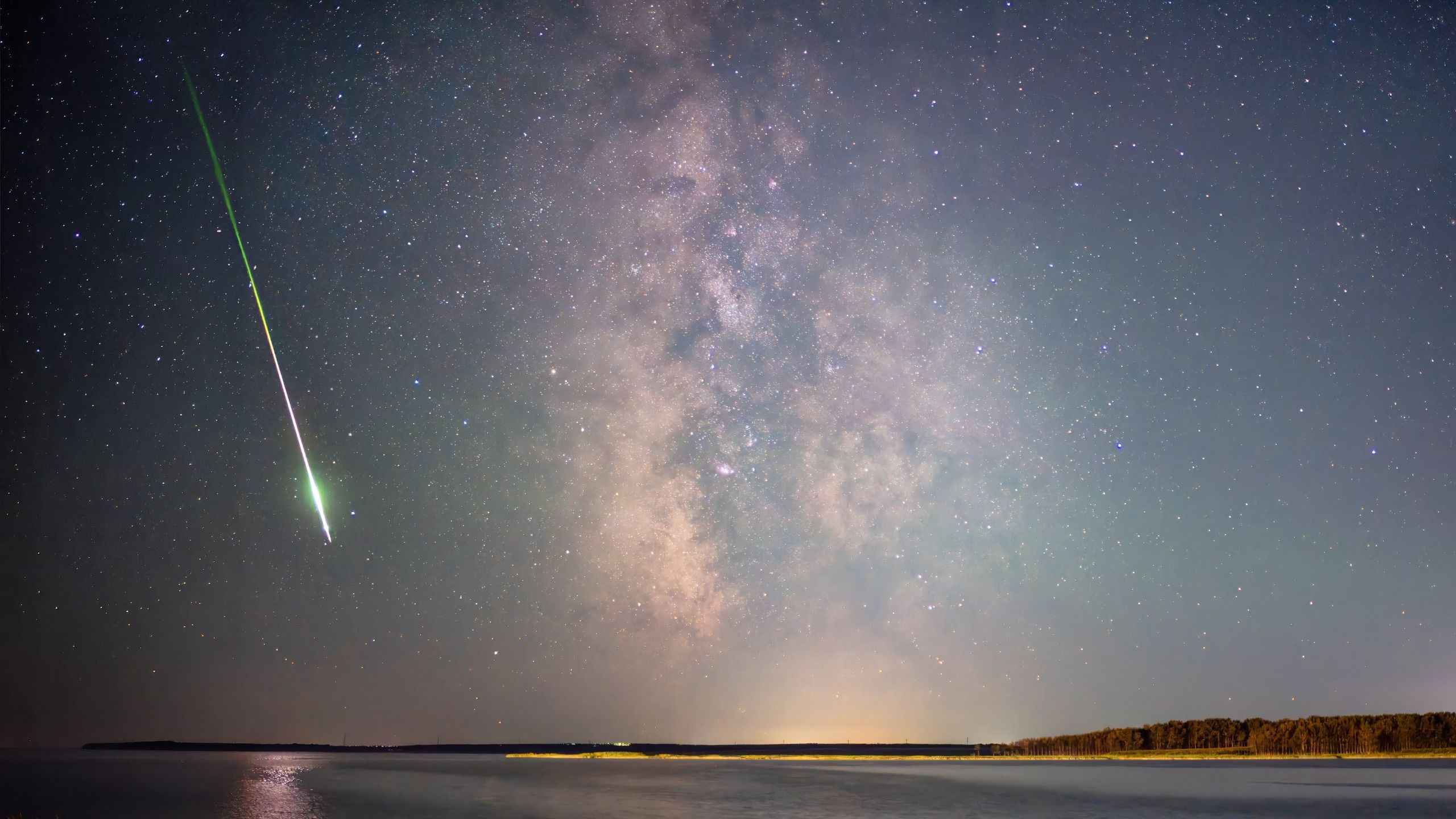
When an object from space—whether a small asteroid, a comet fragment, or artificial space debris—enters the Earth’s atmosphere, it experiences extreme pressure and frictional heating. This leads to ablation and, often, a catastrophic fragmentation event, or "bolide." These events typically occur at altitudes between 20 and 100 kilometers. The kinetic energy released during these airbursts is immense; for context, the 2013 Chelyabinsk meteor release, which caused significant ground damage, was estimated at 400 to 500 kilotons of TNT.
The April 2026 event over the South Atlantic peaked at approximately 90.5 kilometers (roughly 60 miles) in altitude. Unlike historical detections that relied solely on government military sensors—which are often subject to classification restrictions—the availability of civilian satellite data allowed for an unprecedented level of transparency and collaborative scientific inquiry. This data-sharing capability is critical for the global scientific community, as it removes the "black box" nature of orbital surveillance.
Chronology of Recent High-Impact Events
The ability to reconstruct these events has improved exponentially in the last decade. A brief chronology of significant recent incidents underscores the progress in detection and analysis:
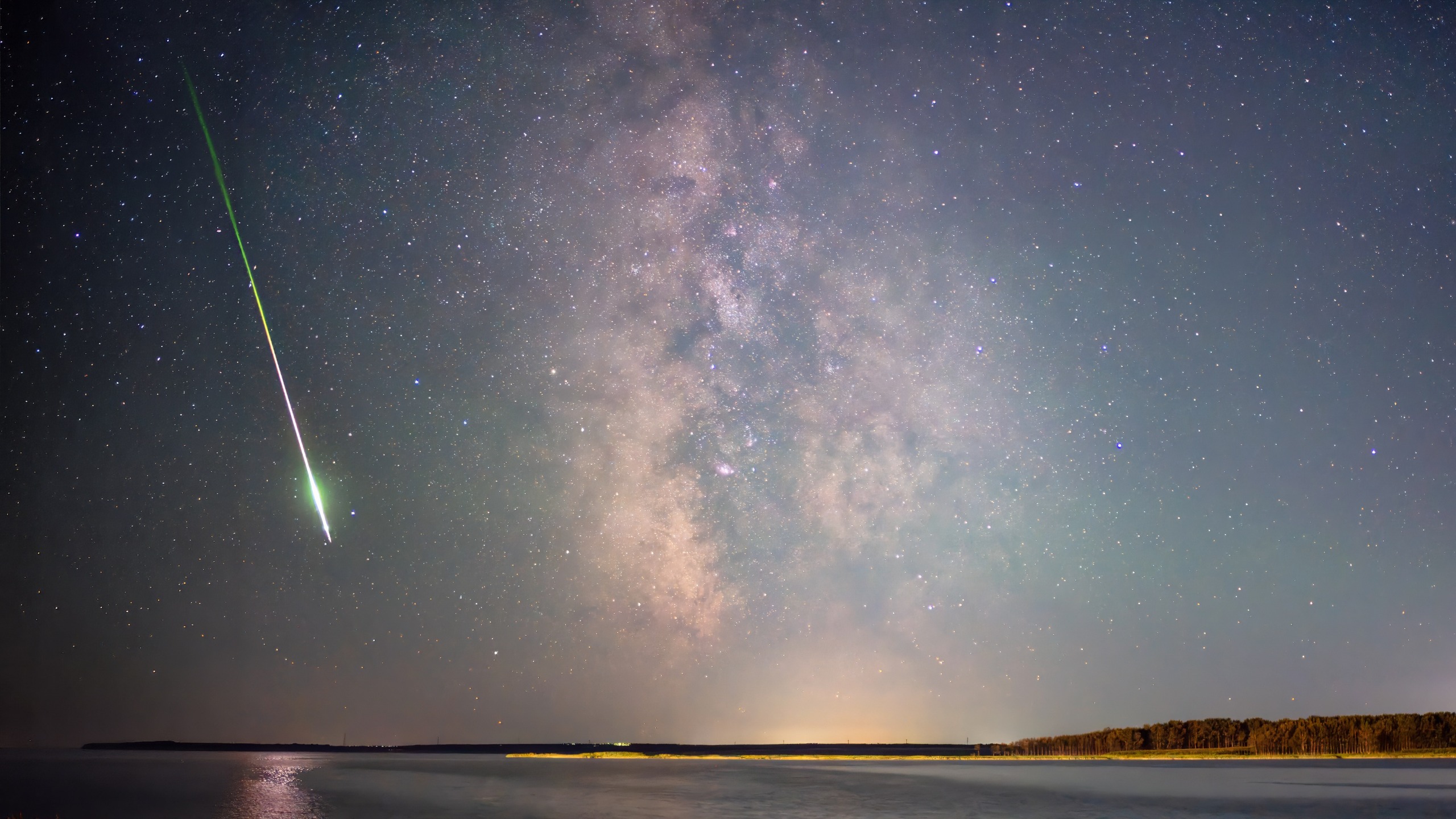
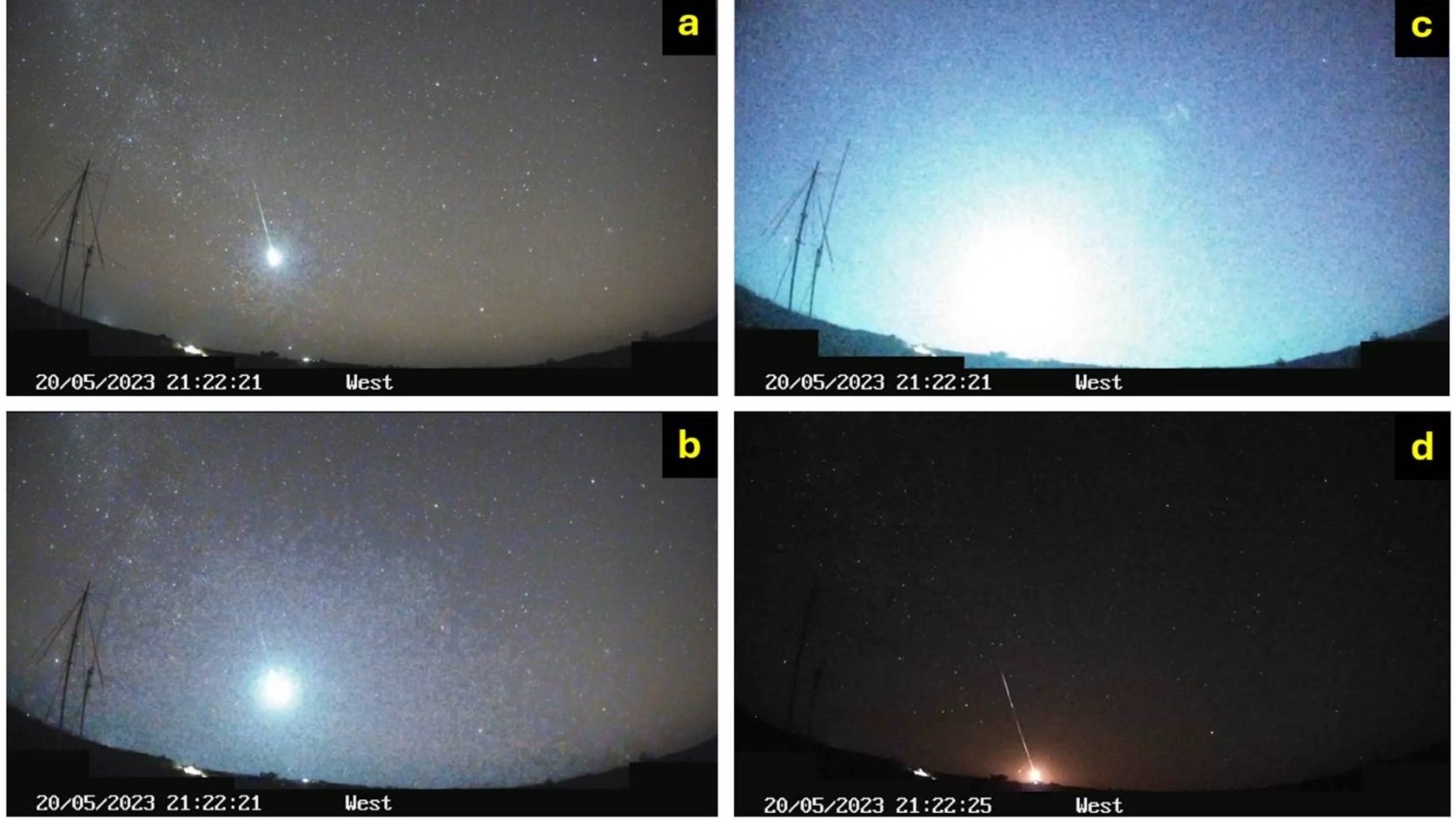
- May 20, 2023: A 3.7-meter (12-foot) wide rock entered the atmosphere over northwest Queensland, Australia. This superbolide produced a blast equivalent to 7.1 kilotons of TNT, making it one of the top 20 most energetic events recorded by NASA’s Center for Near-Earth Object Studies (CNEOS) since 1988.
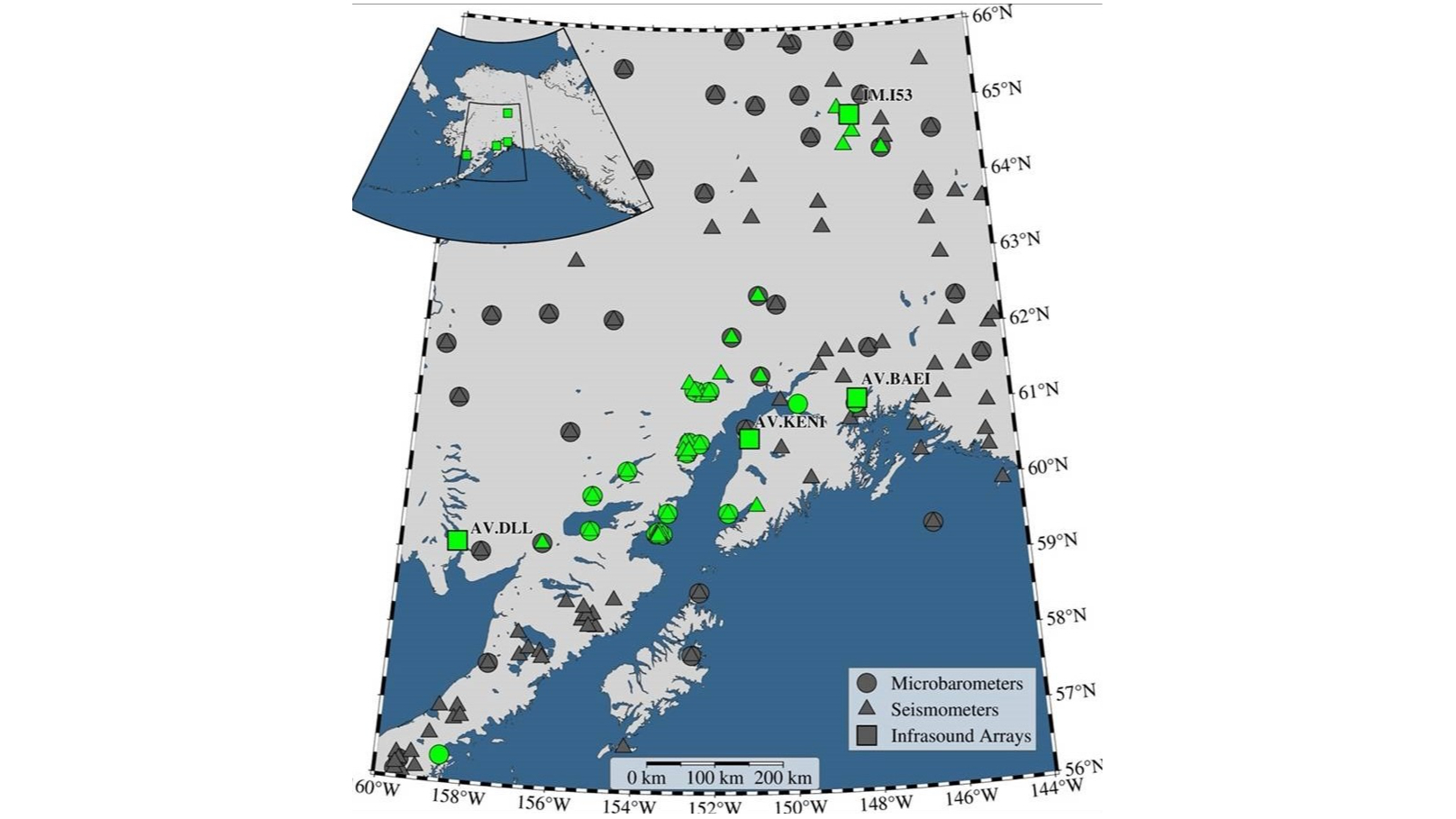
- April 24, 2025: A fireball over south-central Alaska provided one of the most comprehensive "seismoacoustic" datasets in history. Despite being missed by certain U.S. government sensors, the event was reconstructed through a network of 37 seismic stations and 16 infrasound sensors, supplemented by Doppler radar.
- April 1, 2026: The South Atlantic bolide demonstrated the efficacy of geostationary lightning imagers as an opportunistic tool for planetary defense.
The Importance of Complementary Data Streams
The core of modern atmospheric monitoring is the "multi-modal" approach. Elizabeth Silber, a senior research and development physicist at Sandia National Laboratories, notes that no single sensor can provide a complete picture of an atmospheric entry.
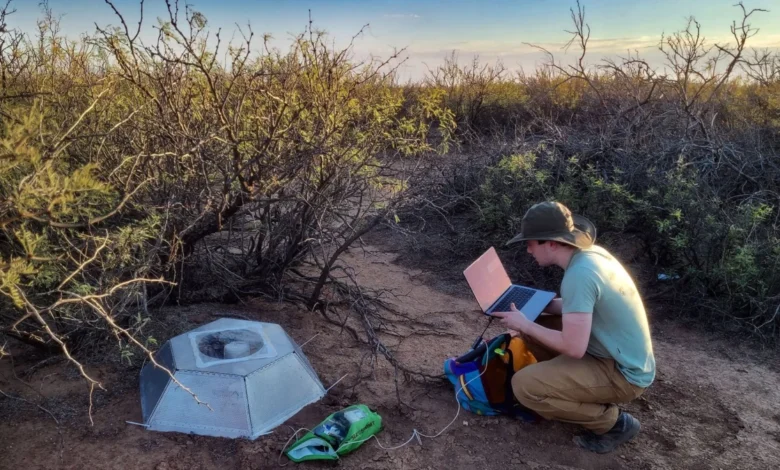
Seismic and infrasound sensors are essential for recording the atmospheric shock waves generated by the bolide’s passage. Because sound waves travel through the atmosphere at predictable speeds, these sensors allow researchers to "triangulate" the location and calculate the total energy released during fragmentation. Optical sensors, such as those on the GOES-E satellite, provide the visual signature of the object’s luminosity, which helps determine its initial size and composition. Finally, Doppler weather radar has emerged as a game-changer; after an object has decelerated and entered the "dark flight" phase of its descent, weather radar can track the resulting debris or "meteorite rain" as it falls toward the surface.
By layering these data sources, scientists can distinguish between a natural bolide and potential human-made debris. This distinction is not merely academic; it is a matter of national and global security.
The Geopolitical Necessity of Detection
One of the most pressing concerns in the planetary defense community is the risk of misinterpretation. Rob Landis, a planetary defense specialist at NASA’s Johnson Space Center, emphasizes that the ability to accurately identify the origin and nature of an atmospheric airburst is vital for international stability.
"It would be a horrific tragedy if any nation responded to a natural event—if they misinterpret it as a preemptive strike," Landis warned. As the density of both natural space rocks and human-made satellites increases, the threshold for ambiguity must be lowered. Transparent, scientifically backed data sharing ensures that governments can verify that an explosion in the sky is the result of a space rock and not a military escalation. This "situational awareness" is a cornerstone of responsible space stewardship.
Strengthening Planetary Defense Frameworks
The CNEOS, headquartered at the Jet Propulsion Laboratory in California, acts as the primary repository for orbital calculations regarding asteroids and comets. However, the mission of planetary defense extends beyond identifying potential impacts years in advance; it requires a deep understanding of what happens when smaller, unpredicted objects breach the atmosphere.
The 2025 Alaska event remains the gold standard for this type of research. Because the event was not captured by traditional military channels, it forced a reliance on civil and scientific networks. The result was a surprisingly robust reconstruction that provided more detail than if the event had been monitored by a single, classified source. This redundancy is the ultimate goal of the planetary defense community. By creating a "safety net" of sensors—including lightning imagers, seismic grids, and amateur optical arrays—researchers can ensure that even unpredicted entries are fully understood.
Implications for the Future
As we look toward the future, the integration of these systems will only become more critical. The rise of "hard rain"—the influx of small but potentially dangerous objects—poses a continuous, albeit manageable, challenge. The shift toward using weather-monitoring infrastructure to serve a secondary function as bolide-detection systems is an example of efficient, dual-use technology.
Furthermore, the data collected from these events is used to validate physical models of atmospheric entry. These models are crucial for designing future planetary defense missions, such as the DART (Double Asteroid Redirection Test) mission, which successfully demonstrated the ability to deflect an asteroid. To effectively deflect a larger threat, we must first understand how smaller, natural objects fragment and dissipate energy upon impact with our gaseous envelope.
Conclusion
The study of bolides has evolved from a niche field of meteoritics into a critical component of global security and planetary science. The events in Alaska, Queensland, and the South Atlantic demonstrate that while we may not be able to predict every fireball that enters our atmosphere, we are increasingly capable of documenting, analyzing, and learning from them. Through the continued collaboration of civilian agencies, academic institutions, and national laboratories, we are building a more resilient, transparent, and informed approach to the hazards of space. In the final analysis, the information gained from these "natural fireworks" does more than just satisfy scientific curiosity; it strengthens the very defenses that keep our planet safe from the unpredictable threats of the cosmos.