With the international community set to converge on Antalya, Turkey, for the COP31 climate summit, the United Kingdom’s delegation finds itself under intense pressure to balance ambitious global advocacy with the practical realities of its own domestic energy policy. UK climate minister Katie White has signaled that the British government will prioritize the latest scientific findings—which she describes as "really scary"—as the bedrock for all negotiations. However, as the UK prepares to lead the "Umbrella Group" of nations at the talks, officials are simultaneously forced to defend recent budgetary decisions and infrastructure approvals that critics argue contradict the country’s net-zero commitments.
A Summer of Climate Extremes
The urgency of the upcoming Antalya summit is underscored by a year of unprecedented climate volatility. Throughout 2026, the global temperature trajectory has continued to trigger extreme weather events, from record-breaking wildfires across Europe to catastrophic flooding in the Himalayas. In the UK, the experience of a blistering summer has shifted the public and political discourse. Minister White acknowledged that the domestic impact of heatwaves—ranging from the strain on emergency services to the disruption of school schedules—has fundamentally changed the perception of climate change. "It isn’t something far off; it’s something we’re living through," White noted, emphasizing that the "shocking" reality of these events must inform the political mandate in Turkey.

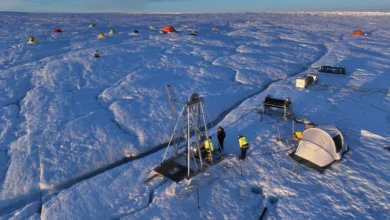
This sentiment aligns with the recent findings from the United Nations Environment Programme (UNEP), which has warned that a temporary overshoot of the 1.5C global warming limit is now virtually unavoidable. The task for delegates in Antalya is no longer merely to prevent warming but to navigate the "overshoot" while aggressively cutting emissions to return to safe levels.
The COP31 Agenda: Electrification and Global Action
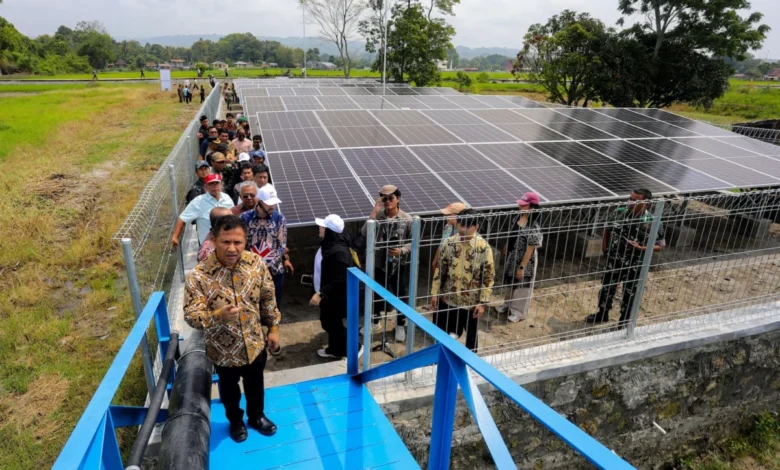
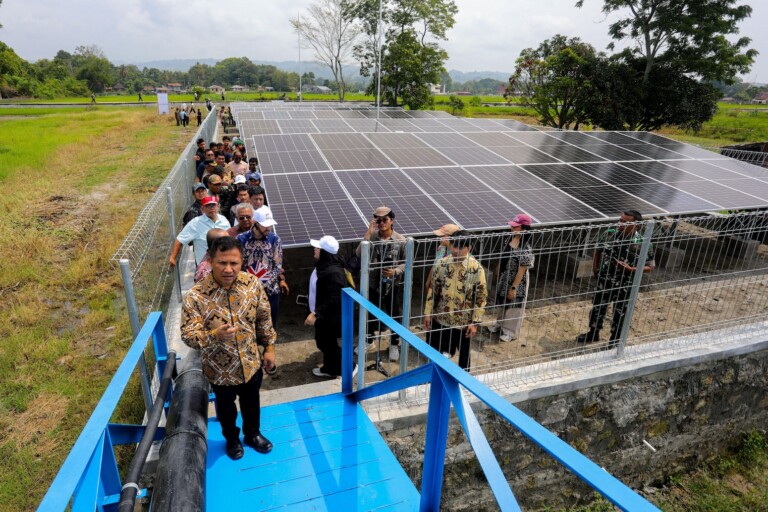
The Turkish presidency of COP31 has identified "electrification" as a primary pillar of the summit’s action agenda. The proposal to set a global target for 35% of final energy consumption to be sourced from electricity by 2035 represents a significant shift toward system-wide decarbonization. For the UK, this is a target that resonates with current government priorities. Minister White pointed to the surge in domestic uptake of heat pumps, electric vehicles (EVs), and solar installations as evidence that the transition is gathering pace.
"We need to be pulling down on that and increasing demand to make sure that we take full advantage of the clean electricity that we have," White explained. The government views this not only as a climate necessity but as a consumer benefit, arguing that a more electrified grid will ultimately stabilize energy bills and reduce the UK’s susceptibility to volatile global fossil fuel markets, a vulnerability exposed by the ongoing Middle East conflict.

Domestic Policy Under the Microscope
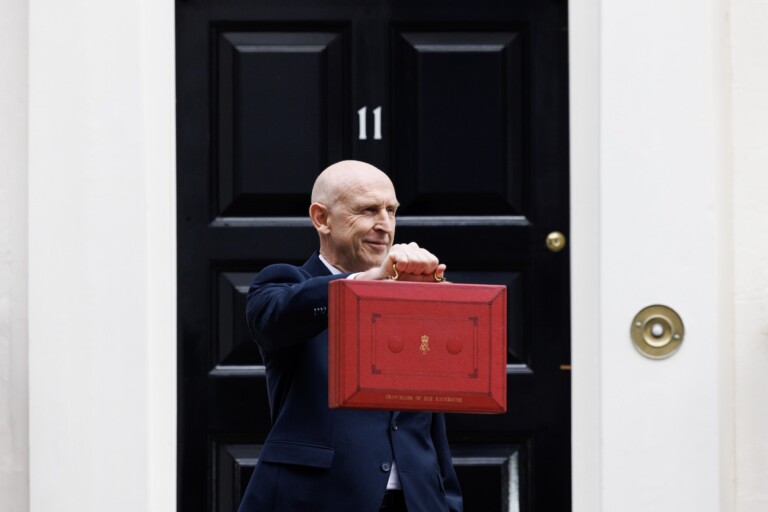
Despite the government’s international rhetoric, the UK’s domestic path to net-zero is facing significant headwinds. Following the latest budget delivered by Chancellor John Healey, questions have surfaced regarding the government’s commitment to its 2030 clean power targets. Critics point to the reduction in subsidies for heat pumps and the softening of zero-emission vehicle mandates as signs that the government is prioritizing short-term affordability over long-term climate stability.
Furthermore, the government’s approval of the Jackdaw gas field in the North Sea has drawn sharp criticism from environmental advocacy groups. While the UK government maintains that the project is "fully in line" with its carbon budgets—arguing that domestic gas production is more efficient than importing liquefied natural gas—the decision has complicated the UK’s position on the global stage. International partners and developing nations, who look to the UK as a historical leader in climate policy, have expressed concerns that these actions undermine the global push to transition away from fossil fuels.
The Climate Finance Challenge
Financial commitments remain a point of friction. The UK has pledged £6 billion in climate finance over the next three years, a figure that has been met with scrutiny. While the government highlights this as a significant investment, analysts note that it represents a reduction in annual spending compared to the previous £11.6 billion five-year package.
Minister White defended the funding level, emphasizing the importance of "credible" and "predictable" aid. "We delivered absolutely every bit of [the previous pledge]," she asserted, noting that the focus is now on mobilizing private capital and exploring innovative mechanisms like the Tropical Forest Forever Fund (TFFF). The challenge for the UK in Antalya will be to convince climate-vulnerable nations that its financial support is sufficient to meet the escalating costs of adaptation and mitigation, particularly in the face of domestic budgetary constraints.
The Role of Science in Negotiations
A critical, albeit technical, debate heading into COP31 concerns the timeline for the next Intergovernmental Panel on Climate Change (IPCC) assessment report. There is currently a push by several nations to delay the publication of this report, a move that would effectively decouple it from the next Global Stocktake under the Paris Agreement. The UK is actively lobbying against this delay, arguing that the IPCC remains the gold standard for climate science and that negotiations must be evidence-based.
"The science is fundamental and key," White stated. "The more we can align that together, the better." The UK’s insistence on aligning the scientific timeline with political milestones reflects a broader strategy to maintain the integrity of the Paris Agreement, ensuring that policy decisions are grounded in the latest projections of global warming.
Strategic Implications and Future Outlook
As the UK prepares to lead the Umbrella Group, its influence in Antalya will depend on its ability to reconcile its domestic energy evolution with its international climate promises. The "natural evolution" of policy, as described by the government, seeks to optimize existing infrastructure while maintaining a "steadfast" commitment to the 2050 net-zero target. However, the political environment is fraught with complexity.
The UK is attempting to transition from a phase of setting ambitious headline targets to a phase of "delivery." This transition is inherently more difficult, as it involves making trade-offs between affordability, security, and environmental protection. The success of the COP31 summit will likely hinge on whether nations like the UK can demonstrate that these competing interests can be managed within a single, coherent framework.
As the delegation arrives in Turkey, they carry the weight of both global expectations and local economic anxieties. With the world facing an inevitable overshoot of the 1.5C target, the conversations in Antalya will be less about abstract goals and more about the mechanics of survival and systemic change. Whether the UK can maintain its status as a climate leader will depend on its ability to prove that its "next chapter" of policy is as robust as the one that preceded it.
Summary of Key Issues
- Scientific Urgency: UNEP warnings regarding a 1.5C overshoot have intensified the pressure on COP31 delegates to focus on rapid decarbonization.
- Electrification Targets: The Turkish presidency’s push for a 35% global electrification target by 2035 is a central negotiation point.
- UK Domestic Policy: Recent budget cuts to clean energy subsidies and the approval of North Sea drilling projects have created skepticism regarding the UK’s 2030 climate goals.
- Climate Finance: The move from an £11.6bn five-year package to a £6bn three-year package requires the UK to prove it remains a "credible" donor to developing nations.
- The IPCC Timeline: The UK is pushing for the next IPCC assessment to align with the Paris Agreement’s global stocktake to ensure negotiations remain rooted in the best available science.
In the final assessment, the UK’s performance at COP31 will be measured by its ability to navigate these competing demands. With eyes on the "cover decision" and the broader action agenda, the world will be watching to see if the UK can turn its rhetoric on "really scary science" into tangible, deliverable policy that withstands the scrutiny of both its allies and its critics.