Daily Consumption of Mango and Avocado May Significantly Enhance Cardiovascular Health and Blood Vessel Function in Prediabetic Populations

New clinical research originating from the Illinois Institute of Technology (Illinois Tech) indicates that a simple, non-restrictive dietary intervention—specifically the daily intake of Hass avocados and fresh mangoes—may offer a substantial protective effect on the cardiovascular systems of individuals living with prediabetes. The findings, published in the Journal of the American Heart Association, arrive at a critical juncture in public health, as nearly 98 million American adults, or roughly one in three, currently navigate the risks associated with prediabetes. This condition, characterized by blood glucose levels that are higher than normal but not yet high enough for a type 2 diabetes diagnosis, serves as a major precursor to heart disease and metabolic syndrome.
The eight-week study suggests that adding these nutrient-dense fruits to a standard diet can improve endothelial function and blood pressure regulation without the necessity of caloric restriction or weight loss. This evidence challenges the conventional reliance on aggressive calorie-cutting protocols as the primary mechanism for improving metabolic health, suggesting instead that the chemical composition of the food itself plays a more nuanced role in cardiovascular maintenance.
Chronology and Methodology of the Clinical Trial
The investigation, conducted by a team at Illinois Tech, spanned a two-month period during which researchers monitored 82 participants. These individuals, aged 25 to 60, were specifically selected for their shared diagnosis of prediabetes and their status as having overweight or obesity, defined by a body mass index (BMI) ranging between 25 and 35 kg/m².
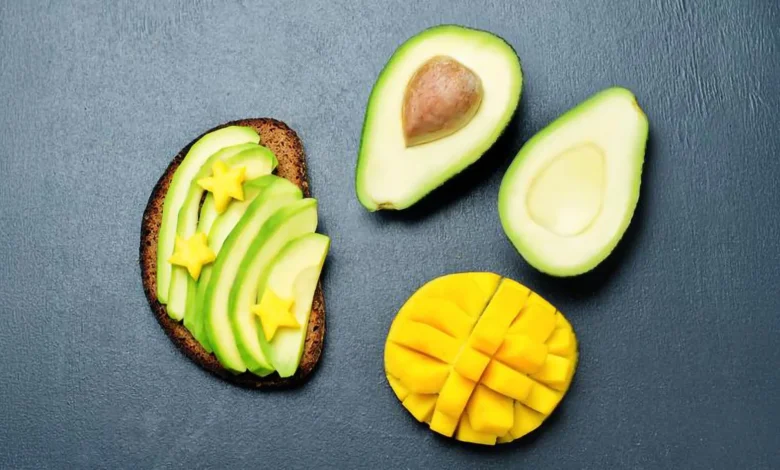
The study design employed a controlled, parallel-group methodology. To ensure the accuracy of the nutritional intake, researchers prepared and provided 75% of the daily caloric requirements for all participants. The experimental group was assigned an "Avocado-Mango" (AM) diet, which mandated the consumption of one medium Hass avocado and one cup of fresh mango every day. Conversely, the control group followed a diet that substituted these fruits with carbohydrate-based snacks of equivalent caloric value.
By the end of the eight-week period, the team utilized noninvasive clinical testing to measure the physiological impact of these dietary patterns. The primary metric was flow-mediated dilation (FMD), a gold-standard diagnostic procedure used to assess the health of the endothelium—the delicate inner lining of the blood vessels. This test measures how effectively arteries can expand and contract, a critical factor in maintaining healthy blood flow and preventing hypertension.
Empirical Data and Cardiovascular Outcomes
The divergence in health outcomes between the two groups was significant. Among the participants who consumed the avocado and mango combination, FMD measurements increased by an average of 6.7%. In stark contrast, the control group experienced a decline in FMD to 4.6%. This delta suggests that the regular inclusion of these fruits may actively support the structural integrity and flexibility of the vascular system.
Furthermore, blood pressure readings provided additional evidence of the benefits of this dietary strategy. Among male participants, those in the control group saw an average increase of 5 points (mmHg) in central blood pressure. Conversely, men in the intervention group experienced a reduction of approximately 1.9 points. While these numbers may appear modest in isolation, researchers noted that such differences are clinically significant when sustained over time, as they directly reduce the workload on the heart and decrease the risk of arterial strain.
Beyond vascular metrics, the research team identified positive shifts in kidney function, specifically regarding the estimated glomerular filtration rate (eGFR). This indicator, which measures the kidneys’ ability to filter waste, showed improvement in the AM group, hinting at a systemic benefit beyond the heart. It is noteworthy that these physiological improvements occurred in the absence of any meaningful change in participant weight or total energy expenditure, reinforcing the idea that the quality of dietary intake—the "nutrient density" of the food—is a primary driver of health, independent of caloric surplus or deficit.
Nutritional Synergy: The Role of Fiber, Fat, and Antioxidants
The health benefits observed in the study are likely attributable to the specific nutrient profiles of the two fruits, which, while distinct, appear to work in concert to support metabolic health.
Mangoes serve as a potent source of vitamin C, providing approximately 50% of the daily recommended value per serving. Vitamin C functions as a powerful antioxidant, mitigating oxidative stress within the body. When coupled with the dietary fiber found in mangoes (roughly 7% of the daily value), these nutrients may assist in blood sugar regulation and digestive efficiency.
Avocados complement this profile by providing essential monounsaturated fats, which are widely recognized for their ability to lower LDL (bad) cholesterol levels when substituted for saturated or trans fats. Furthermore, the potassium content in avocados—roughly 6% of the daily value—is vital for the regulation of blood pressure. The combination of these components—fiber, antioxidants, unsaturated fats, and potassium—creates a robust nutritional profile that targets multiple pathways of cardiovascular health simultaneously.
Expert Perspectives and Implications for Public Health
Dr. Britt Burton-Freeman, the study’s Principal Investigator and a Professor at Illinois Tech, emphasized the shift in perspective these findings represent for public health strategy. "This research reinforces the power of food-first strategies to help reduce cardiovascular disease risk, particularly in vulnerable populations," Dr. Burton-Freeman stated. She highlighted the feasibility of the intervention, noting that the goal is not to impose "strict rules or major dietary overhauls," but rather to encourage the inclusion of nutrient-dense additions that are easy to incorporate into daily snacks or meals.
This "food-first" approach is particularly relevant for the American public, where dietary adherence is a frequent barrier to success in chronic disease management. By focusing on addition—adding healthy foods rather than subtracting foods from a diet—the intervention may be more sustainable for patients who struggle with the psychological strain of traditional, restrictive diets.
Broader Context and Future Research Directions
While the study’s results are promising, the research team remains cautious, acknowledging that the intervention lasted only eight weeks. The long-term durability of these improvements—specifically whether they would persist over several years or lead to a measurable reduction in major adverse cardiovascular events like heart attacks or strokes—remains a question for future longitudinal studies.
Moreover, the study did not specifically parse whether the benefits were derived from the synergy of the two fruits or if they could be achieved by consuming them in isolation. This remains a key area for further inquiry. The current findings also focused on a specific demographic—adults with prediabetes and overweight or obesity—meaning the results may not be generalizable to the entire population.
The study, which received an unrestricted grant from the National Mango Board and the Hass Avocado Board, was designed with strict protocols to avoid bias. The funders played no role in the study’s design, data analysis, or the subsequent publication of the findings, ensuring the independence of the scientific conclusions.
Integrating Nutrient-Dense Foods into Daily Life
The research highlights the practical application of nutritional science, suggesting that the culinary versatility of mangoes and avocados makes them ideal candidates for dietary improvement. Because they can be easily integrated into salads, grain bowls, smoothies, or even as stand-alone snacks, the barrier to entry for patients is low.
As health systems continue to struggle with the rising tide of type 2 diabetes and heart disease, the ability to offer simple, evidence-based nutritional advice is paramount. While this study does not suggest that fruit consumption is a panacea, it does provide a compelling argument for the inclusion of whole foods in the management of cardiovascular risk. By focusing on the biological impact of specific dietary components, the medical community may be better equipped to provide personalized, manageable strategies for patients, ultimately moving away from "one-size-fits-all" weight loss recommendations and toward a more sophisticated understanding of how distinct foods impact human physiology.
As the scientific community looks toward more extensive trials, the current findings offer a beacon of hope: even amidst the chronic conditions associated with modern, processed diets, small, incremental, and nutrient-rich changes can provide significant protection to the cardiovascular system, potentially altering the trajectory of chronic disease for millions of individuals.