The historic heart of Krakow was plunged into mourning on Saturday following a horrific shooting spree that left six people dead and at least 15 others wounded. The attack, which unfolded in the city’s iconic Main Market Square, a UNESCO World Heritage site and a bustling hub for international tourists, has sent shockwaves across Poland and drawn condemnation from global leaders.
According to Polish police chief Marek Boron, the fatalities include four women and two men. Among the deceased, authorities have confirmed one British national, while three others have been identified as Polish citizens. The remaining two victims have yet to be formally identified, as forensic teams continue their work at the scene. Among the injured, officials have reported a diverse demographic, including at least five foreign nationals—among them a Portuguese woman—highlighting the international impact of this tragedy on one of Europe’s most visited cities.
A Timeline of the Attack
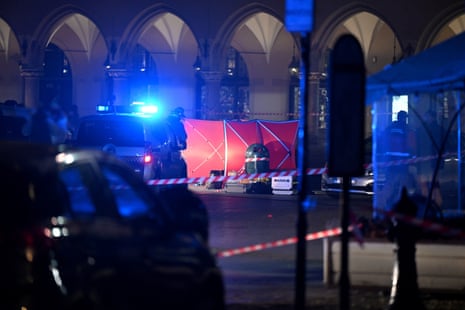
The violence began at approximately 3:00 pm CET (2:00 pm GMT). According to eyewitness accounts and official police statements, a 25-year-old male suspect entered the Main Market Square in a vehicle, firing indiscriminately at pedestrians.
The scene quickly devolved into chaos. Witnesses described a dark car suddenly appearing, with the driver firing from the window. Julek, a 67-year-old local who narrowly avoided the path of the vehicle, noted the randomness and speed of the assault. Another witness, identified as Konrad, reported seeing smoke emanating from the driver’s side window before fleeing to a nearby police station, which he found crowded with terrified bystanders seeking shelter.

Police response was rapid. Officers engaged the assailant, who was subsequently shot and wounded during the confrontation. The perpetrator was apprehended and is currently being treated in a hospital under heavy guard. Law enforcement officials have explicitly denied rumors circulating on social media regarding additional suspects or a wider conspiracy, confirming that the attacker acted alone.
Investigative Leads: The Far-Right Connection
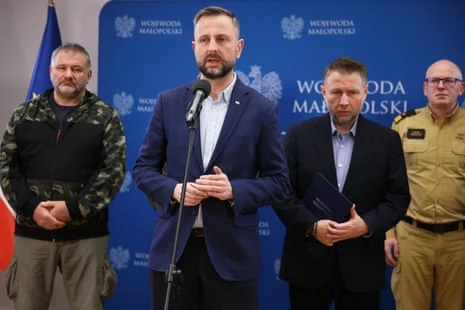
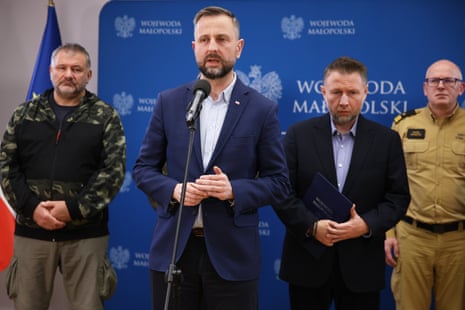
Interior Minister Marcin Kierwinski confirmed during a briefing that the investigation has taken a somber turn, with evidence suggesting the gunman was motivated by far-right ideology. While the full scope of the suspect’s radicalization remains under investigation, the involvement of Poland’s Internal Security Agency (ABW) underscores the gravity with which the government is treating the case.
"Everything points to the fact that the shooter was influenced by far-right ideology, a matter that will also be subject to investigation," Kierwinski stated. Authorities are currently scouring the suspect’s residence and digital footprint to determine if there were prior indicators of violence or affiliation with extremist groups. The use of an AR-15 rifle—a weapon that, while legal under specific licensing in Poland, is subject to rigorous vetting—has prompted immediate questions regarding current firearms regulations and how the suspect obtained his license.
Government Response and Public Order
Prime Minister Donald Tusk has been at the forefront of the government’s response, receiving hourly updates from the Ministry of the Interior. In a public statement, Tusk expressed his deepest condolences to the families of the victims and praised the "heroic" actions of the police officers who risked their lives to neutralize the threat.
Crucially, Tusk issued a stern appeal to the political class, urging them to refrain from exploiting the tragedy for political gain. "We will establish all the circumstances of this crime," he pledged. Justice Minister Waldemar Zurek echoed this sentiment, emphasizing that the state would ensure the perpetrator is "severely punished."
In a show of solidarity and mourning, the Mayor of Krakow, Lukasz Gibala, has declared a period of official mourning throughout the city until Wednesday. Despite the horror, Gibala remains defiant about the city’s resilience. "The square will belong to us again," he declared in a video address to the public, signaling a determination to prevent the attack from permanently scarring the cultural life of the city.
Broader Implications and Safety Concerns
The attack in Krakow is particularly alarming due to its location. As a primary tourist destination, the Main Market Square is symbolic of Poland’s integration into the European tourism economy. The targeting of civilians in such a high-traffic public space mirrors tactics seen in previous European terrorist incidents, prompting an immediate review of security protocols in major Polish cities.
Furthermore, the revelation that the suspect is a Polish national highlights the growing concern regarding domestic radicalization within the country. While Poland has historically maintained relatively low levels of firearm-related violence compared to the United States, the prevalence of semi-automatic weapons in private hands has become a point of contention. The use of an AR-15 in this attack is likely to reignite a national debate over the criteria for gun ownership, particularly for individuals who may harbor extremist views.
The incident also raises questions regarding the psychological screening of firearm license applicants. While defense minister Wladyslaw Kosiniak-Kamysz was quick to clarify that the suspect had no ties to the Polish Armed Forces, the ease with which the assailant acquired a high-powered rifle will be a central focus of the legislative and police inquiries.
Societal Resilience in the Wake of Trauma
The city of Krakow, often described as the cultural capital of Poland, now faces the difficult task of balancing security with its identity as an open, welcoming city. The presence of five foreign nationals among the wounded underscores that this was not merely a local crime but an event with international consequences. Embassies and consular services for the affected countries are currently working closely with Polish authorities to provide support to the victims and their families.
As the investigation proceeds, the focus will shift to how the suspect managed to operate undetected. The involvement of the Internal Security Agency suggests that authorities may be looking for potential connections to wider extremist networks or online radicalization forums. In the coming days, international observers will be watching closely to see how Poland addresses the ideological roots of the attack and whether this leads to significant policy shifts regarding hate speech, surveillance, or firearm control.
For now, the people of Krakow are left to grapple with the loss of six lives. Candlelight vigils are expected to be held in the Main Market Square as the city enters its period of mourning. The tragedy has served as a grim reminder of the vulnerability of public spaces in modern society and the persistent threat posed by extremist ideologies. As the police continue to secure the evidence and process the crime scene, the message from both the national government and local authorities remains clear: the rule of law will prevail, and the perpetrator will be held to the highest account allowed under the Polish justice system.
The coming days will be critical as more details regarding the victim identities and the suspect’s background emerge. For a city that prides itself on its history, architecture, and peaceful atmosphere, Saturday’s events represent an unprecedented challenge to the collective sense of safety. The resilience of the Polish state and the people of Krakow will be tested as they navigate the aftermath of this senseless act of violence.