Toyota Triples Down on Electric Vehicles: A Comprehensive Guide to the 2027 bZ, C-HR, and bZ Woodland Lineup

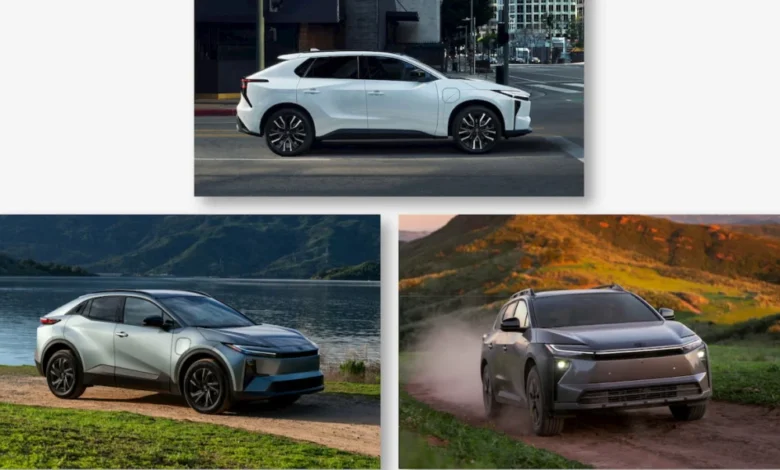
The automotive landscape is undergoing a monumental shift, and legacy manufacturers that were once slow to adopt battery-electric vehicle (BEV) architectures are rapidly accelerating their transition. Toyota Motor Corporation, long criticized by purists and environmental groups for its heavy reliance on hybrid and hydrogen technologies rather than pure battery-electric cars, has firmly cemented its place as a dominant player in the American EV market. Following the successful mid-decade refresh of its core electric crossover, Toyota has rapidly expanded its portfolio to include three distinct, fully electric SUVs designed to cater to vastly different consumer segments: the mainstream bZ, the sporty C-HR, and the rugged, adventure-ready bZ Woodland.
This strategic expansion has completely transformed Toyota’s market standing. According to comprehensive data from Cox Automotive for the third quarter, Toyota has surged to become the third most popular electric vehicle brand in the United States, trailing only market stalwarts Tesla and Rivian. Overall, Toyota’s EV sales have nearly tripled year-over-year. This commercial momentum is anchored primarily by the core bZ model—formerly known as the bZ4X—which claimed the position of the fourth-best-selling electric vehicle in the United States through the first three quarters, sitting just behind high-volume leaders like the Hyundai IONIQ 5, Tesla Model 3, and Tesla Model Y.
As dealerships begin welcoming the expanded 2027 lineup, prospective buyers are presented with a diverse array of options. Each vehicle utilizes dedicated EV architecture, modern battery technologies, and standardized North American Charging Standard (NACS) ports for seamless access to high-speed public charging networks. Understanding how these three models compare in price, specifications, capability, and interior design is essential for consumers navigating the rapidly evolving electric vehicle marketplace.
The Evolution of Toyota’s EV Strategy: Background and Timeline

Toyota’s current commercial success in the all-electric sector represents the culmination of a multi-year pivot. When the Japanese automaker originally entered the dedicated battery-electric space with its first-generation global platform, market reception was mixed. Critics pointed to conservative range estimates, slow charging speeds, and rigid pricing structures that struggled to compete against aggressive pricing cuts from Tesla and rapid feature innovation from Korean competitors like Hyundai and Kia.
Recognizing the need for a comprehensive overhaul, Toyota executives initiated a major product cadence update. In late 2025, the company introduced heavily revised iterations of its foundational electric crossover, dropping the convoluted alphanumeric nomenclature in favor of a streamlined identity simply known as the bZ. This refresh introduced higher-capacity battery packs, drastically improved thermal management systems, native NACS integration, and significantly revised pricing to capture broader federal and state tax incentive brackets.
Building on the renewed momentum of the core bZ, Toyota leveraged its flexible e-TNGA architecture to rapidly prototype and launch two specialized sibling vehicles: the lifestyle-oriented C-HR coupe-SUV and the larger, more utilitarian bZ Woodland. By diversifying its portfolio from a single offering into a robust family of three distinct electric SUVs, Toyota successfully captured multiple consumer demographics simultaneously—from budget-conscious daily commuters and urban professionals to outdoor enthusiasts requiring increased ground clearance and towing utility. Industry analysts have noted that this diversification was crucial for insulating Toyota against plateauing adoption rates in the sedan and standard crossover segments, directly driving the nearly threefold increase in quarterly EV deliveries.
The Core Daily Driver: 2027 Toyota bZ
At the heart of Toyota’s electric lineup sits the 2027 Toyota bZ, a versatile, tech-forward crossover designed to serve as an accessible entry point into zero-emission mobility. Positioned as an everyday driver, the bZ balances efficiency, interior space, and competitive pricing.
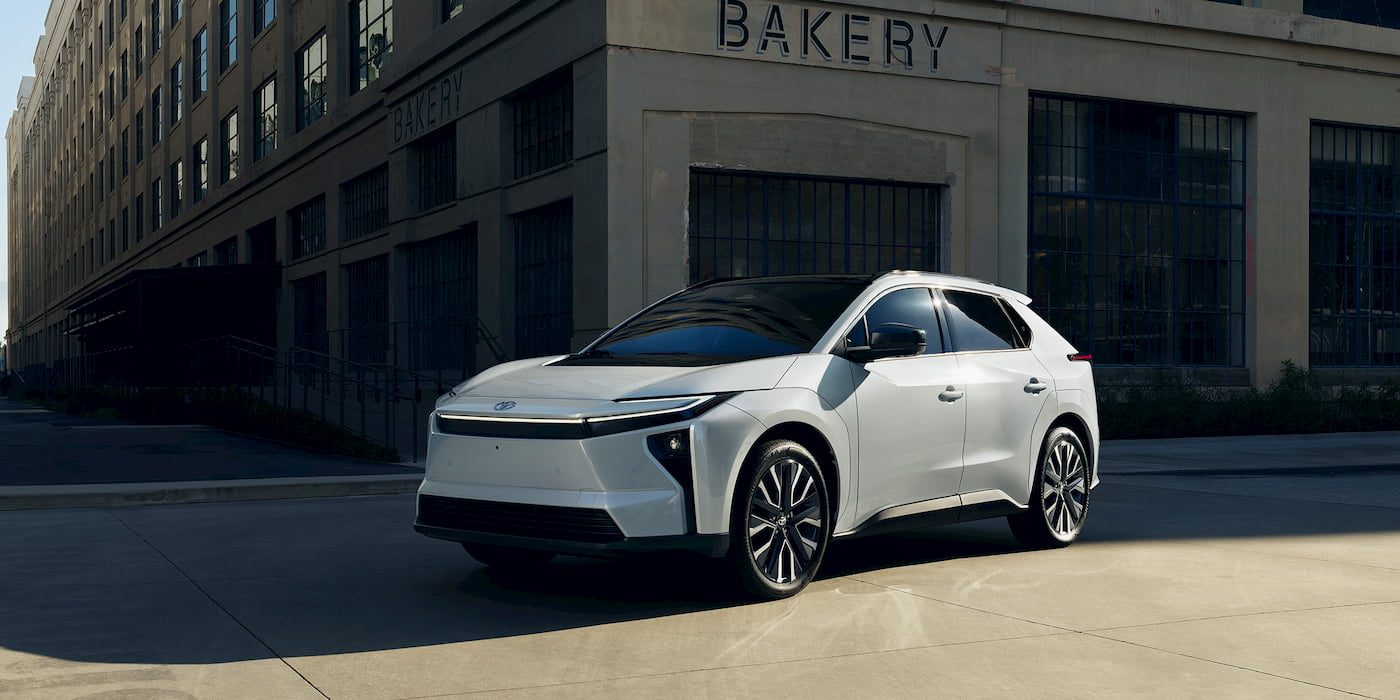
The entry-level pricing for the 2027 bZ starts at $34,980 for the XLE Front-Wheel Drive (FWD) variant. When factoring in the mandatory $1,595 delivery, processing, and handling (DPH) fee, the actual starting sticker price is $36,576. This base model is equipped with a 57.7 kWh battery pack that delivers an EPA-estimated driving range of up to 236 miles on a single charge.
For consumers requiring greater flexibility for long-distance travel, Toyota offers the FWD Plus model, which introduces a larger 74.7 kWh battery pack. This configuration stretches the EPA-estimated driving range to an impressive 314 miles, with a starting price of $37,980 before delivery fees. Furthermore, shoppers seeking all-weather traction can opt for dual-motor All-Wheel Drive (AWD) configurations. The XLE AWD variant utilizes the 74.7 kWh battery to provide 288 miles of range starting at $39,980, while the range-topping Limited trims offer luxury appointments at higher price points:
- XLE FWD (57.7 kWh, 236 miles range, 165 hp): $34,980
- XLE FWD Plus (74.7 kWh, 314 miles range, 221 hp): $37,980
- XLE AWD (74.7 kWh, 288 miles range, 338 hp combined): $39,980
- Limited FWD (74.7 kWh, 299 miles range, 221 hp): $43,380
- Limited AWD (74.7 kWh, 278 miles range, 338 hp combined): $45,380
(Note: All listed prices exclude the standard $1,595 DPH fee).
In terms of charging infrastructure, the 2027 bZ features a factory-integrated NACS charging port. This hardware update allows owners to plug directly into Tesla Supercharger stations without needing third-party adapters, significantly easing long-distance road trips. Toyota estimates that utilizing high-output DC fast chargers enables the vehicle to replenish its battery from 10% to 80% capacity in approximately 30 minutes.
The interior cabin of the bZ reflects a major technological overhaul. Drivers are greeted by a customizable 7-inch LCD Multi-Information Display (MID) paired with a sweeping 14-inch Toyota Audio Multimedia touchscreen interface. The system supports wireless Apple CarPlay and Android Auto natively, reducing cable clutter and ensuring a modern user experience. With up to 56.9 cubic feet of rear cargo capacity with the rear seats stowed, the bZ successfully meets the spatial demands of small families and urban commuters alike.
Rugged Utility: 2027 Toyota bZ Woodland
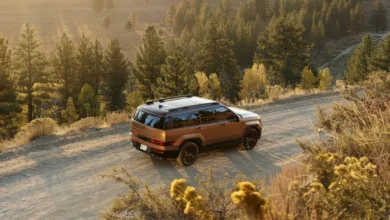
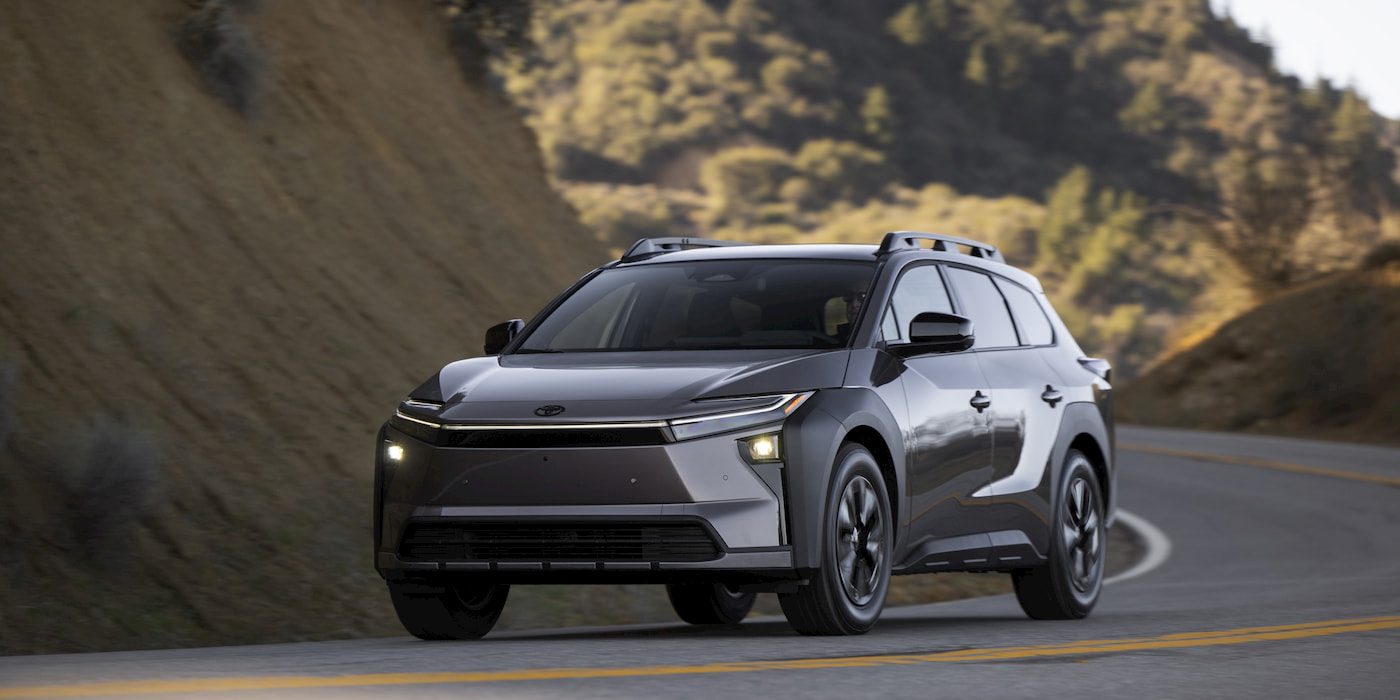
For drivers whose lifestyles extend beyond paved city streets and well-maintained highways, Toyota developed the 2027 Toyota bZ Woodland. Engineered as a more rugged, utilitarian alternative to the standard crossover, the Woodland addresses demands for greater passenger room, increased ground clearance, and enhanced towing capabilities.
The bZ Woodland is built on an extended footprint, measuring six inches longer than the standard bZ. This elongated body translates directly into enhanced interior volume, offering up to 74.3 cubic feet of maximum storage capacity compared to the standard model’s 67.1 cubic feet.
Performance-wise, the Woodland comes standard with a robust dual-motor all-wheel-drive system paired with Toyota’s advanced X-Mode control system, designed to optimize traction on loose gravel, mud, and snow. This powertrain generates a combined 375 horsepower—making it the most powerful electric vehicle currently offered in Toyota’s global lineup.
The vehicle features an assertive, upright posture highlighted by 8.3 inches of ground clearance and a certified towing capacity of up to 3,500 pounds. However, these rugged attributes introduce aerodynamic and weight trade-offs. While the Woodland utilizes the same 74.7 kWh battery pack found in higher-tier bZ models, its EPA-estimated driving range is adjusted downward to 281 miles in standard form. Opting for aggressive all-terrain tires further reduces the operational range to approximately 260 miles per charge.

The 2027 bZ Woodland is offered in two comprehensive trim levels:
- Base Woodland: $45,380
- Woodland Premium: $47,480
(Prices exclude the $1,595 delivery fee).
Standard equipment across all Woodland variants includes robust roof rails for cargo management, dual Qi-capable wireless smartphone chargers, heated front seats, a heated steering wheel, and digital key compatibility that transforms a smartphone into the primary vehicle key. Like its stablemates, the Woodland includes a native NACS port capable of 10% to 80% fast charging in roughly 30 minutes.
Sporty and Sleek: 2027 Toyota C-HR
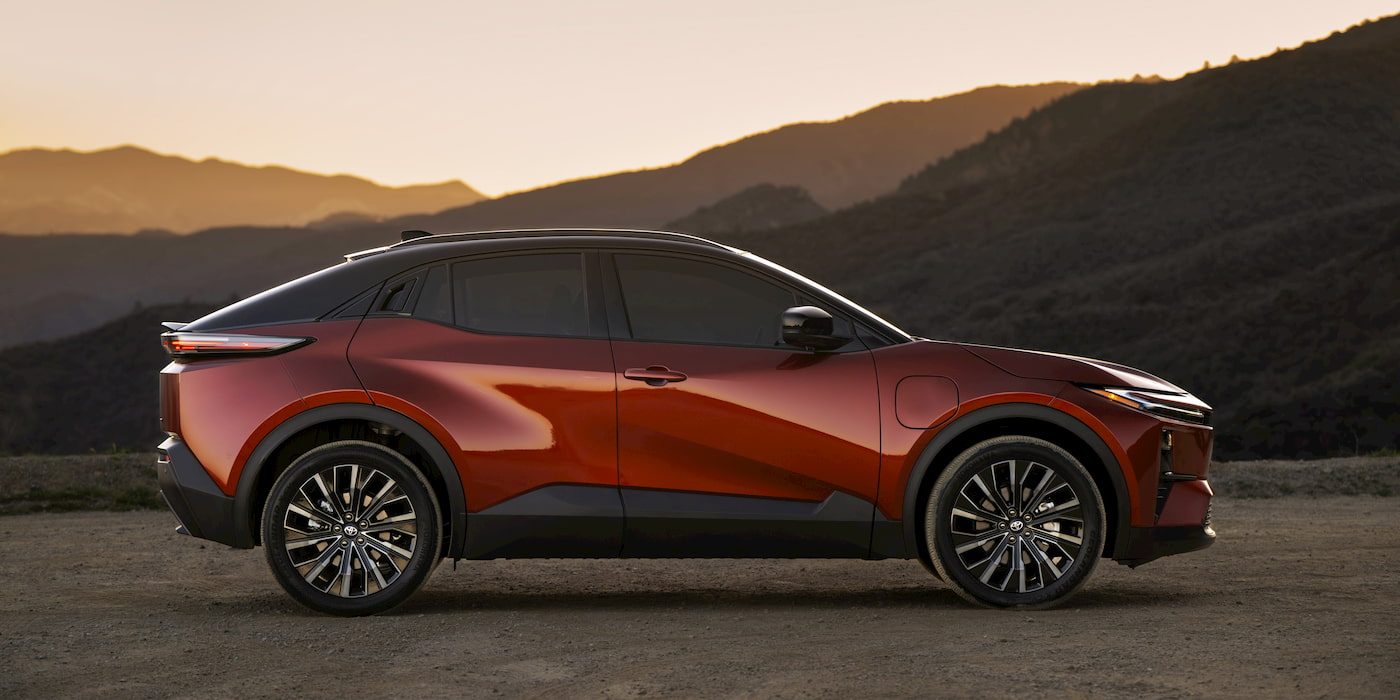
Rounding out Toyota’s electric trio is the 2027 Toyota C-HR, a vehicle that reinterprets the brand’s popular compact crossover design language into a sleek, coupe-like athletic silhouette. Aimed at younger buyers and design-conscious urbanites, the C-HR prioritizes dynamic styling and agile road manners without sacrificing core EV utility.
The 2027 Toyota C-HR starts at $37,080, placing it roughly $2,100 above the price of the base standard bZ. Dimensionally, the C-HR is about 6.7 inches shorter than the bZ and features a tightened wheelbase. Despite its compact footprint, it comes exclusively with a dual-motor, all-wheel-drive system generating a combined 338 horsepower—matching the power output of the standard bZ AWD variants.

The C-HR draws its energy exclusively from the larger 74.7 kWh battery pack. Models equipped with efficiency-focused 18-inch wheels achieve an EPA-estimated driving range of up to 287 miles. Upgrading to the athletic 20-inch wheels on the flagship XSE trim provides a striking visual presence while slightly reducing the range to 273 miles.
The pricing structure for the C-HR lineup is streamlined into two distinct grades:
- 2027 Toyota C-HR SE: $37,080 (287 miles range)
- 2027 Toyota C-HR XSE: $39,080 (273 miles range)
(Prices exclude the $1,595 DPH fee).
Despite its sloping, coupe-inspired roofline, clever packaging allows the C-HR to offer exceptional cargo utility. Folding the rear seats opens up to 59.5 cubic feet of rear cargo space, slightly surpassing the standard bZ crossover’s interior cargo volume. The interior environment mirrors its siblings, featuring the signature 7-inch slim driver’s instrument cluster and the central 14-inch multimedia display. Standard amenities on the C-HR include dual wireless phone chargers, low-profile roof rails, mixed Fabric and SofTex-trimmed seating surfaces, heated front seats and steering wheel, Toyota Safety Sense 3.0 advanced driver-assistance systems, and a convenient power liftgate.
Implications and Future Outlook for Toyota’s EV Expansion
Toyota’s rapid transformation from an EV skeptic into a dominant market force carries significant implications for the broader automotive industry. By delivering a diversified portfolio that addresses distinct consumer priorities—affordability and efficiency with the bZ, rugged capability with the Woodland, and athletic styling with the C-HR—Toyota has successfully insulated itself against shifting consumer preferences.
The inclusion of native NACS ports across all three vehicles removes one of the most persistent psychological barriers to EV adoption: charging anxiety. By granting direct access to the dense and reliable Tesla Supercharger network out of the box, Toyota has positioned its electric lineup for seamless integration into existing American travel infrastructure.
Industry analysts suggest that Toyota’s strong Q3 sales performance, which pushed the brand past numerous dedicated EV startups to claim the number three spot in national market share, signals a sobering reality for pure-play electric vehicle manufacturers. Traditional automotive giants possess the manufacturing scale, supply chain resilience, and dealership networks required to pivot aggressively once consumer demand solidifies.
The momentum is not slated to slow down anytime soon. Corporate product roadmaps confirm that Toyota will continue expanding its zero-emission ecosystem next year with the introduction of the Highlander EV, marking the brand’s first dedicated three-row electric SUV designed for larger families. As dealerships across the country manage inventory of the 2027 model year lineup, consumers are presented with unprecedented choice within the Toyota showroom, marking a definitive new chapter in the electrification of America’s favorite automotive brand.