Subaru Breaks Decades-Long Tradition by Introducing Front-Wheel-Drive Electric Vehicles to Cut Costs and Boost EV Adoption

For more than thirty years, the defining characteristic of the Subaru brand has been its unwavering commitment to standard all-wheel drive across nearly its entire global vehicle lineup. Synonymous with rugged capability, outdoor exploration, and sure-footed handling in adverse weather conditions, Subaru built its loyal customer base on the backbone of symmetrical dual-motor configurations. However, the automotive landscape is undergoing a massive paradigm shift as legacy automakers grapple with the immense capital requirements of electrification, intensifying global competition, and consumer demand for lower entry-level price points. In response to these market pressures, Subaru has officially broken with tradition, introducing front-wheel-drive (FWD) configurations to select electric vehicles to reduce manufacturing costs and lower the barrier to entry for budget-conscious buyers.
The Strategic Shift Toward Affordability
The decision to offer front-wheel-drive layouts on select electric models marks a monumental strategic pivot for the Japanese automaker. Historically, engineering vehicles around standard all-wheel drive meant carrying higher baseline manufacturing costs, which inevitably translated to higher sticker prices for consumers. As the global electric vehicle market matures, automakers are finding that mass adoption hinges heavily on achieving price parity with internal combustion engine vehicles, or at least bringing electric vehicle options closer to the psychological threshold of the mid-$30,000 range.
By stripping away the secondary electric motor and simplifying the drivetrain architecture on entry-level trims, Subaru is able to significantly reduce production expenditures. This engineering choice not only lowers the initial acquisition cost for the consumer but also yields efficiency benefits that can enhance driving range—a critical selling point for buyers transitioning away from traditional gasoline-powered automobiles.

The Evolution of Subaru’s Electric Portfolio: Chronology and Model Lineup
Subaru’s foray into the electric vehicle space has accelerated rapidly over recent years, transforming from a cautious participant into a mainstream contender with a diverse portfolio of electric crossovers and SUVs.
The groundwork for this current portfolio began taking shape as Subaru expanded its technical partnership with Toyota, leveraging shared platforms to accelerate its electrification timeline. The initial fruits of this collaboration resulted in the Subaru Solterra, an all-electric compact SUV that launched with standard dual-motor all-wheel drive. While the Solterra established Subaru’s baseline presence in the battery-electric market, executives recognized that a single powertrain option limited the vehicle’s market appeal, particularly among urban commuters and cost-conscious buyers who prioritize efficiency and affordability over off-road capability.
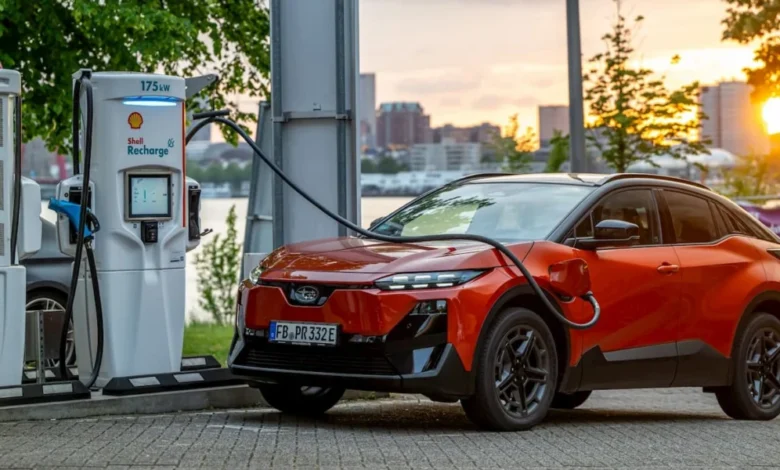
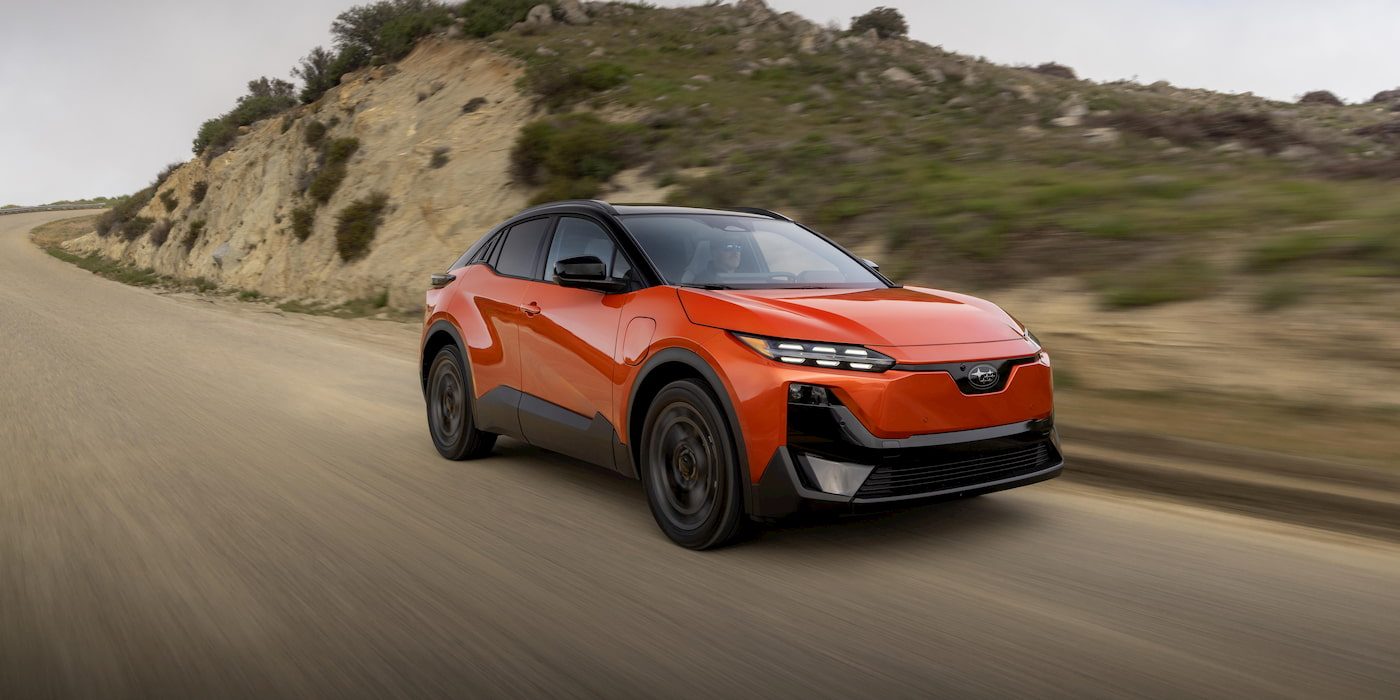
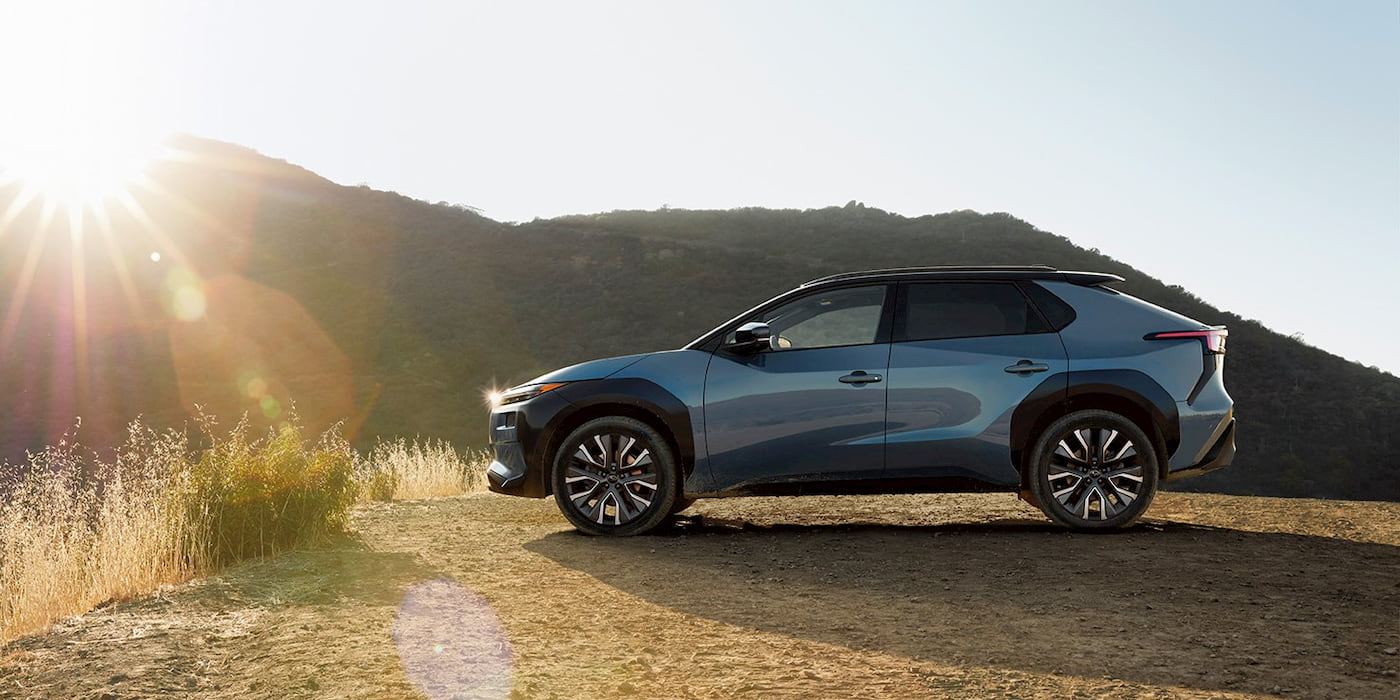
The turning point arrived last summer when Subaru officially unveiled the Uncharted EV, a smaller, sportier entry-level electric crossover positioned squarely beneath the Solterra in terms of size and price. Upon its unveiling, company representatives confirmed that the vehicle would shatter a three-decade company precedent by offering a front-wheel-drive variant. Subaru noted at the time that the entry-level Uncharted Premium FWD model would be produced in limited numbers to gauge consumer demand among buyers primarily focused on affordability and extended driving range.
The market response exceeded expectations. Rather than remaining a low-volume niche variant, the front-wheel-drive configuration proved instrumental in driving sales volume. Building upon this momentum, Subaru expanded its lineup further. By mid-2027, the company’s electric catalog had grown to include the Uncharted, the updated Solterra, the larger Trailseeker EV (marketed as the E-Outback in European territories), and upcoming additions such as a three-row electric SUV dubbed the Getaway, slated for a spring 2027 debut.
Pricing Architecture and Trim Breakdown
The financial restructuring of Subaru’s electric vehicle lineup is best observed through its pricing tiers across various global markets. In the United States, the 2027 Subaru Uncharted EV lineup establishes a clear hierarchy based on drivetrain and performance capabilities.
The base 2027 Subaru Uncharted EV Premium FWD starts at an accessible $34,995. This entry-level trim is powered by a single, front-mounted electric motor delivering 221 horsepower, optimized for daily commuting efficiency and maximum driving range. For buyers desiring traditional Subaru capability, higher-tier trims such as the Sport and GT are upgraded to Subaru’s signature Symmetrical All-
Wheel Drive system equipped with X-Mode. These dual-motor variants boost combined output to 338 horsepower and are priced at $39,795 and $43,795, respectively.
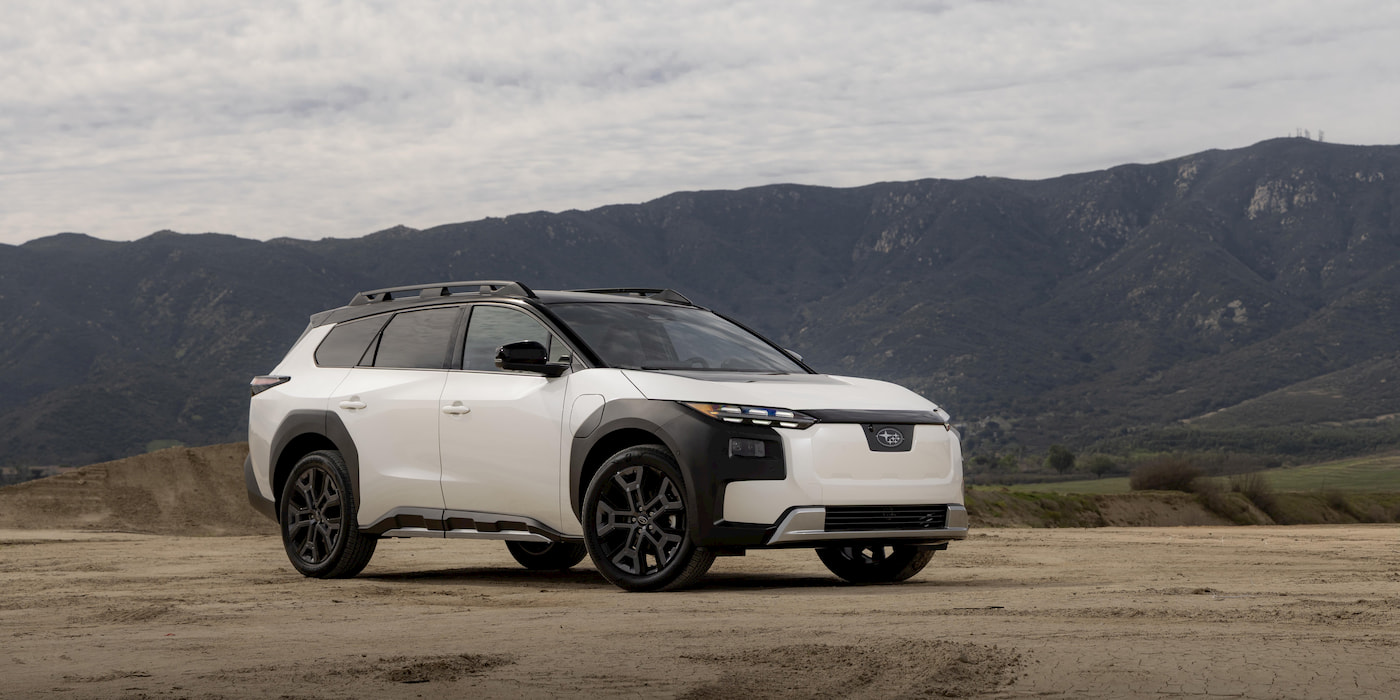
Meanwhile, larger models in the US portfolio—including the 2027 Solterra and the spacious Trailseeker—maintain standard all-wheel-drive configurations across their primary domestic trims, with base pricing starting at $38,495 and $39,995, respectively.
However, the international rollout paints a broader picture of Subaru’s cost-cutting strategy. In European markets such as Spain, where preorders for the 2027 electric lineup have officially opened, Subaru is aggressively deploying front-wheel-drive variants across multiple nameplates to maximize competitiveness against heavily subsidized domestic and imported rivals.
In Spain, the newly introduced Subaru Uncharted (4×2) starts at €26,525, which translates to approximately $28,900 when factoring in local government subsidies, promotional discounts, and regional EV incentives. As the rollout continues, the European market will also receive front-wheel-drive variants of the Solterra (4×2) starting at €35,025 ($38,200) and the E-Outback (4×2) starting at €36,525 ($39,800). While preorders for the Uncharted are currently live, the front-wheel-drive iterations of the Solterra and E-Outback are scheduled for official market delivery in mid-2027.
Comparative Regional Market Dynamics
The uneven application of front-wheel-drive options across different geographic regions underscores a calculated commercial strategy by Subaru’s product planning division. Consumer preferences regarding vehicle traction vary wildly depending on geography, climate, and driving infrastructure.
In North America, particularly in regions prone to heavy snowfall, mountainous terrain, or unpaved rural roads, all-wheel drive is viewed by many consumers as a non-negotiable safety and utility feature. This cultural attachment to all-wheel drive explains why Subaru has maintained AWD as standard equipment on its larger US-market electric SUVs like the Solterra and Trailseeker, even as it introduces the single-motor Uncharted FWD to capture price-sensitive segments.
Conversely, in densely populated urban centers across Europe and major metropolitan areas globally, the necessity of an all-wheel-drive system diminishes significantly. For daily city driving, highway cruising, and standard commuting, front-wheel-drive electric vehicles offer adequate performance, reduced mechanical complexity, lower tire wear, and crucially, a significantly lower purchase price. By tailoring its drivetrain offerings to regional demands rather than enforcing a blanket global policy, Subaru is optimizing its inventory allocation and protecting profit margins.
Industry Analysis and Broader Market Implications
Subaru’s calculated retreat from universal all-wheel drive within its electric portfolio carries significant implications for the broader automotive industry. For years, niche manufacturers defined by specific engineering philosophies—such as Subaru’s AWD identity or Porsche’s historical reliance on rear-engine layouts—faced immense pressure to maintain brand purity during the transition to electric powertrains.
However, the harsh economic realities of the electric vehicle transition have forced a pragmatic reassessment across the board. Developing and manufacturing battery-electric vehicles requires staggering capital expenditure in battery supply chains, software development, and thermal management systems. To achieve profitability, automakers must scale production rapidly across high-volume market segments. By introducing front-wheel-drive options, Subaru is directly challenging lower-cost competitors—including domestic and Chinese automakers pushing aggressively into the affordable EV space—with a compelling value proposition that marries a trusted brand name with accessible pricing.
Furthermore, industry analysts note that this shift could pave the way for further structural changes within Subaru’s US lineup. As the brand prepares to launch its first three-row electric SUV, the Getaway, in the spring of 2027, the commercial success of the Uncharted FWD will serve as a bellwether. Should American consumers embrace the lower-cost front-wheel-drive crossover in substantial numbers, Subaru may face mounting internal pressure to expand front-wheel-drive availability to other core models, potentially introducing single-motor Solterra variants to the North American market to capture federally backed lease incentives and tax structures more effectively.

Looking Ahead: The Future of Subaru’s Electric Fleet
As Subaru navigates the second half of the decade, its product strategy is characterized by a delicate balancing act. On one hand, the company must honor the rugged, adventure-oriented brand equity that made Symmetrical All-Wheel Drive a household name among outdoor enthusiasts. On the other hand, commercial survival in a hyper-competitive global electric vehicle market demands flexibility, cost discipline, and an aggressive push into volume-heavy entry-level segments.
With the 2027 Uncharted EV establishing a viable foothold in the sub-$35,000 category, and international markets receiving cost-reduced front-wheel-drive variants of the Solterra and E-Outback, Subaru has demonstrated that it is willing to adapt its foundational principles to meet the demands of a changing automotive world. Whether this strategic pivot alters the long-term identity of the brand or simply broadens its appeal to a new generation of electric vehicle buyers remains one of the most compelling storylines in the modern automotive landscape.