Ferrari 296 Challenge Stradale Offers Unrivaled Track-Ready Performance for the Discerning Collector

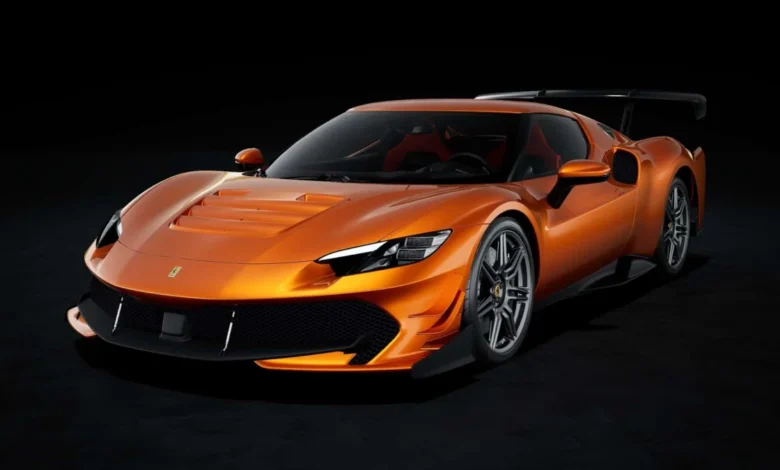
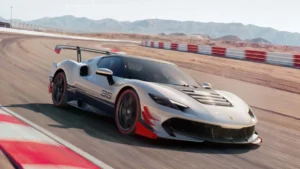
The automotive world has long recognized the Ferrari 296 platform as a masterclass in internal combustion engineering, but the introduction of the new 296 Challenge Stradale marks a significant pivot toward pure, unfiltered track performance. By stripping away the complex hybrid systems found in the standard 296 GTB and focusing on raw power-to-weight optimization, Ferrari has engineered a machine that bridges the gap between road-legal supercars and dedicated circuit racers. With a starting price point of approximately $307,000, the vehicle serves as a bespoke canvas for those looking to push the boundaries of performance and personalization.
The Evolution of the 296 Lineage
The 296 Challenge Stradale arrives as the latest iteration of the Maranello-based manufacturer’s V6-powered lineage. The journey began with the debut of the 296 GTB in 2021, which introduced a revolutionary 120-degree V6 engine architecture. This powerplant, while potent, was paired with an electric motor to create a hybrid powertrain capable of delivering 819 horsepower. The Challenge Stradale, however, represents a strategic departure. By removing the hybrid hardware, Ferrari has managed to shed substantial weight, refining the vehicle’s center of gravity and handling dynamics to create a more mechanical, visceral experience.
This shift follows the historic precedent set by the 360 Challenge Stradale, the 430 Scuderia, and the 488 Pista. These models were designed to distill the racing pedigree of the Ferrari Challenge series into a package that, while compliant with road regulations, feels most at home on a closed course. The 296 Challenge Stradale represents the culmination of years of data acquisition from the 296 GT3 racing program, translating telemetry into tangible road-going performance.
Engineering and Technical Specifications
At the heart of the 296 Challenge Stradale is the 3.0-liter twin-turbocharged V6, which produces an impressive 670 horsepower in its non-hybridized state. The absence of the battery pack and electric motors significantly alters the vehicle’s chassis balance. Ferrari engineers have focused on reducing unsprung weight through the extensive use of carbon fiber—not just for body panels, but for structural components, splitters, and the rear diffuser.
One of the most notable options available to buyers is the integration of Lexan polycarbonate windows. This material, commonly found in professional racing vehicles, offers a significant weight reduction over traditional automotive glass. For the purist, this is not merely a luxury upgrade but a functional decision to improve the vehicle’s power-to-weight ratio. Furthermore, the engine bay features lightweight carbon fiber covers, ensuring that every ounce of the vehicle is scrutinized for efficiency.
Personalization: A Bespoke Process
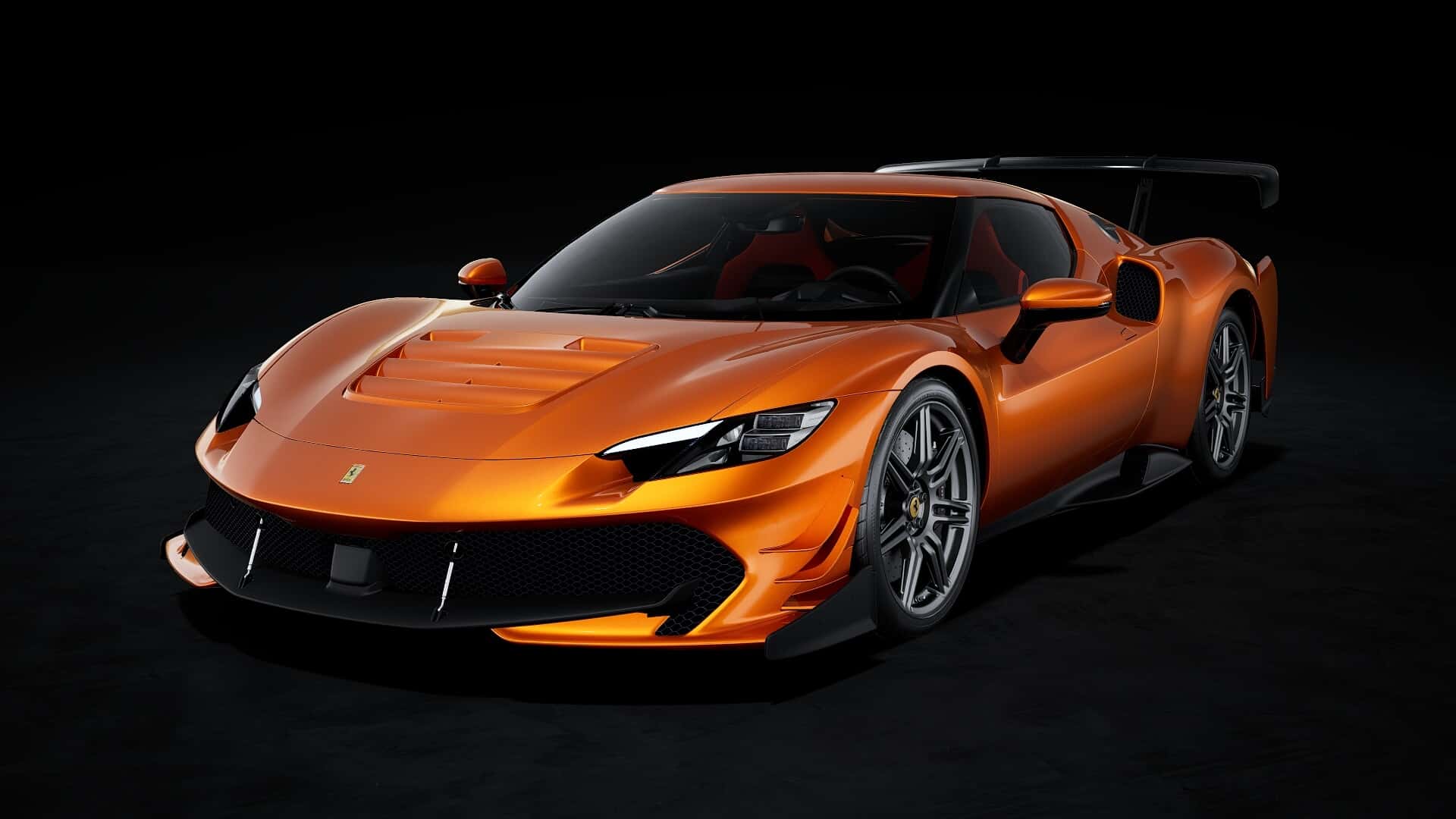
The Ferrari online configurator for the 296 Challenge Stradale offers a depth of customization that reflects the brand’s commitment to exclusivity. With 35 distinct exterior paint options categorized into Standard, Historical, Classic, and Special palettes, the visual identity of the vehicle is highly malleable. Historical colors, such as the vibrant Giallo Ambra, provide a nod to Ferrari’s storied past, while contemporary metallic finishes cater to modern tastes.
The customization extends to the aerodynamics, where owners can opt for various livery packages. These range from subtle accents on the front splitter to full-body racing stripes and door-number decals. However, the design language of the 296 Challenge Stradale is so aerodynamically aggressive that many collectors choose a minimalist aesthetic, allowing the body lines to remain uninterrupted.
The wheel and braking configurations are equally robust. Ferrari offers six wheel designs, including lightweight forged options that can be paired with titanium wheel bolts to further reduce rotating mass. The braking system, a critical component for track endurance, allows for eight different caliper color options, ensuring that the visual aesthetic complements the high-performance carbon-ceramic discs.
Interior Ergonomics and Track Utility
Inside the cockpit, the 296 Challenge Stradale adheres to a driver-centric philosophy. The interior is characterized by a minimalist approach to infotainment, consistent with the vehicle’s track-focused nature. Rather than the standard center-stack touchscreens seen in luxury grand tourers, the interior features a streamlined dashboard design.
The choice of seats remains the most critical decision for the buyer. The “Racing” seats offer superior lateral support, essential for high-speed cornering, while the “Best Weight” seating option is engineered specifically to minimize mass. Both options are finished in premium Alcantara, with 26 stitching colors available to match the exterior paint. Interestingly, Ferrari provides an optional passenger-side display. While it may seem unconventional for a vehicle intended for the track, it serves as a nod to the growing demand for interactive technology, even in high-performance environments.
Market Implications and Future Outlook
The release of the 296 Challenge Stradale comes at a pivotal time for the supercar market. As global manufacturers move toward full electrification, the decision by Ferrari to double down on a high-output, internal combustion-only platform is significant. It serves as a tribute to the internal combustion engine’s potential for perfection before regulatory and environmental mandates necessitate a transition to alternative powertrains.
From an investment standpoint, models bearing the "Stradale" moniker have historically maintained, and often appreciated in, value. Their production cycles are typically shorter than standard models, creating a sense of scarcity that drives demand among collectors. Furthermore, the ability to customize these vehicles via the factory program ensures that no two examples are identical, which is a major factor in long-term valuation.
Industry analysts suggest that the 296 Challenge Stradale will set a new benchmark for lap times in its segment. By leveraging the aerodynamic efficiency and engine output of the 296 GT3, the road car provides an experience that is closer to a professional race car than anything else in the current Ferrari lineup. The decision to bypass hybrid technology in this specific instance is viewed as a calculated move to appeal to the "purist" demographic—drivers who prioritize tactile feedback and engine acoustics over electric-assisted torque.
The Ownership Experience
Purchasing a 296 Challenge Stradale is more than a transaction; it is an entry into a curated ecosystem. Ferrari’s dealership network acts as the primary point of contact for the configuration process, where buyers are guided through the selection of materials and performance options. Because the vehicle is highly modular, the final cost can escalate quickly beyond the $307,000 base price.
For those planning to use the vehicle on the track, the choice of tires is paramount. Ferrari’s collaboration with Bridgestone and Pirelli ensures that owners have access to track-tested compounds that are optimized for the specific suspension geometry of the 296 chassis. The availability of the "Color Edition" tires, while aesthetic in nature, underscores the level of detail available to the owner.
Ultimately, the 296 Challenge Stradale is a statement piece. It represents the pinnacle of what can be achieved when a manufacturer prioritizes weight reduction and mechanical engagement. Whether it is displayed in a private collection or pushed to its limits at a track day, the vehicle embodies the spirit of the Prancing Horse: a relentless pursuit of performance that remains unapologetically traditional in an era of rapid technological change. As the automotive landscape continues to evolve, the 296 Challenge Stradale will likely be remembered as one of the final, purest expressions of the combustion-engine supercar.
Related posts: