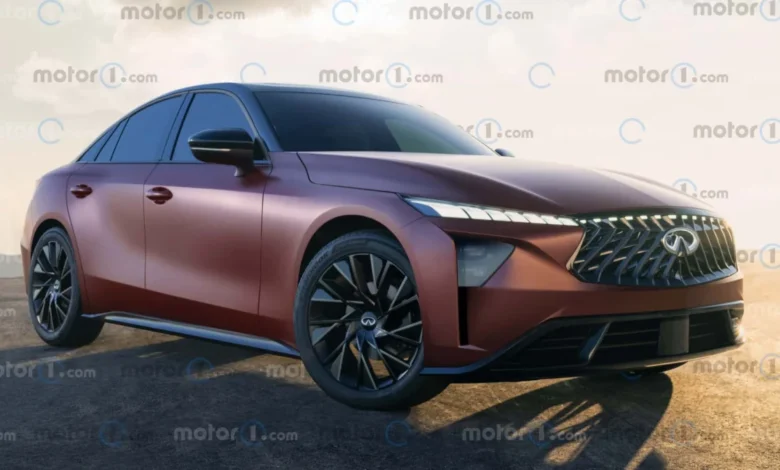
Infiniti’s upcoming performance sedan, slated for a global launch next year, is poised to signal a significant shift in the brand’s identity, potentially leaning into its most successful historical chapter. While the automaker has remained tight-lipped regarding the official nomenclature for this highly anticipated model, internal signals suggest that the "G" moniker—a badge synonymous with the brand’s golden era of sport-luxury driving—could make a triumphant return to the market. This potential rebranding reflects a strategic effort to reconnect with the enthusiast demographic that propelled the G35 and G37 to prominence in the early 2000s, a segment that has felt largely underserved since the transition to the Q-series naming convention.
The speculation surrounding the nameplate gained traction during the recent Los Angeles Auto Show. Ponz Pandikuthira, the head of product planning for Nissan and Infiniti, provided insights into the company’s thinking during a briefing with media representatives. Pandikuthira acknowledged the persistent brand equity associated with the G-series, noting that many former G37 owners have frequently inquired about a modern spiritual successor. By suggesting that reviving the badge "wouldn’t be off the mark," Infiniti is signaling a clear desire to leverage its heritage to bridge the gap between its past successes and its future product lineup.
A Chronology of the G-Series Legacy
To understand the weight of a potential G-badge revival, one must look at the historical trajectory of the nameplate. The Infiniti G series, particularly the G35, debuted in the early 2000s as a direct challenger to the established German hegemony in the entry-level luxury segment. At the time, the automotive landscape was dominated by the BMW 3 Series. The G35 arrived with a compelling proposition: a high-revving VQ-series V6 engine, a rear-wheel-drive platform, and a design that favored athletic proportions over the conservative styling prevalent in the segment.
The G35 quickly became a benchmark for performance-per-dollar. Following its success, the G37 arrived in 2008, further refining the formula with increased displacement and a more sophisticated interior. These models were not merely appliances; they were drivers’ cars that cultivated a loyal, vocal, and active enthusiast community.
In 2014, however, Infiniti implemented a radical overhaul of its naming strategy. The brand transitioned to a "Q" and "QX" prefix system, effectively rebranding the G37 as the Q50. While the transition was intended to simplify the brand’s global identity and elevate the premium status of its vehicles, many enthusiasts felt the emotional connection to the brand was diluted. The Q50, while capable, often struggled to replicate the specific "analog" engagement that characterized its predecessors, eventually leading to a gradual decline in the model’s relevance in a rapidly evolving market. The Q50 was ultimately discontinued after the 2024 model year, leaving a void in the brand’s portfolio that this new, as-of-yet unnamed, sedan is intended to fill.
Engineering the New Performance Benchmark
The forthcoming sedan is currently being developed as a luxury derivative of the next-generation Nissan Skyline platform. This relationship is critical, as it suggests that the new Infiniti will benefit from the engineering rigors applied to a model that remains a cultural icon in the Japanese domestic market. While the specific technical specifications remain subject to final certification, industry expectations point toward the utilization of Nissan’s potent twin-turbocharged 3.0-liter V6 powerplant.
In its current iteration, this engine—notably featured in the Nissan Z—produces 400 horsepower and 350 pound-feet of torque. By adopting this powertrain, the new Infiniti would position itself squarely against high-performance competitors in the compact-to-midsize luxury segment. Perhaps the most significant development is the reported availability of a manual transmission. For a segment that has largely abandoned the third pedal in favor of dual-clutch or planetary-gear automatic transmissions, the inclusion of a manual gearbox would serve as a powerful differentiator and a direct nod to the G-series heritage.
The move toward a rear-wheel-drive architecture, supported by a twin-turbocharged engine and a manual transmission, represents a "back-to-basics" approach for a company that has spent the last decade focusing heavily on electrification and SUV crossovers.
Market Implications and Brand Positioning
The decision to potentially resurrect the G nameplate is more than a marketing exercise; it is a calculated effort to recapture brand loyalty. Market data has consistently shown that legacy names hold significant weight in the automotive industry, particularly when they evoke a specific era of performance. By aligning this new sedan with the G-series, Infiniti is attempting to anchor the new vehicle in the collective memory of consumers who associate the G name with agility, mechanical purity, and reliability.
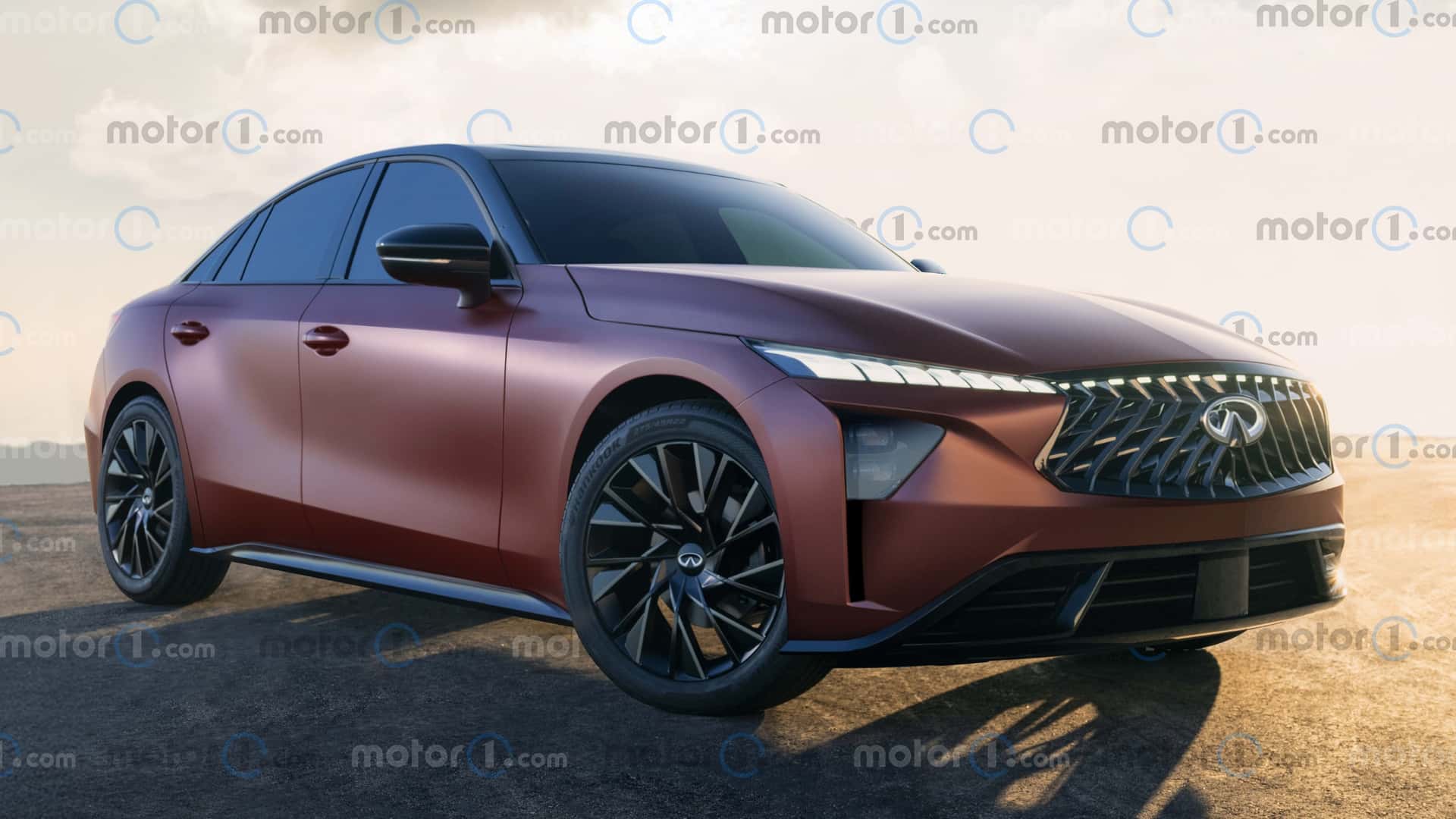
However, the strategy is not without its challenges. The modern automotive market is vastly different from the one that existed when the G37 was at its peak. Today’s consumers demand high-level connectivity, advanced driver-assistance systems (ADAS), and increasingly, electrified powertrains. If the new sedan is to succeed, it must balance its "purist" appeal—the manual transmission and twin-turbo V6—with the high-tech requirements of the contemporary luxury buyer.
Furthermore, the brand’s insistence that the vehicle will not be marketed as a "Skyline" in North America underscores the importance of regional identity. While the platform is shared, the branding must be distinct enough to resonate with American consumers who may have no historical connection to the Skyline nameplate. By keeping the G-badge as a primary candidate, Infiniti is choosing a path that feels familiar yet aspirational for the US market.
Official Stance and Future Outlook
While Pandikuthira’s comments have generated significant buzz, it is crucial to emphasize that a formal confirmation of the "G" name remains pending. Infiniti is currently in the late stages of its naming process, weighing the benefits of heritage against the need for a modern, forward-looking identity. The automaker has stated that the name is still under internal review, and a final announcement is expected closer to the vehicle’s production timeline.
From a product planning perspective, the success of this sedan is vital. As the brand navigates a transition period—marked by the retirement of the Q50 and the expansion of its SUV portfolio—the new sedan will serve as the halo product for the brand’s performance division. It is expected to arrive in showrooms sometime next year, likely as a 2026 or 2027 model year vehicle.
Industry analysts suggest that if the car delivers on its promise of a 400-hp, manual-transmission driving experience, it could effectively reset the brand’s reputation. For a company that has, at times, been criticized for losing its way, this project represents a tangible commitment to the values that originally defined it.
The Broader Landscape of the Sport Sedan Segment
The luxury sport sedan market is currently undergoing a period of contraction, as consumer interest has pivoted heavily toward luxury SUVs and crossovers. However, there remains a dedicated niche of buyers who prioritize driving dynamics, steering feedback, and the engagement of a traditional sedan layout. The entry of this new Infiniti model, should it materialize as described, will provide a rare alternative to the increasingly digitized and automated offerings from competitors like Audi, Mercedes-Benz, and BMW.
The reliance on the Nissan Skyline architecture ensures that the vehicle will benefit from a robust development budget, as the platform will be shared across global markets. This economies-of-scale approach allows Infiniti to produce a low-volume, high-enthusiast-appeal vehicle without the prohibitive costs associated with developing a bespoke platform from the ground up.
As the automotive industry continues its push toward electrification, this upcoming sedan may very well be one of the last of its kind: a purely internal-combustion, high-performance sedan with a focus on mechanical driver engagement. This reality adds a layer of urgency and significance to the launch. Whether or not it eventually wears the "G" badge, the vehicle is destined to be a focal point for enthusiasts and a critical litmus test for Infiniti’s ability to balance its rich history with the demands of a modern, fast-changing global automotive market.
Ultimately, the potential return of the G-series name serves as a symbol of intent. It suggests that Infiniti is listening to its customer base and recognizes that, in the world of high-performance luxury, heritage is not just an asset—it is a foundation upon which future success must be built. The industry will be watching closely as the company moves toward the official reveal, looking for evidence that the "G" name—if chosen—will represent not just a memory of the past, but a promise for the future.