The Aftermath of COP31: Analyzing the Breakdown of the Antalya Climate Negotiations and the Future of Global Diplomacy


The COP31 climate summit in Antalya concluded in a state of unprecedented diplomatic deadlock, marking a watershed moment in the history of the United Nations Framework Convention on Climate Change (UNFCCC). While the conference did not result in a complete failure of all technical work streams, the rejection of the high-level "Antalya pact"—the primary "cover decision" intended to signal the global trajectory for climate action—has sent shockwaves through the international community. The collapse of the final agreement, largely driven by a refusal to include explicit language regarding the phase-out of fossil fuels, has exposed deep-seated fractures between major energy producers, climate-vulnerable nations, and developed economies.
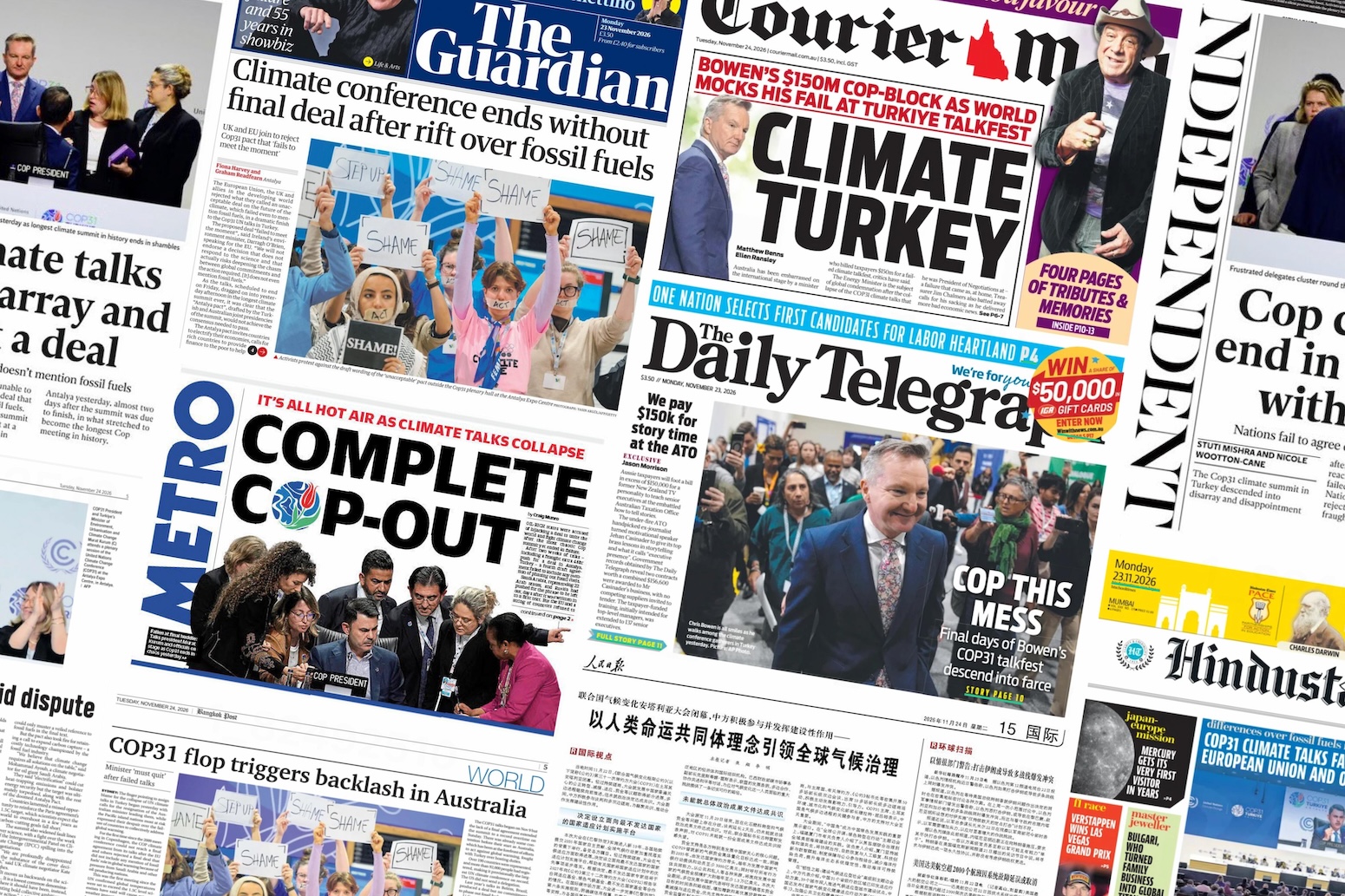
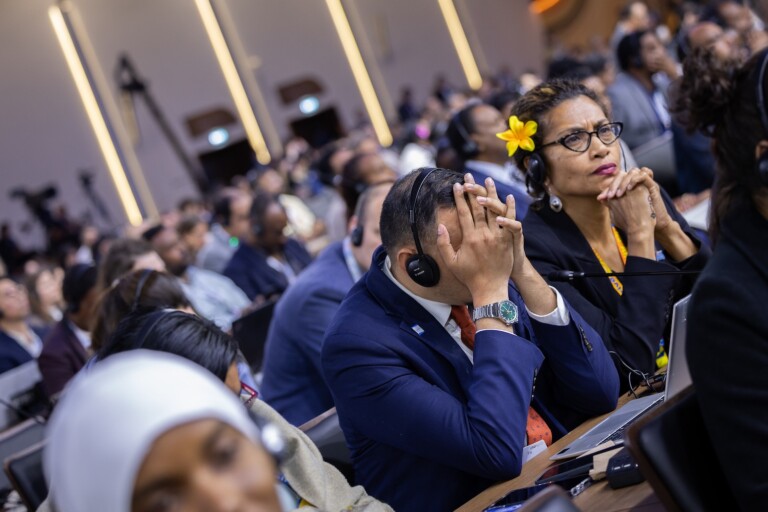
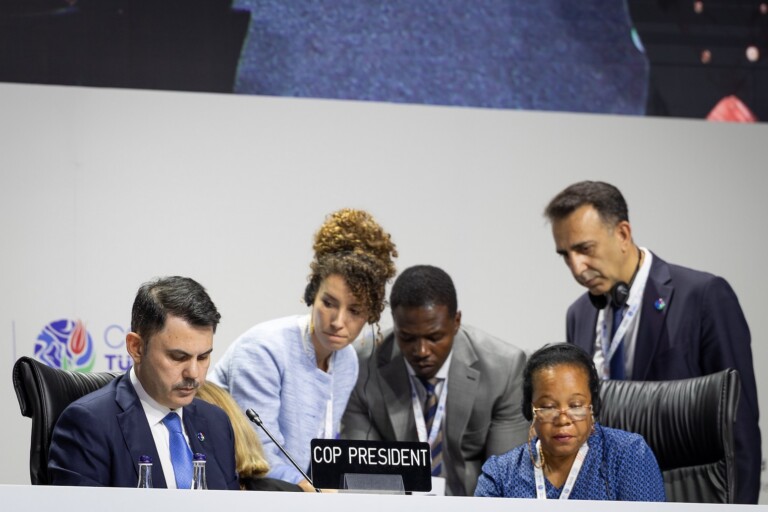
The collapse of the Antalya pact was not an instantaneous event but the culmination of a two-week period characterized by intensifying friction. As the negotiations extended two days beyond their scheduled closing time, the atmosphere within the summit halls became increasingly strained. At least 32 nations, spearheaded by the European Union and the United Kingdom, formally rejected the final draft presented by the Turkey-Australia presidency. This rejection was based on the omission of any reference to fossil fuel transition, which many delegates argued rendered the entire document toothless against the reality of the climate crisis.
A Chronology of Diplomatic Gridlock
The timeline of COP31 reveals a steady deterioration of consensus. From the outset, the presidency’s decision to introduce a draft cover text early in the proceedings drew criticism from seasoned negotiators who noted that such documents are traditionally the result of a hard-won synthesis of discussions, not a starting point.
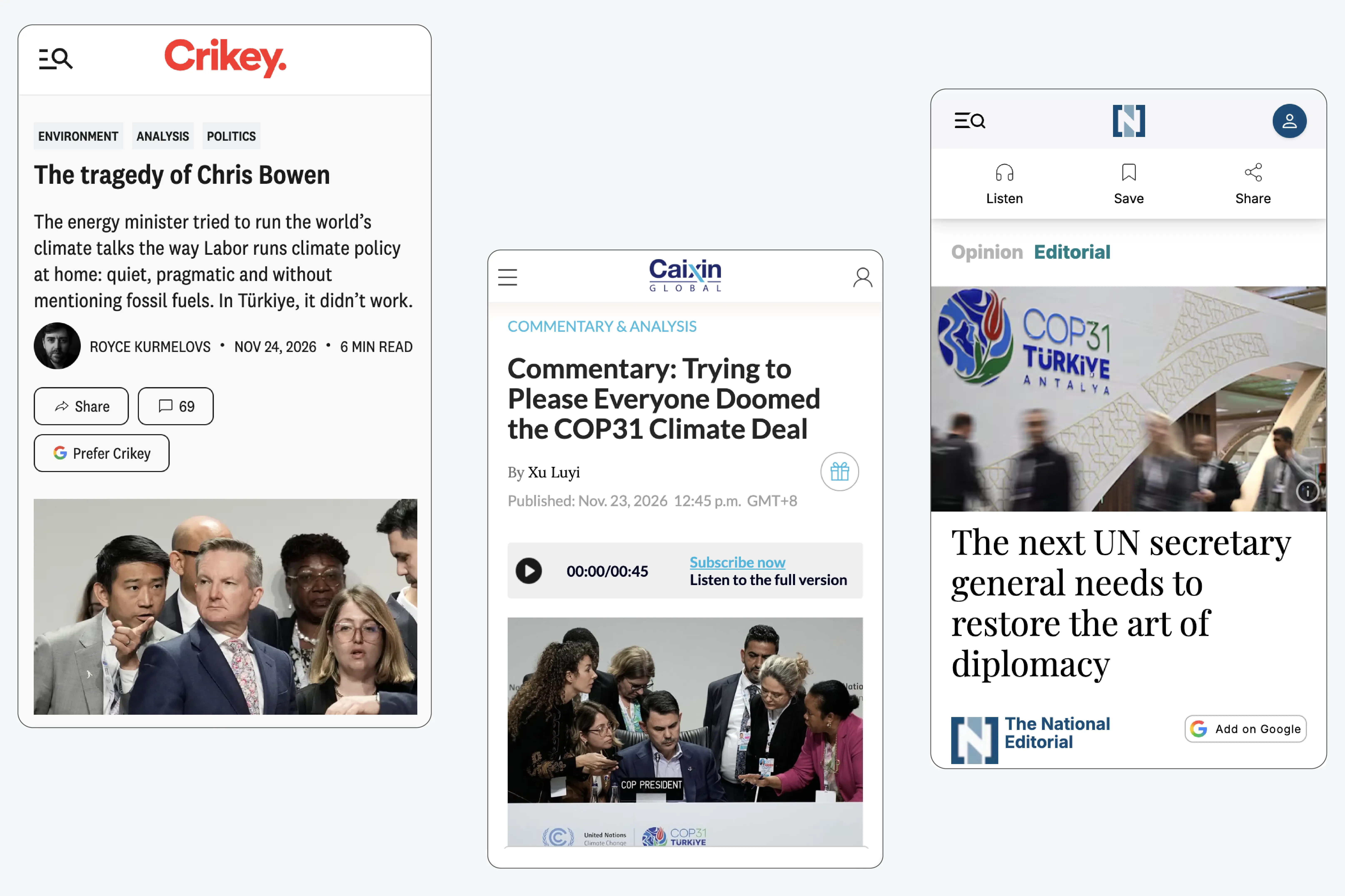
By the midpoint of the conference, the tension was palpable. Panama’s environment minister, Juan Carlos Navarro, famously described the COP process as being "held hostage" by a "petroleum mafia," setting a tone of open hostility. As the talks approached the final weekend, the divide between the "high-ambition coalition"—comprising the EU, the UK, and several Pacific island states—and a bloc of fossil-fuel-reliant nations led by Saudi Arabia and Russia became insurmountable. The failure to secure language on the phase-out of hydrocarbons ultimately led to the dramatic final plenary, where the gavel fell without the adoption of the pact.
The Role of Energy Producers and Diplomatic Friction
The narrative surrounding the COP31 outcome has been dominated by the influence of major oil and gas producers. Analysts have highlighted a deliberate strategy by these nations to ensure that the progress made at COP28 regarding "transitioning away from fossil fuels" was not reinforced or expanded upon. Reporters noted that Saudi officials maintained constant, high-level access to the presidency, a dynamic that many smaller delegations perceived as providing disproportionate influence.
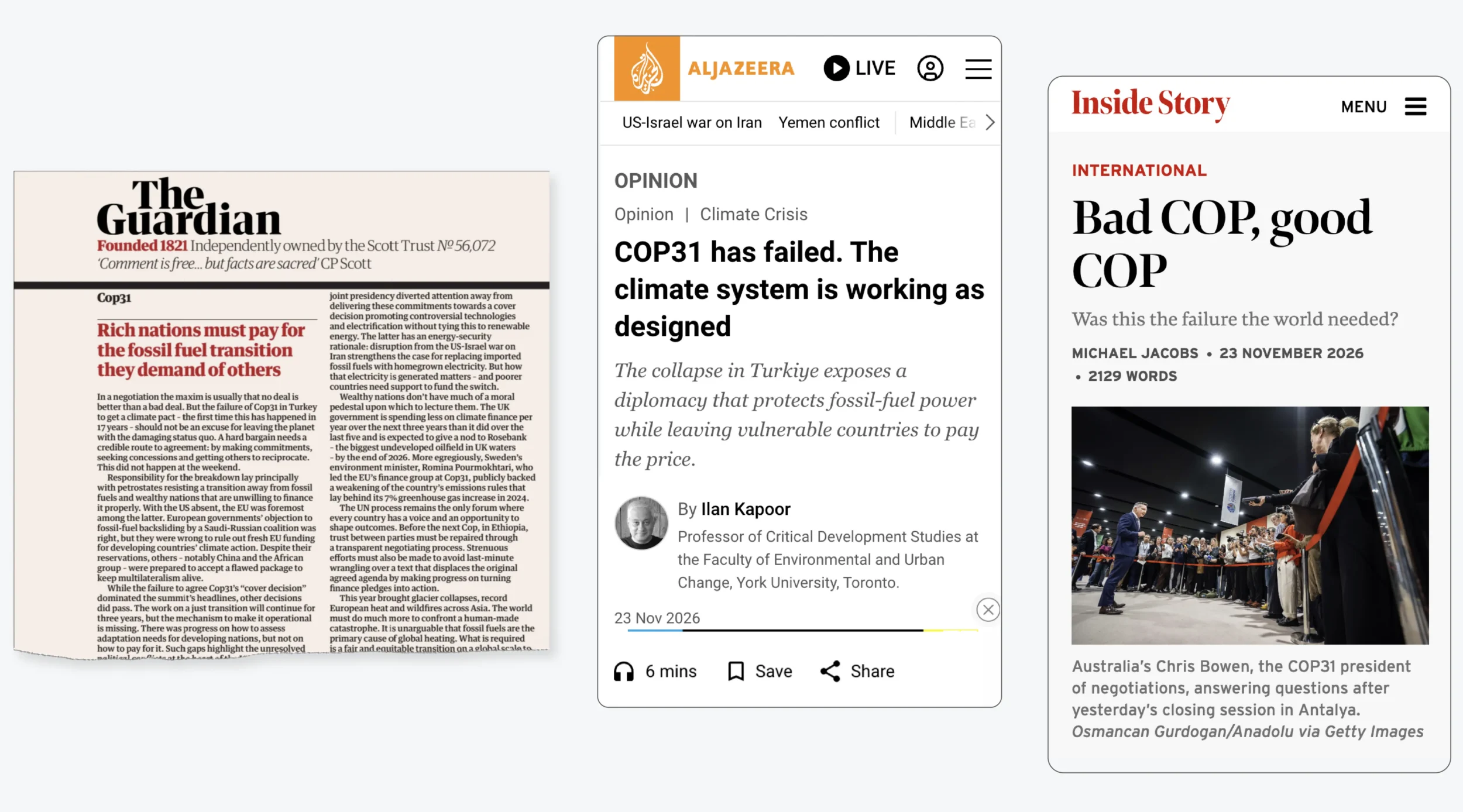
The perception of the presidency itself has been equally contentious. Chris Bowen, representing the Australian co-presidency, faced intense scrutiny over his management style. Critics, including various Australian media outlets, argued that the attempt to steer the conference toward a "pragmatic" outcome without naming the core driver of climate change—fossil fuels—failed to resonate with the urgency required by the scientific community. For many, the result was a reminder that internal domestic policies—often focused on keeping energy sectors quiet and undisturbed—cannot be seamlessly exported to the global stage.
The Perspective of Developed and Developing Nations
The divide at COP31 was not merely a binary conflict between producers and consumers; it was deeply complicated by the issue of climate finance. Developed nations, while acting as the primary blockers of the fossil-fuel-free text, were simultaneously criticized for their own shortcomings. Developing nations, including India and several African states, argued that the insistence on fossil fuel phase-outs must be paired with concrete, accessible, and sufficient climate finance.
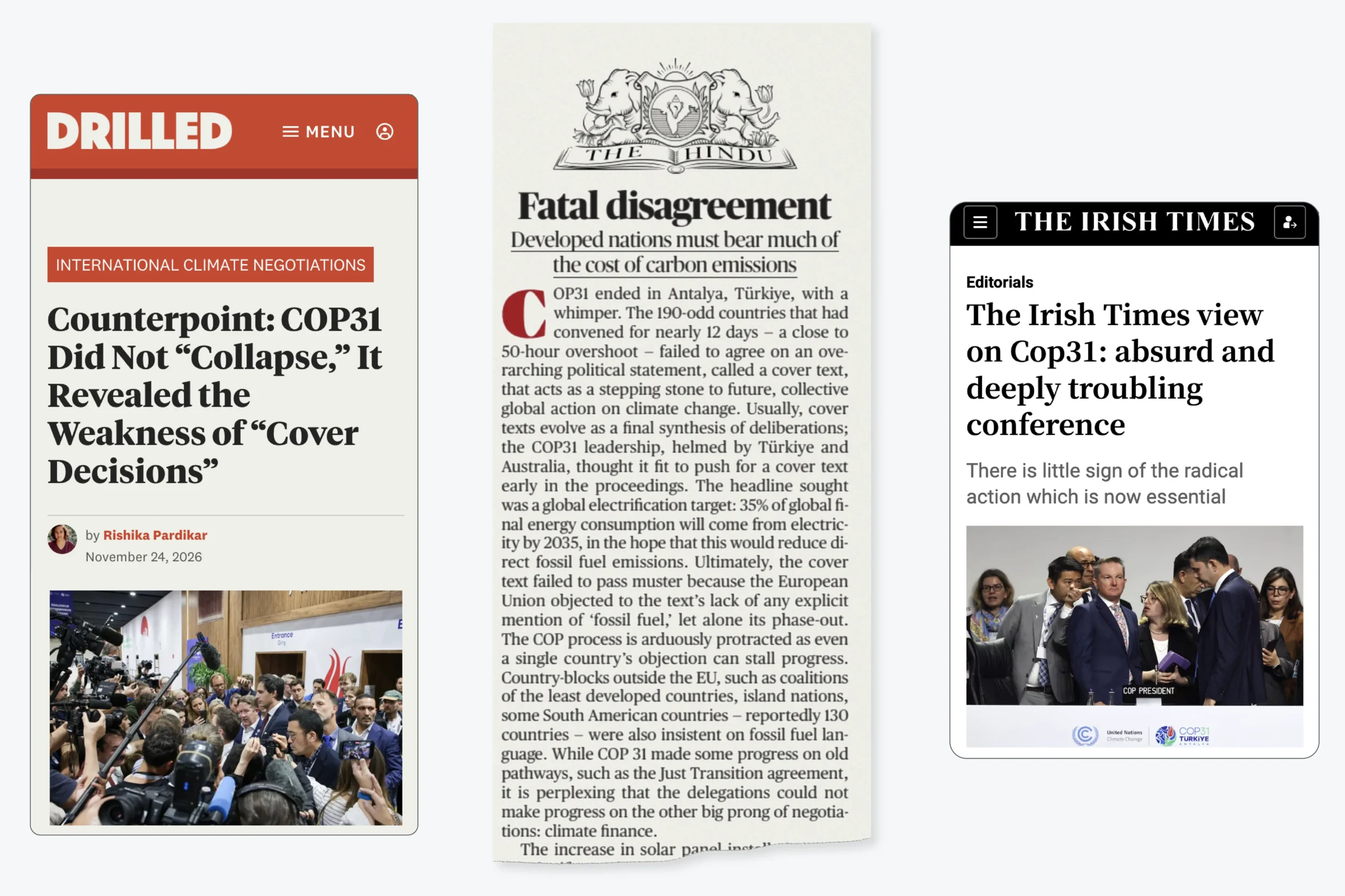
India’s delegation, in particular, emphasized that the focus on "historical responsibility" should remain central to any global climate agreement. The argument posits that those nations whose industrialization was powered by fossil fuels over the last two centuries have a moral and practical obligation to fund the transition for the rest of the world. The perceived reluctance of wealthy nations to increase their financial commitments created a vacuum where many developing nations felt that the demands for rapid decarbonization were decoupled from the economic realities of their own growth trajectories.
Data and Reality: The State of Global Climate Action
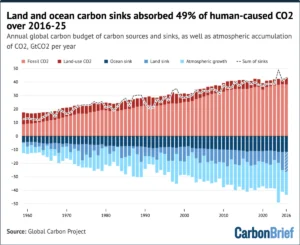
Behind the diplomatic posturing, the data remains sobering. The failure to reach a consensus in Antalya does not invalidate the existing commitments under the Paris Agreement, but it does signal a significant political setback. Research indicates that the current pledges are insufficient to limit warming to 1.5C, and the lack of a clear, unified message from COP31 adds further uncertainty to the global energy transition.
Some experts, however, argue that the "failure" to sign a weak agreement was a necessary step. Dr. Bill Hare of Climate Analytics suggested that the rejection of the Antalya pact was a "line in the sand" moment, proving that the international community is no longer willing to accept vague, hollow declarations. This sentiment was echoed by others who believe that a "no-deal" outcome is preferable to a "bad-deal" that provides a false sense of security while ignoring the fundamental role of fossil fuels in driving global warming.
Implications for the UN Process and Future Reform
The fallout from COP31 has triggered a global conversation about the necessity of reforming the UN climate summit process. The current structure, which relies on a consensus-based model where a single country can effectively veto progress for 200 others, is increasingly being viewed as a relic of a different geopolitical era.
The European Commission has reportedly begun drafting proposals to overhaul these negotiations, seeking to move toward more effective mechanisms that prevent individual states from hijacking the collective ambition. Potential reforms being discussed include:
- Time-bound negotiations: Reducing the length of summits to sharpen focus.
- Procedural changes: Moving away from absolute consensus in every specific clause to allow for "majority-led" outcomes in critical areas.
- Exclusion of lobbyists: Increasing the transparency of delegate lists to limit the influence of fossil fuel interests on final draft texts.
Toward COP32 and the Path Forward
As the dust settles, the attention of the climate community shifts to the upcoming COP32 in Ethiopia. The task for the next presidency will be to bridge the deep mistrust that has been laid bare in Antalya. The failure of COP31 has acted as a catalyst for a more honest, albeit painful, debate about the limitations of current climate diplomacy.
The "positive signal" identified by some observers—that the world is finally taking the risks of climate change seriously enough to refuse watered-down compromises—remains a fragile hope. The challenge for the coming years will be to transform this moment of rejection into a new, more resilient form of international cooperation. Whether this will lead to the "reinvention" of the climate architecture, as some suggest, or merely to further fragmentation, remains the central question of the post-Antalya era.
The events in Turkey serve as a stark reminder that the climate crisis is moving faster than the diplomatic process intended to manage it. The reliance on consensus-based diplomacy, while intended to be inclusive, has become a bottleneck that arguably hinders the very progress it was designed to achieve. Moving forward, the global community must reconcile the demands for climate justice, the necessity of financial support, and the hard, physical reality of a warming planet. The legacy of COP31 will likely be defined not by the pact that wasn’t signed, but by the fundamental questions it has raised about the future of global collective action.
Related posts: