Brewers can still use up to 50% of smoke-tainted hops without affecting beer taste and aroma.


The Pacific Northwest, a region that serves as the backbone of the American brewing industry, has faced mounting climate-related challenges over the last decade. As the primary source of over 95 percent of United States hop production and roughly 40 percent of the global supply, the region’s agricultural output is critical to the stability of the global beer market. However, the catastrophic 2020 Oregon wildfires—which scorched more than 1 million acres, claimed 11 lives, and obliterated thousands of structures—introduced a persistent concern for agricultural scientists and brewers alike: the phenomenon of smoke taint.
Recent research published in the Journal of the American Society of Brewing Chemists offers a glimmer of hope for the industry. A team from Oregon State University (OSU), led by renowned chemist Thomas Shellhammer and graduate student Cade Jobe, has identified a viable threshold for utilizing smoke-exposed hops, providing a potential lifeline for growers looking to recoup losses from future climate-affected harvests.
The Chemistry of the Wildfire Crisis
The intersection of viticulture, agriculture, and brewing science has become a focal point for researchers since 2020. When wildfires burn, they release volatile phenols (VPs) into the atmosphere. These compounds, which are produced when the lignin in trees and brush is incinerated, are highly adhesive and can easily settle on the surface of crops. In the case of hops, these phenols are absorbed into the plant material, particularly during the drying and kilning phases.
Previous studies have shown that high levels of VP uptake result in a drastic degradation of the hop’s sensory profile. Instead of the bright, citrusy, or floral notes prized by craft brewers, affected hops often exhibit medicinal, "meaty," or "artificial BBQ" flavors. These off-notes are so potent that they can easily overwhelm the delicate chemistry of a balanced beer.
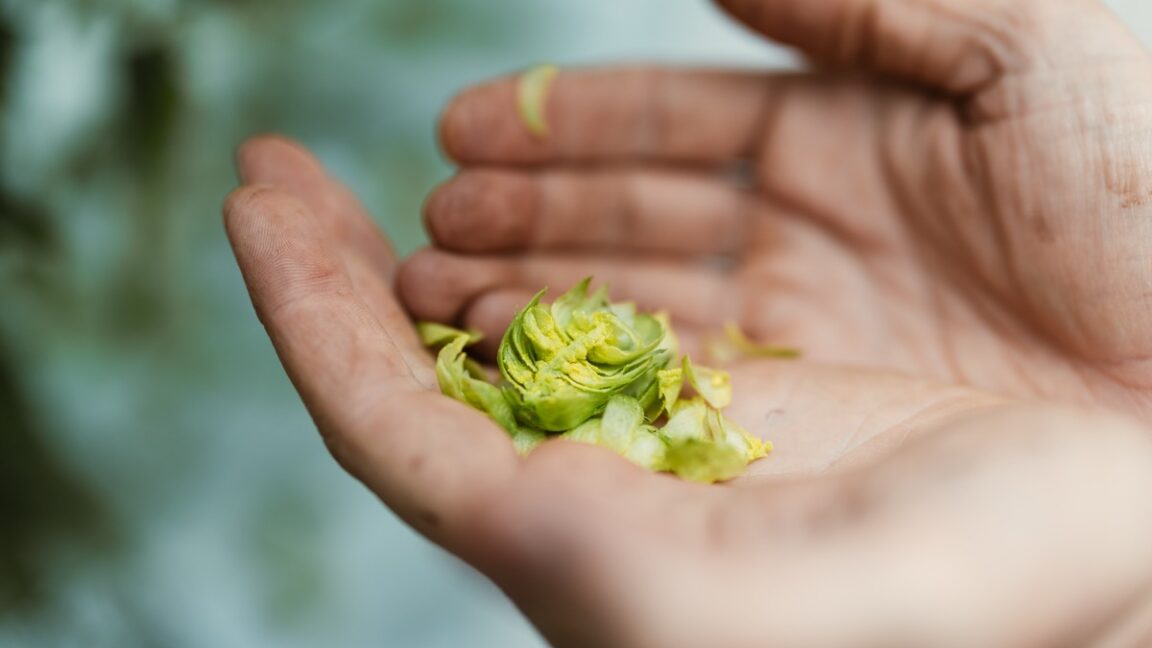
The mechanism is rooted in the molecular structure of the smoke itself. As the hops are processed, the VPs bond with the plant cells. When these hops are introduced to the brewing process, those molecules are liberated, effectively tainting the flavor profile. This discovery was the catalyst for the Shellhammer-Jobe study, which sought to determine if there was a "safe" dilution level where these negative characteristics could be mitigated or masked by untainted hops.
Chronology of Research and Experimental Design
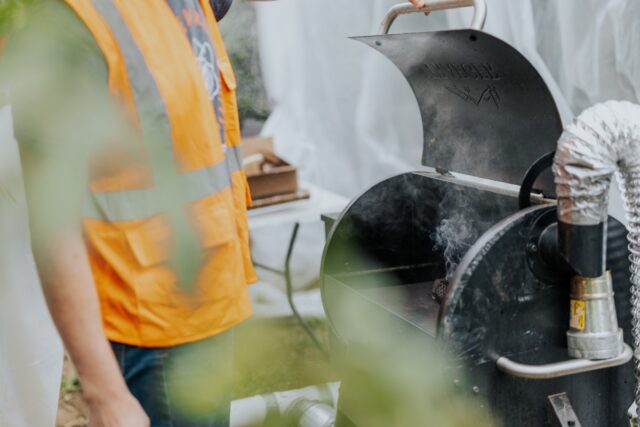
The research team began their work by simulating the wildfire experience. Using Idaho-grown Cascade hops, the researchers subjected the crop to controlled "smoking" in kilns, using wood pellets fed into the air intake systems to replicate the smoke exposure experienced during the 2020 fires. A control group of unexposed, pristine hops was kept for comparison.
Once the samples were prepared, the researchers executed a series of brewing trials. They created blends of smoke-tainted and untainted hops at varying ratios: 25 percent, 50 percent, and 75 percent. These blends were tested against control batches—beers brewed with 100 percent tainted hops and beers brewed with 100 percent untainted hops.
Crucially, the team tested two different application methods: the traditional "boil" addition, where hops are added to the wort during the initial heating phase, and the more modern "dry-hopping" technique, where hops are added after fermentation. The latter is a staple of modern craft brewing, particularly in the production of IPAs and pale ales, but it is also the stage that the researchers suspected would be most sensitive to smoke taint.
The Impact of Timing: Boiling vs. Dry-Hopping
The study revealed a stark contrast between the two brewing methods. When smoke-tainted hops were added during the boil, the heat and chemical reactions appeared to alter the volatile phenols in a way that rendered the smoke character virtually undetectable to human testers. Even when high concentrations of tainted hops were used in the boil, the resulting flavor profiles remained indistinguishable from the control batches.
Conversely, the dry-hopping process proved to be highly susceptible to the smoke-taint phenomenon. In these batches, the volatile phenols remained largely unchanged by the brewing process, leading to a direct transfer of the "meaty" and "medicinal" notes into the final product. The intensity of these off-flavors correlated directly with the percentage of smoke-tainted hops used in the blend.
A panel of 24 blind tasters was tasked with evaluating the resulting beers. The data confirmed that while dry-hopped beers with high concentrations of smoke-tainted hops were consistently flagged for their off-putting aroma and flavor, those with a 50 percent or lower concentration of tainted hops were largely deemed acceptable by the sensory panel.
Economic and Industrial Implications
The economic stakes for this research are high. The Pacific Northwest hop industry is a multi-billion-dollar enterprise. A bad fire season can result in millions of dollars in lost crops if brewers are forced to discard any harvest that has been exposed to smoke. By establishing that up to 50 percent of a dry-hopping blend can safely consist of smoke-tainted hops, researchers have provided brewers with a clear path to maintain production levels without compromising quality.
"Hop growers and brewers are looking for guidance on whether and how to use smoke-affected hops," Cade Jobe noted in the study’s release. "This research begins to provide some practical information to help hop growers and brewers understand how smoky hops impact beer so that they can make the best decisions."
This is not the first time Thomas Shellhammer’s lab has addressed critical industry challenges. In 2018, the team identified the "hop-creep" phenomenon, which explained why many craft beers were exploding in bottles. They found that hops contain starch-hydrolyzing enzymes that, when added during the dry-hopping phase, cause a secondary fermentation. This discovery fundamentally changed how many brewers package their products, and this new research on smoke taint is expected to have a similar impact on supply chain management.

Future Directions and Limitations
While the study provides a significant breakthrough, the researchers acknowledge that there is more work to be done. The current findings were based on controlled kiln-smoking, but field-grown hops—where plants are exposed to smoke while still metabolically active and attached to the bines—may behave differently. The biological interaction between the plant’s metabolism and the smoke particulates could result in different chemical concentrations.
Furthermore, the team emphasized that these results are specific to the beer-brewing process and should not be extrapolated to winemaking. The chemistry of wine is vastly different; wine production relies almost entirely on the chemical integrity of the grapes, with very little room for blending or "correcting" the flavor profile once it has been compromised. In beer, the hops represent only one ingredient in a complex recipe of water, malt, yeast, and adjuncts, allowing for a much higher degree of flavor modulation.
Moving forward, the researchers plan to conduct more extensive consumer studies. While the trained sensory panel found the 50-percent-blend beers acceptable, it remains to be seen whether the average consumer—who may be more sensitive to subtle off-flavors in their preferred brands—will detect a difference.
A Resilient Industry
The integration of these findings into standard operating procedures for breweries could prove to be a vital adaptation strategy in an era of climate change. As wildfire seasons become longer and more intense, the ability to salvage agricultural products that would otherwise be destroyed is essential for the sustainability of the craft beer industry.
By moving away from a binary "good or bad" approach to hop quality and toward a more nuanced, chemistry-driven understanding of how to blend and process affected ingredients, the brewing industry is demonstrating a proactive approach to climate resilience. For now, the takeaway for brewers is clear: if a harvest has been exposed to wildfire smoke, the boiling kettle may be the best place to hide those unwanted notes, provided the blend is managed with precision. As the industry continues to refine its techniques, these data points will serve as a foundational guide for navigating the challenges of an increasingly volatile climate.
Related posts: