A Lifetime of Curation
The origins of this collection date back to the early 1980s, a period marked by the transition of American muscle from the raw, high-compression engines of the 1960s and 70s to the fuel-injected, technological advancements of the mid-80s and 90s. The dealer, whose identity has remained largely shielded from the public eye during the curation phase, leveraged his industry connections to acquire vehicles that were not merely driven, but preserved.
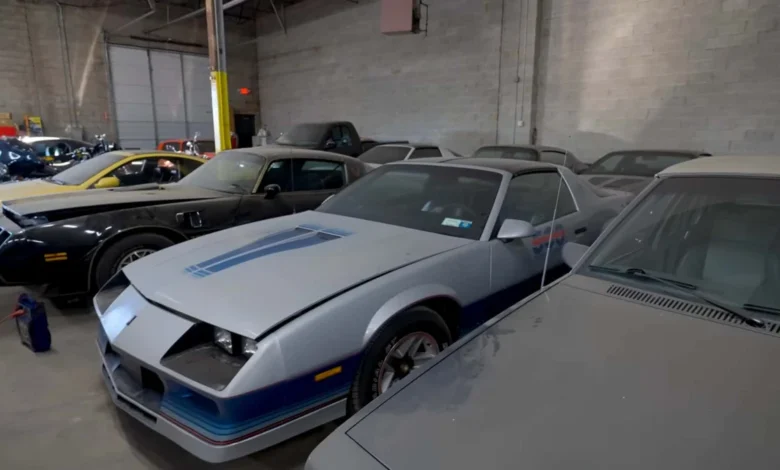
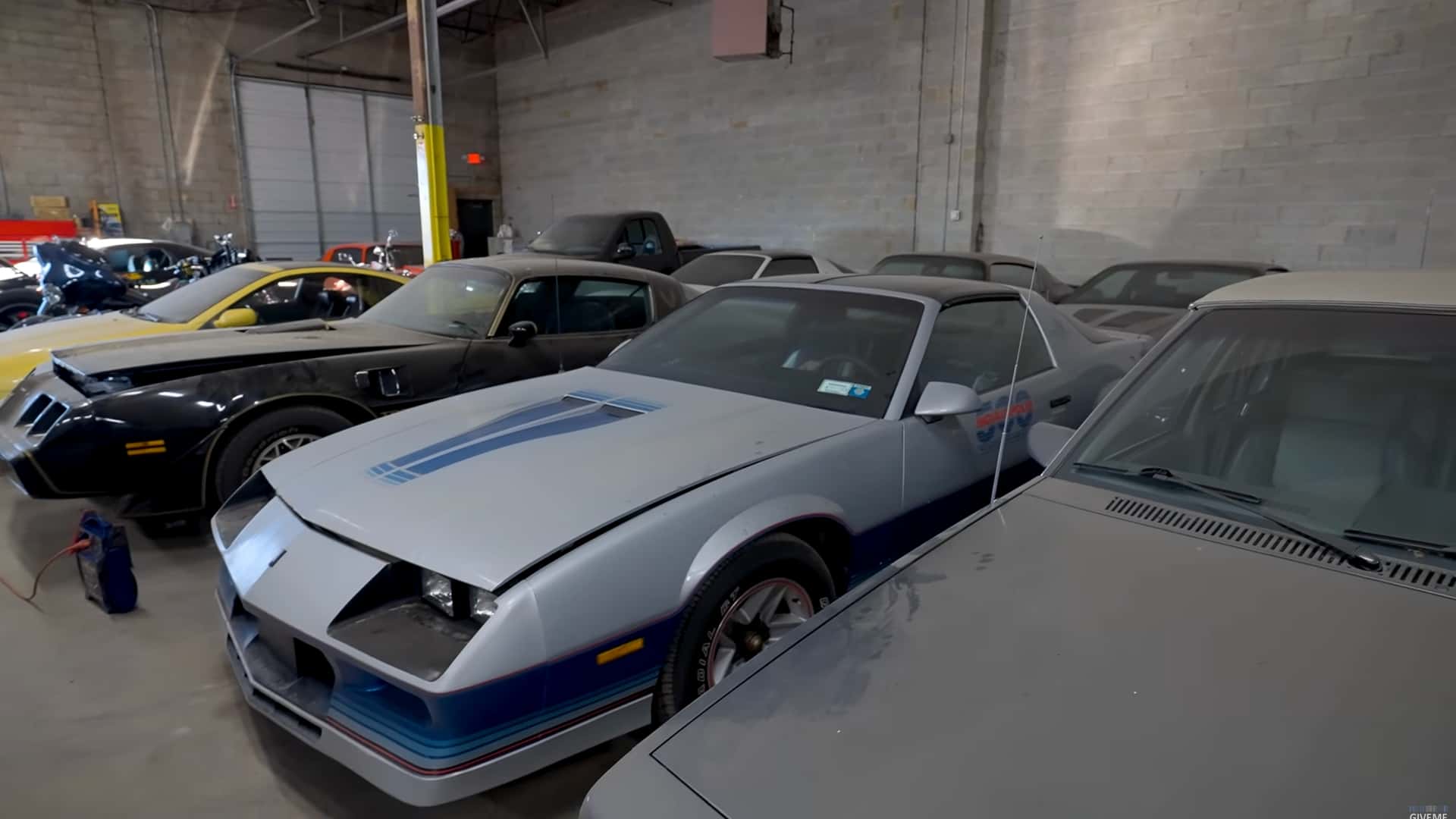
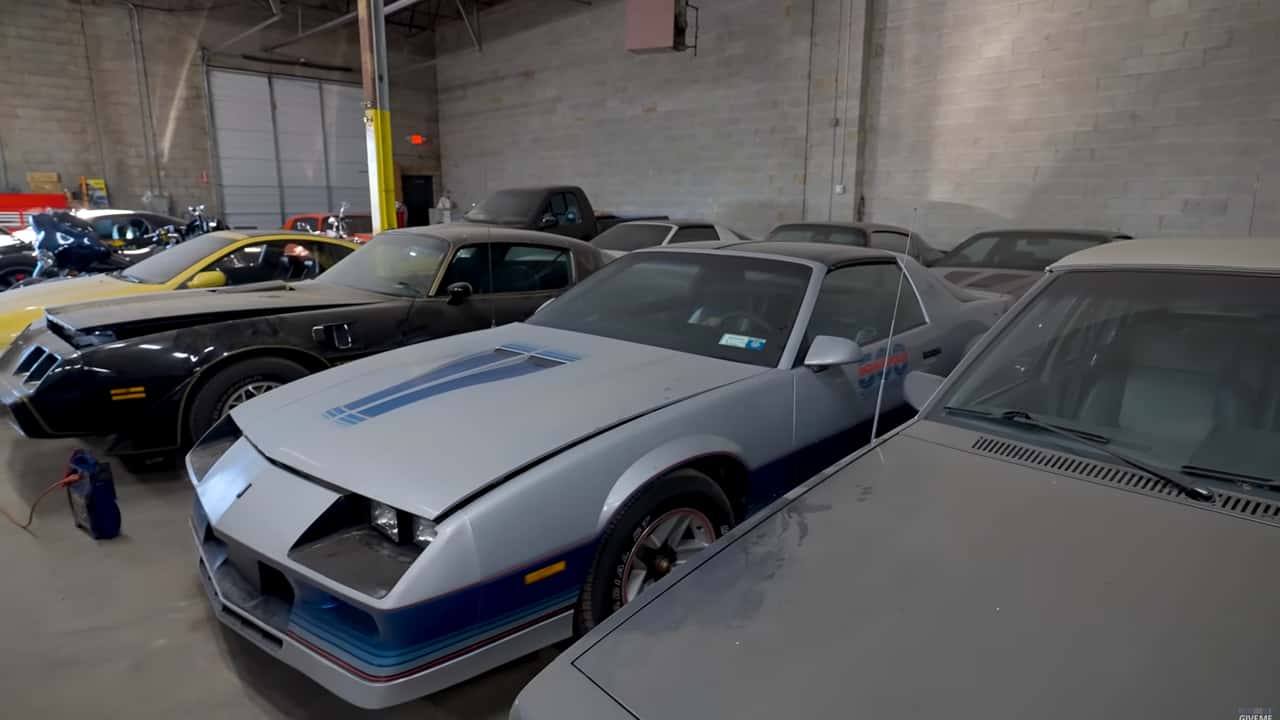
Many of the cars in the collection represent the "golden era" of the General Motors performance catalog. Among the notable inventory are multiple generations of the Chevrolet Camaro and the Pontiac Trans Am—two vehicles that defined the pony car segment for over three decades. Furthermore, the inclusion of several Buick Grand Nationals—a vehicle often cited by collectors as the ultimate "sleeper" of the 1980s due to its turbocharged V6 capability—underscores the intentionality behind the collection. While the focus remains predominantly on GM, the eclectic nature of the gathering is highlighted by the presence of a 2000 Ford SVT Lightning, a performance truck that has seen a significant surge in collector interest over the last five years.
Notable Acquisitions and Market Valuation
In the recent documentation of the collection, John Clay Wolfe evaluated several standout pieces that illustrate the caliber of the inventory. One of the primary focal points is a 1985 Chevrolet Camaro IROC-Z, a model that remains a cornerstone of 1980s automotive design. With an odometer reading of just 200 miles, this specific unit is considered an "investment-grade" vehicle. Wolfe finalized the acquisition of this pristine example for $45,000, a figure that reflects both the scarcity of such low-mileage original examples and the current cooling but still high-value market for modern classics.
Conversely, the collection also includes "project-level" vehicles that offer potential for restoration. A white-on-red Chevrolet Corvette C3, secured for $7,000, serves as a testament to the diverse range of vehicles held by the dealer. While the Corvette suffers from transmission issues, the shell and interior integrity remain prime candidates for a restoration specialist. Wolfe noted that the negotiation process was selective; he deliberately bypassed several vehicles where the acquisition cost versus the anticipated repair overhead did not align with a viable profit margin, demonstrating the professional discipline required in the high-stakes world of classic car flipping.
Chronology of the Sale
The process of bringing these vehicles to the open market began with a rigorous audit of the collection’s condition. Many of these cars had been stored in climate-controlled environments for years, necessitating a comprehensive assessment of mechanical components—such as rubber seals, fuel systems, and electronic sensors—that degrade over time even without operation.
Following the initial appraisal, the vehicles were prepared for their final transition to the auction block. The culmination of this effort is scheduled for December 23, at the Manheim Dallas facility. This auction represents a significant opportunity for collectors and dealers alike, as approximately 100 vehicles from this private collection will be offered without reserve. The "no-reserve" designation is a crucial detail for potential buyers, as it ensures that every vehicle will find a new owner regardless of the final hammer price, thereby creating a true market test for the collection’s value.
Market Context and Industry Implications
The decision to sell a collection of this magnitude during the holiday season is a strategic move that reflects broader trends in the classic car industry. Currently, the market for "modern classics"—vehicles manufactured between 1980 and 2005—is experiencing a period of intense growth. As the generation that grew up with these vehicles gains more disposable income, the demand for pristine examples of the IROC-Z, the Grand National, and the SVT Lightning has reached an all-time high.
According to automotive market analysts, vehicles with extremely low mileage are increasingly viewed as "blue-chip" assets. Unlike real estate or traditional securities, these automobiles offer both a tangible connection to automotive history and a hedge against inflation. However, the market is also becoming more discerning. Buyers are no longer content with just "any" classic car; they are seeking vehicles with verifiable documentation, original paint, and a clear chain of ownership. The collection being sold in Dallas satisfies these requirements, as the long-term owner maintained meticulous records throughout the forty-year holding period.
Logistics and Participation Requirements
Potential bidders should be aware that the December 23 sale is not a retail-level event open to the general public. Per the regulations of the Manheim auction platform, participants are required to possess a valid automotive dealer’s license. This restriction is standard practice for wholesale auction houses, which operate as business-to-business (B2B) environments.
For the average enthusiast who lacks a dealer’s license, the event serves as a bellwether for the broader market. The final sale prices achieved at this auction will likely influence the valuation of similar models across secondary markets, such as Bring a Trailer or Cars & Bids, in the first quarter of the following year. Observers can expect that highly original, low-mileage examples—particularly those with the iconic "IROC" or "Turbo" badging—will command significant premiums, while high-mileage or modified examples will serve as a baseline for the entry-level enthusiast segment.
Broader Impact on the Muscle Car Legacy
The dispersal of this Ohio collection marks the end of a specific era of hoarding. In the automotive world, the act of "saving" cars is often met with mixed reviews; while it preserves history, it keeps significant pieces of machinery out of the hands of those who might drive and enjoy them. By releasing these vehicles into the market, the owner is effectively re-injecting a significant portion of GM’s performance history back into circulation.
This event also highlights the evolution of the dealer-collector archetype. In previous decades, dealers often kept cars for personal enjoyment with little intention of selling. Today, with the rise of digital auction platforms and the increasing liquidity of the classic car market, there is a stronger incentive to liquidate long-term holdings. The shift from a private "garage museum" to the auction floor is a reflection of a market that is more accessible, more transparent, and more eager than ever to acquire the performance icons of the late 20th century.
As the industry looks toward 2025, the results of this sale will provide valuable data on the appetite for American muscle. If the auction meets or exceeds the expected valuations, it will reinforce the narrative that the "modern classic" movement is far from a temporary trend, but rather a permanent fixture in the collector car hobby. For now, the automotive community waits to see which of these legendary machines will be restored to their former glory, which will be maintained as static museum pieces, and which will finally be taken out on the road to fulfill the purpose for which they were originally engineered.