Venice International Critics’ Week Announces Diverse and Provocative Lineup for 41st Edition

The Settimana Internazionale della Critica (International Critics’ Week), a prestigious parallel sidebar at the Venice Film Festival, has unveiled its highly anticipated lineup for its 41st edition. Organized by the Union of Italian Film Critics (SNCCI), this section is dedicated to championing the voices of emerging filmmakers and showcasing their bold, often challenging, cinematic visions. For its upcoming iteration, the Critics’ Week will present a total of nine feature films, with seven vying for top honors in competition and two offering special out-of-competition screenings. The curated selection promises a global tapestry of stories, exploring themes ranging from historical trauma and technological anxieties to social inequality and the complexities of contemporary identity.
A Global Stage for Emerging Talent
The International Critics’ Week has a storied history of identifying and nurturing groundbreaking talent, having previously presented early works from acclaimed directors such as Kevin Reynolds, Mike Leigh, Olivier Assayas, Harmony Korine, Pedro Costa, and Pablo Trapero. Its legacy also extends to significant contributions to Italian cinema, having showcased the nascent careers of luminaries like Carlo Mazzacurati, Sergio Rubini, Antonio Capuano, Roberta Torre, and Gianni Di Gregorio. This year’s edition, helmed by General Delegate Beatrice Fiorentino and her committee members Matteo Berardini, Marianna Cappi, Francesco Grieco, and Marco Romagna, continues this tradition of foresight, offering a platform for films that push artistic boundaries and engage with pressing global issues. The 41st Venice International Critics’ Week is scheduled to run from September 2 to September 12, concurrently with the 83rd Venice International Film Festival, on the picturesque Venice Lido.
Colombia’s Powerful Resonance: Memory, Violence, and AI
This year’s selection features a particularly strong representation from Colombia, with two films delving into the nation’s turbulent and often painful past. Bibiana Rojas Gómez and Juan David Cárdenas will present The End of Times, a radical essay film that masterfully employs archival footage and cutting-edge artificial intelligence to confront and re-examine collective memory and the enduring legacies of colonialism. This innovative approach promises a unique cinematic experience, blending historical reflection with futuristic technology to question how we understand and process our past.
Joining them is fellow Colombian Sebastiá n Múnera with Meteorite. This film is described as an intense, female-centered narrative set in a landscape still deeply scarred by the specter of violence. Meteorite is poised to offer a raw and intimate portrayal of resilience and the enduring impact of conflict on individuals and communities. The inclusion of these two films underscores the ongoing critical importance of addressing historical narratives and their contemporary reverberations, particularly within regions grappling with significant socio-political upheaval.
Dystopian Futures, Queer Identities, and Environmental Concerns
The competition slate extends to a diverse array of international perspectives. Tunisian director Kamel Laaridhi’s dystopian drama, The H@llow Man, imagines a chilling future where human emotions and memories are meticulously controlled and manipulated by advanced technology. This thematic exploration resonates with growing global concerns about the ethical implications of artificial intelligence and the potential for digital surveillance to erode personal autonomy.
From Brazil, Victor Di Marco and Márcio Picoli make their feature directorial debut with London. This queer narrative is positioned as a celebration of physicality, desire, and the unalienable right to self-determination. By placing these themes at its core, London is expected to contribute a vital voice to contemporary discussions on LGBTQ+ representation and the pursuit of individual freedom in a diverse society.
Family, Inequality, and the Climate Crisis: A Timely Debut
Adding another significant voice to the competitive lineup is Chilean-Indian, London-based director Shalini Adnani with Our Share of Sand. This timely family drama is set to explore the intertwined issues of social inequality and the escalating environmental crisis. Adnani’s film garnered attention earlier this year when it was showcased at Cannes in its project stage as part of the British Film Institute’s esteemed Great 8 initiative, a program designed to highlight promising debut films from the UK. The film’s inclusion in the Critics’ Week signifies a further validation of its potential to resonate with audiences and provoke thoughtful dialogue on these critical global challenges.
Italian Coming-of-Age and Gen Z Anxieties
Italy, as the host nation, is represented in the competition by Tommaso Usberti’s Prima della Guerra. This intense coming-of-age story is set in the Po Valley and is lauded for its mature and insightful examination of contemporary masculinity. The film is anticipated to offer a nuanced portrayal of the pressures and evolving expectations faced by young men in today’s world.
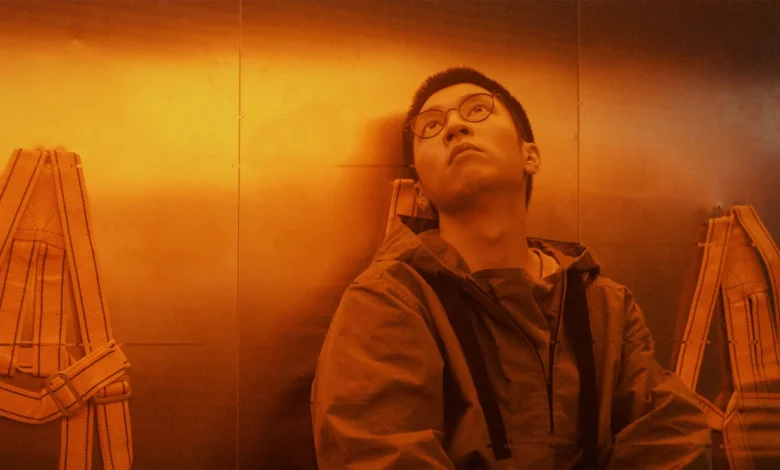
Rounding out the competitive features is Zoom In, Zoom Out by Chinese filmmaker Dong Jie. This work promises a compelling blend of mystery, online gaming, and urban alienation, aiming to capture the unique anxieties and experiences of Generation Z. In an era increasingly defined by digital connectivity and social fragmentation, Dong Jie’s film is poised to offer a poignant reflection on the lived realities of a generation coming of age in a rapidly changing world.
Out-of-Competition: Noir, Musicals, and Social Commentary
The out-of-competition section will bookend the festival with two distinctive films. Marco Santi’s existential noir, Il grande Giaffa, starring Edoardo Pesce, will have the honor of opening the Critics’ Week. This film is expected to immerse audiences in a darkly atmospheric narrative, exploring the depths of human experience through the lens of classic noir.
The closing film will be Rider, the latest work from the award-winning filmmaking and musical duo Roan Johnson and Davide Pavanello, known collectively as Dade. Rider is described as an urban musical that utilizes the vibrant and expressive language of rap to explore themes of precarious work, the universal desire for emancipation, and the complex conflicts shaping a new, evolving Italy. This choice signals a commitment to showcasing films that are both artistically innovative and socially relevant, reflecting the dynamism of contemporary Italian culture.
Context and Significance of the International Critics’ Week
The Venice International Critics’ Week, established in 1984 by Lino Miccichè, holds a significant position within the broader Venice International Film Festival. Unlike the main festival’s competition, which often features established auteurs and more traditional cinematic narratives, the Critics’ Week is deliberately programmed to spotlight emerging directorial talent and experimental approaches to filmmaking. Its focus on "first and second films" ensures a constant influx of fresh perspectives and daring storytelling.
The selection process itself is a rigorous undertaking, with the SNCCI committee meticulously reviewing hundreds of submissions from around the globe. The decision to include films like The End of Times, which incorporates artificial intelligence, or The H@llow Man, which tackles technological control, reflects a forward-thinking approach that engages with the most pressing contemporary issues through innovative cinematic means. The strong Colombian presence, for instance, can be seen as a testament to the growing global recognition of Latin American cinema’s power to articulate complex historical and social realities.
The presence of Our Share of Sand in the lineup, following its showcase at Cannes, highlights a trend of films tackling socio-environmental concerns with increasing urgency. This indicates a growing awareness among filmmakers and festival programmers of the need to address the climate crisis and its impact on communities worldwide.
The inclusion of films like London and Prima della Guerra further emphasizes the Critics’ Week’s commitment to exploring diverse identities and challenging societal norms. These films offer crucial representation and delve into the nuances of human experience, providing audiences with opportunities to connect with characters and narratives that may differ from their own.
Implications and Future Outlook
The lineup for the 41st Venice International Critics’ Week signals a robust and diverse cinematic landscape, indicative of a global film community actively grappling with complex societal issues and experimenting with new forms of storytelling. The emphasis on emerging talent suggests a healthy pipeline of future cinematic voices, poised to shape the industry in the years to come. The films selected are likely to spark considerable debate and critical analysis, both within the festival circuit and beyond, contributing to broader cultural conversations on memory, identity, technology, and sustainability.
The fact that the Critics’ Week is a non-competitive section, focusing on discovery and critical appreciation rather than awarding prizes, further underscores its unique mission. It provides a vital space for filmmakers to showcase their work to an international audience of critics, distributors, and industry professionals, fostering opportunities for distribution and further development. The presence of established figures in Italian cinema, like Roan Johnson and Davide Pavanello, in the out-of-competition section, also demonstrates the Critics’ Week’s ability to attract both nascent and more established talent, reinforcing its credibility and appeal.
As the 41st edition unfolds, audiences can anticipate a compelling and thought-provoking cinematic journey, offering a glimpse into the future of filmmaking and the pressing concerns that define our contemporary world. The International Critics’ Week continues to serve as an essential barometer of cinematic innovation and a crucial platform for the voices that will undoubtedly shape the discourse of cinema for years to come.