International Court of Justice Declares Clean and Healthy Environment a Fundamental Human Right in Landmark Ruling

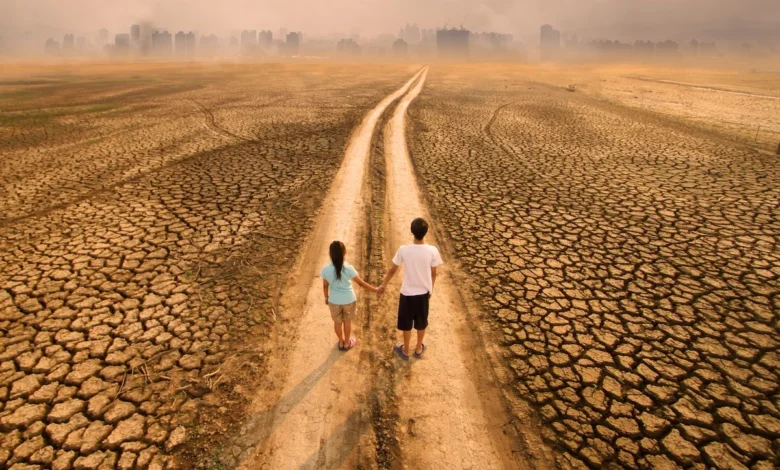
In a monumental development for international jurisprudence and environmental advocacy, the International Court of Justice (ICJ) issued a historic advisory opinion on Wednesday, July 23, 2025, affirming that a clean, healthy, and sustainable environment is a fundamental human right. This landmark ruling by the United Nations’ highest court clarifies the legal obligations of sovereign states to mitigate the climate crisis, effectively bridging the gap between environmental protection and established human rights law. The decision marks a critical juncture in the global effort to combat climate change, providing a robust legal framework that could reshape how nations are held accountable for their carbon footprints and their contributions to planetary degradation.
The Legal Basis of the Ruling
The ICJ’s advisory opinion, requested by the UN General Assembly following extensive lobbying by the Pacific Island nation of Vanuatu, posits that the protection of the environment is not merely a policy preference but an intrinsic duty of statehood. The court argued that a sustainable environment is a "precondition for the enjoyment of many human rights," including the right to life, health, and an adequate standard of living, as enshrined in the Universal Declaration of Human Rights.
By synthesizing commitments from the Paris Agreement, the Kyoto Protocol, and the Convention on Biological Diversity, the court established that member states possess a clear legal obligation to safeguard the Earth from greenhouse gas (GHG) emissions. The ruling emphasizes the principles of "due diligence" and international cooperation, asserting that failure to adhere to these standards incurs legal responsibility. Should a nation fail to act, it may face requirements to cease harmful activities, provide full reparations to affected parties, and implement guarantees to prevent future recurrence of such violations.
Chronology of a Global Movement
The path to this ruling began in 2021, when Vanuatu, a nation disproportionately threatened by rising sea levels and extreme weather, spearheaded a campaign for a UN resolution seeking legal clarity on climate obligations. The initiative was born from the grassroots activism of the Pacific Island Students Fighting Climate Change, a youth-led organization that recognized the need for a global judicial standard to hold major emitters accountable.
- 2021: Vanuatu formally announces its intent to seek an ICJ advisory opinion on climate change obligations.
- March 2023: The UN General Assembly adopts a resolution by consensus, formally requesting the ICJ to issue an advisory opinion on the legal duties of states regarding climate harm.
- December 2024: The ICJ hosts a two-week series of oral proceedings in The Hague, witnessing the largest participation in the court’s history, with 97 states presenting arguments and 91 written statements submitted.
- July 2025: The Court issues its final advisory opinion, codifying the obligation of states to protect the environment under international law.
The sheer volume of participation—the largest in the ICJ’s history—underscores the global urgency of the issue. During the December hearings, representatives from climate-vulnerable nations argued that the burden of legal responsibility for climate-related catastrophes should fall primarily on high-emission countries. Conversely, some of the world’s largest polluters attempted to limit the scope of the debate, asserting that their responsibilities were strictly confined to the voluntary commitments outlined in the Paris Agreement.
Supporting Data and Scientific Context
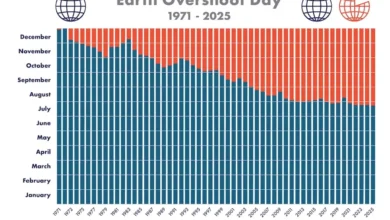
The court’s decision arrives against a backdrop of escalating climate instability. According to the 2024 Lancet Countdown on Health and Climate Change, the impacts of rising temperatures on human health—ranging from heat-related mortality to the proliferation of infectious diseases—are reaching record highs. Atmospheric carbon dioxide levels have continued to trend upward, with 2024 seeing some of the highest concentrations of GHGs in human history.

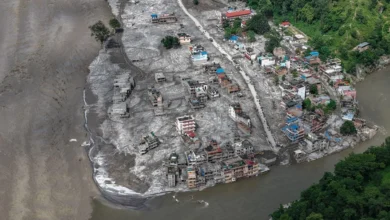
The ICJ noted that the consequences of climate change are "severe and far-reaching," impacting both fragile ecosystems and human populations globally. By codifying that these impacts constitute a violation of human rights when states fail to perform their duties, the court has effectively shifted the narrative from "moral obligation" to "legal necessity." This data-driven approach by the court acknowledges that the science of climate change is now sufficiently mature to support judicial intervention.
Official Responses and Institutional Reactions
The response from the international community has been largely supportive, though tempered by the recognition that advisory opinions, while not legally binding in a narrow sense, carry profound moral and legal weight.
Vanuatu’s Prime Minister, Jotham Napat, characterized the ruling as a "turning point in the fight for climate justice." Napat noted that the process has successfully "elevated the voices of climate-vulnerable nations" and established a foundation for future litigation. International organizations such as Oxfam have also lauded the decision, with spokesperson statements highlighting the necessity of this ruling in compelling wealthy, high-emitting nations to adopt more aggressive decarbonization strategies.
The legal community anticipates that this opinion will be cited frequently in domestic courts. Legal experts suggest that the "due diligence" requirement mentioned by the ICJ will provide plaintiffs with the leverage to challenge government inaction, effectively turning international law into a tool for domestic environmental litigation.
Analysis: Broader Implications for Global Governance
While the advisory opinion does not possess the enforcement power of a security council resolution, its impact on international law is expected to be profound. By defining the legal consequences for states that cause environmental harm, the ICJ has provided a blueprint for future climate litigation.
- Clarification of State Responsibility: For years, major emitters have successfully avoided legal liability by arguing that climate change is a collective problem without a specific legal perpetrator. The ICJ ruling clarifies that, under international human rights law, individual states have measurable duties.
- The "Due Diligence" Standard: By explicitly mentioning "due diligence and cooperation," the court has set a standard that courts worldwide can use to measure the adequacy of national climate plans (NDCs). If a country’s climate policy is clearly insufficient to meet its international obligations, that country is now arguably in breach of its duty to protect human rights.
- Moral and Political Pressure: The ruling creates a new form of "reputational risk" for nations that continue to subsidize fossil fuels or ignore climate targets. Even without immediate sanctions, the court’s opinion provides a powerful narrative for diplomats and civil society organizations to pressure non-compliant states.
- Integration of Human Rights and Environment: This ruling formally recognizes that environmental policy is not a niche area of international law but is inextricably linked to the protection of human life. This integration will likely force human rights commissions and environmental agencies to work in tandem.
Conclusion: A New Legal Horizon
The International Court of Justice’s decision represents the most significant judicial intervention in the climate crisis to date. By declaring that a healthy environment is a human right, the court has stripped away the legal ambiguity that has allowed states to delay substantive action.
While the road ahead remains complex—as the court’s opinion must now be integrated into the domestic legal systems of nearly 200 nations—the ruling provides a clear moral and legal compass. It transforms the fight against climate change from a series of diplomatic negotiations into a fundamental legal obligation. As the world moves into the latter half of the decade, this landmark opinion will likely serve as the primary catalyst for the next generation of climate policy, ensuring that the protection of the planet is recognized not as a matter of charity, but as a non-negotiable duty to humanity itself. The era of legal accountability for climate harm has officially begun.