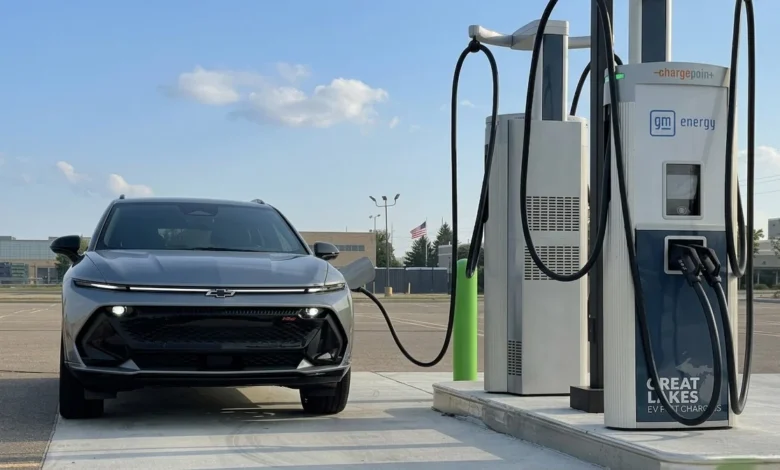
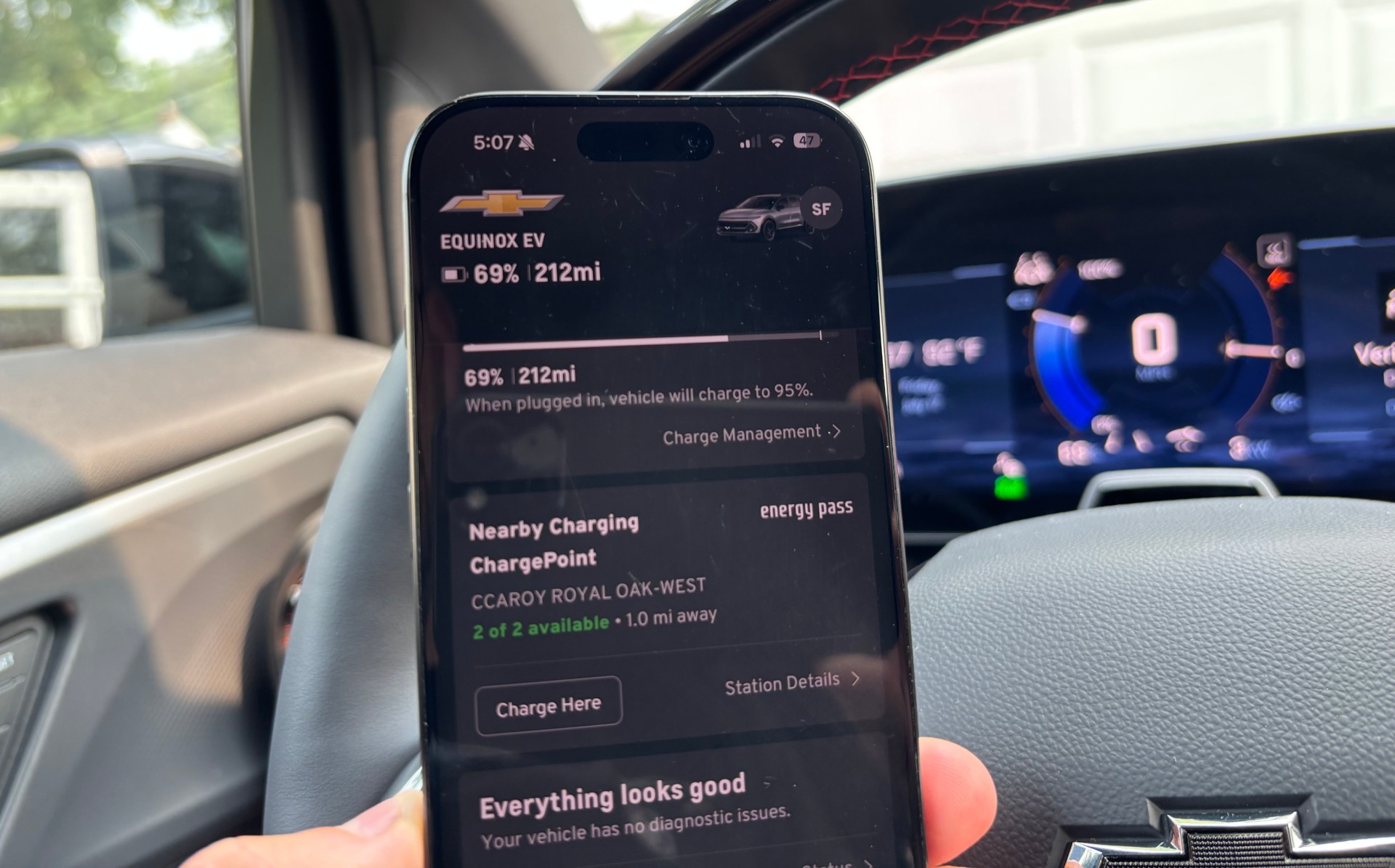
General Motors has announced a significant expansion of its electric vehicle ecosystem by fully integrating the ChargePoint charging network into its proprietary vehicle mobile applications. This strategic move allows drivers of Chevrolet, GMC, and Cadillac electric vehicles (EVs) to locate, initiate, and pay for charging sessions at tens of thousands of ChargePoint stations directly through the myChevrolet, myGMC, and myCadillac apps. The integration is facilitated through GM’s recently launched "Energy Pass" feature, a unified digital interface designed to streamline the public charging experience by eliminating the need for multiple third-party accounts and disparate software platforms.
The rollout of this integration represents a pivotal step in GM’s broader strategy to reduce the friction associated with EV ownership. For years, one of the primary hurdles for EV adoption has been "app fatigue," where drivers are forced to maintain separate digital wallets and applications for every charging provider they encounter on the road. By centralizing these functions within the native vehicle app, GM aims to provide a user experience that mirrors the simplicity of traditional refueling while leveraging the advanced connectivity of its Ultium-based vehicle lineup.
The Scope of the ChargePoint Integration
The inclusion of ChargePoint into the Energy Pass system brings a massive influx of available hardware to GM’s digital map. According to data from the federal Alternative Fuels Data Center as of early 2026, ChargePoint operates nearly 80,000 public charging ports across the United States. This infrastructure is comprised of approximately 75,000 Level 2 charging ports—ideal for workplace and overnight charging—and more than 4,400 DC fast-charging ports, which are essential for long-distance travel and rapid energy replenishment.

By bringing these assets under the Energy Pass umbrella, GM has significantly bolstered its network’s utility. The automaker estimates that with the addition of ChargePoint and other planned network integrations, Energy Pass users will eventually have seamless access to approximately 70% of all DC fast chargers currently operating or planned in the U.S. Furthermore, the ChargePoint partnership alone provides GM drivers with access to roughly 60% of all public Level 2 chargers in the country.
One of the most technically advanced features of this integration is the support for "Plug & Charge" technology at many ChargePoint locations. This protocol, based on the ISO 15118 international standard, allows the vehicle to communicate directly with the charger upon connection. The charger automatically identifies the vehicle, authenticates the account via the Energy Pass credentials, and initiates the charging session without the driver needing to swipe a card or tap a phone screen. Payment is then processed automatically through the payment method stored in the GM brand app, providing a truly "hands-off" experience.
Chronology of GM’s Charging Evolution
The journey toward a unified charging interface has been several years in the making for General Motors. The process began in earnest with the debut of the Ultium platform, which necessitated a more robust digital infrastructure to support a new generation of high-capacity EVs like the Cadillac LYRIQ and the Chevrolet Silverado EV.
In the early 2020s, GM began establishing "roaming agreements" with major charging providers, including EVgo and Electrify America. These early partnerships allowed for basic station location services within the vehicle’s navigation system but often required separate accounts for payment. Recognizing that a fragmented payment system was a deterrent to mass-market adoption, GM Energy was established as a dedicated business unit to oversee the holistic energy needs of customers, including home charging, vehicle-to-home (V2H) power, and public charging.
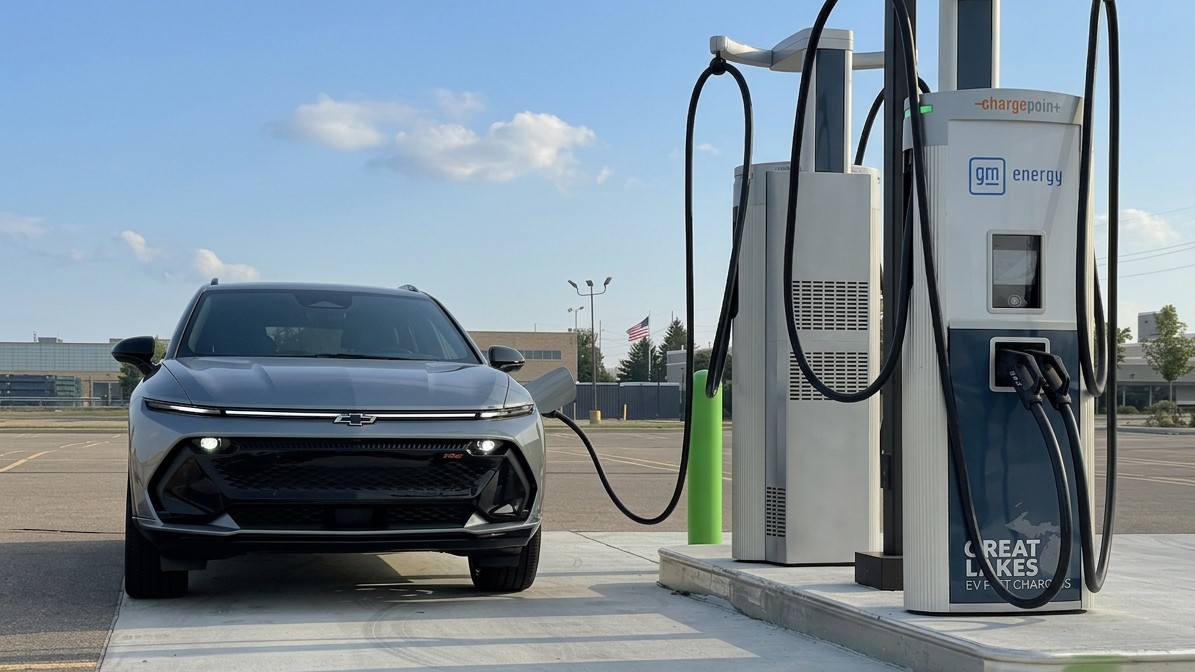
The "Energy Pass" was officially launched in mid-2026 as the culmination of these efforts. It was designed to act as a "universal key" for the North American charging landscape. The first few weeks of the Energy Pass launch focused on consolidating existing GM partnerships into a single billing interface. The addition of ChargePoint, announced this month, marks the largest single expansion of the service to date, effectively doubling the number of reachable ports for many users in suburban and urban environments where ChargePoint’s Level 2 footprint is particularly dense.
Technical Analysis: The Importance of Interoperability
The integration of ChargePoint into GM’s apps is more than a marketing convenience; it is a sophisticated exercise in software interoperability. Modern EV charging involves a complex handshake between the vehicle’s Battery Management System (BMS), the charging station’s hardware, and the cloud-based servers of both the automaker and the network provider.
Historically, these systems operated in "silos." A ChargePoint station would communicate with the ChargePoint cloud, which would then require a user to authenticate via the ChargePoint app. By integrating these APIs (Application Programming Interfaces) directly into the GM mobile architecture, GM is essentially acting as a clearinghouse for data and payments. This reduces the "failure points" for a driver. If a station is out of service, the GM app can receive that data in real-time from ChargePoint’s network and reroute the driver before they arrive at a broken charger—a common pain point in the current EV landscape.
Furthermore, this integration supports GM’s commitment to the North American Charging Standard (NACS). As the industry shifts toward a unified connector and communication protocol, the ability for software to bridge different networks becomes the primary differentiator for automotive brands. GM is positioning itself not just as a manufacturer of hardware, but as a service provider that manages the entire "energy lifecycle" of the vehicle.
Industry Implications and Market Context
The move by GM to integrate ChargePoint comes at a time of intense competition in the EV sector. Tesla has long held a competitive advantage due to its vertically integrated Supercharger network, which offers a seamless "plug-and-go" experience that other manufacturers have struggled to replicate. By building the Energy Pass and securing deep integrations with providers like ChargePoint, GM is effectively creating a "virtual" Supercharger network that rivals Tesla’s in terms of ease of use, while exceeding it in terms of the total number of available Level 2 and DC fast-charging locations.
Industry analysts suggest that this "ecosystem-led" approach is essential for capturing the next wave of EV buyers—those who are less tech-savvy than early adopters and who demand a refueling experience that is as reliable and straightforward as the gasoline model.
"The goal for GM is to make the brand app the only tool the driver needs," says automotive tech consultant Marcus Thorne. "If a Chevrolet owner has to download five different apps to take a road trip, they might perceive the vehicle as being less capable. If they can do everything through the myChevrolet app, the vehicle feels like part of a cohesive, supportive system. This integration with ChargePoint is a massive win for user retention and brand loyalty."
Statements and Future Outlook
While official statements from the leadership at GM and ChargePoint emphasize the "customer-centric" nature of the deal, the strategic benefits are clear for both parties. For ChargePoint, the integration ensures higher utilization rates for its stations. By being a "preferred" and integrated partner in the apps of one of the world’s largest automakers, ChargePoint stations will likely see increased traffic from GM’s growing fleet of Ultium EVs.

For GM, the benefit lies in data and control. By managing the payment and authentication process, GM gains valuable insights into charging patterns, which can be used to improve future vehicle designs and grid management services. It also allows GM to offer bundled charging credits or subscription-based "energy plans" to new buyers, adding a recurring revenue stream to their business model.
Looking ahead, GM expects to continue this aggressive expansion. The company has signaled that more network integrations are in the pipeline for the latter half of 2026 and into 2027. The ultimate goal is to reach a point where nearly every public charger in North America is accessible via the Energy Pass.
As the federal government continues to pour billions into the National Electric Vehicle Infrastructure (NEVI) Formula Program, the number of public ports is expected to skyrocket. GM’s proactive stance in building the software "bridge" to these chargers today ensures that their customers will be the primary beneficiaries of this infrastructure boom tomorrow.
In conclusion, the integration of ChargePoint into GM’s brand apps via the Energy Pass is a transformative development for the American EV market. It addresses the critical issues of charging accessibility, payment simplicity, and software reliability. For the GM EV driver, the payoff is a significantly expanded horizon of charging options, all accessible through the familiar interface of their smartphone, making the transition to electric mobility more viable and less stressful than ever before.
Related posts: