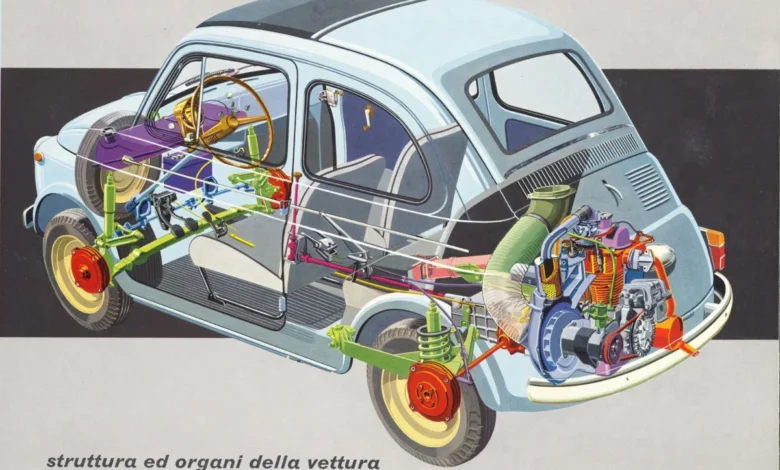
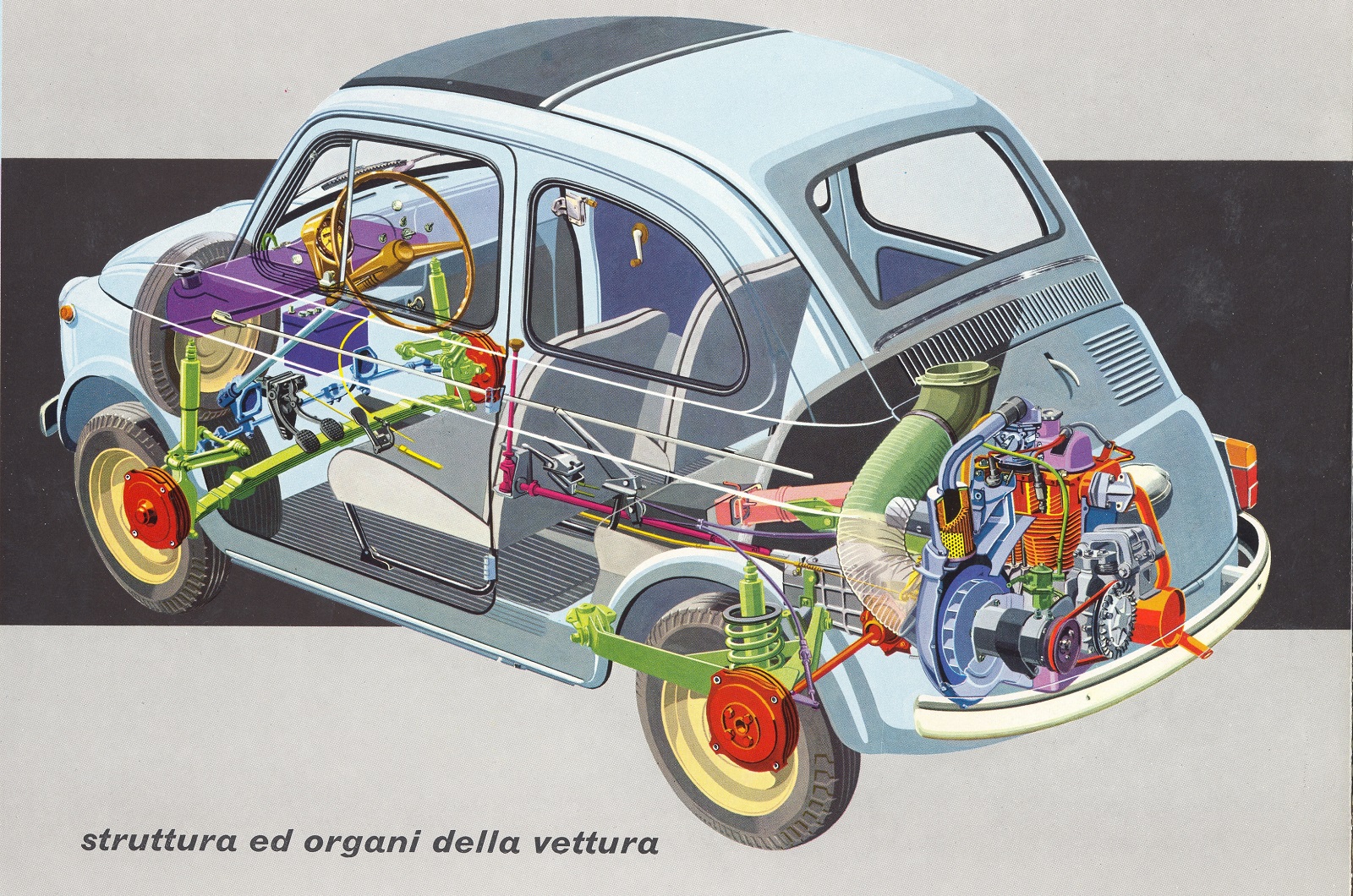
The landscape of global motoring in the mid-20th century was defined by a mechanical silhouette that has nearly vanished from the modern mainstream: the rear-engined, rear-wheel-drive layout. For an entire generation of drivers across Europe, South America, and Asia, the hum of an air-cooled or small water-cooled engine emanating from behind the passenger cabin was the standard soundtrack to mobility. This configuration, which placed the heavy powertrain over the driving wheels, was not merely a stylistic choice but a calculated response to the economic and engineering constraints of the post-World War II era. By moving the engine to the back, manufacturers could eliminate the bulky transmission tunnel that bisected the interior of front-engined, rear-drive cars, thereby maximizing cabin space within a compact footprint. Furthermore, the integration of the engine, transmission, and differential into a single transaxle unit at the rear significantly reduced manufacturing costs and complexity, making car ownership accessible to the masses for the first time.
The Engineering Philosophy of the Rear-Engine Revolution
The primary driver behind the adoption of the rear-engine layout was the necessity for affordable "people’s cars." In the decade following 1945, much of the world was rebuilding from the devastation of war. Consumers needed transport that was cheap to purchase, easy to maintain, and fuel-efficient. Dante Giacosa, the legendary Fiat engineer who designed the Fiat 600 and 500, articulated the industry’s rationale in his memoirs. Giacosa noted that while front-wheel drive offered technical advantages in terms of space and handling, the cost of developing reliable constant-velocity joints—necessary for steering and driving the front wheels simultaneously—was prohibitively high for an economy model. The rear-engine arrangement provided the most cost-effective path to a flat floor and a spacious interior.

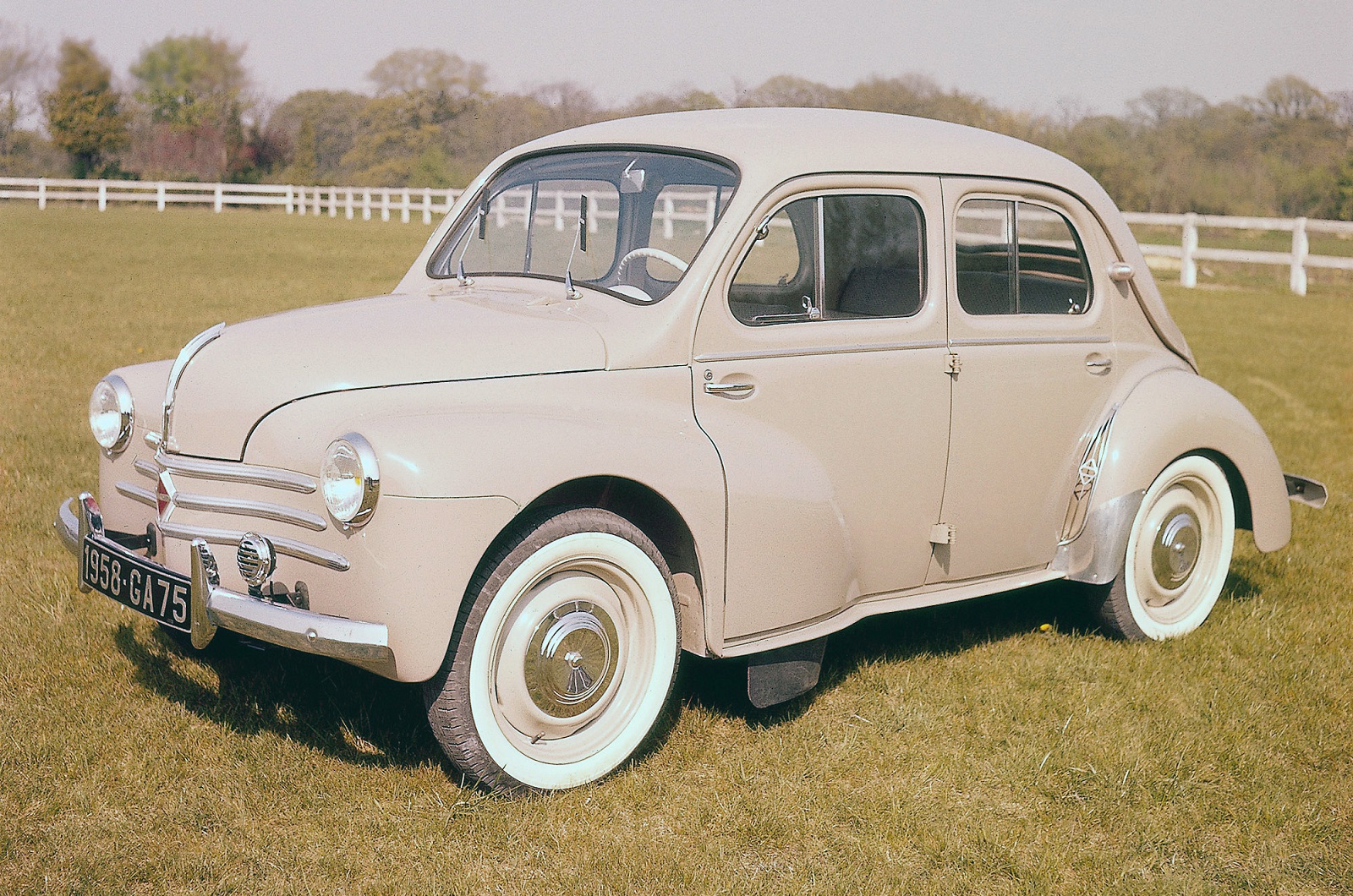
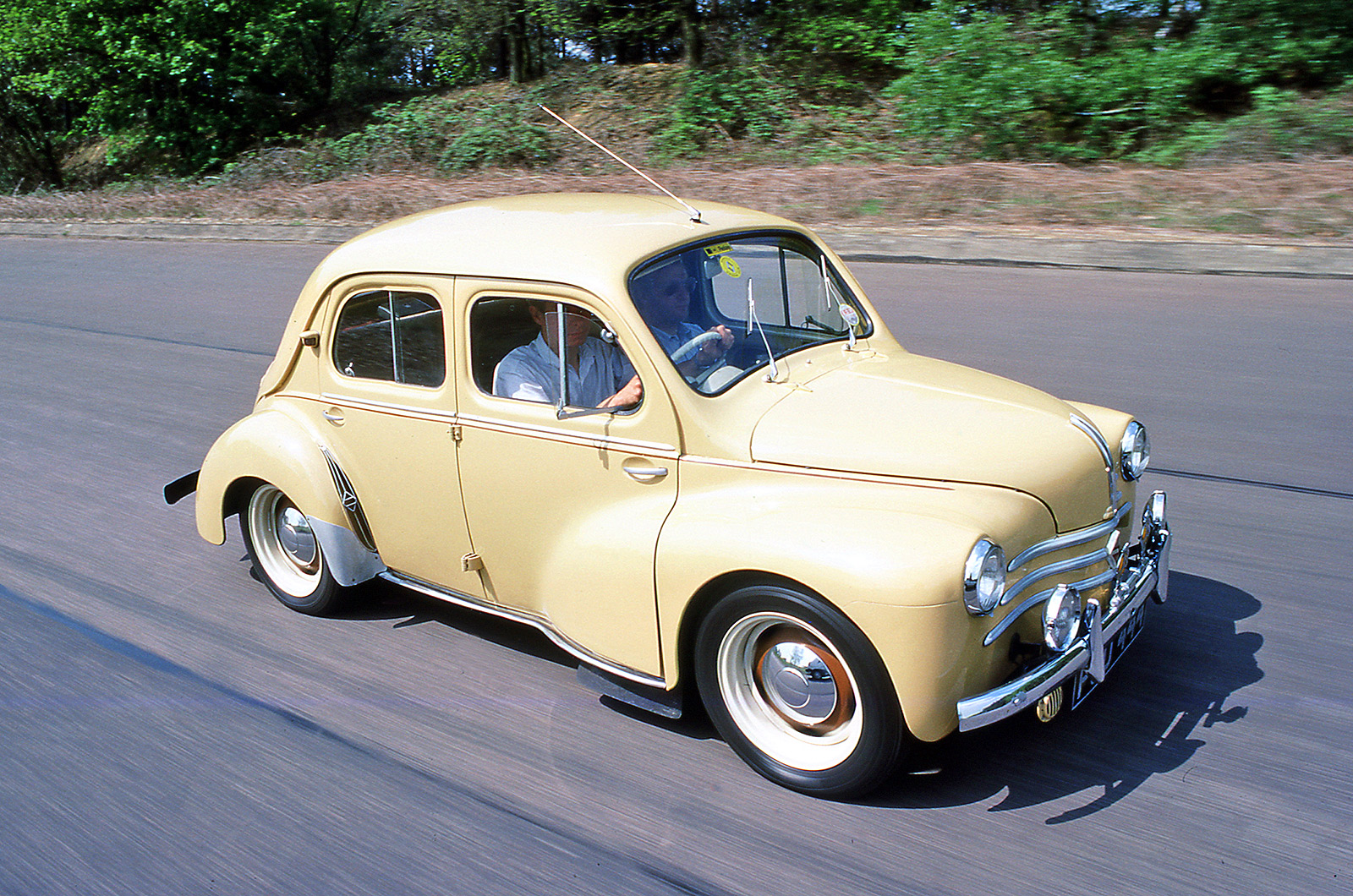
Beyond cost, the layout offered practical benefits for the era’s infrastructure. With the weight of the engine sitting directly over the rear wheels, these cars possessed exceptional traction on unpaved roads, mud, and snow. This made models like the Volkswagen Beetle and the Renault 4CV particularly popular in rural areas and developing markets where paved highways were a luxury.
The Czechoslovakian Origins and the Aerodynamic Influence
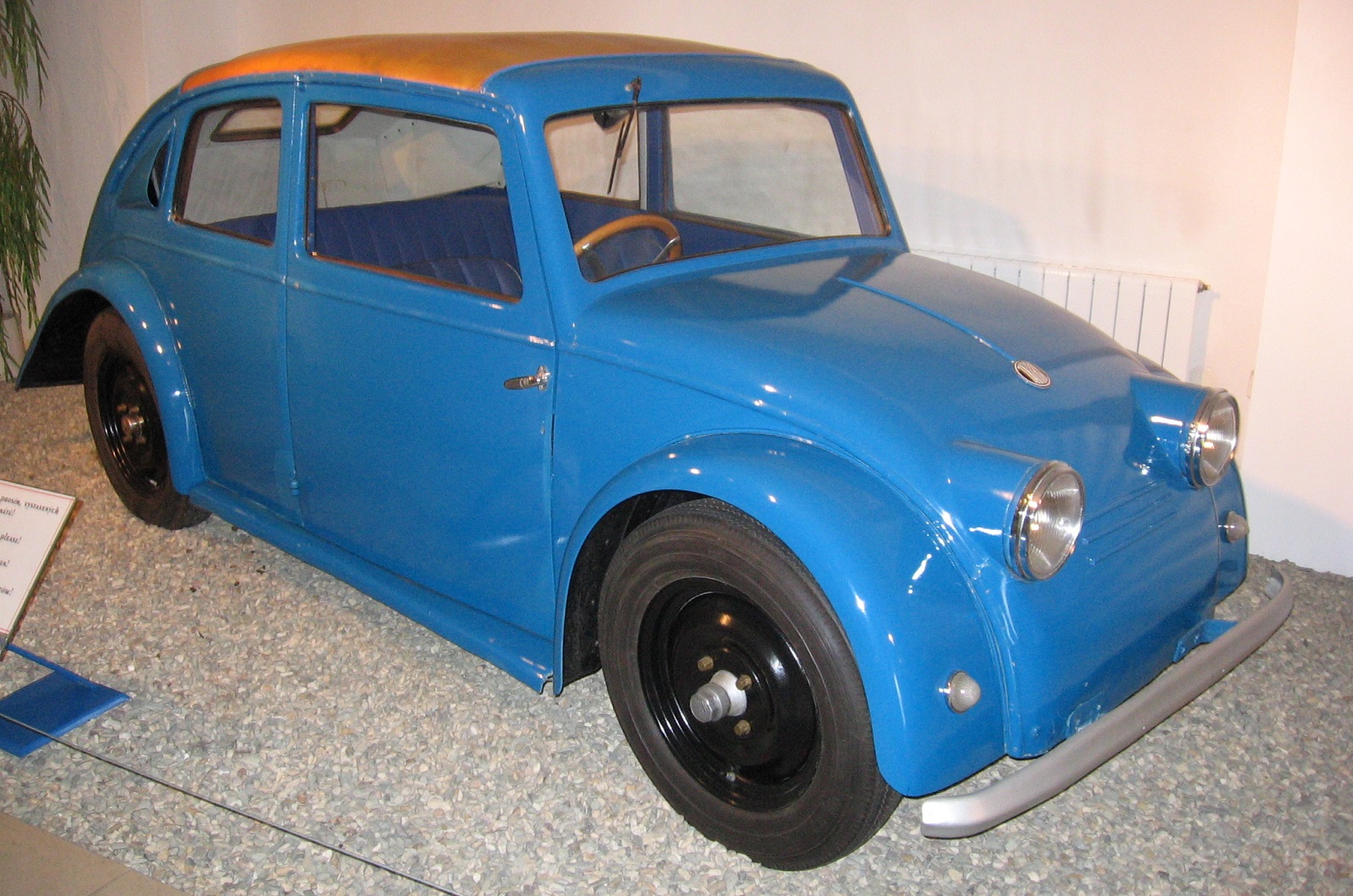
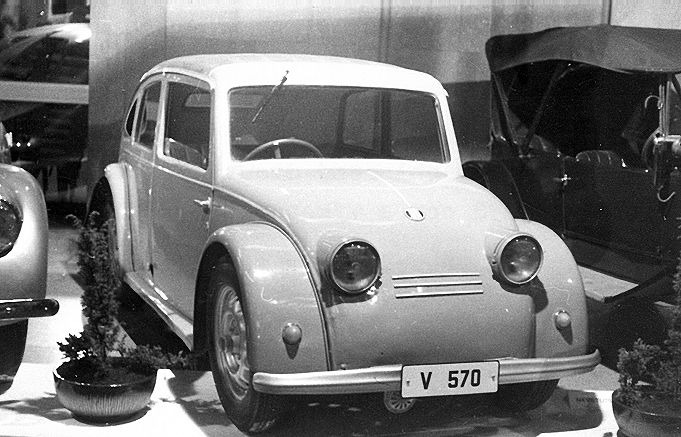
While the Volkswagen Beetle is the most famous proponent of the rear-engine layout, the concept’s roots can be traced back to Czechoslovakia and the pioneering work of Hans Ledwinka at Tatra. In 1931, Tatra developed the V570 prototype, a small, streamlined car with a rear-mounted engine. Ledwinka argued that this placement allowed for a more aerodynamic "teardrop" shape, as the front of the car could be kept low and rounded without the need to accommodate a radiator or a vertical engine block.
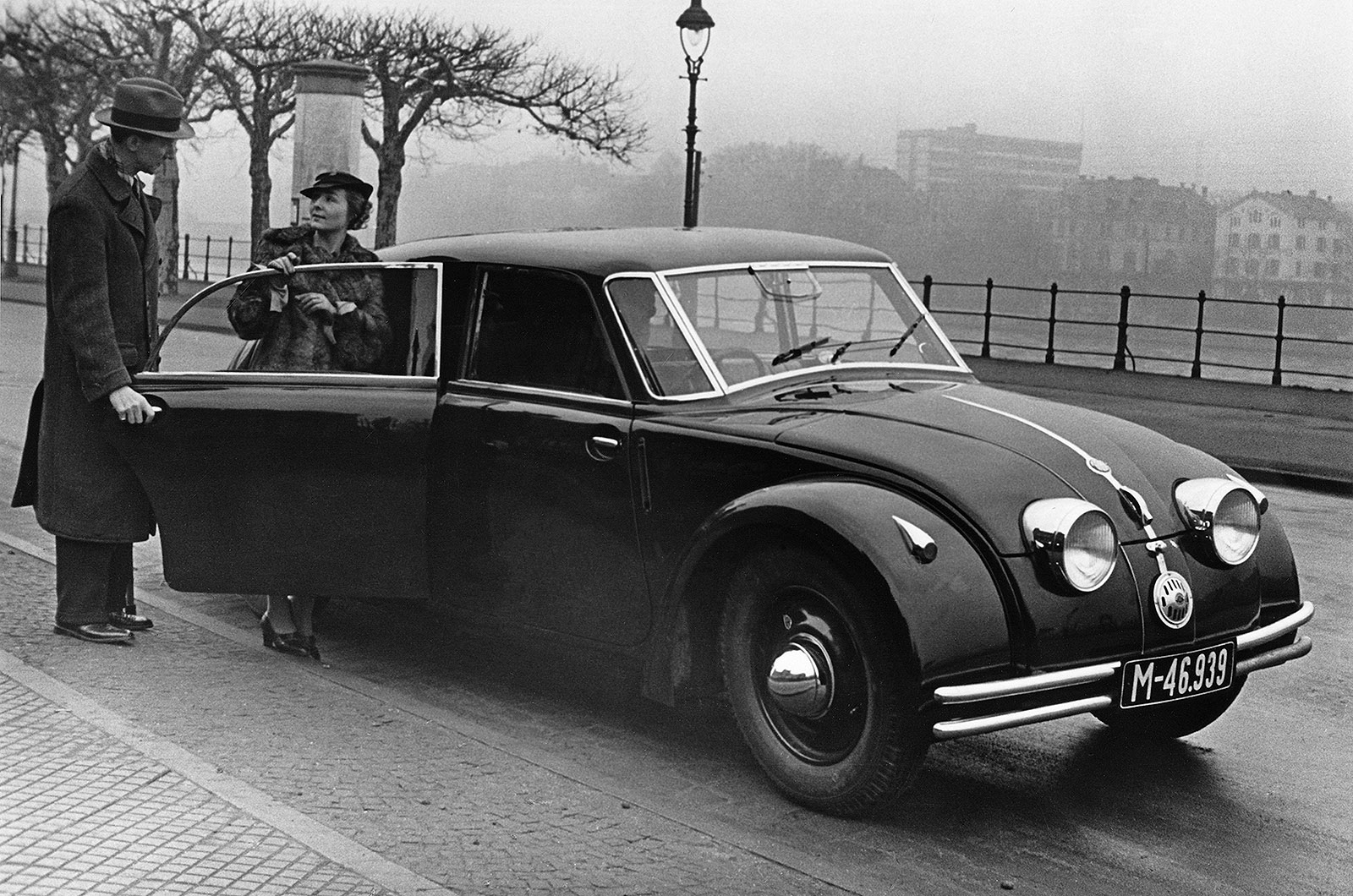
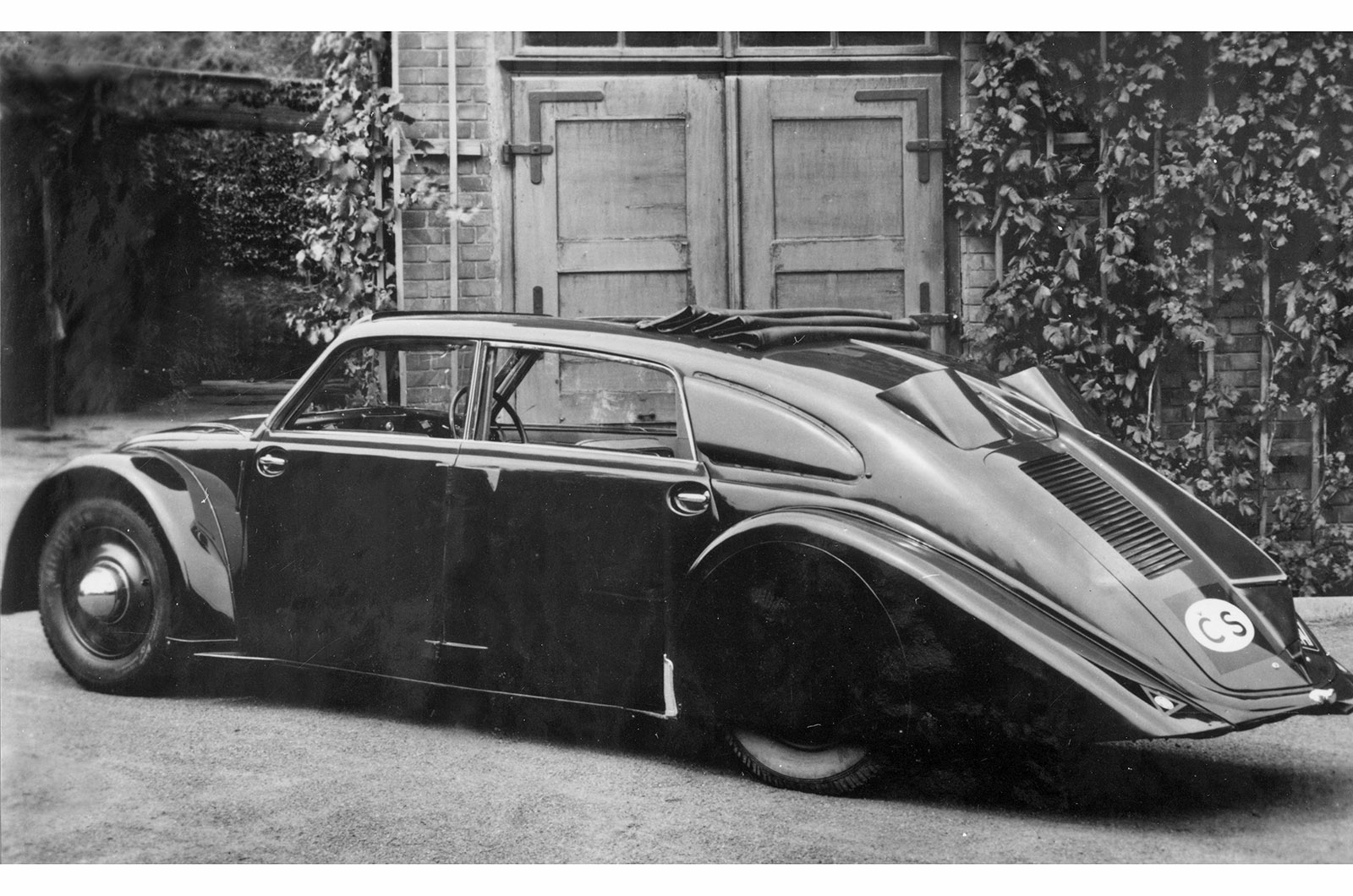
This philosophy culminated in the 1934 Tatra 77, a luxury car featuring a rear-mounted, air-cooled V8. Though only approximately 250 units were produced, the Tatra 77 and its successor, the T87, proved that the layout was viable for high-performance, high-speed travel. The influence of Tatra’s designs on Ferdinand Porsche during the development of the Volkswagen Beetle was so profound that it eventually led to a post-war legal settlement in which Volkswagen paid 3 million Deutsche Marks to Tatra for patent infringements.
The Era of the Global Icons: Volkswagen and Fiat
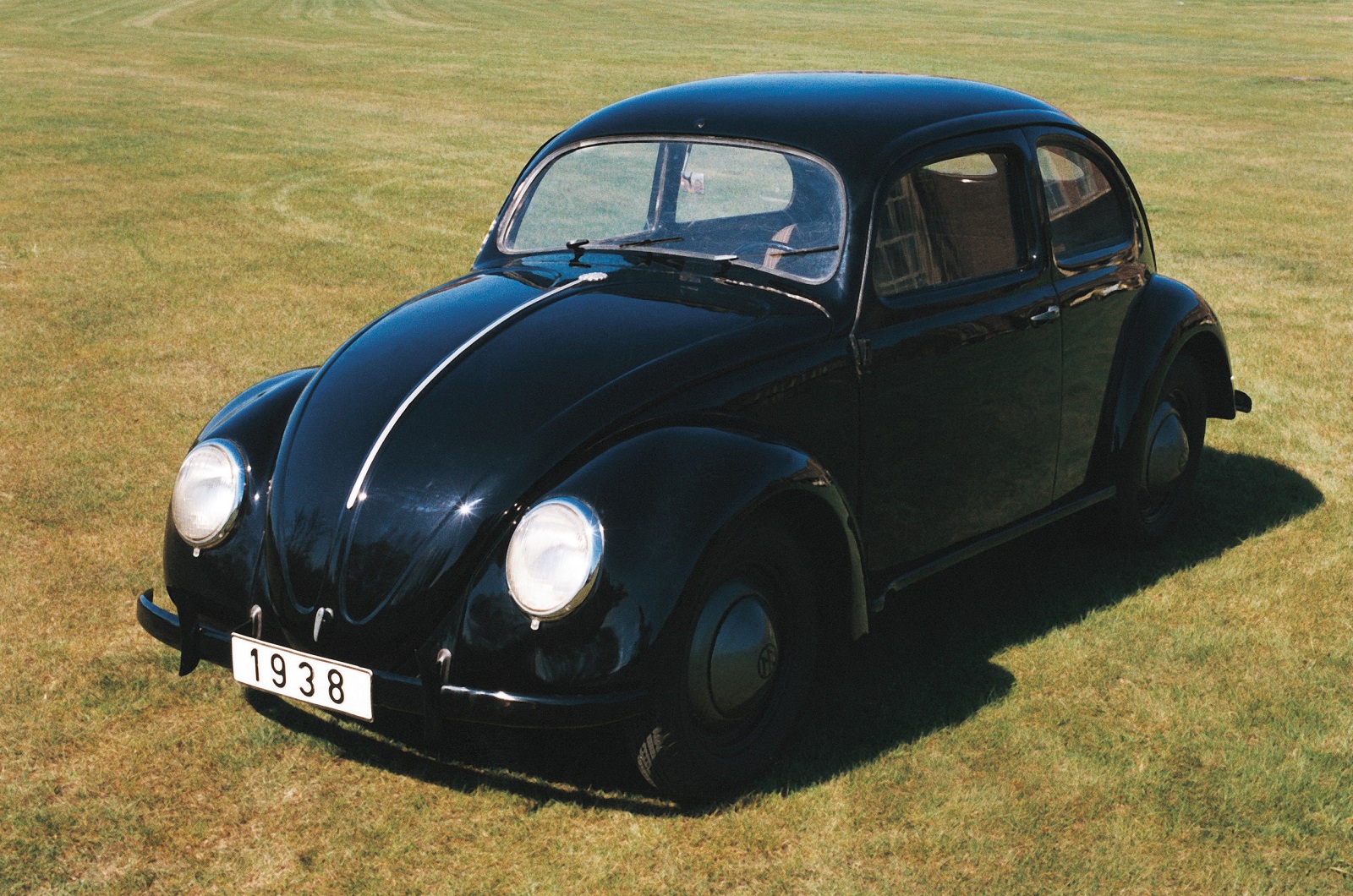
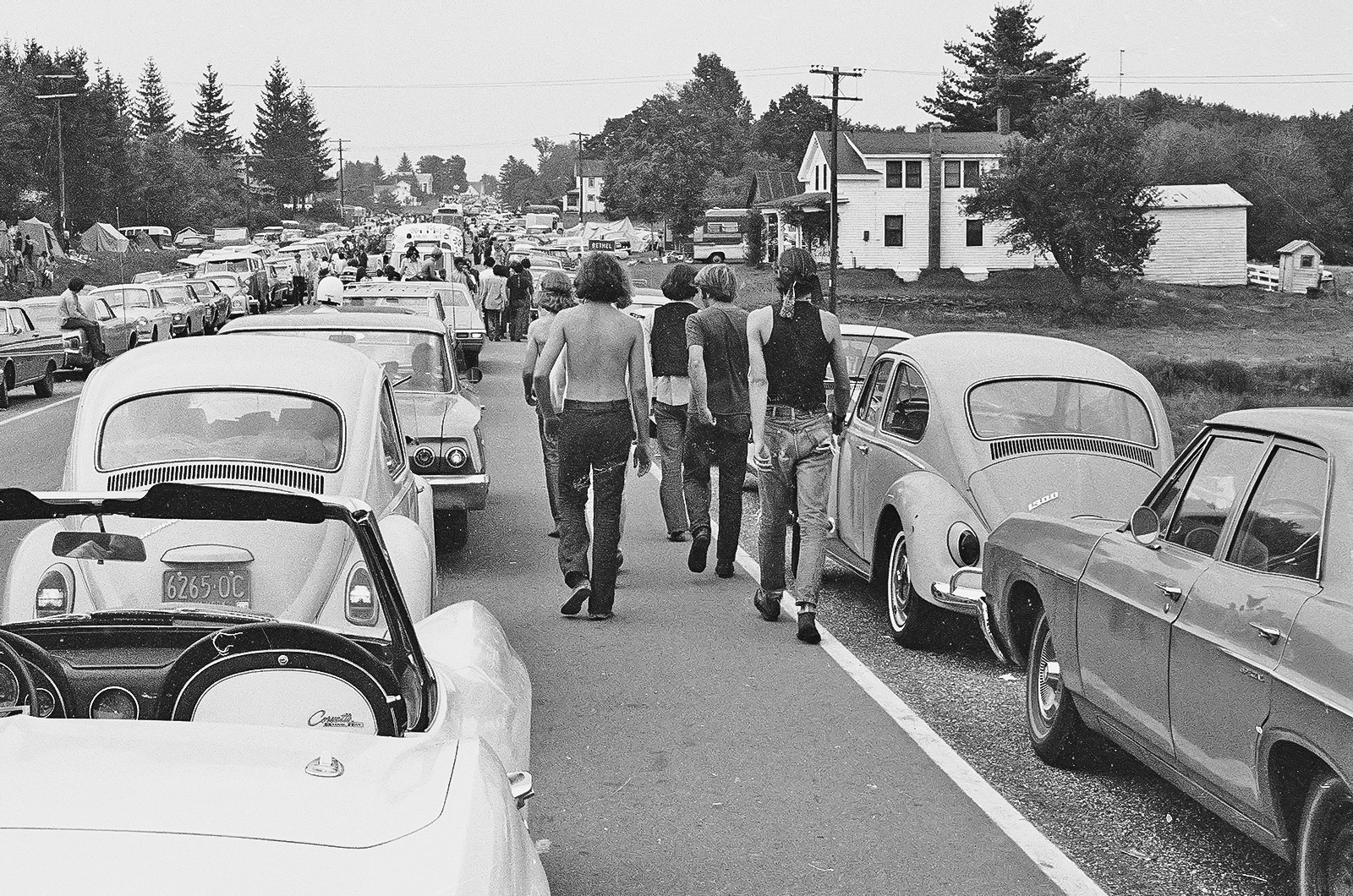
The true democratization of the rear-engine layout began with the mass production of the Volkswagen Beetle. Although developed in the late 1930s, it was the post-war British oversight of the Wolfsburg factory that catalyzed its global success. By 1955, Volkswagen had produced one million Beetles; by 1972, it surpassed the Ford Model T as the most produced car in history. The Beetle’s success was built on its perceived indestructibility and its air-cooled simplicity, which eliminated the risk of frozen radiators in winter or leaks in summer.
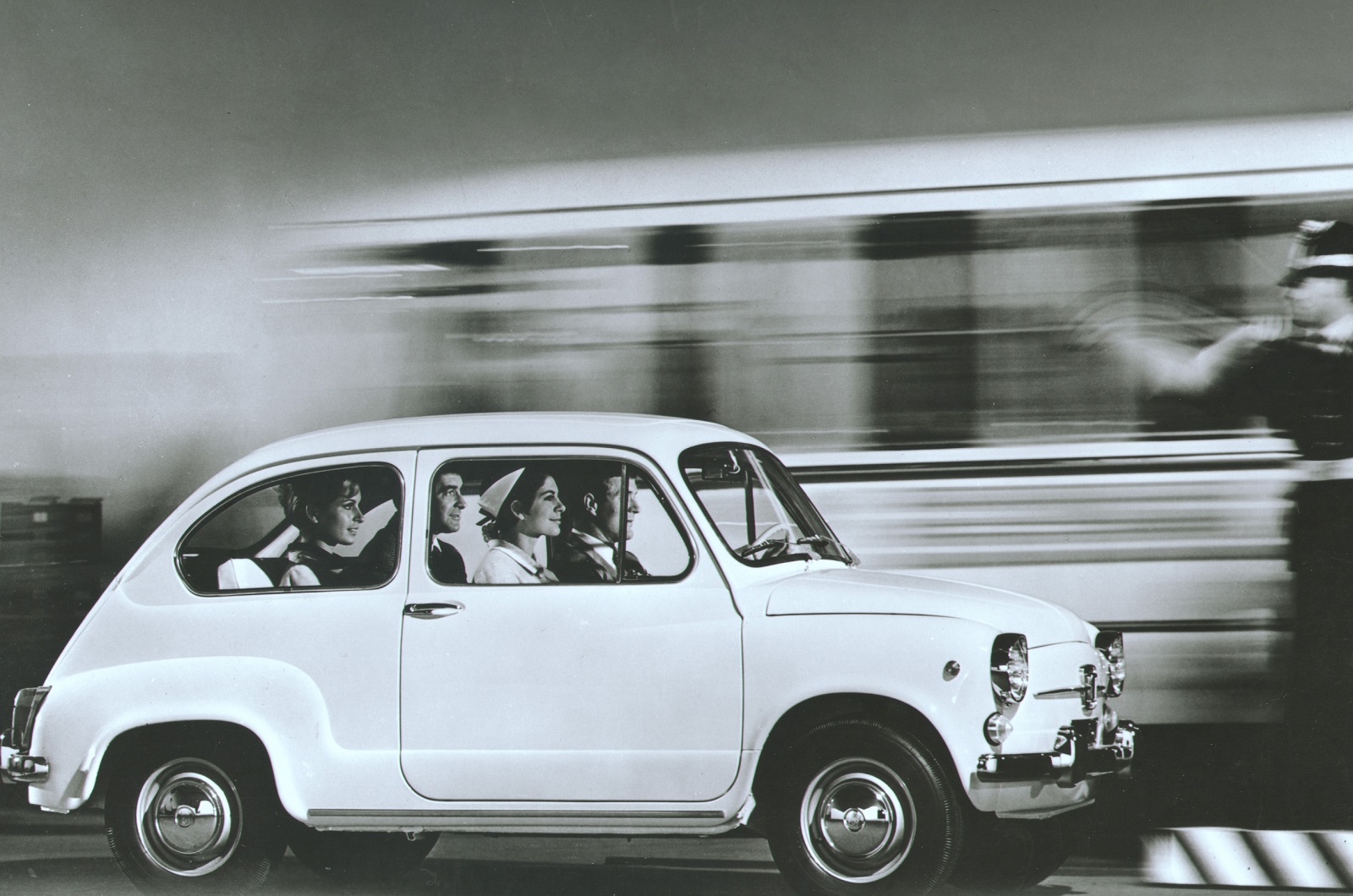
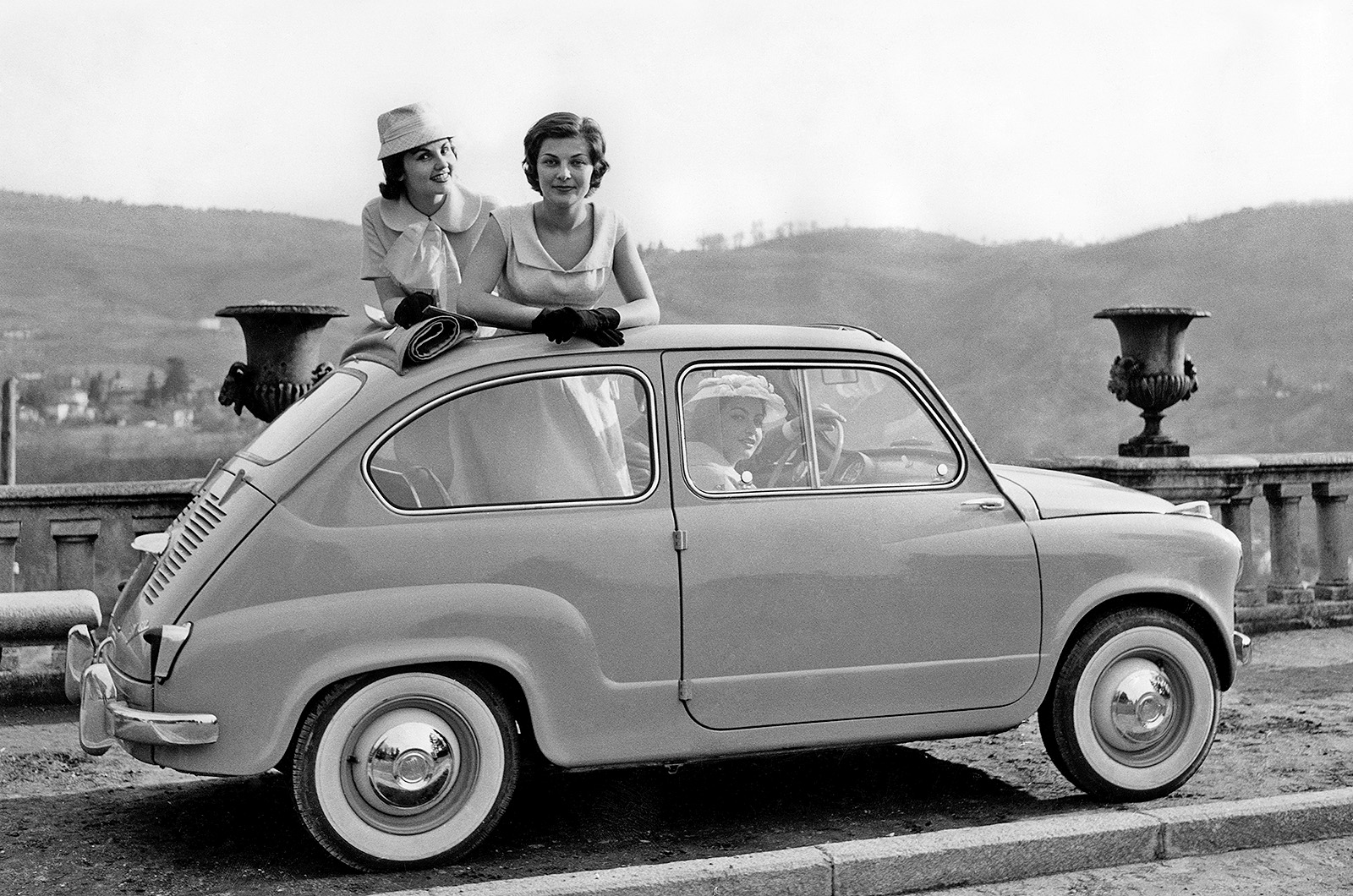
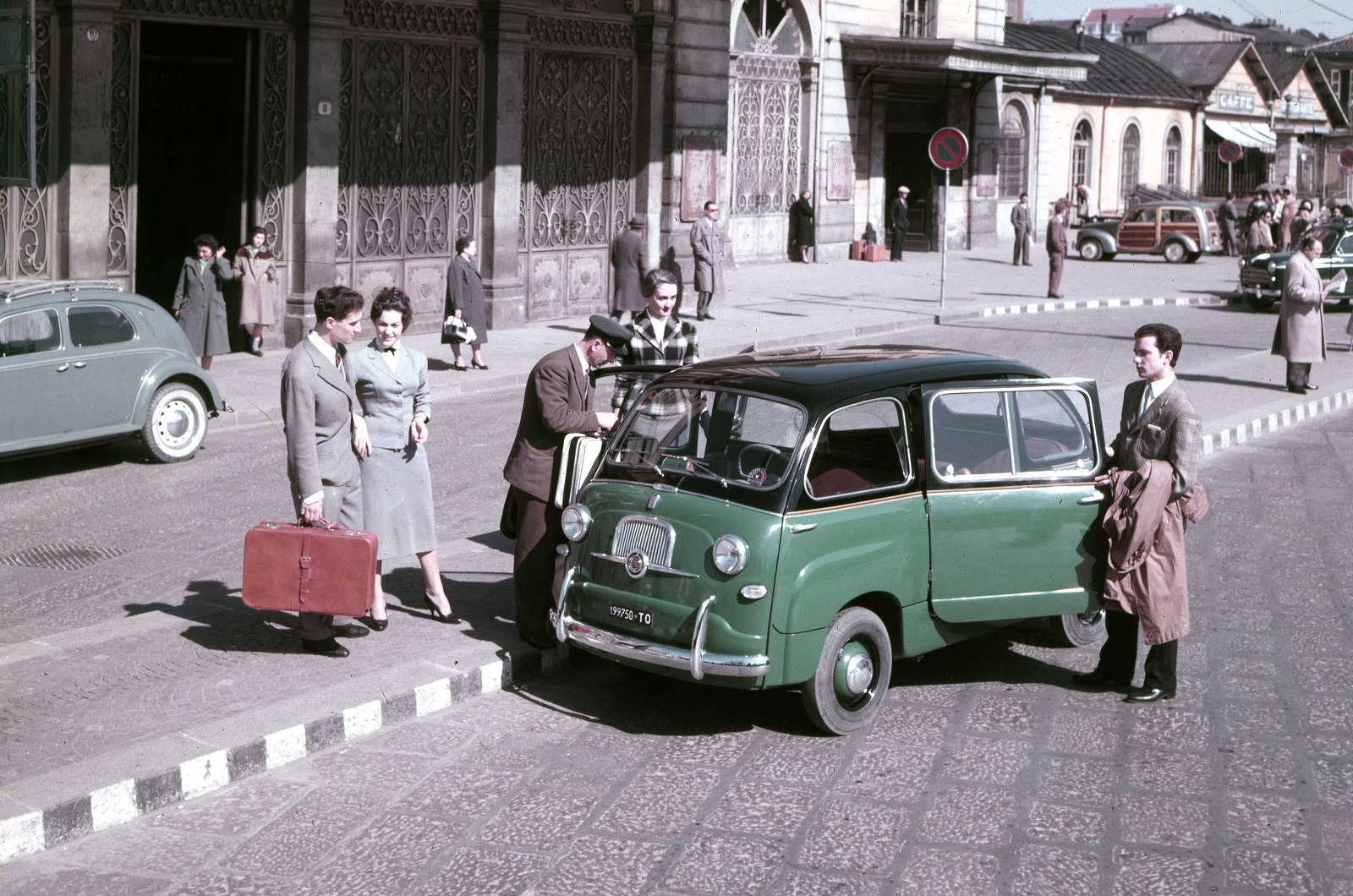
In Italy, Fiat followed a similar trajectory. The Fiat 600, launched in 1955, and the smaller two-cylinder 500, launched in 1957, became the symbols of Italy’s "Economic Miracle." These cars were so space-efficient that Fiat was able to derive the 600 Multipla in 1956—a vehicle widely considered the world’s first mass-produced multi-purpose vehicle (MPV). By positioning the driver and front passenger directly over the front axle, Fiat created a six-seater van-like cabin on a chassis no longer than a modern subcompact.
The French and German Contenders
France also embraced the configuration with fervor. Renault’s 4CV, developed in secret during the German occupation, debuted in 1947 and became the first French car to sell over one million units. Its successor, the Dauphine (1956), and the later Renault 8 (1962), maintained the rear-engine layout, proving that the French public valued the mechanical simplicity and the luggage space provided by the "trunk" in the front.
In Germany, the layout wasn’t restricted to Volkswagen. NSU entered the market with the Prinz in 1958, using a high-revving, motorcycle-derived twin-cylinder engine. Even BMW, facing financial ruin in the late 1950s, was saved by the 700. Designed by Giovanni Michelotti, the BMW 700 used a rear-mounted flat-twin engine and was so successful in both showrooms and on the racetrack that it provided the capital necessary for BMW to develop the "New Class" sedans that would eventually define the brand’s modern identity.
The American Experiment and the Nader Controversy
In the United States, where large, front-engined V8s were the norm, the rear-engine layout was viewed with skepticism until Chevrolet launched the Corvair for the 1960 model year. Intended to compete with the rising tide of European imports, the Corvair featured a sophisticated air-cooled flat-six engine and independent suspension.
However, the Corvair’s legacy was forever altered by consumer advocate Ralph Nader. In his 1965 book Unsafe at Any Speed, Nader targeted the Corvair’s swing-axle rear suspension, which he argued could cause the car to tuck its wheels and flip during extreme cornering. While later investigations by the National Highway Traffic Safety Administration (NHTSA) suggested the Corvair’s handling was not significantly more dangerous than its contemporaries, the damage to its reputation was terminal. Chevrolet produced 1.835 million Corvairs before ending production in 1969, marking the end of the American experiment with rear-engined mass-market passenger cars.
Sporting Pedigree and the Endurance of the Porsche 911
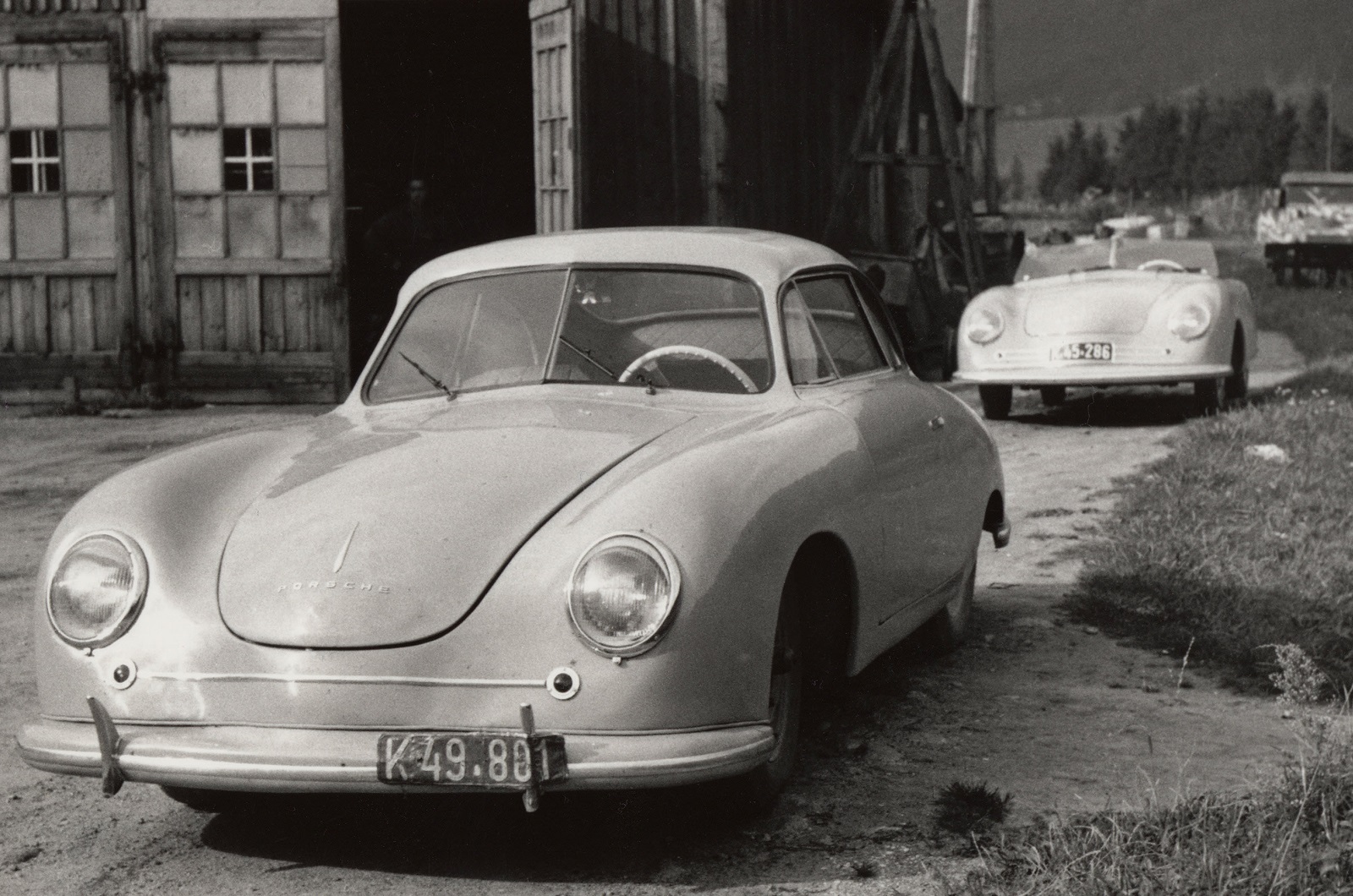
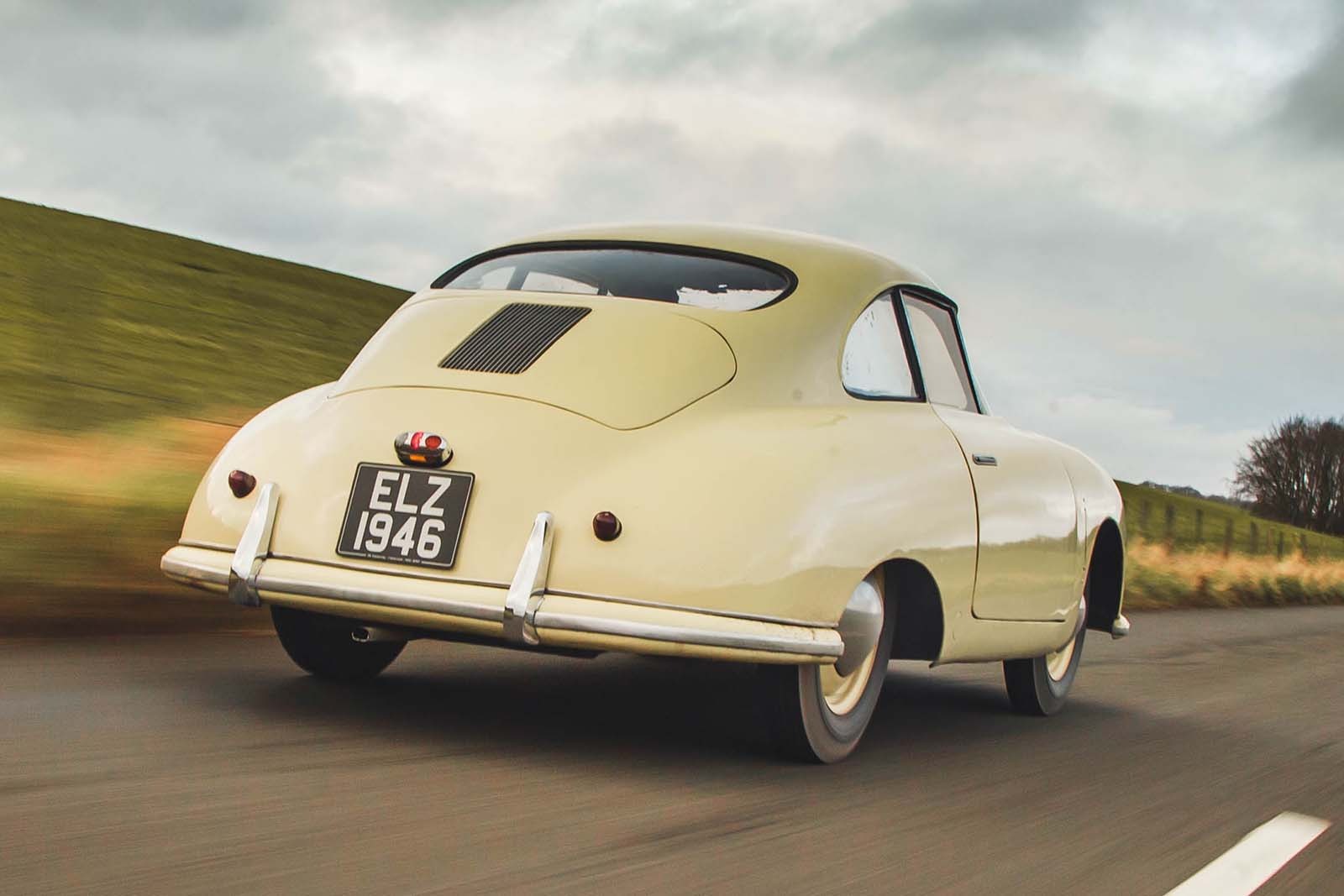
While the rear-engine layout was primarily chosen for economy, it also birthed some of the most formidable sports cars in history. The Porsche 356, and its legendary successor, the 911 (1963), utilized the rear-heavy weight bias to provide immense traction out of corners. Although the layout presented challenges—specifically the tendency for "snap oversteer" if the driver lifted off the throttle mid-corner—it became a defining characteristic of the Porsche driving experience.
Alpine also utilized the layout to dominate the rally world. The A110, built using Renault 8 components, won the inaugural World Rally Championship in 1973. The ability of the rear-engined car to find grip on loose gravel and snow made it a natural fit for the demanding stages of the Monte Carlo Rally.
The Shift to Front-Wheel Drive and the Legacy of the Mini
The decline of the rear-engine era was precipitated by a breakthrough in packaging: the 1959 British Motor Corporation (BMC) Mini. Designed by Alec Issigonis, the Mini featured a transverse-mounted front engine with the gearbox in the oil sump, driving the front wheels. This layout allowed 80% of the car’s footprint to be dedicated to passengers and luggage, a feat even the best rear-engined cars could not match because their front trunks were often compromised by fuel tanks, spare tires, and wheel wells.
As front-wheel-drive technology became cheaper and more reliable, the industry pivoted. The 1970s saw the arrival of the "Supermini" and the modern hatchback. The Fiat 127 (1971), the Renault 5 (1972), and the Volkswagen Golf (1974) represented a paradigm shift. Even Volkswagen, the fiercest defender of the rear-engine air-cooled philosophy, realized that the future lay in front-mounted, water-cooled engines.
Conclusion: A Mechanical Chapter Closed
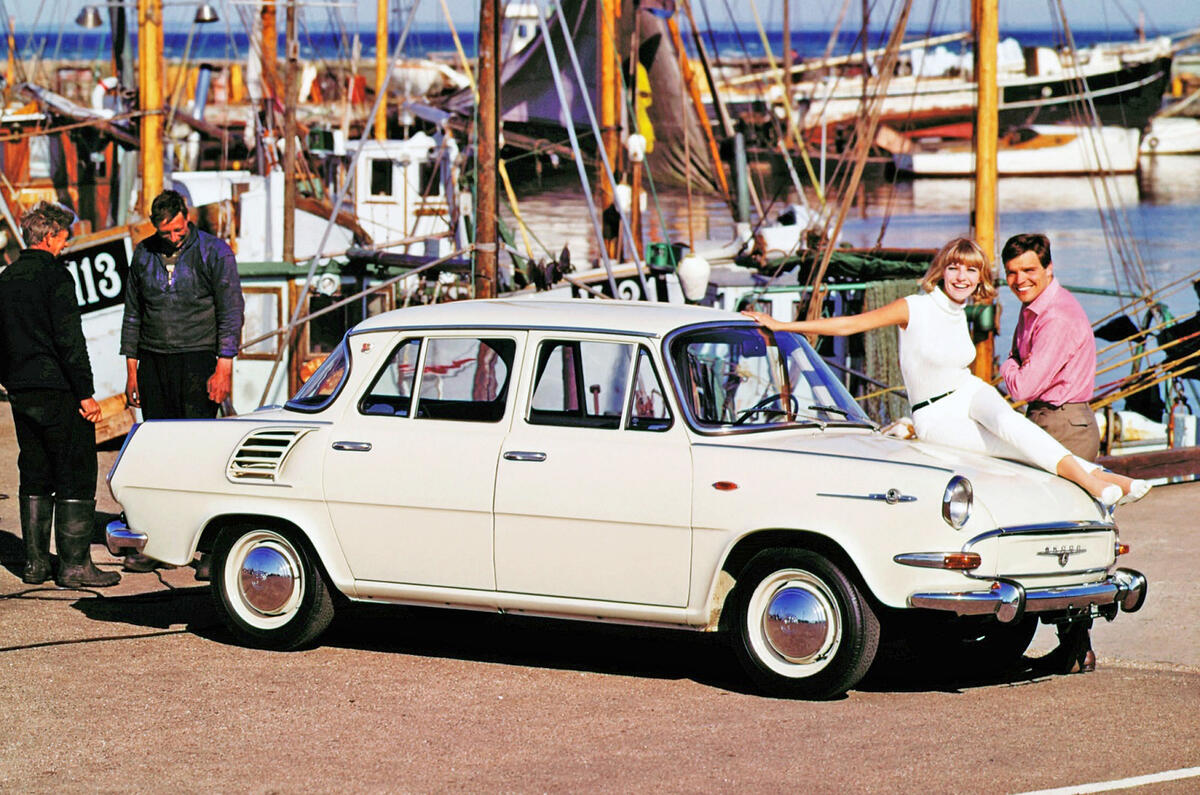
By the late 1980s, the rear-engined car had been relegated to the fringes of the automotive market. It survived longest in the Eastern Bloc, where the Škoda 1000 MB series and the ZAZ Zaporozhets remained in production due to the slow pace of industrial change under planned economies. The last major bastion of the layout, the Fiat 126, ended production in Poland in the year 2000 after a remarkable run of 4.6 million units.
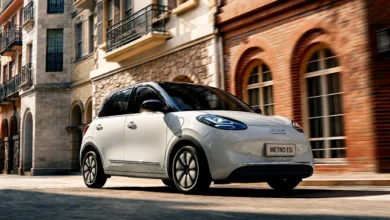
Today, the rear-engine layout survives almost exclusively in the Porsche 911 and a handful of specialized electric vehicles that utilize rear-mounted motors to maximize cabin space. However, the 1960s remain the high-water mark for this unique engineering solution. It was an era when the "engine in the back" was not a quirk of a luxury sports car, but the heartbeat of global mobility, providing millions of families with their first taste of freedom on four wheels. The legacy of these cars lives on in the collectors’ market, where the simplicity, character, and clever packaging of the Beetle, the 500, and the Dauphine continue to be celebrated as triumphs of functional design.