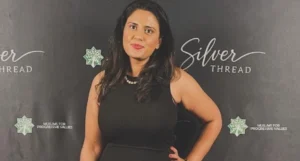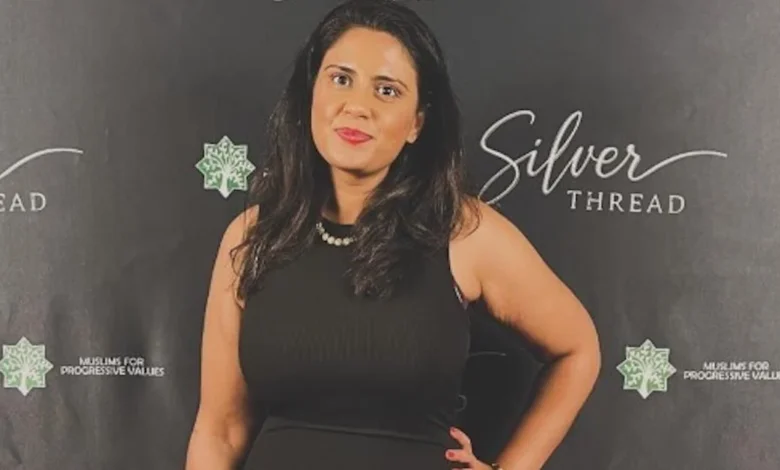
In the global entertainment landscape, where the focus often rests on the final product—the blockbuster film, the viral series, or the high-priced gallery acquisition—the infrastructure required to sustain the creators themselves is frequently overlooked. Hajra Arbab, a media executive, film producer, and cultural advocate, has dedicated her career to addressing this systemic gap. Through her leadership roles at The Colony Lahore and Dominion Gallery, and her professional tenure in media operations at Warner Bros. Discovery, Arbab is constructing a framework designed to ensure that talent does not merely emerge, but survives and thrives within a competitive global market.
Arbab’s work is predicated on the concept of "creative sustainability," a philosophy that treats the arts not just as a sequence of individual projects, but as an ecosystem that requires intentional maintenance, institutional support, and a clear pathway from raw talent to professional mastery. In an industry where a creative career can end prematurely due to a lack of visibility or structural support, Arbab’s multi-faceted approach serves as a bridge between localized storytelling and the international stage.
The Dual Role: Corporate Operations and Independent Advocacy
Hajra Arbab’s professional profile is unique in its breadth, spanning the technical complexities of global media distribution and the grassroots development of independent art. At Warner Bros. Discovery, she operates within the high-stakes environment of media operations, managing the intricate processes that allow film and television content to move seamlessly onto streaming platforms and digital retailers. This role provides her with a macro-level view of how stories are consumed on a global scale and the technical standards required to compete in the digital age.
Parallel to her corporate career, Arbab has established herself as a formidable independent film producer. Her production work focuses on championing narratives that are often underrepresented in mainstream media, particularly those stemming from the South Asian experience. By navigating both the corporate and independent sectors, Arbab possesses a rare understanding of the "life cycle" of a story—from the moment an artist finds the courage to write a script to the moment that script is delivered to a viewer’s screen via a global streaming service.
Strengthening the Creative Infrastructure: The Colony Lahore
Perhaps the most tangible expression of Arbab’s commitment to creative sustainability is her role as the Managing Director of The Colony Lahore. The organization serves as a creative arts hub in Pakistan, providing a dedicated space for actors, filmmakers, and visual artists to hone their craft. In many regions, particularly in South Asia, the lack of formal training centers and rehearsal spaces can lead to a "quiet loss" of talent. Artists with significant potential may abandon their pursuits because they lack a community of collaborators or a professional environment in which to fail and learn.
The Colony Lahore addresses these challenges by offering workshops, mentorship, and production opportunities. Arbab views this work as the "front end" of the creative process. "If we only celebrate artists once they are visible, we have missed the most important part of the work," Arbab notes. "Someone has to invest before the spotlight arrives."
By providing rehearsal spaces and a structured environment for performance, The Colony Lahore ensures that local storytelling remains rooted in its culture while gaining the technical polish necessary for international export. This cultural infrastructure is essential for preserving the authenticity of South Asian narratives, allowing them to be told fully rather than being simplified for foreign audiences.
Dominion Gallery and the Visual Arts Landscape
In addition to her work in film and performance, Arbab leads Dominion Gallery, an institution focused on supporting contemporary artists within Pakistan. The gallery serves as a platform for visual storytellers to showcase their work, facilitating a dialogue between the artist and the public. In the context of creative sustainability, the gallery provides the visibility and economic opportunity necessary for artists to maintain long-term careers.
The intersection of visual art, film, and cultural programming at Dominion Gallery and The Colony Lahore creates a cross-disciplinary environment. This synergy allows artists from different backgrounds to meet, collaborate, and expand their creative horizons. For Arbab, the goal is to build an environment where creative people can gain experience that cannot be learned in isolation, fostering a sense of community that acts as a buffer against the pressures of the industry.
Contextualizing the South Asian Creative Economy
The importance of Arbab’s work is underscored by the current state of the creative economy in South Asia. According to recent industry reports, the demand for localized content on global streaming platforms has surged. However, many creative professionals in the region operate without the benefit of the robust union protections, talent agencies, or state-funded grants available in Western markets.
In Pakistan, the film industry—often referred to as the "New Wave" of Pakistani cinema—has seen a resurgence over the last decade. However, this growth has been hampered by a lack of consistent training and professional development pipelines. Arbab’s initiatives fill this void, providing the "middle-ground" support that allows raw talent to transition into a professional career. By focusing on "authentic South Asian narratives," Arbab is positioning the region’s storytellers to participate in the global market on their own terms, ensuring that their cultural identity remains intact during the transition to international platforms.
Mentorship and the Future of Leadership
Arbab’s commitment to opening doors for others is further evidenced by her selection as a mentor for the Women in Exhibition 2026-2027 mentorship program. This global initiative is designed to empower women in the cinema exhibition and distribution sectors, providing them with the guidance and networking opportunities needed to ascend to leadership roles.
Mentorship is a critical component of Arbab’s vision for the future. She views her own journey—from building a network from the ground up in the United States to proving herself in a competitive business—as a template for others to follow. By participating in the Women in Exhibition program, she aims to ensure that the barriers she faced are lowered for the next generation of women in the industry. "I care about the doors that stay open after I walk through them," Arbab says. "If my work only helps me move forward, then the impact is too small."
Analysis: The Implications of Sustainable Creativity
From a broader perspective, Hajra Arbab’s work represents a shift in how the entertainment industry views talent development. Historically, the industry has relied on a "survival of the fittest" model, where only those with existing resources or extreme luck could find success. Arbab’s model suggests that a more sustainable approach—one based on community, infrastructure, and early-stage investment—leads to a more diverse and resilient creative output.
The economic implications of this shift are significant. By institutionalizing support for artists, organizations like The Colony Lahore contribute to the growth of the local creative economy, creating jobs and fostering cultural tourism. Furthermore, by ensuring that South Asian stories are "told fully," Arbab is helping to build a more sophisticated global media landscape where cultural complexity is valued over stereotypical representations.
A Practical and Ambitious Vision
Looking ahead, Arbab’s goals are both practical and ambitious. She intends to continue her growth as a producer, seeking out international collaborations that amplify underrepresented voices. Simultaneously, she plans to expand the impact of The Colony Lahore and Dominion Gallery, building more international partnerships that will allow South Asian artists to access global audiences more directly.
Her view of the future is one where opportunities are not dependent on luck alone, but on a well-maintained network of support. For Arbab, lasting impact is measured by "who gets stronger because the work existed."
Hajra Arbab’s career serves as a blueprint for the modern media executive. By balancing the demands of the corporate world with a deep-seated commitment to cultural preservation and artist support, she is helping to build a world where talent is never wasted, and where every story has the potential to reach its audience without losing its soul. Her work is a testament to the fact that entertainment is not just a business of finished products, but a living network of people who require the space, the tools, and the community to create.
Related posts: