Unsolicited LG Monitor App Installer Raises Alarms Over Privacy, Ads, and Microsoft’s Auto-Install Policies

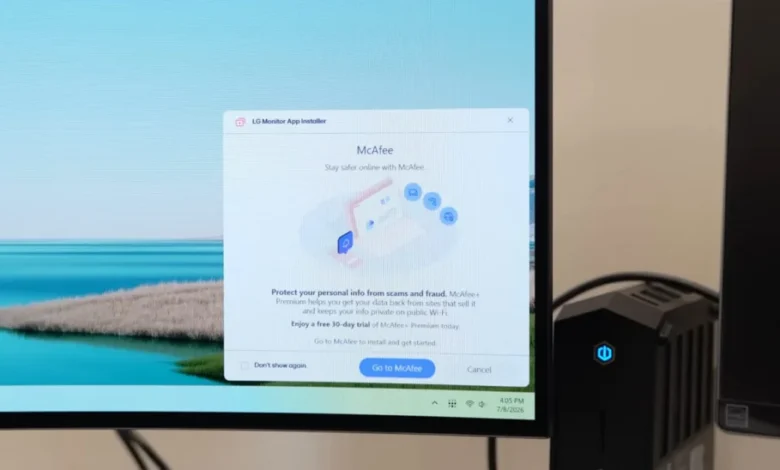
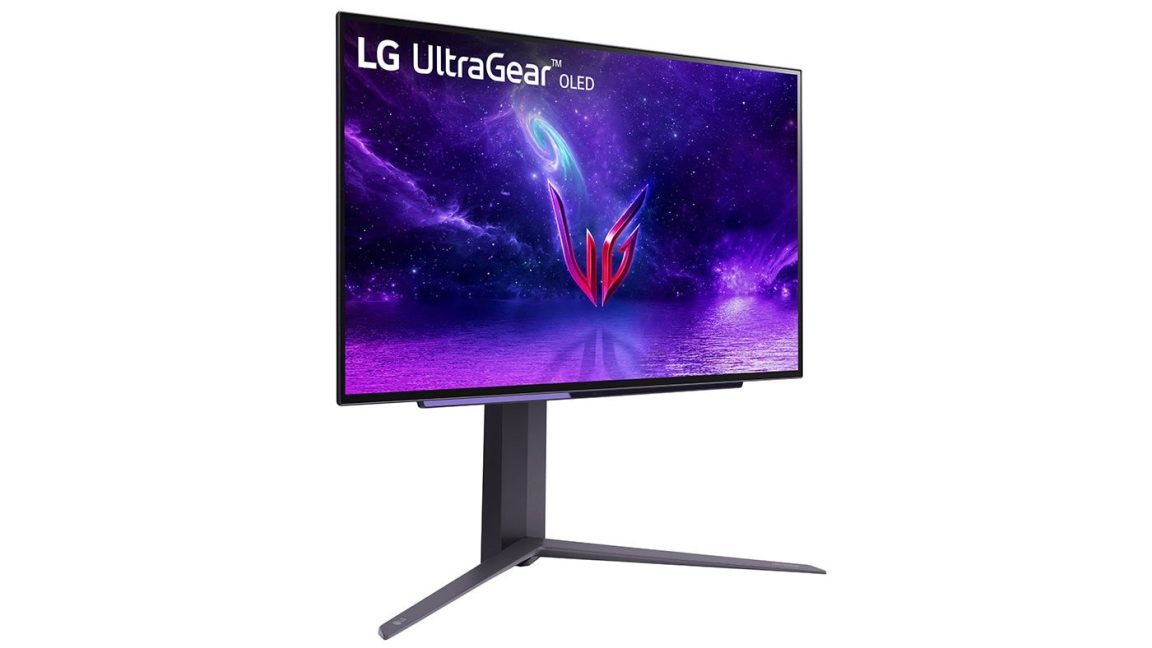
The landscape of personal computing is increasingly fraught with concerns over privacy and unsolicited software installations, a troubling trend highlighted by recent reports concerning LG’s "LG Monitor App Installer." Users of LG’s often premium-priced monitors, some costing upwards of $1,000, have discovered this application, along with its associated advertisements, appearing on their Windows systems without explicit prompt or permission. This development not only disrupts the user experience but also sparks significant privacy concerns, as the app reportedly grants itself extensive permissions, including access to a vast array of personal data.
The Unveiling of a Pervasive Problem
The issue gained prominent traction following investigations by tech journalism outlets and independent researchers, notably Gamers Nexus, a respected hardware review channel. Steve Burke, a key figure in reporting this phenomenon, revealed that the LG Monitor App Installer was deploying itself onto systems via Windows Update, a mechanism traditionally reserved for critical operating system updates and hardware drivers. This method bypasses conventional user consent dialogues, leading to an unsettling installation experience where software appears as if by magic. Burke’s personal experience underscores the long-standing nature of the issue, noting that he recently observed the intrusive pop-up ads on LG monitors he had purchased three years prior, suggesting a quiet expansion of this practice over time.
The core of the concern lies in the nature of the installed application itself. The "LG Monitor App Installer" is described on the Microsoft Store as a tool for users to "easily install and use apps supported by your monitor." However, its real-world behavior extends far beyond simple utility. Once installed, the app reportedly claims sweeping permissions. According to Burke’s findings, LG "technically possesses permission to use ‘all system resources’," a blanket authorization that raises immediate red flags. More alarmingly, the app is said to be capable of collecting "geolocation, device data, online activity, contacts, user credentials, transactions, and more." This level of data harvesting from a peripheral’s companion app is unprecedented and deeply troubling, transforming what should be a straightforward display device into a potential data surveillance tool.
The presence of advertisements, particularly on high-end monitors, further exacerbates user frustration. Consumers investing significant sums in premium hardware expect a clean, unencumbered experience. The forced introduction of ads, alongside potentially intrusive data collection, fundamentally undermines the value proposition of such expensive products and erodes trust in the brand. The fact that the application lists McAfee as one of the "supported apps" it can install further suggests a monetization strategy that leverages user systems for third-party software promotion, rather than solely enhancing monitor functionality.
Microsoft’s Role and the Universal Windows Platform Device Apps
A critical aspect of this controversy involves Microsoft’s policies regarding Universal Windows Platform (UWP) device apps. Microsoft’s framework allows for "UWP device apps" to "automatically install when the user connects their device to the PC." This automatic installation occurs under specific conditions: if the user has not opted out of "Recommended Settings" during Windows installation, is connected to the internet, and is signed into the Microsoft Store. This policy, detailed on a Microsoft support page for Windows developers, is intended to streamline the setup process for new hardware.
However, Microsoft’s own documentation contains a stark warning that appears to have been overlooked or disregarded by both developers and potentially by Microsoft’s enforcement mechanisms: "The automatic installation feature does not provide a notification to the user when the app is installed. Some users may find this experience confusing and frustrating and give your app a bad rating." This statement, while an understatement of the current situation, perfectly encapsulates the user sentiment. The absence of explicit notification or consent for software installation, particularly for an application with such broad data collection permissions, represents a significant breach of user expectation and digital autonomy.
The implications of Microsoft’s policy are profound. By enabling automatic, silent installation of companion apps, the operating system inadvertently creates a loophole that hardware manufacturers can exploit to deploy unwanted software. While the intent might be user convenience, the reality, as demonstrated by LG, is a system ripe for abuse. This raises serious questions about Microsoft’s responsibility in vetting these UWP device apps and ensuring that their auto-installation capabilities are not leveraged for intrusive advertising or excessive data collection without clear, upfront user consent. The line between a necessary driver and a stealthily installed data miner becomes dangerously blurred.
A Broader Industry Trend: Bloatware and "Enshittification"
The issue with LG is not an isolated incident but rather a symptom of a broader, more troubling trend within the tech industry, often termed "enshittification" by some commentators. For years, hardware vendors across various categories have faced criticism for bundling unwanted software, often referred to as bloatware, with their products.
Examples abound:
- Razer: Known for its high-performance gaming peripherals, Razer has drawn fire for its Synapse software, which, while necessary for customization, has been criticized for being resource-intensive, requiring constant internet connection, and sometimes installing additional unwanted components.
- Logitech: A giant in both gaming and productivity peripherals, Logitech’s companion software, particularly for gaming devices, has been flagged for its bloat, forcing users to install numerous modules that are not essential for basic device functionality. Reports indicate users feeling compelled to install "tons of" unwanted software just to use their peripherals effectively.
- Asus: A major manufacturer of motherboards and other PC components, Asus has faced backlash for its Armoury Crate software. This utility, designed to manage various system settings and RGB lighting, has been reported to auto-install itself via the BIOS or Windows updates, often without explicit user consent, and has been criticized for its performance impact and intrusive nature.
- Gigabyte: Similar to Asus, Gigabyte has been accused of stealthily installing bloatware with its motherboard drivers, sometimes including applications that users do not want or need, further complicating system management and potentially impacting performance.
What makes the LG situation particularly egregious is the context of the product. Unlike a motherboard or a gaming mouse that might genuinely benefit from a robust control panel for performance tuning or customization, a monitor typically requires minimal software interaction beyond basic display drivers. The primary function of a monitor is to display images, a task that has historically not necessitated a full-fledged companion app capable of extensive data collection or ad delivery. When such an app is forcibly installed on a device that costs a significant amount, the perception of exploitation and disrespect for the consumer is magnified.
Consumer Outcry and the Erosion of Trust
The reaction from the tech community and consumers has been overwhelmingly negative. Forums, social media, and comment sections are alight with users expressing feelings of betrayal, anger, and a profound sense of distrust. Consumers who have invested in LG’s brand, often associated with quality and innovation, feel exploited when their expensive hardware turns into a vehicle for unsolicited advertising and data harvesting. This sentiment is amplified by the sheer breadth of data the app reportedly collects – from geolocation to online activity and even user credentials. Such invasive practices erode the fundamental trust between a brand and its customer base, suggesting that the company prioritizes monetization strategies over user privacy and satisfaction.
The ethical dilemma is clear: Should users have to pay a premium for hardware only to have their systems subtly turned into data-generating assets for the manufacturer or its partners? The expectation for premium products includes not just superior performance and build quality but also a respectful, privacy-conscious user experience. When these expectations are violated, brand loyalty is severely damaged, potentially leading to a long-term negative impact on sales and reputation.
LG’s Silence and Future Implications
In response to inquiries from Ars Technica regarding the purpose of the LG Monitor App Installer, the specific monitors affected, and the pressing privacy concerns, an LG company representative acknowledged receipt of the questions but failed to provide a response ahead of publication. This silence, while perhaps strategic, further fuels user frustration and contributes to the perception that LG may be unwilling to address the issue transparently or take responsibility for its practices.
The lack of a clear statement or a commitment to change leaves consumers in limbo and raises questions about accountability. For a global corporation like LG, whose market presence spans numerous product categories, this incident could have far-reaching consequences beyond just its monitor division.
Looking ahead, the implications of this incident are significant for several stakeholders:
- For Consumers: It underscores the critical need for heightened vigilance regarding software installations, even those seemingly from official sources like Windows Update. It also highlights the importance of scrutinizing privacy policies and understanding what permissions applications request.
- For LG: The company faces a substantial challenge in rebuilding consumer trust. A transparent explanation, an apology, and a clear path forward—such as making the app strictly opt-in, drastically reducing its permissions, or discontinuing its auto-installation—will be crucial. Failure to address these concerns could lead to sustained negative press, boycotts, and a tarnished brand image.
- For Microsoft: The incident brings into sharp focus the design and enforcement of its UWP device app policies. Microsoft has a responsibility to ensure that its platform is not exploited for surreptitious bloatware installation and data collection. Re-evaluating the auto-install feature, mandating explicit user consent for apps with extensive permissions, and strengthening oversight of vendor practices could be necessary.
- For the Tech Industry: This serves as a potent reminder that the pursuit of new revenue streams through data monetization and ad delivery must be balanced with ethical considerations and respect for user privacy. The "enshittification" trend, if left unchecked, risks alienating the very consumers that drive innovation and growth.
The LG Monitor App Installer controversy is more than just a minor software glitch; it is a microcosm of larger battles being fought over digital privacy, consumer rights, and the ethical boundaries of hardware manufacturers in an increasingly connected and data-driven world. As technology becomes more integrated into every aspect of life, the expectation for transparency, control, and respect for personal data will only grow stronger, demanding a reevaluation of practices that prioritize corporate gain over user trust and autonomy.