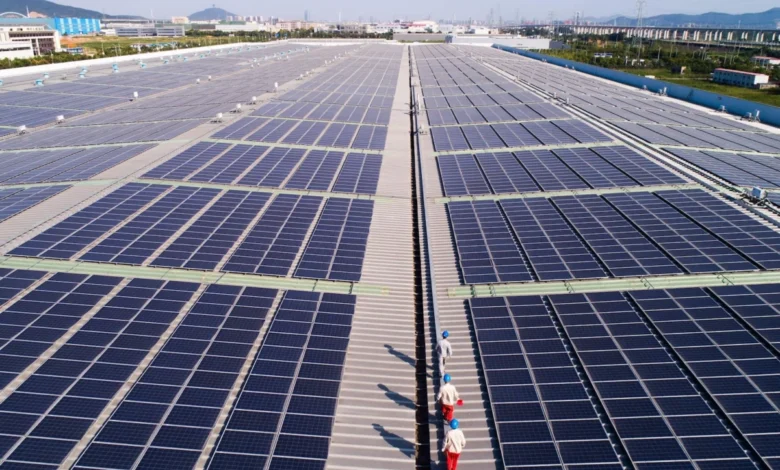
The summer of 2026, which spanned June, July, and August, marked a significant milestone for renewable energy in the United Kingdom. According to analysis by Carbon Brief, solar farms and residential rooftop installations across the nation generated a collective 8.8 terawatt-hours (TWh) of electricity. This figure represents a 23% increase compared to the same period in 2025 and is double the output recorded during the summer of 2021, illustrating the rapid acceleration of solar infrastructure deployment across Britain.
A Summer of Unprecedented Heat and Irradiation
The record-breaking generation was inextricably linked to the extreme meteorological conditions that defined the summer of 2026. The Met Office confirmed that the season was the hottest on record for the UK, characterized by five distinct heatwaves between May and August. With over 620 hours of sunshine, the summer of 2026 ranks as the sixth sunniest on record.
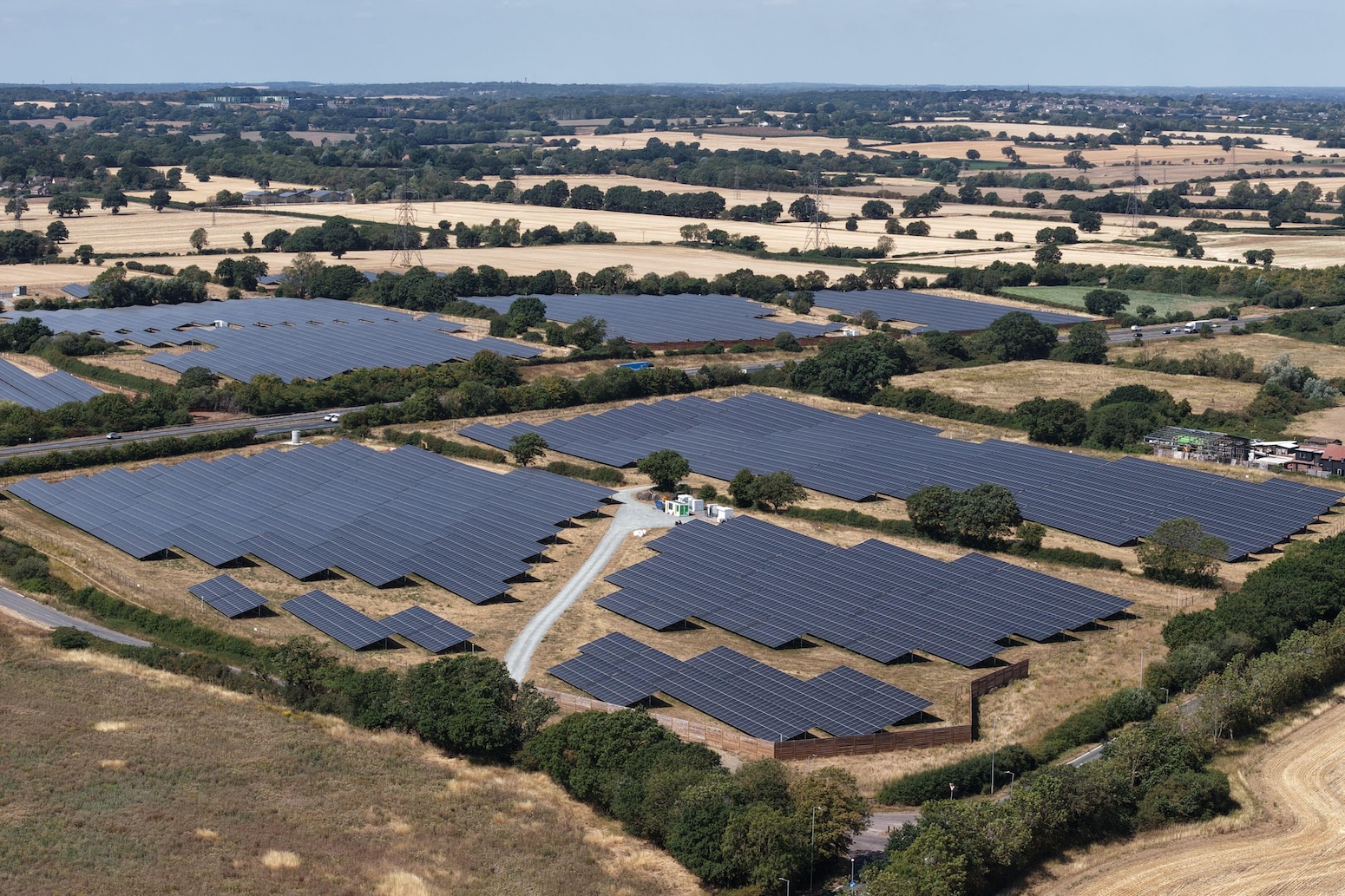
For England and Wales, the weather patterns were particularly extreme, ranking as the second-sunniest summer in history. The climatic intensity was felt throughout the season: June 2026 was the warmest June in England since records began in 1884, while July proved to be the driest month for England and Wales since 1836. In certain areas, such as London, the lack of rainfall was absolute, with some regions experiencing no precipitation for the entire month. In Surrey, the village of Wisley endured a 62-day dry spell, while temperatures in London soared to a peak of 38.1C at Kew Gardens on August 13.
Scientific consensus suggests these conditions are increasingly influenced by anthropogenic climate change. The Met Office has indicated that the record mean temperatures observed this summer were made approximately 130 times more likely due to the ongoing effects of global warming.
Chronology of the Solar Surge
The performance of the UK’s solar fleet followed a consistent upward trajectory throughout the summer months.
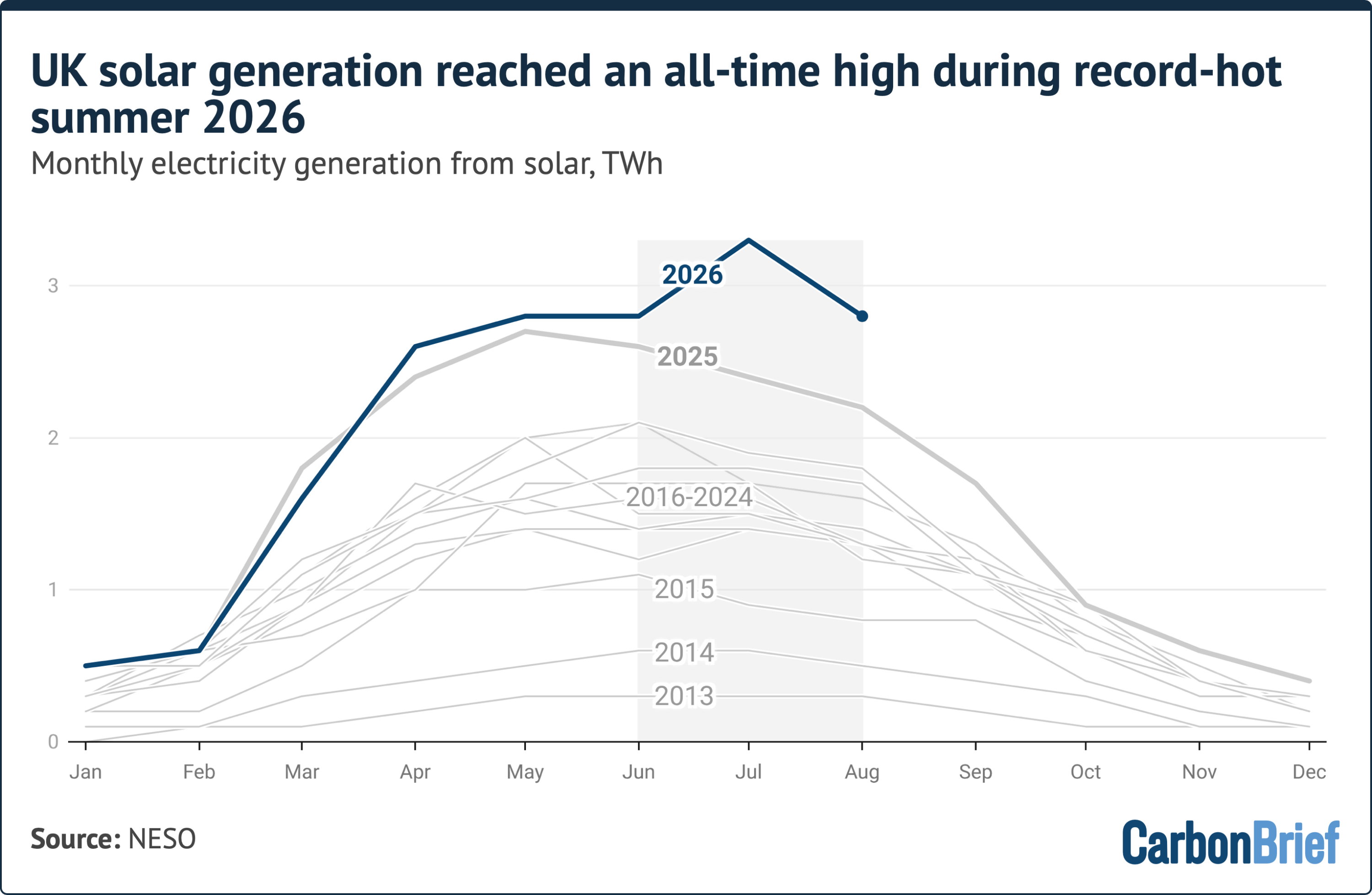
- June 2026: As the country experienced its warmest June on record, solar output began to climb, setting early monthly benchmarks.
- July 2026: This month stands out as the most productive for solar energy in the nation’s history. It generated 3.3 TWh, effectively meeting 15% of the total electricity demand for the month.
- August 2026: Despite the heat peaking, total generation remained elevated, contributing to a year-to-date total of 17 TWh by the end of August—a 13% increase over the same period in the previous year.
While extreme heat can technically reduce the efficiency of photovoltaic (PV) panels due to thermal degradation, the sheer volume of daylight hours and the high levels of solar irradiation significantly outweighed these losses, leading to the sustained record-breaking performance.
Infrastructure Growth and Capacity Expansion
The record output is not merely a result of favorable weather; it is the culmination of sustained investment in solar capacity. As of the third quarter of 2025, the UK government reported a total solar capacity of 21 gigawatts (GW), a year-on-year increase of 3 GW or 18%. Recent estimates from the University of Sheffield, which monitors solar performance through its PV Live platform, suggest that the installed capacity has since risen to nearly 24 GW.
This growth is driven by a two-pronged expansion: large-scale utility solar farms and a surge in domestic rooftop installations. Government figures indicate that since the beginning of 2026, nearly 172,000 new solar installations have been fitted across the country. July alone saw the installation of 19,800 rooftop systems—a rate of roughly one installation every two minutes. Currently, approximately 1.7 million UK households are equipped with solar panels, with domestic rooftop systems accounting for roughly 29% of the nation’s total solar capacity.

Economic and Strategic Implications
The surge in solar generation has provided a critical buffer against high energy costs. Utility Bidder, which analyzed the impact of the 26 heatwave days recorded this summer, estimated that households with rooftop solar systems saved a combined £86.7 million in electricity costs during the peak heat.
Chris Hewett, chief executive of the trade association Solar Energy UK, highlighted the broader economic benefits of this generation. "The record output not only kept bills down for people with solar and batteries in their homes but helped keep overall power prices much lower than they would have been if Britain had been relying on more gas generation during the day," Hewett noted. By reducing the reliance on volatile gas markets during peak daylight hours, solar energy is playing an increasingly vital role in maintaining the stability of the national grid.
Analysis of Future Challenges
Despite the impressive performance of the summer, experts point out that the energy transition remains a complex undertaking. The UK has yet to set a new half-hourly solar power output record; that figure remains at 15.2 megawatts (MW), established on April 23, 2026. This reflects the reality that while summer offers high total yields, the spring months often provide the "sweet spot" of cool, bright, and clear weather that allows solar panels to operate at their highest instantaneous efficiency.
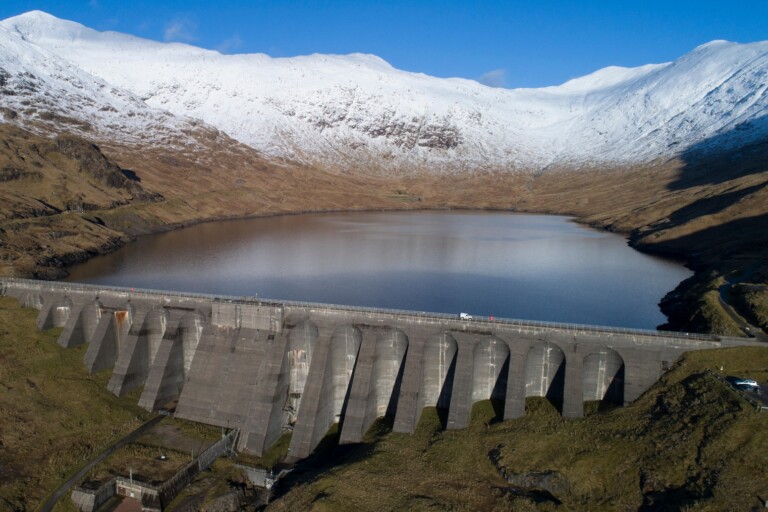
Furthermore, the integration of such a high volume of intermittent renewable energy necessitates a focus on storage. The current reliance on the existing grid infrastructure means that as more households and businesses adopt solar, the need for long-duration energy storage becomes paramount to ensure that the energy captured during sunny days can be dispatched during periods of low solar output.
As the UK moves toward its net-zero targets, the summer of 2026 serves as a case study in the efficacy of decentralized energy. The rapid deployment of solar technology is clearly shifting the energy mix, providing a hedge against the price shocks that have historically plagued the UK electricity market.
Policy and Industry Reaction
The record figures have been welcomed by industry stakeholders as a validation of the current growth strategy. However, there is ongoing debate regarding the policy frameworks required to maintain this momentum. Issues such as grid connection backlogs, planning permission for large-scale solar farms, and the need for updated building regulations to mandate solar on new-build properties remain at the forefront of the political conversation.
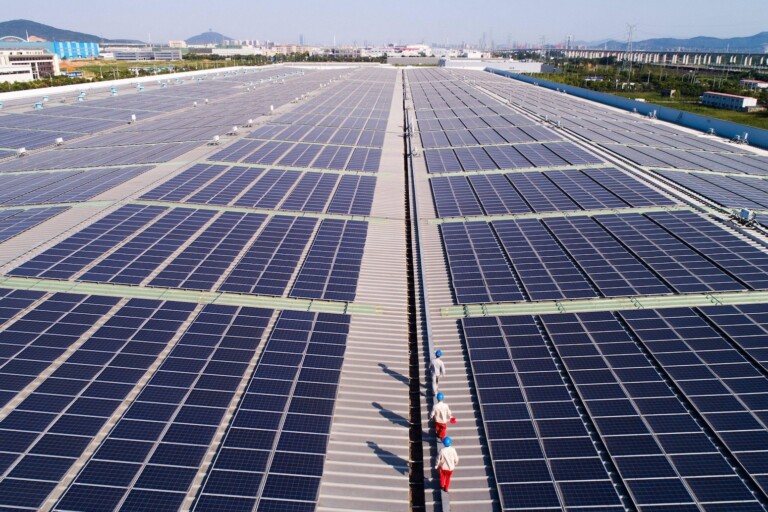
The government’s commitment to renewables, coupled with private investment, has clearly altered the national energy profile. As the UK continues to grapple with the dual challenges of energy security and the climate crisis, the performance of the solar sector in 2026 provides a roadmap for the scale of transition required in the coming decade.
In summary, while the summer of 2026 was marked by extreme and at times concerning weather patterns, it simultaneously demonstrated the potential of solar technology to provide a reliable, cost-effective, and sustainable backbone for the British power grid. The combination of record-breaking solar irradiation and the continued proliferation of residential and utility-scale infrastructure has fundamentally changed the economics of power generation in the UK, setting a new benchmark for future years.