Apple officially enters the foldable smartphone market with the high-end iPhone Duo arriving next month

Apple concluded its highly anticipated September hardware event with a decisive shift in its product strategy, unveiling the iPhone Duo, its first-ever foldable smartphone. Long the subject of industry rumor and supply chain speculation, the device marks a departure from the company’s traditional rigid-screen hardware cycle. By entering the foldable category, Apple is effectively challenging the current market dominance of Samsung and Google, signaling that it views the form factor as a mature, viable, and necessary evolution of the smartphone.
The iPhone Duo is positioned as the pinnacle of Apple’s current mobile engineering, carrying a starting price of $1,999. While this price point places it at the upper echelon of the consumer electronics market, it aligns with current premium foldable offerings from major competitors, effectively neutralizing the "Apple tax" argument that often accompanies its new product categories.
The Evolution of the Foldable Form Factor
The journey toward the iPhone Duo began years ago, as the smartphone industry struggled to overcome the limitations of early foldable technology, including visible display creases, structural fragility, and poor aspect ratios. Apple’s design philosophy for the Duo appears to be a direct response to the "square" foldable trend that has characterized recent iterations from competitors.
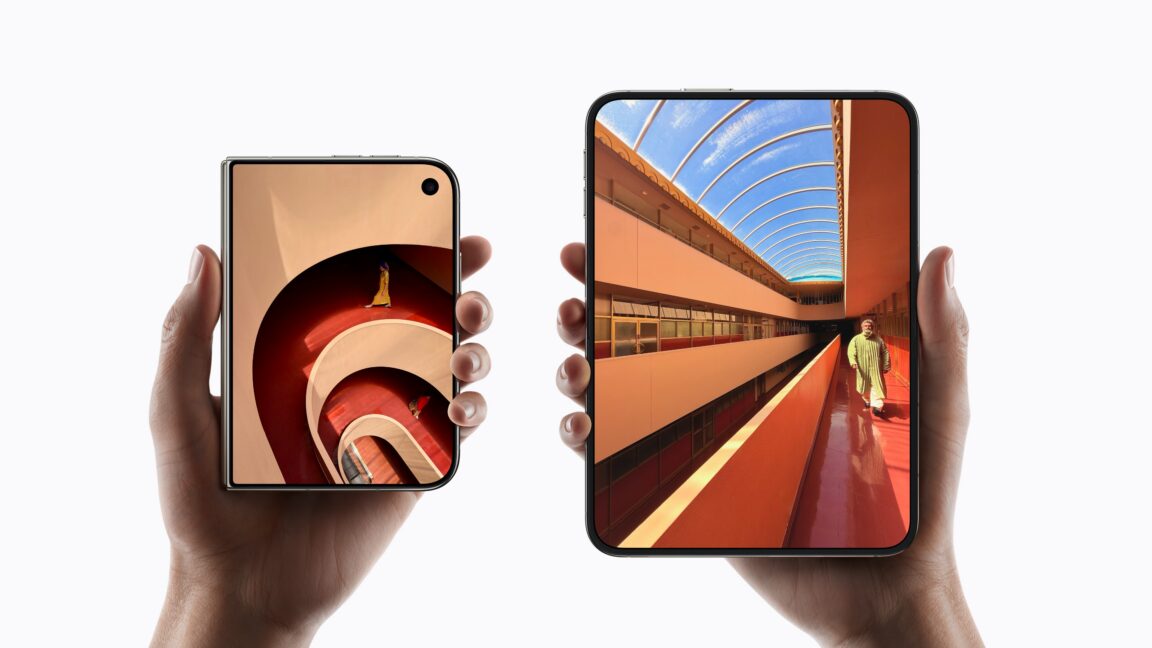
By opting for a passport-like, 1:1.4 aspect ratio, Apple aims to prioritize usability and content consumption. The outer 5.4-inch display is designed to serve as a high-functioning primary screen, while the internal 7.6-inch Super Retina XDR panel provides a tablet-like experience when unfolded. The decision to employ an asymmetric design for the outer screen—featuring pointed corners on the hinge side and rounded edges on the outer perimeter—is intended to encourage a tactile, intuitive transition between the folded and expanded states.
Engineering and Durability Standards
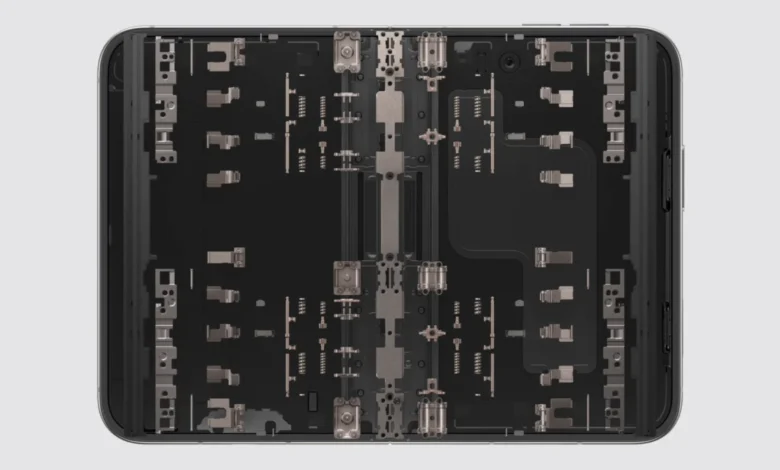
A primary hurdle for any foldable device is the mechanical integrity of the hinge and the longevity of the flexible display. Apple has integrated a complex, multi-component titanium hinge system that boasts more than 100 individual parts. To ensure structural resilience, the device utilizes a titanium frame reinforced with internal ceramic fibers.
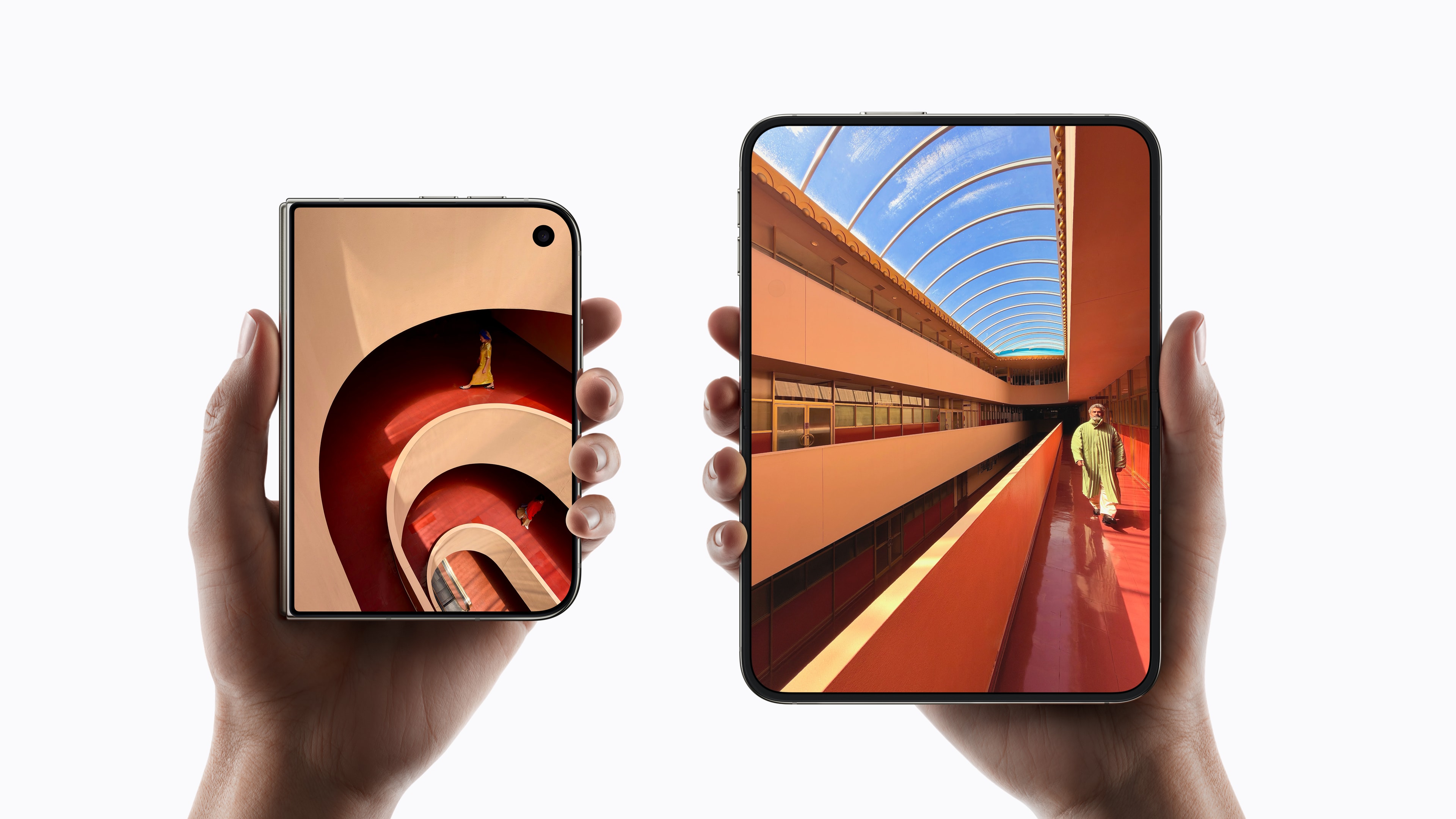
The display itself features a multi-layered architecture utilizing flexible glass and a custom, high-stiffness polymer top layer. Apple claims that this construction, combined with a proprietary nano-texture finish, virtually eliminates the visible crease that has plagued other foldable handsets. This engineering feat, if it holds up to real-world usage, could set a new industry standard for display durability. The device is further protected by an IP68 rating, ensuring that the intricate hinge mechanism remains resilient against water and dust ingress.
Technical Specifications and Battery Management
At the heart of the iPhone Duo lies the A20 Pro chipset, a powerhouse processor that also powers Apple’s non-foldable flagship lineup. The challenge of powering two screens with varying usage patterns has been addressed through advanced battery optimization. Official specifications indicate that the internal display supports up to 31 hours of video playback, while the outer display extends this to 44 hours. Under standard mixed-use conditions, the device is rated for approximately 24 hours of battery life.
The camera system, while capable, reflects the physical constraints inherent to foldable hardware. The rear array features a 48MP primary sensor and a 12MP telephoto lens with 2x zoom. Notably, the device includes an under-display selfie camera that remains invisible during standard operation, alongside a conventional 12MP front-facing camera on the outer display. The inclusion of Apple Pencil support, which is slated to arrive via a software update later this year, further blurs the line between the iPhone and iPad, suggesting that Apple views the Duo as a bridge between its two most popular mobile platforms.
Software Adaptations and User Interface
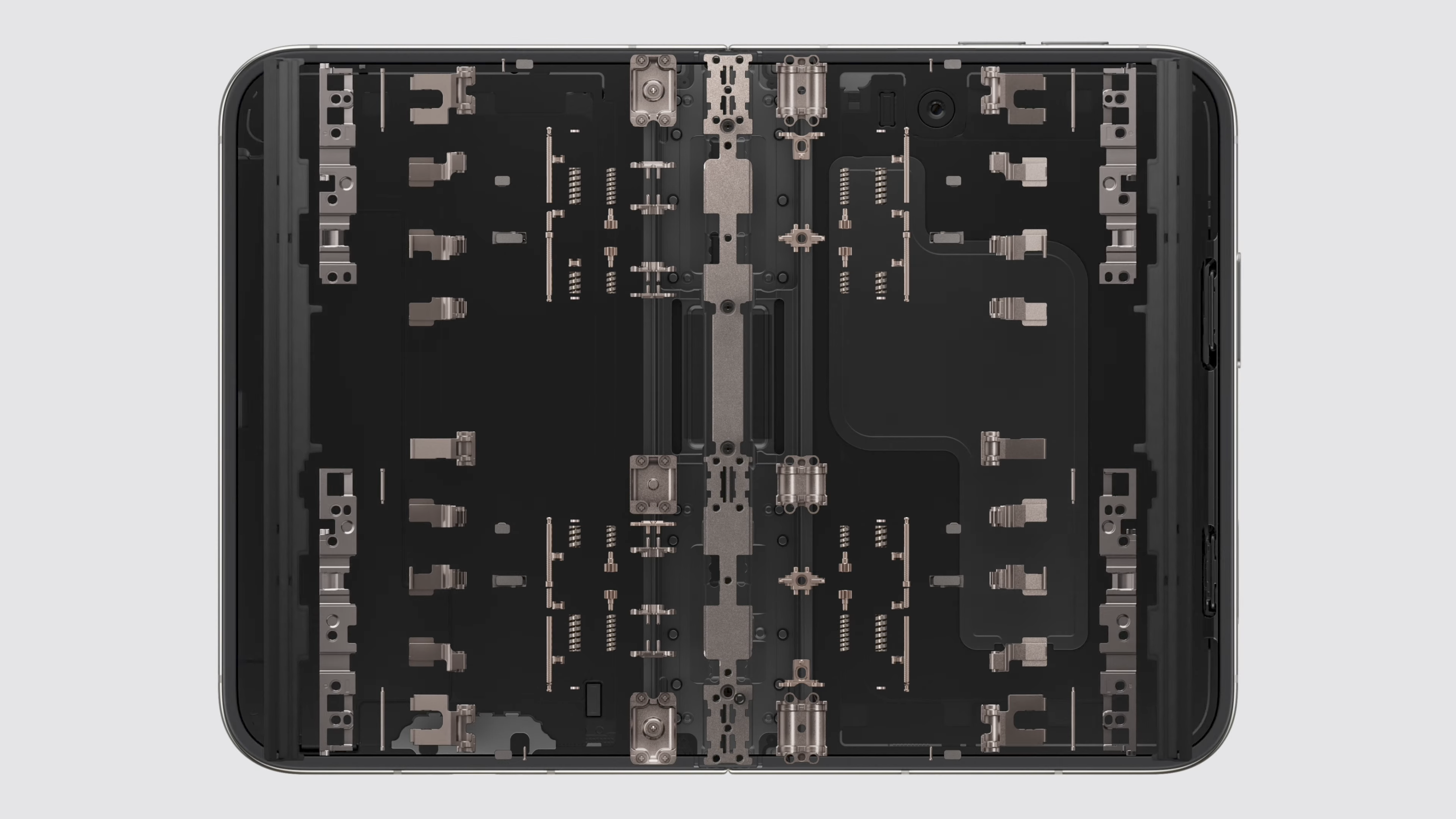
The transition to a foldable form factor has necessitated significant revisions to iOS. Apple has introduced a revamped multitasking environment that allows for fluid app splitting and management. The software intelligently adapts to the hinge position; for instance, bending the device triggers a split keyboard layout, while the system dock and status bar automatically shift to the right edge of the screen to maximize available vertical space. This UI-centric approach ensures that the "passport" aspect ratio is utilized to its full potential, providing a desktop-like experience in a handheld device.
Market Context and Industry Reaction
The decision to launch the iPhone Duo at $1,999 is calculated. By matching the price points of the Samsung Galaxy Z Fold 8 and the Google Pixel 11 Pro Fold, Apple is making a bid for the high-end power user segment. Industry analysts suggest that while the device is unlikely to convert the average iPhone 17 user immediately, it serves as a powerful retention tool for users who might have otherwise defected to Android to experience foldable technology.
Samsung, which has been the primary driver of the foldable market for nearly a decade, has seen its dominance tested by this launch. While Samsung’s recent iterations have focused on "Ultra" variants and varying aspect ratios, Apple’s entry brings a level of vertical integration—hardware, software, and silicon—that is difficult to replicate. The market will be watching closely to see if the "Apple effect" accelerates the adoption of foldable devices among the broader consumer population.
Chronology of Development
The path to the iPhone Duo was marked by a series of cautious steps. In 2024, reports confirmed that Apple had initiated serious, dedicated R&D efforts into foldable display technology. Throughout 2025, various supply chain leaks suggested that Apple was testing multiple hinge prototypes and screen materials, specifically looking to solve the "crease" problem. By early 2026, the focus shifted to software optimization, with early betas of iOS 20 containing hidden code for "split-state" device management. Today’s announcement serves as the culmination of this rigorous, if somewhat prolonged, development timeline.
Implications for the Future of Mobile Hardware
The release of the iPhone Duo suggests that the industry has reached an inflection point. For several years, the smartphone market has been characterized by iterative, incremental updates. The introduction of a foldable device by the world’s most valuable technology company provides the necessary validation for the form factor to become a standard, rather than a niche, offering.
Furthermore, the integration of under-display camera technology and the return of stylus support—features that some competitors have previously experimented with and subsequently discarded—suggests that Apple is confident in its ability to execute these technologies reliably. The success of the iPhone Duo will likely dictate the hardware roadmap for the next five years of mobile computing.

Looking Ahead
Preorders for the iPhone Duo are scheduled to begin on October 16, with retail availability commencing on October 23. The 256GB base model starts at $1,999, with storage options scaling up to 2TB for $3,199. As the launch date approaches, the technology sector will be closely monitoring reviews and early user feedback to determine if the iPhone Duo truly represents the "most capable iPhone ever," as Apple claims. If the device succeeds in delivering the seamless experience that Apple has promised, it may well prove to be the turning point that cements the foldable smartphone as the new standard for premium mobile technology.