Zurich Airport Deploys Driverless Electric Shuttles in Landmark European Autonomous Transit Trial

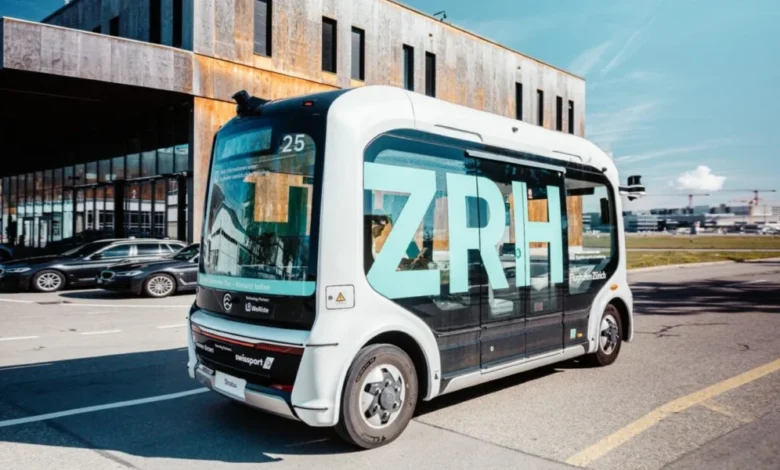
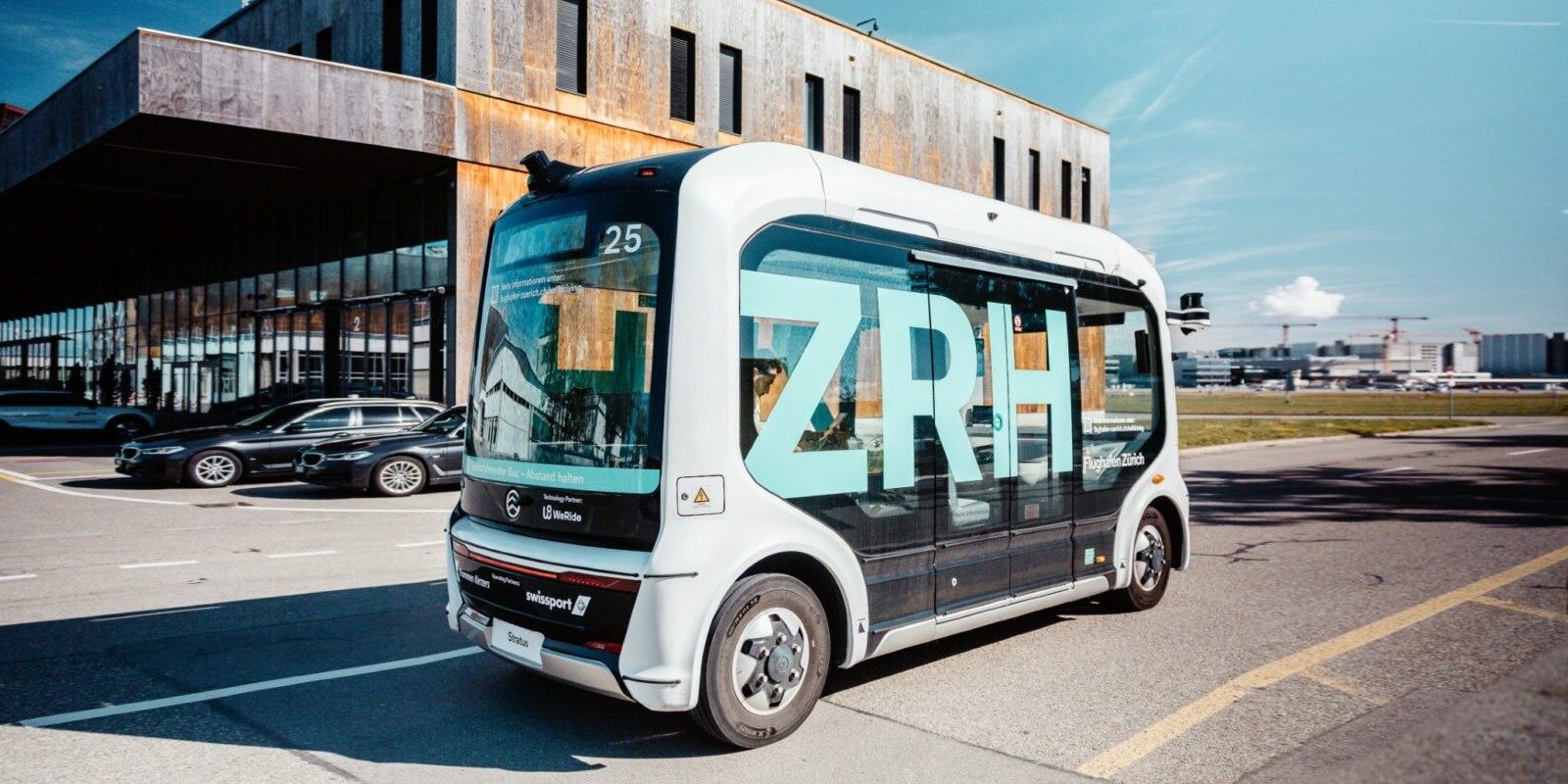
Zurich Airport has reached a major operational and technological milestone by introducing two fully automated, electric shuttle buses to its active ground infrastructure. Departing significantly from traditional pilot programs that rely on onboard safety attendants, these self-driving vehicles operate entirely without a human driver inside the cabin. This advancement places Zurich Airport at the forefront of European aviation hubs successfully testing Level 4 autonomy within a complex, live operational environment.
The deployment signifies a critical step forward in the commercialization and practical integration of driverless mobility systems. Developed in close partnership with WeRide, a leading global autonomous vehicle technology firm originating from China, the shuttle buses represent the culmination of rigorous planning, engineering adjustments, and regulatory navigation that began over a year ago. As airports globally seek sustainable ways to optimize ground logistics, lower carbon footprints, and streamline employee transportation, the Zurich project offers a real-world blueprint for the future of airport mobility.
A Phased Approach to Safety and Regulatory Compliance
The path to removing the safety driver from the cabin was neither quick nor simple. Since the initial collaboration was announced in March 2025, the electric shuttles have undergone an intensive, multi-phase testing regimen. This meticulous approach was designed to satisfy the strict safety requirements, technical benchmarks, and legal frameworks mandated by European Union regulations regarding Level 4 autonomous operations.
Under Level 4 autonomy, a vehicle can handle all aspects of driving within designated operational design domains without requiring human intervention. However, meeting these standards in a high-security zone like an international airport requires overcoming unique environmental challenges. The vehicles had to demonstrate flawless navigation, precise obstacle detection, and reliable communication with remote management infrastructure before authorities would grant clearance for driverless public testing.
Raphaël Glaesener, Senior Innovation Manager at Zurich Airport Ltd., emphasized the foundational philosophy guiding the initiative from its inception. Safety was and remains the top priority at all times, according to Glaesener, which dictated the measured pace of the rollout. To ensure absolute reliability before introducing human passengers, the initial phase of Level 4 driverless trips is being conducted without passengers on board. Airport officials project that after approximately four weeks of flawless test operations under these conditions, partner company employees will be authorized to use the autonomous shuttle service for daily transit across the facility.
Inside the Technology: Remote Monitoring and Operations
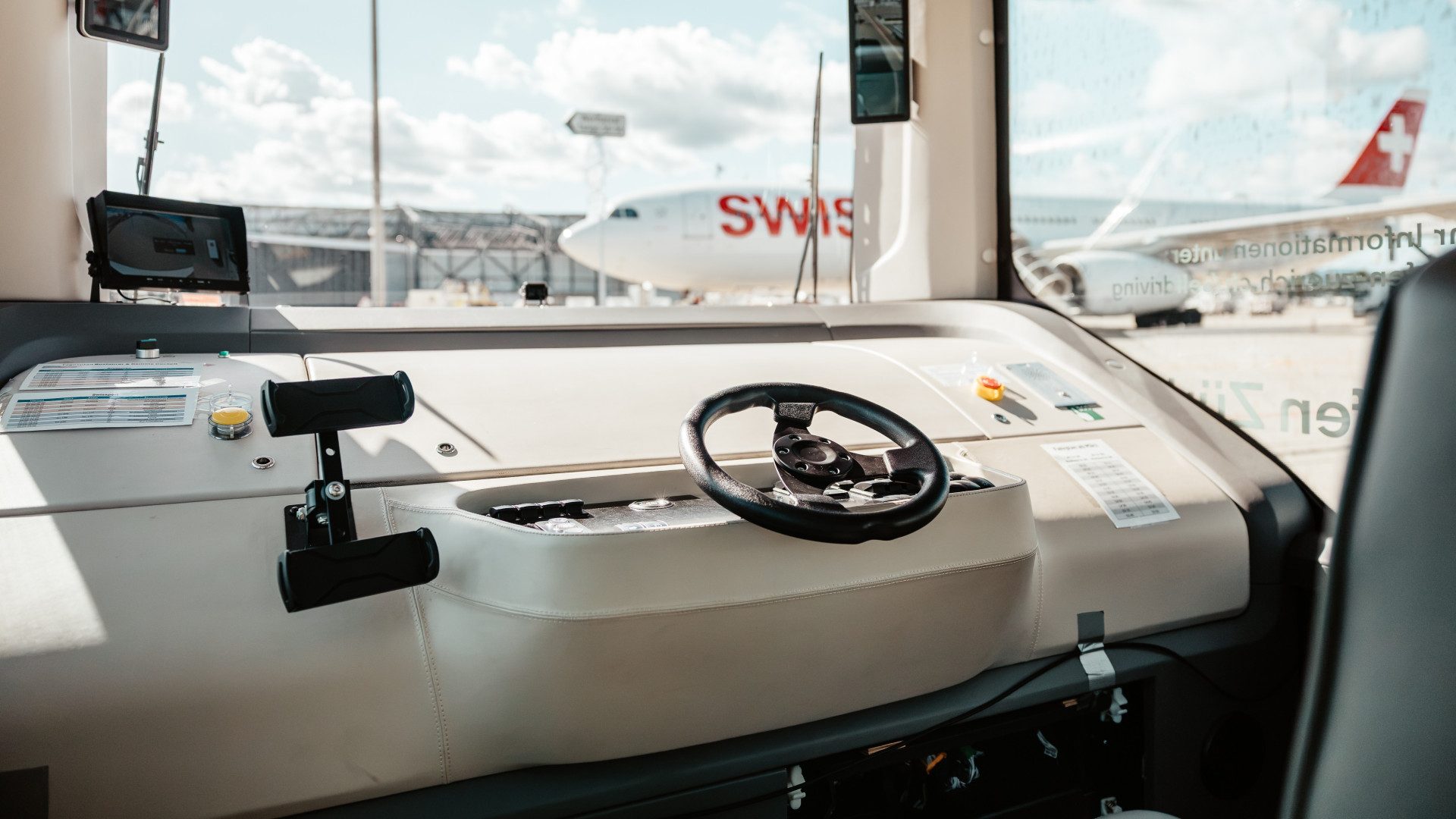
Although the shuttle buses operate without a human driver or safety monitor inside the vehicle, they are far from unsupervised. The system relies heavily on a sophisticated remote cockpit infrastructure designed to oversee the fleet in real-time. This remote monitoring capability allows trained operators to track vehicle diagnostics, observe live camera feeds, and intervene via teleoperation if the shuttle encounters an unusual obstruction or an unexpected traffic scenario that requires human judgment.
The operational structure of the project involves key industry partners operating within the airport ecosystem, notably Swissport and Krummen Kerzers. As part of the collaborative framework, these partner companies directly contribute to the oversight process by providing dedicated personnel to manage the remote operations monitors. This distributed monitoring model ensures that operational responsibility is shared among the key stakeholders utilizing the transit service, creating a robust safety net that satisfies both corporate risk management policies and regulatory mandates.
Chronology of the Zurich Airport Autonomous Project
The successful deployment of the WeRide electric shuttles is the result of a carefully structured timeline that prioritized incremental validation over rushed implementation.

- March 2025: Zurich Airport officially establishes its partnership with autonomous vehicle developer WeRide, laying the groundwork for a phased automated driving pilot project tailored to airport ground operations.
- Spring to Summer 2025: The electric shuttle buses arrive on site. Engineers and technicians subject the vehicles to comprehensive mapping, sensor calibration, and closed-course testing to adapt the navigation software to Zurich Airport’s specific physical layout and local climate conditions.
- Late Summer 2025: Preliminary trials commence with human safety drivers stationed behind the steering wheel to monitor system performance, collect operational data, and build confidence among airport administrators and regulatory bodies.
- September 2026: The project achieves its most significant milestone. Following regulatory approval, the vehicles transition to true Level 4 operations, conducting their first fully automated trips without a safety driver inside the cabin.
- September and October 2026 (Projected): A four-week probationary test period unfolds with zero passengers on board, verifying the stability of the remote monitoring infrastructure under various weather and traffic conditions.
- Late October 2026 and Beyond: Pending the successful completion of the passenger-free test window, employees of participating partner companies such as Swissport and Krummen Kerzers are scheduled to begin utilizing the autonomous shuttles for routine transportation across designated airport grounds.
Strategic Route Planning and Infrastructure Integration
To mitigate risk and ensure a smooth integration with existing airport traffic, the deployment has been restricted to a strictly defined, geofenced route. The electric shuttles currently serve as dedicated employee transit vehicles traveling along a pre-programmed path that deliberately avoids crossing active aircraft taxiways and runways.
By isolating the route from high-risk aviation corridors, project planners have eliminated the potential for catastrophic conflicts between ground transit and moving aircraft. At the same time, the route includes realistic infrastructural complexities—such as pedestrian zones, service intersections, and mixed-use roadways shared with traditional airport service vehicles—allowing the autonomous system to prove its competence in genuine urban-style environments.
This deployment is not an isolated experiment but forms an integral component of a broader, long-term strategic initiative aimed at electrifying and decarbonizing standard operations across Zurich Airport. Airports are notoriously energy-intensive ecosystems characterized by heavy vehicular traffic, constant equipment movement, and significant direct emissions. By introducing battery-electric autonomous shuttles, Zurich Airport is simultaneously addressing two major operational goals: reducing local greenhouse gas emissions and evaluating advanced automation technologies that could eventually optimize labor utilization and fleet efficiency.

Broader Industry Implications and Future Outlook
The success of the Zurich Airport pilot project carries substantial implications for the broader aviation and autonomous vehicle industries. As European regulators grapple with how to safely integrate Level 4 autonomous systems into public and semi-public spaces, high-security facilities like airports provide an ideal controlled environment for validation. Because airports feature regulated access, predictable speed limits, and well-mapped infrastructure, they serve as valuable stepping stones toward broader deployment in densely populated city centers.
Furthermore, the partnership between Zurich Airport and WeRide highlights the increasing globalization of autonomous vehicle technology. Chinese autonomous driving companies, having rapidly advanced their systems through massive domestic deployments in complex urban environments, are increasingly exporting their hardware and software solutions to Western markets through strategic joint ventures.
For the aviation sector, the normalization of driverless shuttles could fundamentally alter how large campuses manage ground logistics. As labor shortages persist and cost pressures mount, efficient 24/7 autonomous transport systems offer a compelling economic alternative for moving employees, crew members, and potentially passengers between remote parking lots, maintenance hangars, and terminal buildings.

As Zurich Airport continues its four-week evaluation phase without passengers, industry observers across Europe will be watching closely. If the remote-monitored, driverless electric shuttles maintain their safety record and operational reliability, the project could pave the way for accelerated regulatory approval of Level 4 autonomous transit systems across other major European transportation hubs.
Related posts: