
Navigating the modern supplement aisle presents consumers with a dizzying array of options, each promising a healthier microbiome through an alphabet soup of probiotics, prebiotics, fiber blends, digestive enzymes, and targeted softgels. With the global digestive health supplement market continuing its rapid expansion—projected to reach tens of billions of dollars as consumer awareness of gut-brain axes and systemic wellness deepens—distinguishing between effective formulations and marketing hype has never been more critical. Industry analysts note that the proliferation of interchangeable-sounding products often leads to consumer fatigue and wasted expenditures. However, medical and nutritional experts emphasize that the efficacy of any digestive supplement fundamentally relies on matching a specific physiological goal to a targeted, evidence-based ingredient.
The evolution of the gut health sector over the past decade reflects a major shift in medical understanding. Historically, gastrointestinal discomfort was treated primarily with over-the-counter antacids or single-strain laxatives. By the early 2010s, the sequencing of the human microbiome opened new frontiers, revealing that trillions of bacteria resident in the gastrointestinal tract influence everything from immune function and metabolic rates to neurological signaling. As research progressed into the 2020s, the market transitioned from generic "high-CFU" (colony-forming unit) probiotic powders to precision synbiotics, targeted delayed-release delivery systems, and multi-action formulations that incorporate prebiotics, probiotics, and postbiotics. By 2026, regulatory scrutiny and consumer demand for transparency have forced manufacturers to disclose exact bacterial strains, ensuring that buyers understand precisely what they are ingesting rather than relying on broad therapeutic claims.

To help consumers navigate this complex landscape, nutritional scientists and clinical specialists have evaluated the leading products on the market for 2026. These selections span foundational daily maintenance, advanced synbiotics, targeted relief for bloating, and digestive enzyme support.
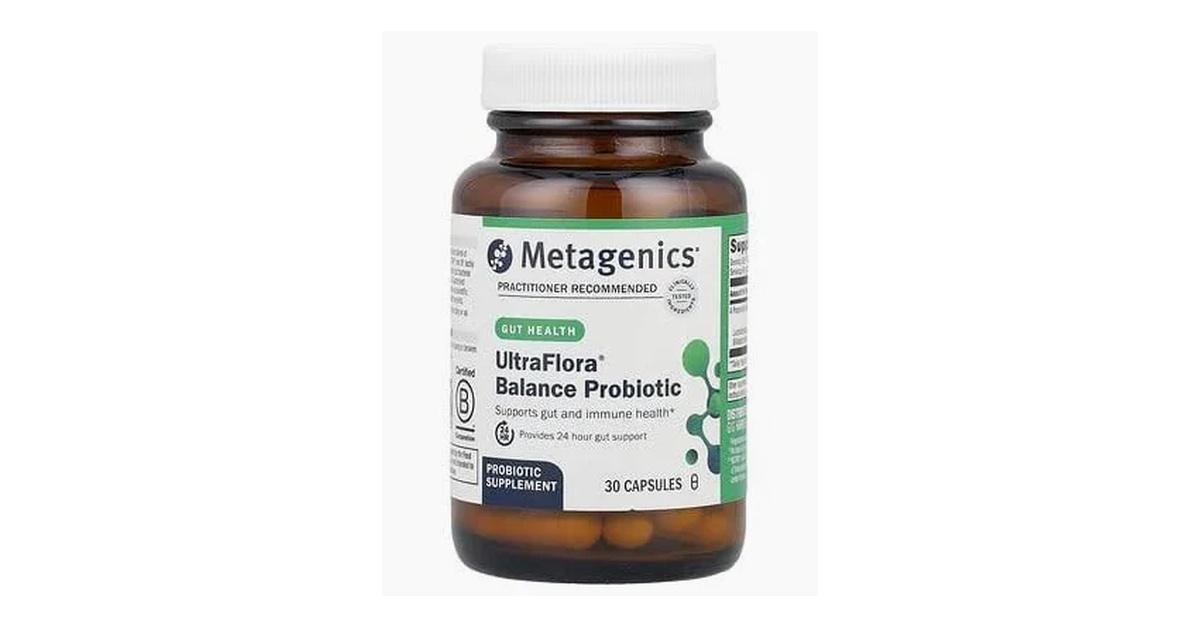
1. Metagenics UltraFlora Balance Probiotic
For individuals seeking a reliable, scientifically grounded starting point for daily digestive maintenance, the Metagenics UltraFlora Balance Probiotic serves as an industry standard. Unlike generic formulations that throw high numbers of unverified bacteria into a capsule, UltraFlora Balance relies on two meticulously documented strains: Lactobacillus acidophilus NCFM and Bifidobacterium lactis Bi-07.
Clinical evaluations of these specific strains have demonstrated their ability to support normal gastrointestinal motility and immune health. Metagenics delivers these strains at a clinically meaningful CFU count, ensuring survivability and colonization potential. Gastrointestinal specialists frequently recommend this product for patients looking to establish a consistent, low-maintenance daily routine—analogous to basic hygiene practices like brushing one’s teeth—without encountering the side effects often triggered by overly complex multi-strain formulas.

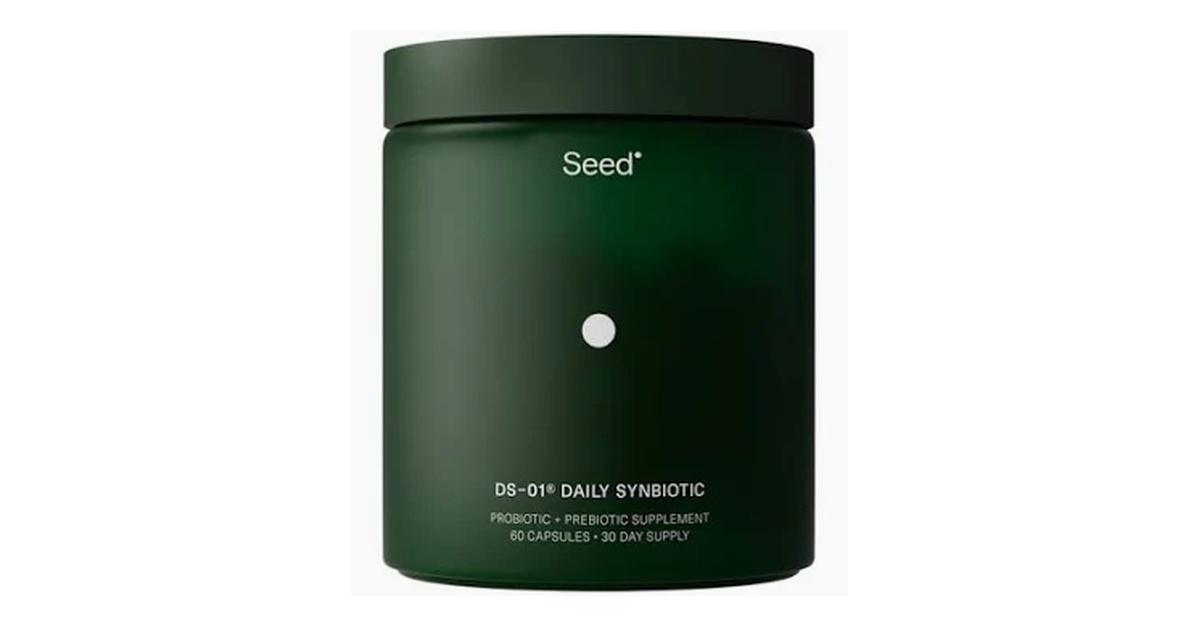
2. Seed DS-01 Daily Synbiotic
Seed’s DS-01 Daily Synbiotic represents the cutting edge of direct-to-consumer gastrointestinal science. Classified as a synbiotic, the product pairs a broad consortium of probiotic bacteria with proprietary prebiotic compounds derived from punicic acid, providing the incoming microorganisms with an immediate energy source upon arrival.
The defining technological innovation of the DS-01 is its nested capsule design, engineered to protect sensitive bacteria from the highly acidic environment of the stomach, allowing them to release safely in the lower gastrointestinal tract. While positioned at a premium price point, the formulation is backed by extensive peer-reviewed research regarding survivability, making it a favorite among consumers who prioritize rigorous manufacturing standards and comprehensive microbiome support.
3. Culturelle Daily Probiotic
As one of the most widely recognized and accessible options in pharmacies nationwide, Culturelle Daily Probiotic centers its formulation around a single, highly researched strain: Lactobacillus rhamnosus GG (LGG). The decision to focus exclusively on LGG provides consumers with a high degree of predictability and clinical backing.

Culturelle acts as an ideal entry point for individuals who are new to probiotic supplementation. Its widespread availability and affordability allow users to test their physiological response to a single, well-tolerated strain before investing in more expensive, multi-component formulations.
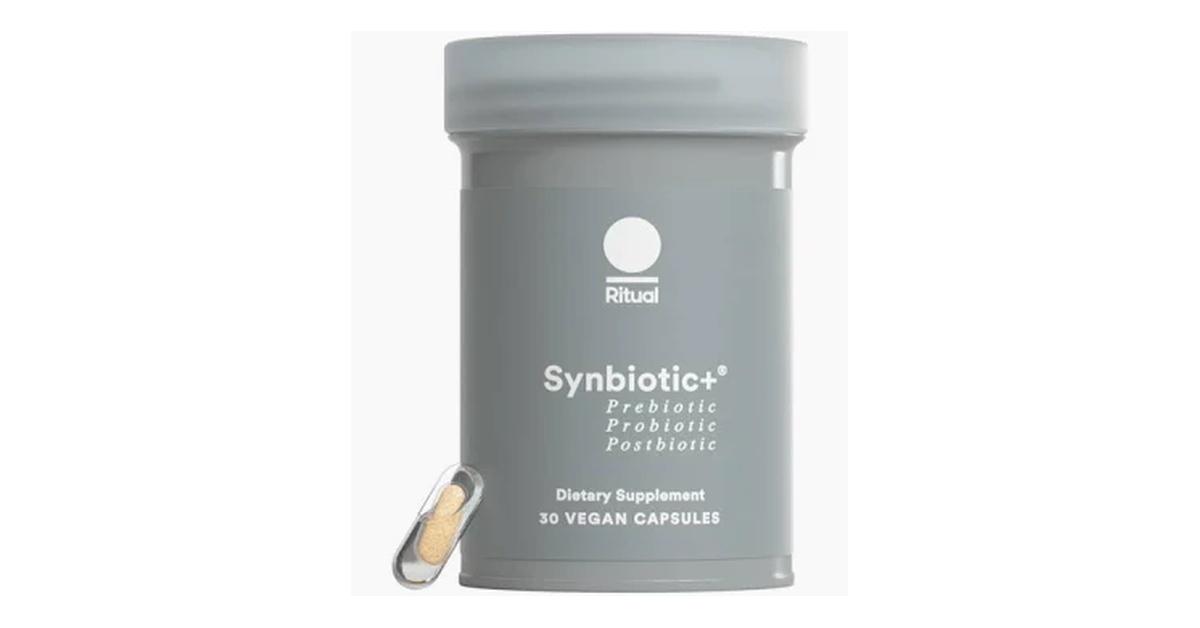
4. Ritual Synbiotic+
Ritual, a brand long celebrated for its radical supply chain transparency, approaches gut health through a triple-action mechanism in its Synbiotic+ supplement. The product combines probiotics, prebiotics, and postbiotics—the beneficial metabolites produced by bacteria during fermentation—into a single delayed-release capsule.
By including postbiotics alongside live cultures and prebiotic fibers, Ritual addresses multiple layers of gut health simultaneously. The delayed-release beadlet-in-capsule technology ensures that the active ingredients bypass harsh gastric acids, making it an efficient option for consumers looking to streamline their daily supplement regimens without sacrificing formula depth.
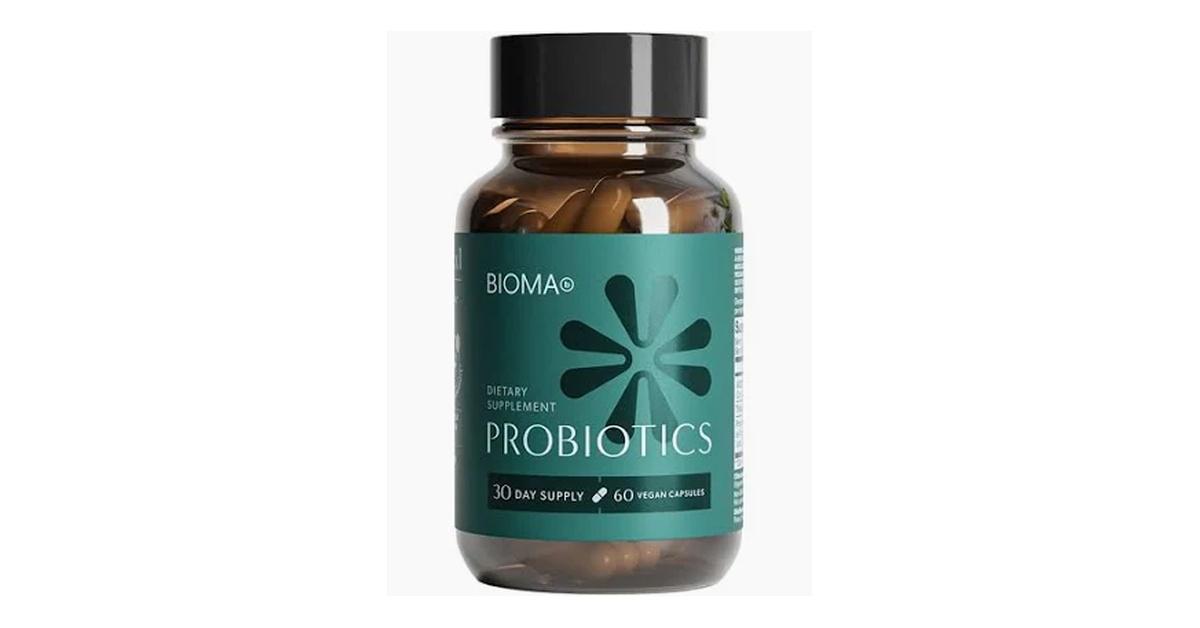
5. BIOMA Probiotics
BIOMA has rapidly carved out a significant market share by directly addressing the dual complaints of chronic bloating and irregular bowel movements. The formulation integrates a specialized blend of probiotics, prebiotics, and postbiotics, encapsulated in a delivery system designed to optimize release timing within the colon.
Market feedback and consumer adoption trends indicate that BIOMA is particularly favored by individuals dealing with post-prandial discomfort and gas. Rather than acting as a general wellness tonic, it is engineered to modulate gut transit time and mitigate the fermentation-induced gas production that causes visible abdominal distention.
6. Thorne FloraMend Prime Probiotic
Thorne occupies a unique space in the supplement industry, maintaining a reputation for clinical purity that appeals directly to healthcare practitioners and research-minded consumers. FloraMend Prime Probiotic utilizes a multi-strain blend formulated to support metabolic health and immune function through the gut barrier.
The brand’s commitment to hypoallergenic manufacturing processes and rigorous third-party testing ensures that the final product is free from common allergens and contaminants. For consumers managing sensitivities or those who read ingredient panels with a critical eye, Thorne offers a high degree of quality assurance.
7. Metamucil
It is a common misconception that all gut health interventions involve live bacteria. Metamucil, composed primarily of 100% natural psyllium husk fiber, addresses the mechanical and physiological foundations of digestion. Psyllium performs two distinct functions: it adds bulk to stool to encourage regular, comfortable elimination, and it acts as a soluble prebiotic fiber that ferments in the gut to feed endogenous beneficial bacteria.
Nutritional data consistently show that the vast majority of populations fall short of daily fiber intake recommendations. For individuals whose diets lack sufficient whole grains, fruits, and vegetables, a psyllium-based supplement often yields more immediate and noticeable improvements in regularity than a standard probiotic capsule.

8. NOW Super Enzymes
When gastrointestinal distress stems from the body’s inability to break down food efficiently rather than a microbial imbalance, probiotic supplementation alone is rarely sufficient. NOW Super Enzymes provides a comprehensive blend of digestive enzymes, including amylase, lipase, and protease, designed to assist in the breakdown of complex carbohydrates, fats, and proteins.
Clinically indicated for individuals experiencing sluggish digestion, post-meal heaviness, or enzymatic insufficiencies, this full-spectrum blend helps mimic natural pancreatic output. Taken alongside heavy or rich meals, it serves as a targeted tool to prevent indigestion and associated gas formation.
9. IBgard
Taking a specialized approach to localized gastrointestinal distress, IBgard utilizes ultra-purified peppermint oil encased in a site-specific release capsule. Peppermint oil has a long clinical history of acting as a smooth muscle relaxant within the intestinal tract, helping to alleviate cramping, spasms, and occasional abdominal pain.
The engineering behind IBgard focuses on ensuring the peppermint oil is delivered smoothly to the small intestine without dissolving prematurely in the stomach, which can otherwise cause heartburn or reflux. It is widely utilized by individuals managing episodic cramping and lower abdominal discomfort.
10. Garden of Life Dr. Formulated Probiotics
Rounding out the list is Garden of Life’s Dr. Formulated Probiotics line, which emphasizes a whole-food philosophy paired with high CFU counts and diverse strain matrices. Developed in collaboration with neurological and microbiome researchers, these formulas often incorporate organic whole-food prebiotic fibers.
The high strain count and robust CFU delivery make this line a versatile tool for general microbiome fortification. Its strong retail presence and organic certifications make it accessible to consumers who prefer naturally derived health products.
Analytical Implications and Market Trends
The continued growth of the digestive supplement sector highlights a broader cultural pivot toward preventative healthcare and personalized nutrition. Industry analysts note that consumers are increasingly moving away from "one-size-fits-all" remedies, choosing instead to curate supplement stacks based on targeted symptoms—whether managing irritable bowel symptoms, recovering from antibiotic use, or simply optimizing daily regularity.
However, medical professionals urge caution against over-supplementation. Gastroenterologists consistently emphasize that supplements should complement, rather than replace, a fiber-rich, diverse diet and healthy lifestyle habits. Furthermore, because the regulatory framework surrounding dietary supplements allows products to enter the market without pre-market FDA approval for efficacy, consumers must rely on brands that engage in third-party testing, utilize clinically studied strains, and provide transparent labeling.
Ultimately, achieving optimal gastrointestinal health requires patience and consistency. Introducing supplements incrementally—allowing the microbiome adequate time to adjust over a two-to-four-week observation window—remains the most effective strategy for achieving sustainable digestive wellness.