Innovative Ear-Based Nerve Stimulation Device Shows Promise for Managing Severe Hypertension in Clinical Trial

A groundbreaking clinical trial conducted by researchers at Queen Mary University of London has introduced a novel, non-invasive approach to managing hypertension: a small, wearable device that delivers gentle electrical pulses through the ear. The study, known as the SCRATCH-HTN trial and published in the American Heart Association’s journal Hypertension, marks a significant development in the field of autonomic neuromodulation. While the device did not achieve a uniform reduction in blood pressure across all participants, its efficacy in a specific subgroup of patients with severe, treatment-resistant hypertension offers a compelling path forward for those who struggle to keep their cardiovascular health in check despite standard medication.
The Mechanism of Transcutaneous Autonomic Neuromodulation
At the heart of this technology is a technique known as transcutaneous autonomic neuromodulation (tAN). The autonomic nervous system acts as the body’s command center for involuntary functions, including heart rate, peripheral vascular resistance, and blood pressure regulation. In many patients with hypertension, this system becomes dysregulated, contributing to chronically elevated blood pressure.
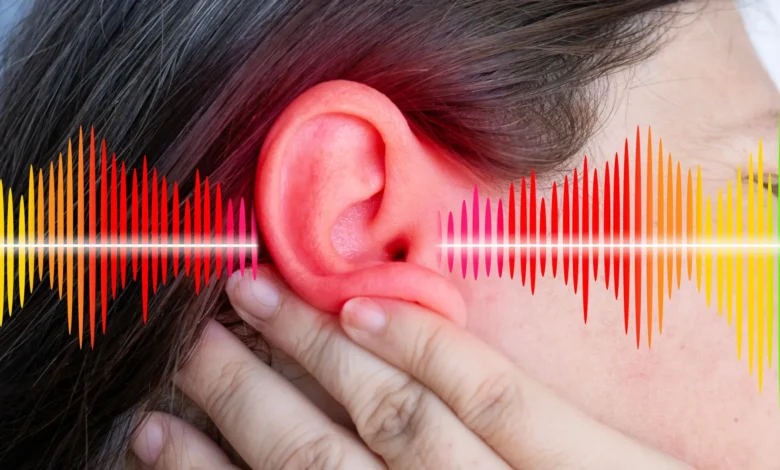
The device, developed by Afferent Medical Solutions, is designed to tap into this network by targeting the vagus nerve, which has branches accessible through the ear. By utilizing two small clips positioned on the tragus—the cartilaginous protrusion located in front of the ear canal—the device delivers precise, low-level electrical stimulation. This non-invasive method aims to reset or recalibrate the autonomic balance without the surgical risks associated with traditional neuromodulation techniques, such as carotid baroreceptor stimulation, which often requires invasive implantation.
Chronology of the SCRATCH-HTN Trial
The SCRATCH-HTN trial was designed as a rigorous, randomized controlled study to evaluate the safety, feasibility, and efficacy of this home-based treatment. Funded by the National Institute for Health and Care Research (NIHR), the trial enrolled 63 participants, all of whom suffered from uncontrolled hypertension despite adhering to at least one standard blood pressure medication.
The trial protocol was structured into a phased intervention:
- Recruitment and Baseline Assessment: Participants were screened for persistent hypertension and randomized into an active treatment group or a sham control group.
- Initial Intervention Phase: For the first two weeks, participants utilized their assigned device for 30 minutes daily. This period was critical for assessing patient compliance and device tolerability.
- Maintenance Phase: Following the initial two weeks, the regimen transitioned to once-weekly sessions for the subsequent 10 weeks, allowing researchers to monitor the durability of the effect.
- Data Analysis: The primary endpoint was the change in blood pressure compared to the sham device, with secondary analyses focusing on patient adherence and adverse events.
Throughout the study, the device proved to be highly patient-acceptable, with a low incidence of side effects. Most participants successfully completed the home-based protocol, demonstrating that self-administered neuromodulation is a practical approach for long-term chronic disease management.
Analyzing the Data: A Tale of Two Findings
The study’s results are nuanced, requiring a careful distinction between the overall population and the specific subgroup analysis. When looking at the 63 participants as a whole, the data showed no statistically significant difference in blood pressure reduction between those receiving active electrical pulses and those using the placebo device.
However, the clinical picture shifted significantly when researchers isolated the subgroup of patients with more severe hypertension. In these individuals, the active treatment yielded a measurable and clear reduction in blood pressure readings compared to the sham intervention. This "prespecified subgroup analysis" suggests that the technology may be most potent for patients whose blood pressure is at its most resistant. For clinicians, this is a vital distinction, as the "difficult-to-treat" population—those who fail to reach blood pressure targets despite polypharmacy—represents one of the greatest challenges in modern cardiology.
Expert Perspectives and Official Statements
Dr. Ajay Gupta, the Chief Investigator of the study, a Clinical Reader at Queen Mary University of London, and a Consultant Physician at Barts Health NHS Trust, has been vocal about the potential of this technology.
"This is an exciting, highly patient-acceptable technology that could ultimately provide a cheap, scalable solution for millions," Dr. Gupta stated. "Although the trial did not achieve significance across the broad unselected group, those with more severe hypertension exhibited a clear blood pressure reduction in the active group compared to sham. As the first and most thorough study of its kind, this points towards important new research directions that could help us understand whether non-invasive neuromodulation can benefit particular groups of patients with uncontrolled hypertension."
From a broader medical perspective, independent observers note that while the trial size (n=63) is relatively small, the results provide a "proof of concept" that justifies larger, multi-center trials. The shift in research focus toward neuromodulation reflects a growing trend in medicine: moving away from purely pharmacological interventions toward technologies that can modulate the body’s own physiological responses.
The Broader Impact on Cardiovascular Health
Hypertension is widely recognized as the "silent killer" of the modern era. It is a primary driver of cardiovascular disease, contributing significantly to the global burden of heart attacks, strokes, chronic kidney disease, and heart failure. Despite the widespread availability of antihypertensive medications—including ACE inhibitors, beta-blockers, and calcium channel blockers—a significant percentage of the hypertensive population remains at high risk because their blood pressure does not reach the recommended clinical targets.
The economic and human costs are staggering. When patients remain on the wrong side of their blood pressure goals, they face increased strain on their arterial walls and myocardium, leading to cumulative, irreversible damage. The current "standard of care" approach is to add more medications to a patient’s regimen, which often leads to poor compliance due to side effects, such as fatigue, electrolyte imbalances, or dizziness.
A home-based, non-invasive device that works in tandem with existing medication could redefine the treatment algorithm. By potentially reducing the "pill burden" or providing an additional layer of control, the technology could improve quality of life and long-term prognosis for millions.
Implications and Future Research Directions
The findings from the SCRATCH-HTN trial serve as a foundational step. The medical community generally agrees that while the results are "encouraging," they do not yet constitute a clinical standard. To transition from an experimental device to a viable clinical tool, several milestones must be met:
- Large-Scale Validation: Future trials must include hundreds, if not thousands, of patients to confirm the efficacy seen in the severe hypertension subgroup.
- Long-term Safety Studies: While the 12-week study demonstrated safety, the long-term effects of chronic, intermittent electrical stimulation of the vagus nerve need to be established over several years.
- Precision Medicine Application: Researchers need to determine the biomarkers or patient characteristics that predict who will respond best to tAN. If doctors can identify "responders" early, the clinical implementation will be far more efficient.
- Regulatory Pathway: For a device of this nature to reach the general public, it must pass through rigorous regulatory hurdles, including FDA or EMA approval, which requires definitive proof of both safety and sustained efficacy.
Ultimately, the Queen Mary University study underscores the power of innovation in addressing one of the most stubborn issues in public health. By engaging the nervous system to treat the cardiovascular system, scientists are opening a new frontier. If future, larger studies confirm that ear-based nerve stimulation can reliably lower blood pressure in patients with severe, treatment-resistant hypertension, it may well become a standard, cost-effective tool in the physician’s toolkit, offering hope to those who have long felt trapped by the limitations of traditional drug therapy.
Related posts: