The Evolving Landscape of Electric Vehicle Sales: Balancing New Market Growth and Used Sector Momentum

As gasoline prices continue to fluctuate at the pump, American motorists are increasingly reevaluating their transportation choices. The automotive industry is witnessing a distinct bifurcation in consumer behavior: while hybrid vehicles are surging in popularity due to their familiar refueling experience and improved fuel economy, the electric vehicle (EV) market is navigating a complex transition defined by shifting tax credits, falling transaction prices, and a robust, rapidly growing secondary market.
A Complex Shift in New EV Sales
New data provided by Cox Automotive offers a granular look at this transition. In August, new electric vehicle sales in the United States recorded a modest increase of 2.5 percent compared to July figures. However, when viewed through a year-over-year lens, the picture is more sobering. Battery-electric vehicle (BEV) sales currently track 46.9 percent lower than they did during the same period in 2023.
This substantial year-over-year decline is largely attributed to a market correction following the expiration of certain federal tax credit provisions that had previously incentivized a surge of "early bird" buyers. During the same period in 2023, many consumers rushed to finalize purchases to capitalize on expiring incentives, creating an inflated baseline that makes current sales numbers appear lower by comparison.
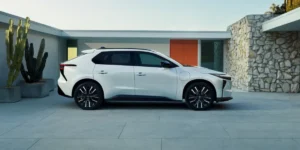
Of the approximately 79,000 EVs sold in August, Tesla remains the dominant market force, accounting for nearly 41,000 units. Despite this overwhelming lead, Tesla’s own sales figures saw a 3.8 percent dip from July to August. Meanwhile, traditional manufacturers are beginning to find their footing in the space. Toyota, for instance, reported a significant surge in sales, moving 4,964 units—an increase of 34.9 percent. This suggests that while Tesla maintains a dominant market share, the competitive landscape is beginning to diversify as legacy automakers scale their production and marketing efforts.
The Price Parity Tug-of-War
A critical factor influencing the adoption of EVs is the persistent gap in transaction costs between electric and combustion-powered vehicles. Fortunately for the consumer, the trend is moving toward affordability. In August, the average transaction price for a new electric vehicle fell by 1.3 percent month-over-month and by 2.8 percent year-over-year.
Currently, the average transaction price for a new EV stands at approximately $54,754, while the average combustion-powered vehicle retails for $49,907. While a price delta of roughly $4,800 remains, the industry is inching closer to price parity. This narrowing gap is essential for mass-market adoption, as it reduces the "green premium" that has historically deterred budget-conscious buyers. Manufacturers are increasingly utilizing aggressive discounting and promotional financing to bridge this gap, as inventory levels of new EVs remain high compared to the broader automotive market.
The Explosion of the Used EV Market
While the new EV market is experiencing a period of stabilization and recalibration, the used electric vehicle market is currently in a state of rapid expansion. According to Cox Automotive, used EV sales rose by 25.9 percent in August, with a total of 44,350 units sold. This represents a 14.7 percent increase compared to the previous year.
The primary driver of this trend is the return of off-lease vehicles to the secondary market. As the first wave of widespread EV leases reaches maturity, a influx of reliable, modern electric vehicles is entering the used car lot, providing an accessible entry point for consumers who were previously priced out of the new EV market.
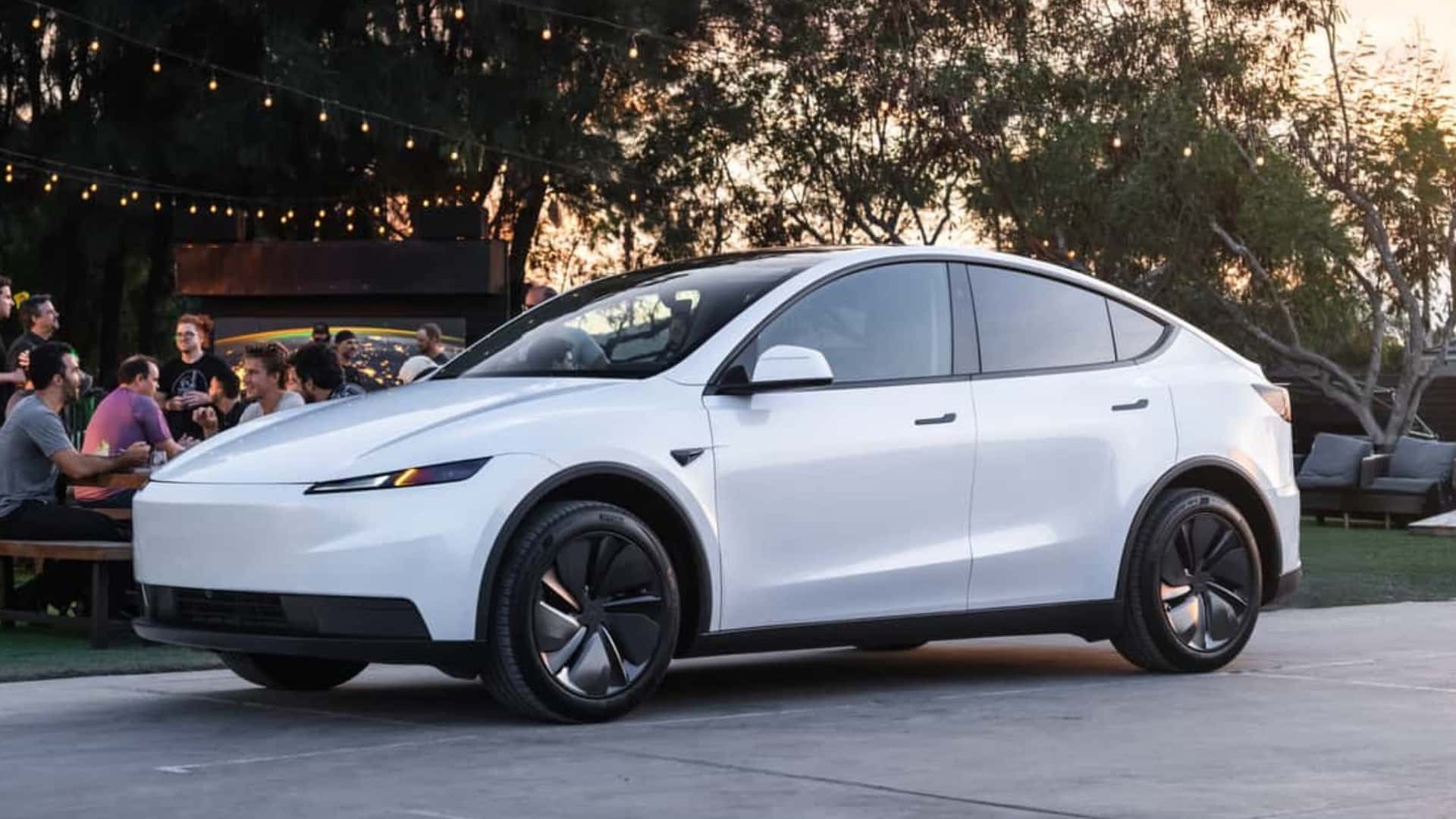
The affordability of these used models is notable. The average listing price for a used EV in August was $37,441, a 1 percent decrease from July. While this is an 8.2 percent increase compared to last year—largely due to increased demand and improved quality of available inventory—it remains significantly more attainable than a new model.
Tesla remains the anchor of the used market, representing nearly 30 percent of all used EV transactions. However, other manufacturers are gaining significant traction. Nissan and Kia, in particular, reported massive gains in the used sector, with sales rising 45.1 percent and 32.1 percent respectively. This indicates that as consumers become more comfortable with electric drivetrains, they are increasingly willing to look beyond Tesla for pre-owned options that offer reliability and brand-specific features.
Market Leaders and Consumer Preferences
Data from Cox Automotive highlights a clear hierarchy in consumer preference. The Tesla Model 3 and Model Y continue to serve as the benchmark for both new and used sales volume. These vehicles, known for their extensive charging infrastructure and established software ecosystems, remain the primary entry point for first-time EV owners.
However, the Ford Mustang Mach-E has also carved out a significant niche, consistently appearing among the models with the highest month-over-month volume increases. The success of the Mach-E suggests that consumers are responding favorably to legacy brands that adopt the "EV-first" styling and performance expectations established by pure-play electric manufacturers.
Industry Implications and Future Outlook
The current data indicates that the EV market is moving from an "early adopter" phase to a "mass-market" phase, which is inherently more volatile. The rapid growth in the used sector is a positive signal for the long-term health of the industry, as it demonstrates that EVs are holding their value and gaining a reputation as viable, long-term transportation solutions.
For manufacturers, the challenge remains balancing production capacity with demand. With inventory levels for new EVs remaining elevated, companies are under pressure to continue lowering prices or offering incentives to move stock. For the consumer, this creates a unique window of opportunity. Whether through the purchase of a new, discounted model or a more affordable off-lease used vehicle, the cost of transitioning away from internal combustion is lower than it has been in years.
Analysis: A Path to Mainstream Adoption
The broader implications of these statistics are profound. The transition to electric mobility is not a linear path but a complex cycle influenced by macroeconomic factors, including interest rates and the availability of credit. The decline in year-over-year new EV sales should not be viewed as a lack of interest, but rather as an adjustment to a post-subsidy environment.
As legacy automakers like Toyota, Ford, and others continue to refine their offerings, the market will likely see increased price competition. This, combined with the maturation of the secondary market, will be the ultimate catalyst for widespread adoption. As the supply of used, off-lease vehicles continues to climb, the price-conscious consumer will find it increasingly difficult to ignore the total cost of ownership benefits associated with electric propulsion.
Ultimately, the automotive market is entering a phase where the "EV" label is becoming normalized. As long as gasoline prices remain a point of concern for the average household, the utility of a lower-maintenance, fuel-independent vehicle will continue to appeal to a broad demographic. The current, slightly fragmented state of the market is merely a prelude to a more competitive and consumer-friendly era of electric transportation. For those looking to make the switch, the data suggests that the secondary market, in particular, has never offered a more diverse or affordable selection.