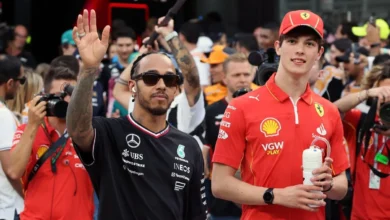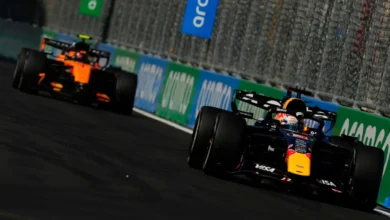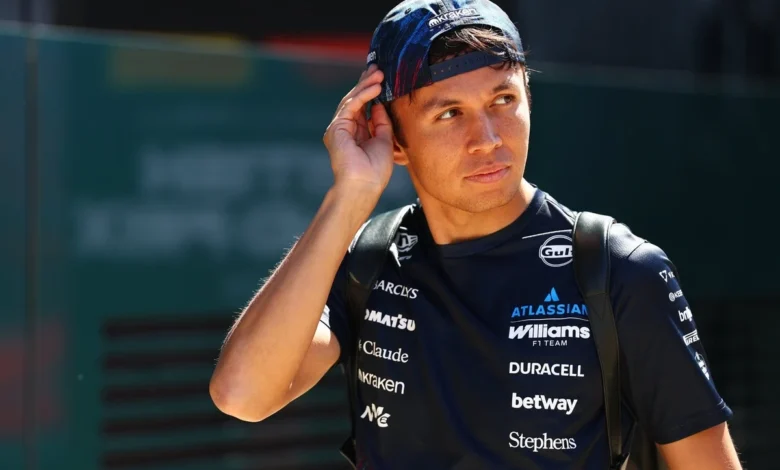
The life of a Formula 1 driver is frequently defined by high-speed travel, intense physical preparation, and the crushing weight of public expectation. However, when the circus packs up and departs the paddock, many of the sport’s elite return to a shared sanctuary: the Principality of Monaco. In a recent behind-the-scenes feature, Williams Racing driver Alex Albon pulled back the curtain on the paradox of living in a city-state where, despite the luxury and exclusivity, the world’s fastest drivers find it nearly impossible to escape one another.
Filmed on a Tuesday following a grueling race weekend, Albon’s account provides a candid look at the domestic realities of the grid. Accompanied by his fiancée, professional golfer Lily Muni He, the Thai-British driver highlighted the geographical constraints of Monaco, which houses a significant portion of the F1 field within its 2.02 square kilometers. For the casual observer, the notion of professional rivals sharing cafes, gyms, and leisure time might seem incongruous with the cutthroat nature of the sport. Yet, for Albon, this proximity is simply the status quo.
The Monaco Bubble: A Competitive Proximity
The logistics of the modern F1 driver’s life are dictated by the need for central access to travel hubs and a climate that facilitates outdoor training. Monaco remains the primary choice for the majority of the grid, including the likes of Carlos Sainz, Lando Norris, and George Russell. Albon’s experience serves as a microcosm of this lifestyle, where the lines between professional rivalry and personal neighborliness blur.
"We’ll grab breakfast this morning and we’re going to play some padel today," Albon noted during the filming. "I will not be surprised at all if you will see some F1 drivers there. It’s 10:45; most F1 drivers have only just woken up."
The anecdote Albon shared regarding a breakfast excursion illustrates the density of the F1 population in the region. While attempting to visit a newly opened establishment, Albon found himself in a serendipitous encounter with Carlos Sainz. The subsequent arrival of Lando Norris and Gabi Bortoleto, coupled with the prior presence of George Russell, meant that a significant fraction of the grid was occupying the same square footage.
"We do not escape each other," Albon remarked. "Literally, end to end is 3.5km. Half of us go to the same gym, and where we are now, there are probably about five drivers within a minute’s walk. It gets cozy."
The Daily Routine: Training and Social Integration
Beyond the social aspect, the video provided insight into how these athletes maintain their peak physical conditioning during the mid-season grind. The physical demands of Formula 1 have reached an all-time high, with drivers requiring extreme core strength, neck durability, and cardiovascular endurance to withstand the G-forces exerted during high-speed cornering and braking.
Albon differentiates his training regimen from that of his colleagues, noting a preference for running over the high-intensity cycling favored by others. "I do bicycle a little bit, but I’m not good on it," he admitted. "That’s for Carlos—he’s the bicycle man. I’m running a lot more, often with Lily. It’s been so hot in Monaco recently, but it’s actually beneficial because we have the upcoming races in Singapore and Malaysia."
The mention of the Singapore and Malaysia legs of the calendar underscores the strategic nature of training. The humidity and heat of these Southeast Asian circuits present unique physiological challenges that require specific heat acclimation. By training in the current Monaco climate, Albon is preparing his body to manage core temperature regulation, a critical factor in maintaining cognitive focus during a two-hour race under floodlights.
Historical Context and Geographical Constraints
The exodus of F1 drivers to Monaco is not a new phenomenon, but it has intensified over the last two decades. The Principality offers a unique combination of tax efficiency, security, and a lifestyle tailored to the ultra-high-net-worth individual. However, this concentration of talent creates an environment where privacy is a premium commodity.
The history of F1 drivers in Monaco dates back to the early years of the World Championship, but the modern era has seen the city become a training base rather than just a race venue. The "Monaco effect" has become a talking point among fans and analysts alike, as it creates a unique psychological environment. Unlike athletes in other sports who may have the luxury of returning to their hometowns or sprawling estates, F1 drivers are effectively tethered to a small, dense urban center.
The professional implications of this are nuanced. While rivalries on track remain fierce, the off-track reality involves discussions about mundane domestic issues—house renovations, furniture shopping, and pet care. This level of social familiarity can influence team dynamics, as drivers share common spaces and often common social circles.
Challenging Times for Williams Racing
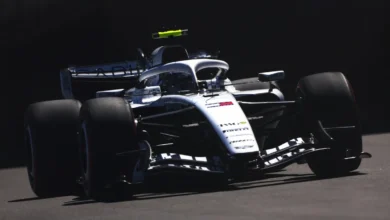
While Albon’s personal life in Monaco offers a sense of normalcy, his professional life with Williams Racing is currently defined by a significant performance deficit. The 2024 season has been fraught with technical challenges for the Grove-based team.
The difficulties began during the pre-season phase, where the team faced a series of setbacks. The car, which arrived at the start of the season overweight, failed to meet the aerodynamic efficiency targets set by the engineering department. Furthermore, the team was forced to miss critical private testing time in Barcelona due to logistical and build-related complications. These early-season hurdles have left the team playing a perpetual game of catch-up.
As of the latest standings, Albon holds 17th position with five points. While this performance is not reflective of his individual capability, it highlights the structural challenges facing Williams as they undergo a period of intense organizational transition. The team is currently in the midst of a multi-year restructuring plan aimed at modernizing their facilities and shedding the legacy issues that have hampered their development for years.
Implications for the Future
The candid nature of Albon’s reflection offers more than just a peek behind the curtain; it highlights the resilience required to operate at the pinnacle of motorsport while navigating the intense public and private pressures of the role. The ability to compartmentalize—shifting from the high-stress environment of a Grand Prix weekend to the quiet, yet claustrophobic, reality of Monaco—is a skill that differentiates successful drivers.
For Williams, the path forward requires not just technical innovation but the sustained focus of their lead driver. Albon’s commitment to his training, even amidst the backdrop of a difficult season, demonstrates the professional standard expected at this level. As the season progresses into the physically demanding flyaway races, the focus will shift back to the tarmac.
The "Monaco bubble" may be a place of social comfort for the drivers, but as the season enters its final act, the focus of the sport remains fixed on the stopwatch. Whether it is the battle for points in the midfield or the fight for the Constructors’ Championship, the drivers will eventually emerge from their shared cafes and gyms to return to the only arena that truly matters. For Albon, the challenge remains clear: to lead the resurgence of a historic team while navigating the unique, small-world pressures of life at the top of the sport.