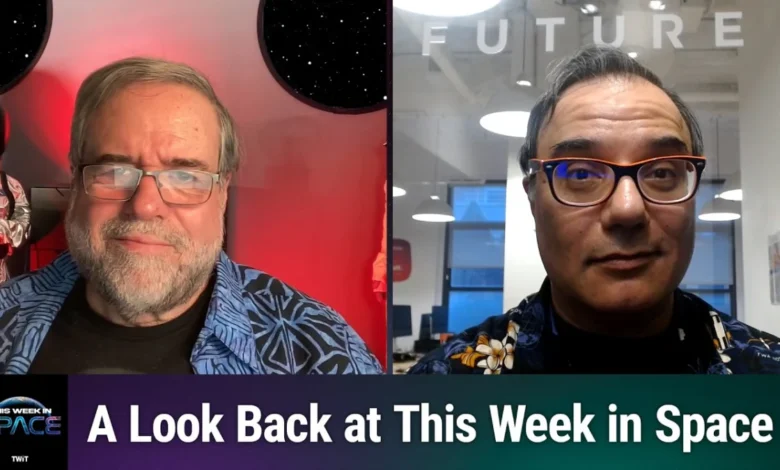
The curtain has officially fallen on This Week in Space (TWiS), the long-running podcast that served as a cornerstone of the TWiT.tv network’s science and technology programming. In its 237th episode, hosts Tariq Malik and Rod Pyle delivered a final broadcast, capping off a multi-year run that provided listeners with deep dives into the rapidly evolving landscape of aerospace exploration. While the show in its current format has concluded, the hosts have indicated that this is a temporary hiatus, with plans to relaunch their collaborative efforts in a new venue by early 2027.
A Chronology of Exploration and Analysis
Since its inception, This Week in Space occupied a unique niche in the podcasting ecosystem. Positioned at the intersection of journalism and enthusiast discourse, the show tracked the most transformative era of space exploration since the Apollo missions. The program’s history is inextricably linked to the "New Space" revolution, a period characterized by the rise of private spaceflight companies like SpaceX, Blue Origin, and Rocket Lab, alongside the ambitious return-to-the-moon goals of NASA’s Artemis program.
The series began with a focus on breaking down complex aeronautical milestones into digestible, narrative-driven segments. Over the course of approximately 240 episodes—including the early beta testing phases—the show chronicled historic events such as the James Webb Space Telescope’s first images, the successful test flights of the Starship vehicle, and the ongoing international competition for lunar surface access. For listeners, the podcast served as both a news aggregator and a historical primer, often inviting subject matter experts to contextualize the rapid pace of modern aerospace developments.
The Dynamics of the Host Duo
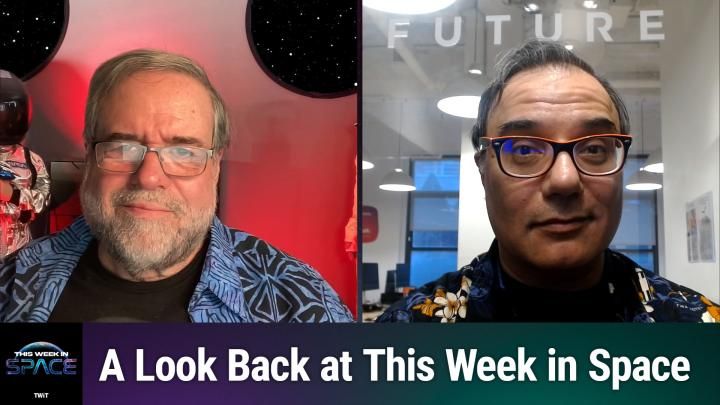
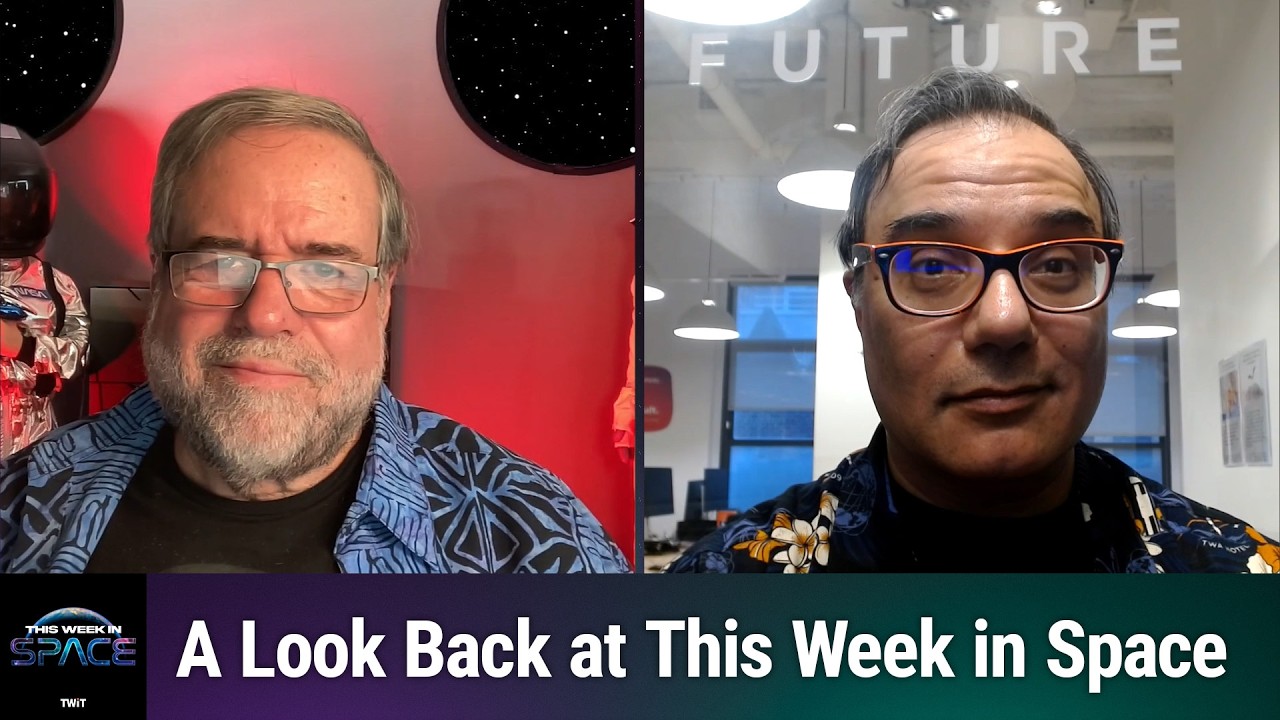
The longevity and appeal of the program were largely attributed to the synergy between its two hosts, Tariq Malik and Rod Pyle. Malik, serving as the Editor-in-Chief of Space.com, brought a rigorous journalistic perspective to the show. With a career spanning over two decades, his expertise provided a grounded, fact-based framework for discussing the technical and political hurdles of spaceflight. His background—ranging from covering human spaceflight to his experiences with NASA’s parabolic "vomit comet" flights—offered a level of first-hand authority that resonated with the audience.
Rod Pyle, an accomplished author and historian with 18 books on space history, provided the historical tether for the show. Pyle’s work, which includes titles such as Innovation the NASA Way and Destination Mars, added a layer of academic depth to the episodes. By balancing Pyle’s historical narratives with Malik’s contemporary news reporting, the show maintained a dual focus that appealed to both casual space fans and industry professionals. Their rapport, often punctuated by lighthearted segments and "terrible" space jokes, served to humanize the complex and often sterile subject matter of orbital mechanics and satellite deployment.
Contextualizing the Media Shift
The conclusion of the TWiS podcast reflects broader shifts in the digital media landscape. As the podcast industry matures, content creators are increasingly moving toward independent distribution models or specialized niche networks. The decision to step away from the TWiT.tv platform marks the end of an era for the network, which has long been a pioneer in the tech-podcasting space.
For the production team, the "fond farewell" was not framed as a permanent retirement from the airwaves but rather a strategic pivot. The commitment to return in 2027 suggests a period of realignment, likely aimed at updating the production’s scope to match the shifting technological requirements of the industry. The hosts have encouraged their audience to maintain contact through social media channels, specifically on Instagram and Facebook under the handle @rodandtariq, to track the development of their next project.
Implications for Space Journalism
The absence of a weekly show dedicated specifically to the news cycle of the aerospace industry leaves a temporary void for enthusiasts. Space journalism is currently in a state of hyper-activity; the frequency of orbital launches, the maturation of commercial space stations, and the geopolitical implications of planetary defense strategies require constant, informed coverage.
Historically, outlets like Space.com—the institutional home of both hosts—have played a vital role in democratizing information about the "final frontier." The analysis provided by shows like TWiS acted as a bridge between official government press releases and the general public. As the industry moves toward a more commercially-driven model, the need for independent, objective voices to analyze the risks, costs, and benefits of private space ventures remains high. The hosts’ hiatus provides a moment to consider how such programming might evolve in the coming years, potentially shifting toward more interactive or long-form investigative formats.
Beyond the Podcast: The Consumer Side of Space
While the podcast has concluded, the culture of space exploration continues to permeate mainstream consumer markets. The show frequently highlighted the intersection of space technology and commercial products, such as the recent surge in high-fidelity model rocketry. A prime example highlighted by the hosts was the release of the Estes Industries scale model of the SpaceX Falcon 9.
Retailing at $149.99, this model represents more than just a hobbyist’s toy; it is a symbol of how the private space sector has moved into the cultural consciousness. The fact that a detailed, launchable model of a contemporary launch vehicle is a commercial success speaks to the increased public interest in the mechanics of spaceflight. Through partnerships with organizations like collectSPACE.com, the podcast successfully linked the technical news of the week with the tangible, physical artifacts of the space age, encouraging a deeper level of engagement from its audience.

Looking Toward the Future
As Malik and Pyle prepare for their next venture, the legacy of their work remains in the archive of their previous episodes. These recordings serve as a vital repository of the mid-2020s space race. They captured the optimism of the early Artemis era, the challenges of orbital debris, and the excitement surrounding the first commercial space stations.
For those following the space beat, the period between now and the projected 2027 relaunch will likely see significant changes in the sector. NASA’s goals for lunar habitation, the potential for a crewed mission to Mars, and the increasing militarization of low-Earth orbit will all be topics that require the same level of granular, expert analysis that the duo provided for years.
In the final analysis, the end of This Week in Space on the TWiT.tv network is a chapter closure in the ongoing story of humanity’s expansion into the cosmos. While the weekly cadence has been interrupted, the collaborative partnership between a seasoned journalist and a dedicated space historian remains intact. Their audience, having been built over 237 episodes, remains a testament to the enduring public fascination with the stars. Whether through a new podcast, digital content, or long-form writing, the conversation regarding the future of humanity in space is expected to continue with the same rigor and passion that defined their tenure on the show.
Listeners and followers are advised to keep a close watch on the official social media channels established by the hosts, as these will serve as the primary conduits for announcements regarding the 2027 project. As the aerospace industry prepares for its most transformative years yet, the return of such a familiar and reliable analytical voice will be a welcome development for the global space community.