Final International Space Station Roll-Out Solar Array Installation Marks a New Era of Orbital Power

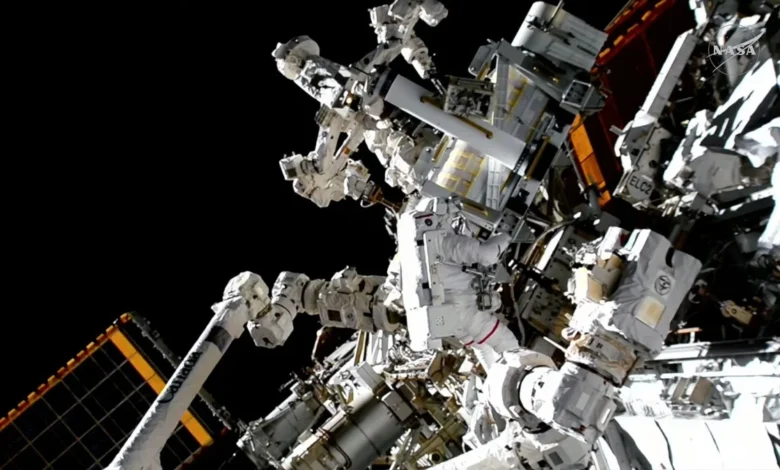
The International Space Station reached a critical milestone in its operational longevity on November 5, 2026, as two Expedition 75 flight engineers successfully installed and deployed the eighth and final International Space Station Roll-Out Solar Array (iROSA). This complex extravehicular activity (EVA) effectively completes a multi-year effort to modernize the station’s aging power grid, ensuring the laboratory remains energized for its remaining years of service through its projected retirement in 2030.
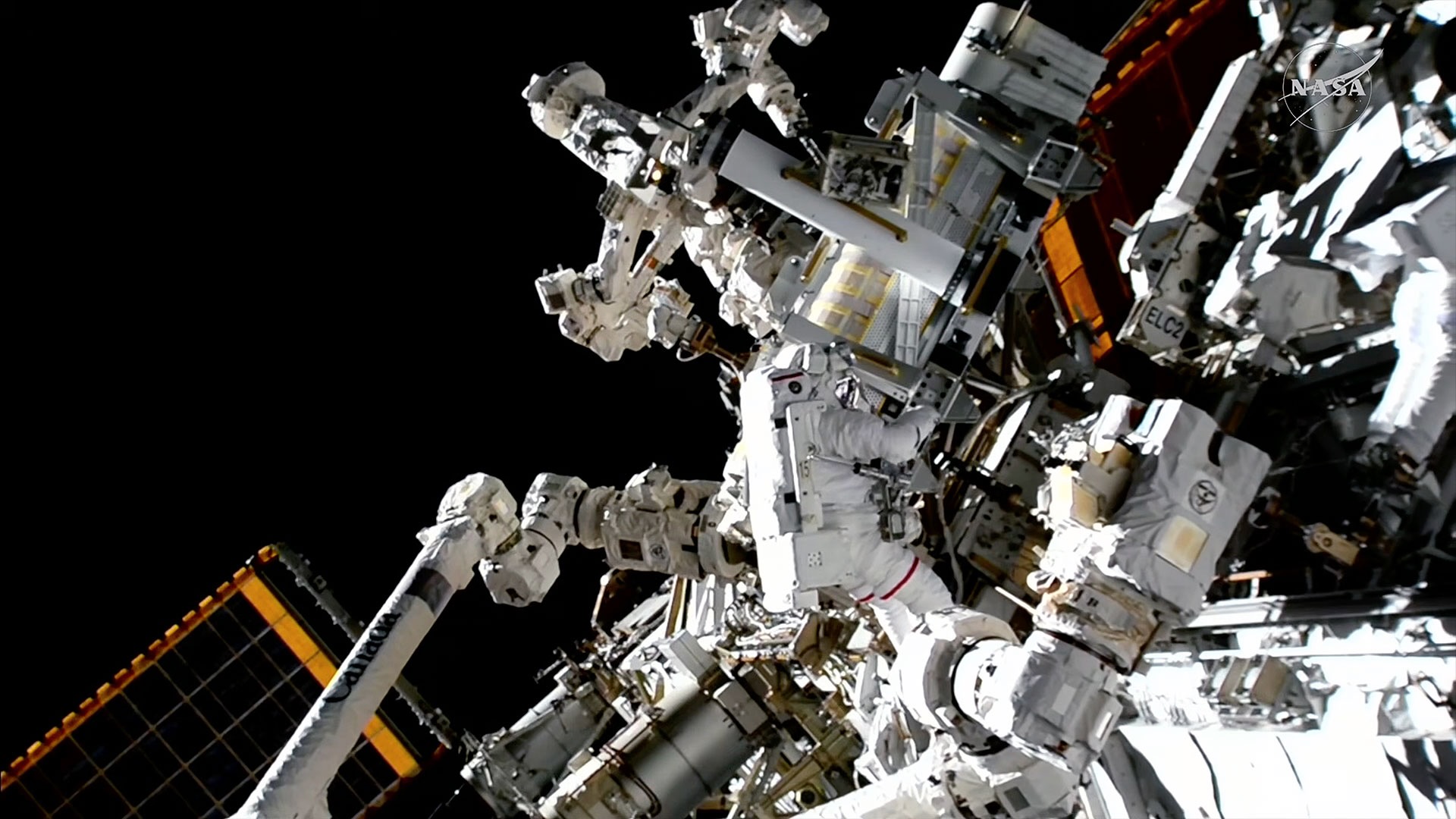
NASA astronaut Anil Menon and Canadian Space Agency (CSA) astronaut Joshua Kutryk performed the nearly seven-hour spacewalk, successfully transitioning the final 750-pound (340-kilogram) hardware assembly from its stowage position to the station’s starboard backbone truss. The completion of this task signifies more than just a technical upgrade; it represents the culmination of a massive logistical and engineering campaign that spanned over five years and involved multiple international partners and commercial providers.
A Chronology of the Power Upgrade
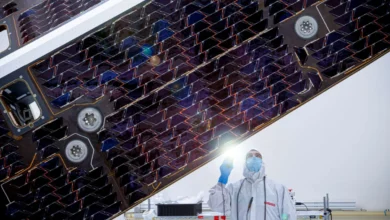
The transition to iROSA technology was necessitated by the degradation of the station’s original solar wings. Launched between 2000 and 2009, the original arrays were designed for a 15-year service life. By the late 2010s, flight controllers at NASA’s Johnson Space Center began observing significant declines in power generation efficiency. The solution was the iROSA project: compact, flexible solar blankets that could be rolled up for transport inside a SpaceX Dragon cargo spacecraft and then unfurled in orbit using the stored potential energy of composite booms.
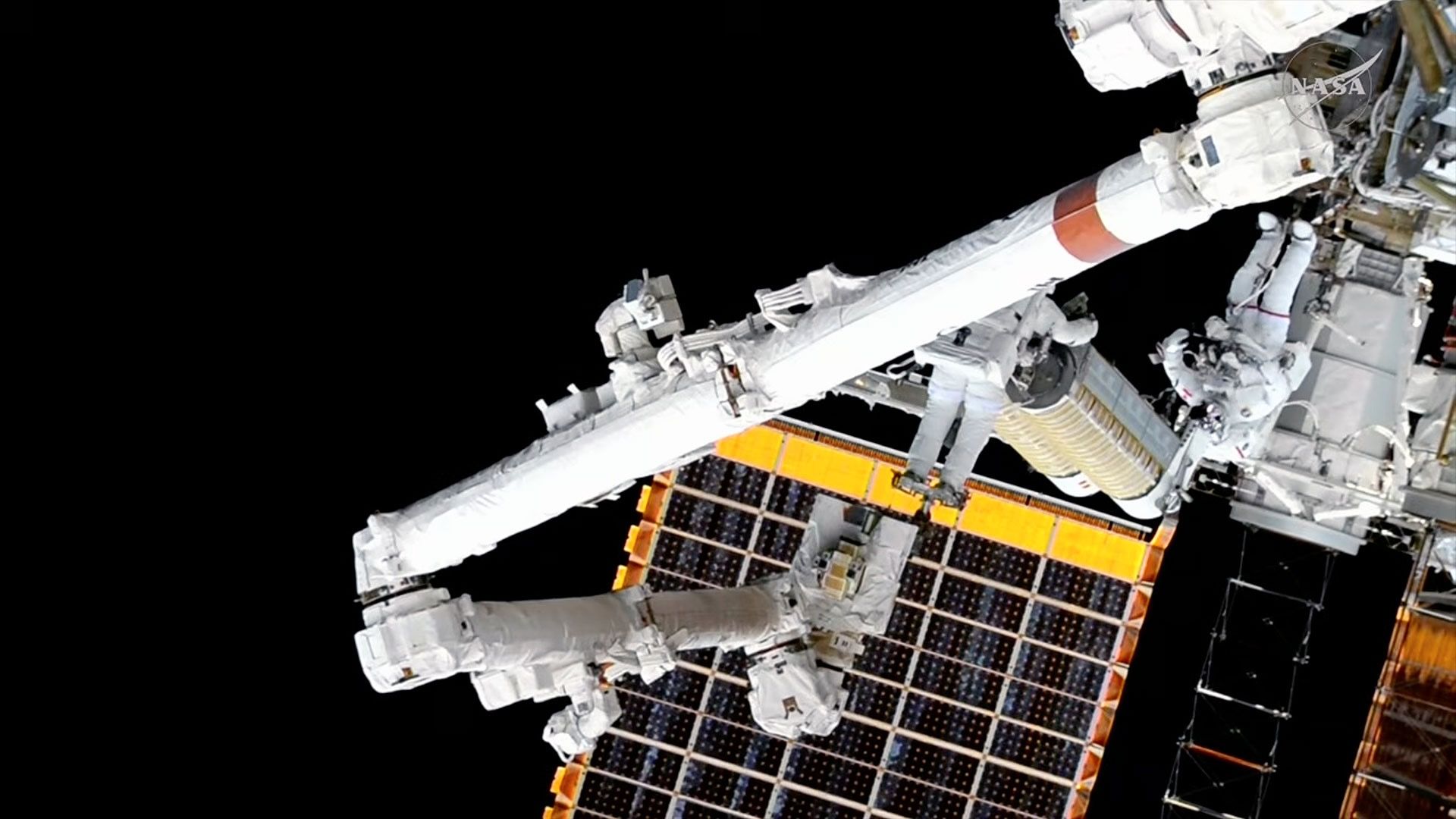
The deployment sequence began in June 2021, and the project has followed a steady, rigorous schedule of installation ever since:
- Phase 1 (2021): NASA astronauts Shane Kimbrough and ESA astronaut Thomas Pesquet initiated the series by installing the 2B and 4B arrays.
- Phase 2 (2022): NASA’s Josh Cassada and Frank Rubio expanded the grid by deploying the 3A and 4A arrays.
- Phase 3 (2023): NASA astronauts Steve Bowen and Woody Hoburg successfully added the 1A and 1B arrays to the power structure.
- Phase 4 (2026): The final stage concluded with Menon and Kutryk completing the installation of the 2A and 3B channels, effectively sealing the power capacity of the station at its maximum potential.
Navigating Technical Challenges in Real-Time
The November 5 spacewalk was not without its moments of intense pressure. While the physical installation of the array proceeded according to plan, the integration of the electrical systems hit a snag. Upon initial connection, ground teams identified that the array was providing only half of the expected shunt current.
"We are seeing half of the expected shunt current that we want," radioed Nichole Stilwell, the NASA spacewalk officer, to the crew. "In this current configuration, we are not necessarily going to deploy."
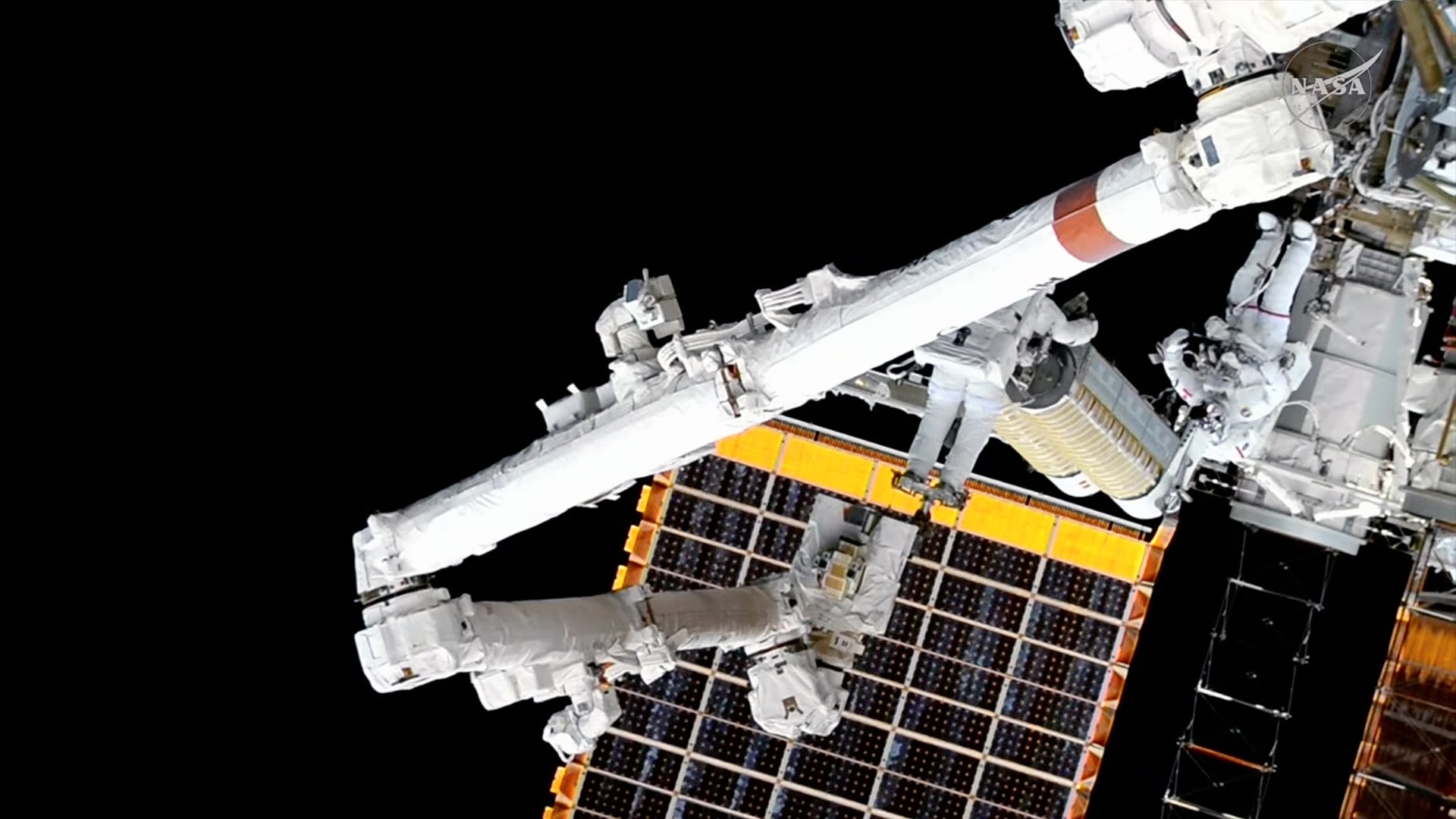
This discrepancy required immediate collaboration between the astronauts on the exterior of the station and the mission control teams in Houston. Because the arrays are live electrical components that generate current as soon as they are exposed to sunlight, the crew had to wait for the station to enter the Earth’s shadow—a period of orbital darkness—to safely inspect and troubleshoot the connectors. This period of waiting required the astronauts to exercise extreme patience and meticulous site management, ensuring that the work zone remained organized and the robotic assets, specifically the Canadarm2, were in their proper configurations. Once the troubleshooting was completed and the electrical connections were verified as secure, ground controllers confirmed the system was ready for deployment.
Engineering Excellence and Potential Energy
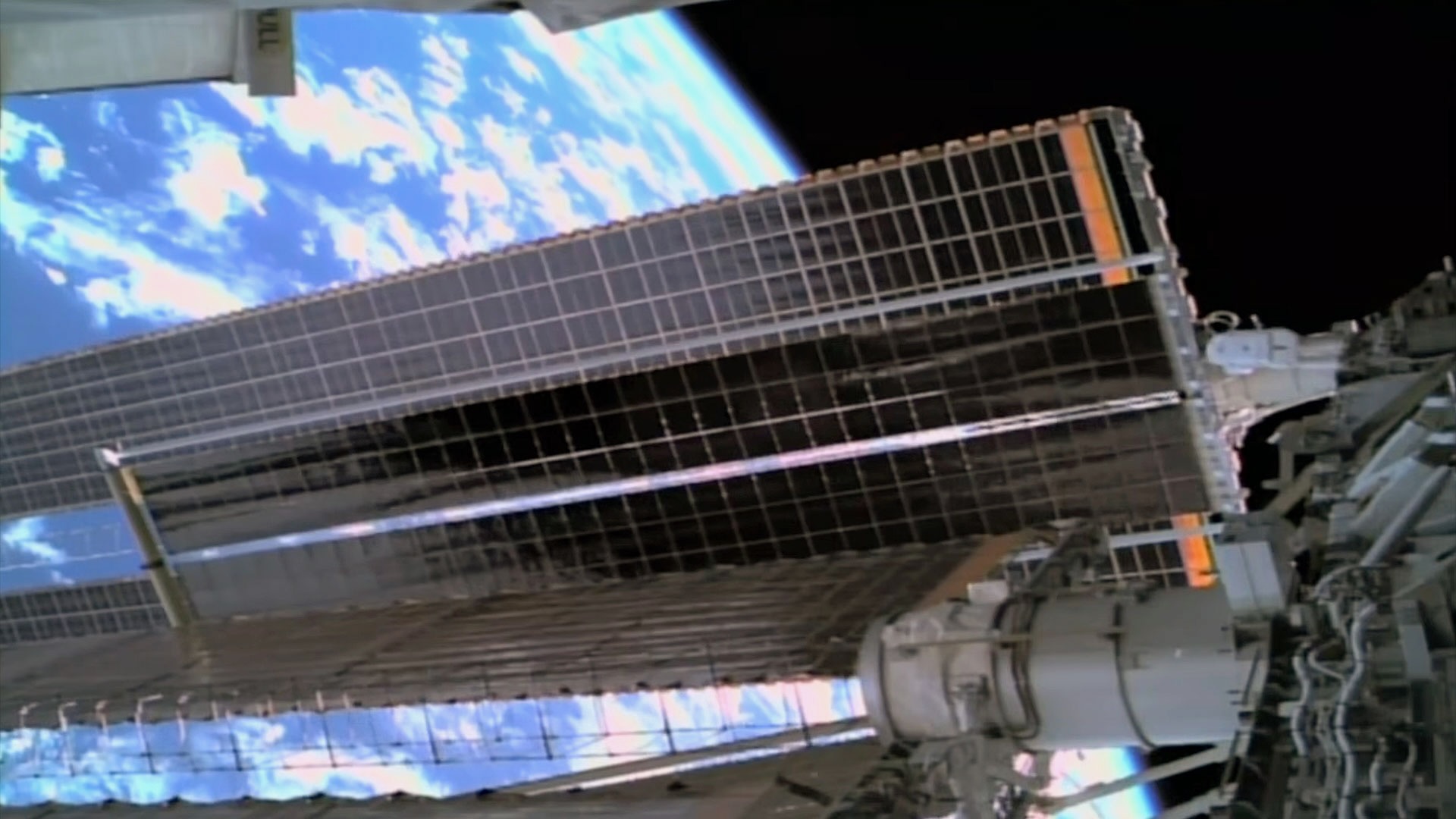
The deployment mechanism of the iROSA is a marvel of simplicity and efficiency. Unlike traditional solar arrays that require complex motor-driven systems to unfurl, the iROSA uses flexible carbon-composite booms that act like a carpenter’s tape measure. When the final retaining bolts are released, the energy stored in the tightly coiled booms is sufficient to unroll the 63-foot (19-meter) array automatically.
The process is remarkably quick, taking only about 10 minutes from the moment of release to full extension. The resulting structure is significantly smaller than the original arrays but provides vastly superior power density. According to NASA, the new arrays generate 40% more power while occupying roughly half the footprint of the legacy systems. This surplus of electricity is vital for the current heavy research load of the station, which includes intensive experiments in materials science, human physiology, and deep-space communications testing.
Broader Implications for ISS Operations
The completion of the iROSA project arrives at a symbolic moment, occurring shortly after the International Space Station celebrated 26 years of continuous human presence. For the global space community, the success of this installation provides a sense of stability for the final years of the station’s lifecycle.
As NASA prepares to transition toward commercial space stations and eventually move toward the controlled deorbit of the ISS in late 2030, the power grid remains the "heart" of the vehicle. Without this upgrade, the aging infrastructure would have struggled to maintain the life-support systems, data processing, and research payloads required for the final years of the program.
"Congratulations to you all on your stellar work to finish the last of the roll-out solar arrays and the upgrades to the ISS power system that will take it to the end of its journey," said Stilwell during the closing of the EVA. "You all showed us what the best of humanity looks like."
Statistics of the Mission
The statistics surrounding the EVA reflect the gravity and scale of the work performed. For Anil Menon, the November 5 mission brought his total spacewalking time to 33 hours and 30 minutes over four outings. For Joshua Kutryk, this was his second EVA, bringing his total to 14 hours and 10 minutes.
The event was the 101st U.S.-led spacewalk conducted without the support of the Space Shuttle, marking a significant evolution in how NASA conducts long-duration maintenance. Furthermore, it was the 286th spacewalk in the history of the ISS, a testament to the immense amount of human labor required to maintain such an complex, multinational orbital outpost.
Analysis: A Legacy of Collaboration
The iROSA project serves as a microcosm of the International Space Station program itself. It required the collaboration of the Canadian Space Agency, which provided the robotic arm expertise; SpaceX, which provided the heavy-lift transport for the arrays; and a multinational crew that worked in concert to overcome unforeseen technical hurdles.
The implications of this mission are clear: the ISS is now equipped with the energy infrastructure necessary to maximize the remaining years of its life. As research continues to accelerate in the fields of biotechnology and orbital manufacturing, the 30% increase in total electrical power will ensure that the station’s final years are as productive as its first. The success of this final deployment not only secures the station’s future but also provides a proven template for future deep-space power solutions, such as those that may be required for the Lunar Gateway or future Mars transit vehicles. The work done by Menon and Kutryk on November 5 is a definitive conclusion to a massive engineering undertaking that will pay dividends for the entirety of the station’s remaining lifespan.
Related posts: