The Science of Saturation: Defining the Aquanaut Experience
The SEA STAR mission was characterized by the state of saturation, a physiological condition achieved when the body’s tissues absorb the maximum possible amount of inert gas—typically nitrogen—for a given depth and pressure. To be classified as an aquanaut, a researcher must remain underwater for a duration exceeding 24 hours without surfacing. This environment creates a unique "wet ISS" where the primary mission is to conduct research while managing the physiological stresses of hyperbaric conditions.
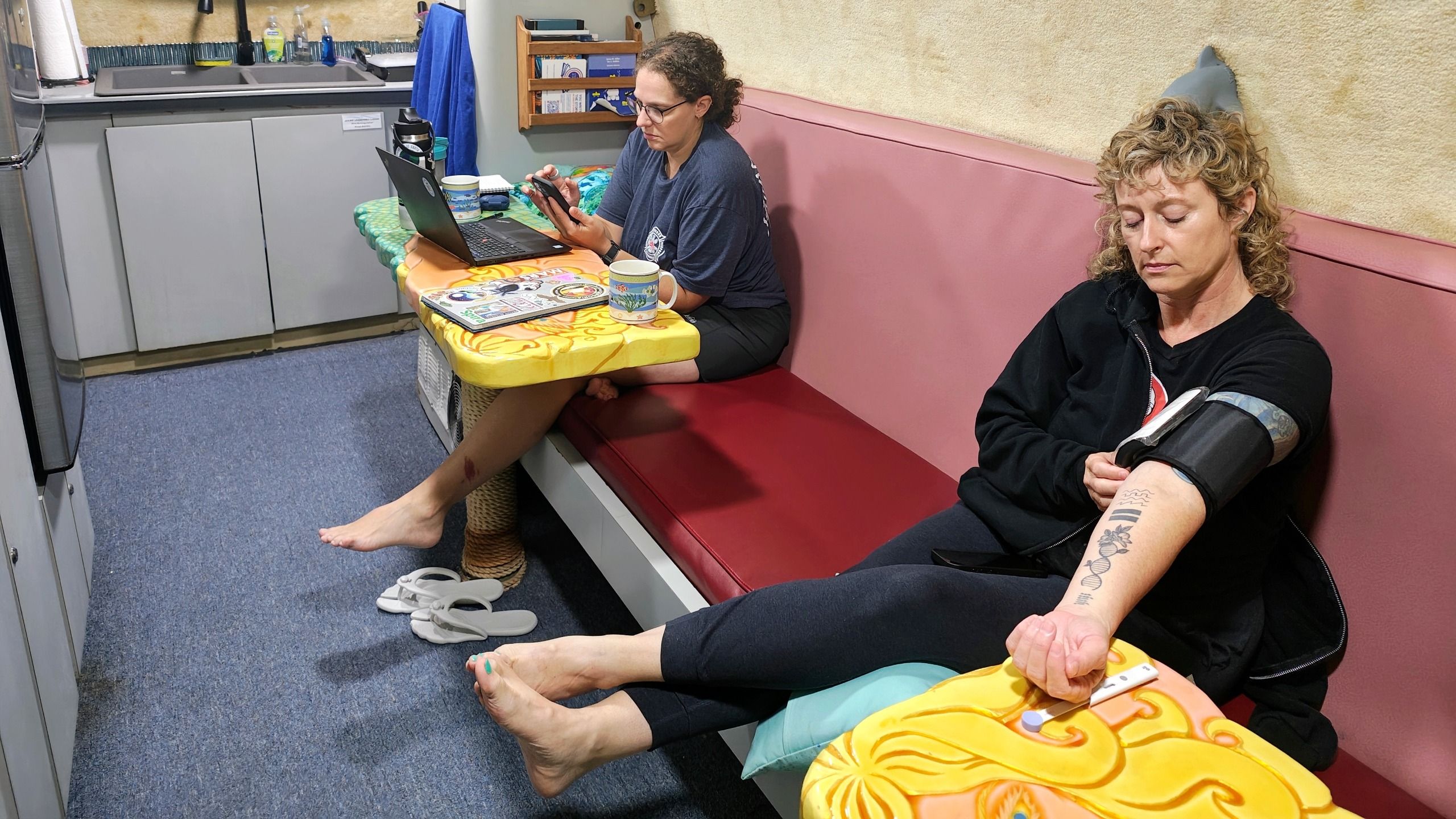
For the crew, this meant constant navigation of life support systems, which provided the essential oxygen and pressure regulation needed to survive in a submerged habitat. These systems, while vital, introduced significant environmental stressors, including high-decibel noise levels and the complexities of plumbing and waste management in a confined, pressurized space. Furthermore, the crew engaged in "spacewalks"—simulated extravehicular activities conducted via scuba diving—which required meticulous safety protocols due to the challenging low-visibility conditions of the surrounding marine environment.
Chronology and Operational Objectives
The mission was structured around a rigorous schedule of scientific experimentation, designed to yield data relevant to long-duration space flight. The following timeline outlines the operational focus of the SEA STAR crew:
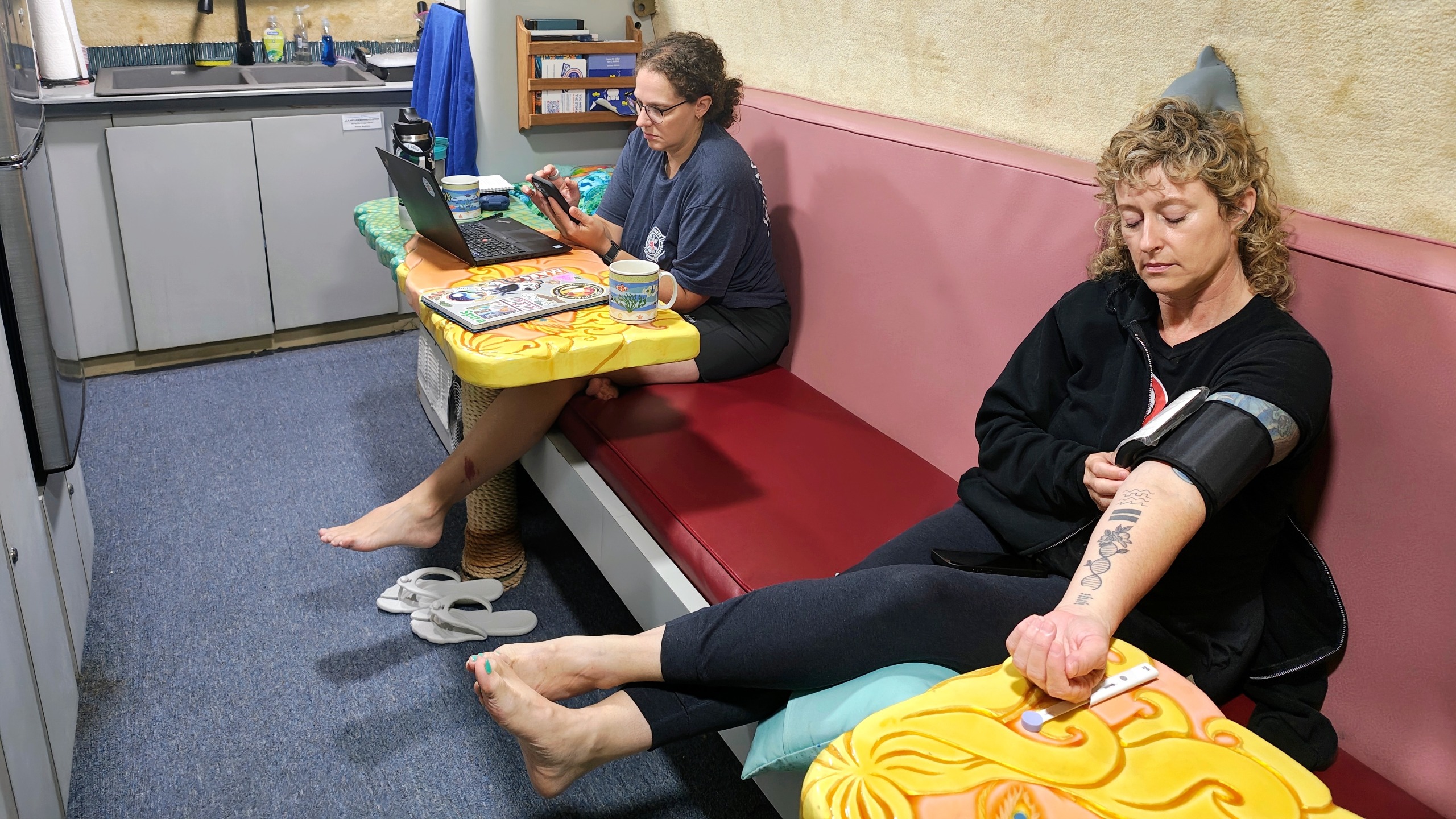
- Days 1-2: System Calibration and Environmental Adaptation: Upon initial saturation, the crew focused on acclimating to the pressurized environment and testing the structural integrity of the Jules’ Undersea Lab. Equipment testing, including the deployment of environmental sensors, was the primary objective.
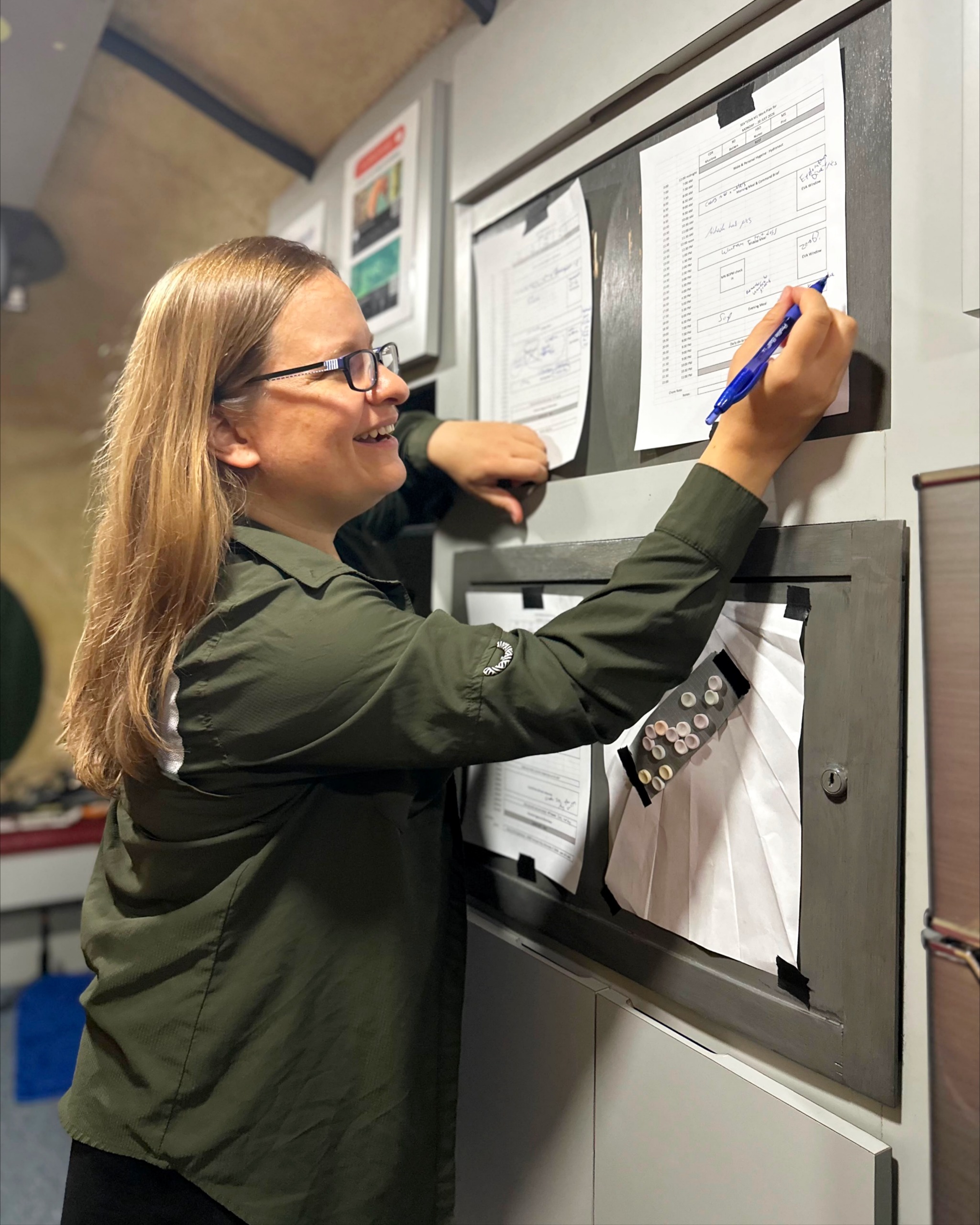
- Days 3-4: Primary Research Execution: The crew shifted to active data collection. This included cognitive performance studies, botanical research involving microgreens, and the testing of logistical transfer containers. Outreach events, including a live demonstration for the Cosmic Region station in Slovakia, were also completed during this window.
- Day 5: Decompression and Extraction: The final phase involved a controlled ascent. To prevent decompression sickness, a significant risk for anyone living under saturation, the team utilized a staged decompression process, carefully managing the transition back to surface atmospheric pressure.
Research Data and Scientific Implications
The research conducted during the SEA STAR mission addressed several key challenges faced by space agencies like NASA and the European Space Agency (ESA) as they plan for future missions to the Moon and Mars.
Cognitive Performance Under Pressure
Dr. Michaela Musilova, who commanded the mission, led a study in collaboration with the Center for Hyperbaric Medicine at the University of Ostrava. The project aimed to measure how increased atmospheric pressure affects human cognitive reaction times. Preliminary observations from the crew indicated a measurable decline in response speeds compared to baseline data collected prior to the mission. This data is essential for understanding how astronauts might perform complex tasks during high-pressure scenarios or in the altered environments of planetary bases.
Botanical Experiments and Barotrauma
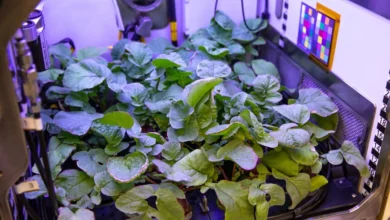
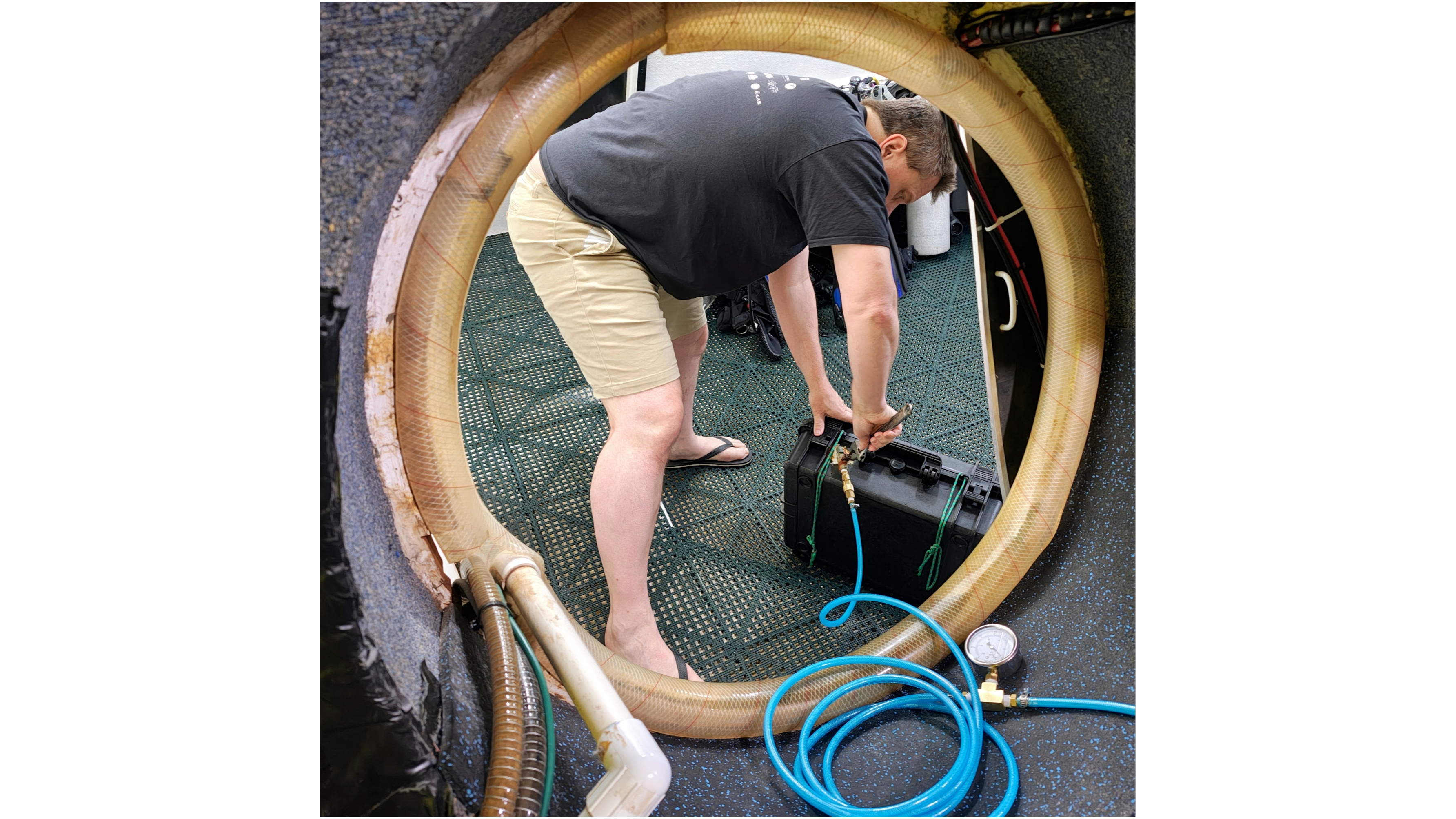
The crew explored the impact of pressure fluctuations on plant development. Dr. Brandy Nunez, the mission’s Health & Safety Officer, oversaw the cultivation of kale and salad greens. The experiment revealed that seeds subjected to sudden pressure changes during transfer to the underwater habitat experienced "barotrauma," or cellular damage resulting from rapid pressure shifts. This highlights the importance of gradual environmental transitions for life-support systems in space, where cargo and biological samples must be moved between modules with varying pressures.
Logistics and Environmental Taxonomy
Executive Officer Paul Bakken focused on the mechanical challenges of moving materials between high-pressure and low-pressure zones. His work provided insights into the design requirements for logistical transfer containers that can withstand significant environmental shifts without compromising their internal contents. Simultaneously, Mission Specialist Jenn Pint collaborated with Interstellar Performance Labs to refine a taxonomy for human-environment interaction. This framework is designed to help researchers better quantify and analyze the behavioral dynamics of crews operating in isolated, confined, and extreme (ICE) environments.
The Underview Effect: A New Perspective on Earth
Much like the "overview effect" reported by astronauts who view Earth from orbit, the SEA STAR crew experienced what could be termed the "underview effect." Observing the sun’s rays refracting through the dense water column, the crew developed a profound sense of detachment from their familiar terrestrial life, coupled with a renewed commitment to environmental stewardship. The physical barrier of the water, while a source of danger and limitation, served to heighten the crew’s awareness of Earth’s fragility. This psychological shift is a documented phenomenon in isolation studies, where the lack of direct access to the outside world reinforces the value of the environment being left behind.
Broader Impact on Analog Space Exploration
The success of the SEA STAR mission underscores the efficacy of underwater analogs in preparing for space exploration. With limited berths available on the ISS and high launch costs, underwater laboratories offer a cost-effective, high-pressure, and isolated environment that mimics the functional constraints of space stations.
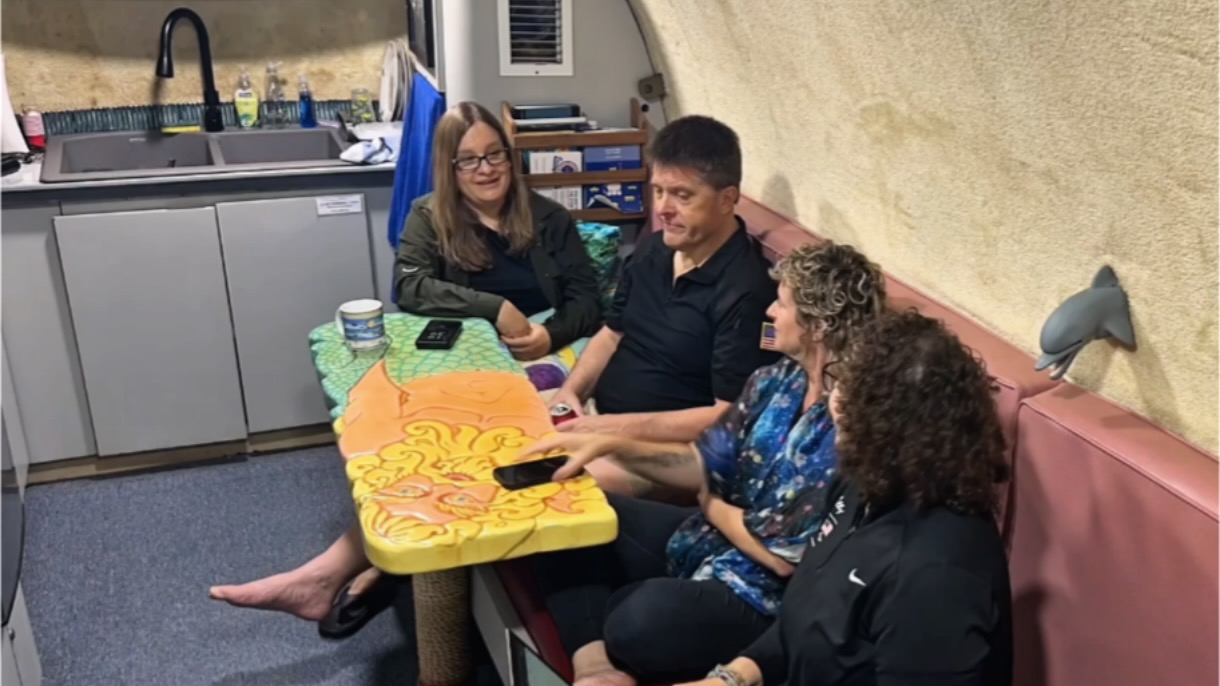
The inclusion of high-school and university-level research, such as the environmental sensors developed by students in Slovakia, demonstrates the potential for these missions to serve as platforms for educational outreach and the next generation of aerospace engineering. By integrating complex research into a constrained, simulated mission, the SEA STAR crew has provided valuable data points that contribute to the broader body of knowledge regarding human endurance in extreme environments.
As humanity looks toward long-duration missions to deep space, the lessons learned in the Jules’ Undersea Lab remain vital. Whether it is refining the mechanics of logistics, understanding the physiological limits of human cognition, or simply maintaining the morale of a crew in total isolation, the aquanauts of the SEA STAR project have solidified the role of Earth-based analogs in the future of space exploration. The data gathered will now undergo peer review, providing researchers with a more nuanced understanding of how to protect and sustain human life when the boundary between the station and the unknown is as thin as a pressurized hull.