
Annies Pledges To Purge A Class Of Chemicals From Its Mac And Cheese
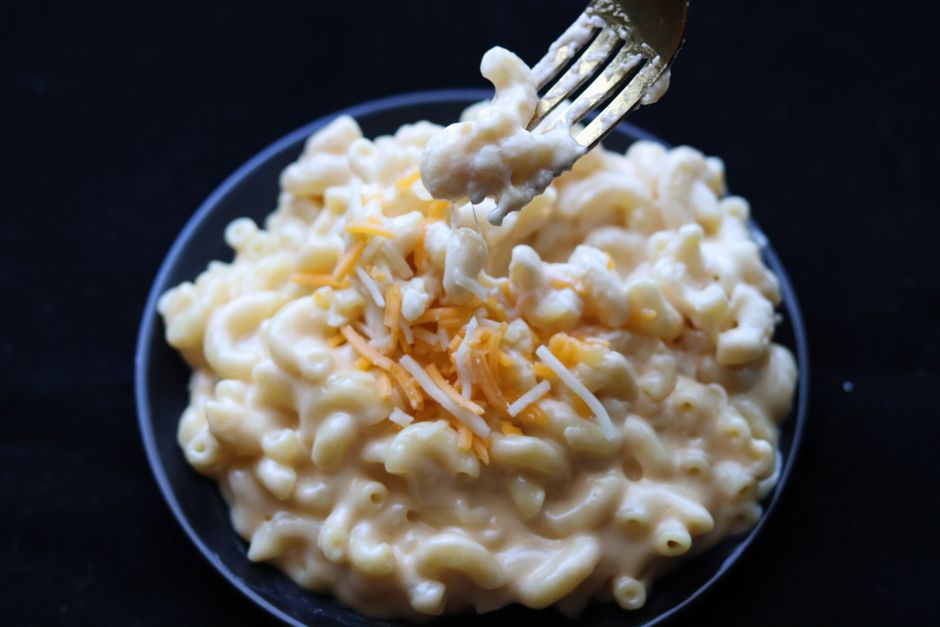
Annie’s Pledges to Purge Phthalates and Other Harmful Chemicals from Mac & Cheese: A Deep Dive into Ingredient Reformulation and Consumer Safety
Annie’s, a brand long associated with organic and natural food products, has committed to a significant reformulation of its iconic macaroni and cheese line, aiming to eliminate a class of chemicals known as phthalates and other potentially harmful substances. This ambitious pledge represents a proactive step towards enhancing consumer safety and addressing growing concerns about the presence of synthetic chemicals in everyday food items. The decision is not merely a marketing ploy but a response to scientific research and increasing consumer demand for transparency and healthier ingredients. Phthalates, commonly used to increase the flexibility and durability of plastics, have been found to leach into food products, particularly fatty foods like cheese. Concerns about their endocrine-disrupting properties and potential links to reproductive health issues, developmental problems, and other health concerns have spurred regulatory bodies and food manufacturers worldwide to re-evaluate their usage. Annie’s’ commitment to removing these chemicals from their widely consumed product demonstrates a leadership position in the organic food sector and sets a precedent for other manufacturers. This article will explore the intricacies of this reformulation, the specific chemicals targeted, the challenges involved, and the broader implications for the food industry and consumer health.
The primary chemical class targeted by Annie’s pledge is phthalates, a group of synthetic chemicals that have raised significant health alarms. Phthalates are not intentionally added to Annie’s macaroni and cheese ingredients themselves. Instead, their presence is primarily a result of indirect contamination through food contact materials. This means that phthalates can migrate from packaging materials, processing equipment, and even storage containers into the food. For instance, if plastic tubing or seals in processing machinery contain phthalates, these chemicals can leach into the cheese powder or pasta during manufacturing. Similarly, if the packaging itself, or liners within it, are made with materials containing phthalates, migration can occur over time. The concern is amplified by the fact that phthalates are lipophilic, meaning they readily dissolve in fats, and cheese is a high-fat ingredient. This makes the cheese powder component of mac and cheese particularly susceptible to phthalate absorption. Beyond phthalates, Annie’s has also indicated a broader commitment to reducing or eliminating other "chemicals of concern," which can encompass a range of synthetic additives, preservatives, artificial colors, and flavorings that may not be desirable in an organic or natural product. While phthalates are the most prominently highlighted, the company’s aspirations extend to a more comprehensive ingredient review. This broader scope reflects a growing understanding of the cumulative exposure to various synthetic chemicals and their potential synergistic effects on human health. The company’s proactive approach aims to be at the forefront of this evolving landscape of food safety and ingredient integrity.
The scientific basis for Annie’s concern about phthalates stems from a growing body of research highlighting their potential health risks. Phthalates are classified as endocrine disruptors, meaning they can interfere with the body’s hormonal system. This interference can have a wide range of adverse effects, particularly during critical periods of development. Studies have linked phthalate exposure to:
- Reproductive Health Issues: In both males and females, phthalates have been associated with reduced sperm quality, altered reproductive development, and increased risk of infertility.
- Developmental Problems: Prenatal exposure to phthalates has been linked to adverse neurodevelopmental outcomes in children, including lower IQ scores, behavioral problems such as ADHD, and impaired motor development.
- Metabolic Disorders: Emerging research suggests a connection between phthalate exposure and an increased risk of obesity, insulin resistance, and type 2 diabetes.
- Allergies and Asthma: Some studies indicate a correlation between phthalate exposure and the development of allergic diseases, including asthma and eczema.
While the precise mechanisms of phthalate toxicity are still under investigation, their ability to mimic or block natural hormones is a primary concern. This disruption can affect everything from sex hormone production to thyroid function, impacting numerous bodily processes. The long-term, low-dose exposure to these chemicals, which is common in modern diets, is a particular area of focus for public health advocates and researchers. Annie’s’ decision to address these concerns directly reflects an understanding of the scientific consensus and a commitment to providing consumers with products that minimize exposure to such potentially harmful substances. The company’s initiative is not just about removing a single ingredient but about aligning its product formulations with the latest scientific understanding of environmental health and its impact on human well-being.
The reformulation process for Annie’s macaroni and cheese is a complex undertaking with several significant challenges. The primary hurdle is identifying and sourcing alternative materials that are entirely free from phthalates and other undesirable chemicals. This involves a meticulous review of every component that comes into contact with the food, from processing equipment to packaging.
- Equipment and Infrastructure: Many food processing facilities rely on plastic components in their machinery, such as tubing, seals, gaskets, and conveyor belts. These plastics can contain phthalates as plasticizers. Annie’s must work with its manufacturing partners to ensure that all equipment used in the production of their mac and cheese is either made from phthalate-free materials or has been modified to eliminate the risk of contamination. This may involve investing in new equipment or implementing rigorous cleaning and maintenance protocols.
- Packaging Innovation: Food packaging is another critical area. While Annie’s has a history of using paper-based packaging for many of its products, the cheese powder component requires careful containment. The inner liners of these pouches, often made of plastic films, can be a source of phthalate migration. Annie’s needs to collaborate with packaging suppliers to develop or source alternative barrier materials that provide the necessary protection for shelf-life and product integrity without containing phthalates or other chemicals of concern. This could involve exploring new types of food-grade polymers, bio-based films, or multi-layer constructions that effectively block migration.
- Ingredient Sourcing and Verification: While the primary concern for phthalates in mac and cheese is indirect contamination, Annie’s must also ensure that all its direct ingredients – pasta, cheese, spices – are sourced from suppliers who adhere to strict quality control measures and can provide assurances regarding the absence of chemical contaminants throughout their own production processes. This requires a deep understanding of the entire supply chain and robust supplier auditing.
- Maintaining Product Quality and Shelf Life: Any reformulation must ensure that the final product retains its desirable taste, texture, and shelf life. Developing new packaging or altering processing methods can potentially impact these attributes. Rigorous testing and sensory evaluations are crucial to confirm that the reformulated mac and cheese meets consumer expectations.
- Cost Implications: The transition to phthalate-free materials and potentially new processing methods can incur significant costs. These costs can arise from research and development, sourcing specialized materials, investing in new equipment, and increased supplier oversight. Annie’s must then balance these increased production costs with its commitment to maintaining accessible pricing for consumers.
Annie’s’ commitment to eliminating phthalates and other chemicals of concern from its mac and cheese has significant implications for the broader food industry and consumer health awareness.
- Setting a New Industry Standard: By taking this decisive action, Annie’s is setting a powerful precedent for other food manufacturers, particularly those in the organic and natural food space. This pledge signals to consumers that ingredient safety and the absence of potentially harmful chemicals are paramount. It creates a competitive pressure for other brands to follow suit, driving a wider industry shift towards cleaner ingredient lists and safer product formulations.
- Increased Consumer Demand for Transparency: Annie’s’ proactive stance will likely fuel further consumer demand for transparency regarding ingredient sourcing and the presence of chemicals in food. Consumers will become more educated and vocal about their expectations, pushing brands to be more forthcoming about their ingredient policies and the measures they take to ensure product safety. This could lead to more robust labeling initiatives and third-party certifications.
- Driving Innovation in Food Contact Materials: The challenges Annie’s faces in sourcing phthalate-free packaging and equipment will undoubtedly spur innovation within the food contact materials industry. Suppliers will be incentivized to develop and market new, safer alternatives, creating a more robust market for sustainable and healthy packaging solutions. This can have ripple effects beyond the food industry, impacting other sectors that rely on similar materials.
- Public Health Benefits: The reduction in phthalate exposure, especially through a widely consumed product like mac and cheese, can contribute to improved public health outcomes. By minimizing exposure to endocrine disruptors, particularly for vulnerable populations like children, the initiative can play a role in mitigating long-term health risks associated with these chemicals.
- Ethical Sourcing and Corporate Responsibility: Annie’s’ commitment underscores a growing trend in corporate responsibility, where companies are increasingly expected to prioritize ethical sourcing, environmental sustainability, and consumer well-being beyond legal requirements. This pledge aligns with a broader movement towards conscious consumerism and responsible business practices.
In conclusion, Annie’s pledge to purge phthalates and other chemicals of concern from its macaroni and cheese is a landmark initiative that addresses significant public health concerns. The complexities of reformulation, from sourcing alternative materials to ensuring product quality, highlight the dedication required to achieve such a goal. This endeavor not only positions Annie’s as a leader in ingredient safety but also has the potential to catalyze broader changes within the food industry, driving innovation, increasing consumer awareness, and ultimately contributing to a healthier food supply for everyone. The company’s proactive approach demonstrates a commitment to aligning its product offerings with the evolving scientific understanding of chemical impacts on human health, setting a new benchmark for ingredient integrity in the competitive food market.
