Charli XCX Unveils Reflective New Single ‘Camera’ Ahead of Highly Anticipated Album ‘Music, Fashion, Film’

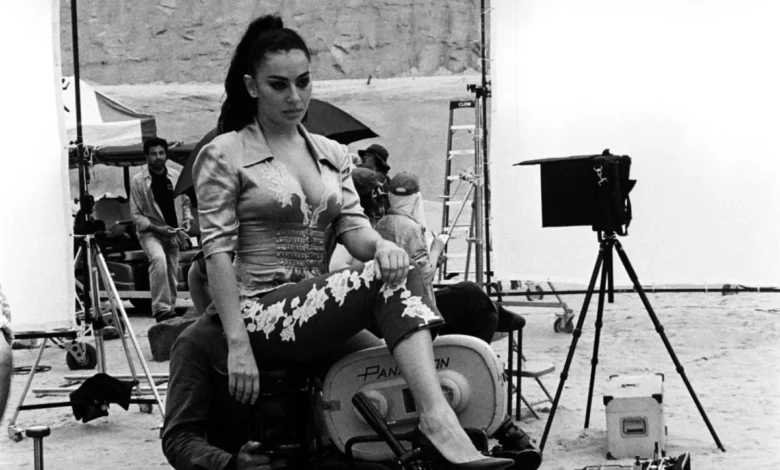
Charli XCX has offered fans a poignant glimpse into her upcoming album, Music, Fashion, Film, with the release of her latest single, "Camera." This introspective track, accompanied by a visually striking music video directed by Aidan Zamiri and featuring acclaimed actor Vincent Cassel, marks a significant artistic moment for the boundary-pushing artist as she prepares to drop her new project this Friday, July 24, via Atlantic Records.
"Camera" diverges from the high-octane, club-centric sounds that defined her critically lauded 2023 album, Brat. Instead, the single presents a more restrained, mid-tempo exploration of electronic pop, characterized by its subtle guitar-led arrangements and Charli XCX’s signature evocative lyricism. The shift in sonic palette suggests a deeper dive into personal reflection and artistic exploration, moving beyond the immediate, visceral energy of her previous work.
Lyrical Depths and Existential Questions
The lyrical content of "Camera" appears to grapple with Charli XCX’s burgeoning interest in acting and the inherent insecurities that accompany stepping into a new creative realm. The lines, "It makes me question what I’m doing / Do I wanna make music / Am I being fucking stupid / If I try to be a girl on the screen when I’m turning 34?" reveal a candid vulnerability, addressing anxieties about age, career trajectory, and the perceived risk of diversifying her artistic endeavors. This introspection is a notable evolution for an artist known for her fearless embrace of pop’s avant-garde fringes. The specific mention of turning 34 adds a layer of relatable realism, as many artists at similar career junctures contemplate new avenues of expression while navigating public perception.
A Cinematic Collaboration: Vincent Cassel and Aidan Zamiri
The accompanying music video for "Camera" is a masterclass in visual storytelling, directed by long-time Charli XCX collaborator Aidan Zamiri. The video stars Vincent Cassel, the celebrated French actor known for his intense and captivating performances. Cassel portrays an actor struggling on a film set, his frustration palpable as he grapples with the demands of his craft. Charli XCX herself takes on the role of a director, observing from behind a colossal studio camera, a visual metaphor for her directorial vision and her position as the architect of her artistic world.
A particularly poignant moment in the video sees Cassel referencing his iconic pose from Mathieu Kassovitz’s seminal 1995 film La Haine, pointing a finger gun to his own head. This nod to a deeply influential cinematic moment adds a layer of meta-commentary to the video, potentially alluding to the pressures and existential quandaries faced by performers and creators alike. The black-and-white aesthetic of the video further enhances its artistic gravitas, creating a timeless and cinematic feel that complements the song’s introspective themes.
‘Music, Fashion, Film’: A Diverse Sonic Landscape
"Camera" is the latest in a series of compelling singles previewing Music, Fashion, Film, a project that promises to showcase Charli XCX’s multifaceted artistry. Prior to "Camera," the album was introduced by tracks such as the energetic "Rock Music," the forward-thinking "SS26," and the playful "Wink Wink." This varied selection of singles suggests that Music, Fashion, Film will offer a rich and diverse sonic tapestry, moving beyond a singular genre or mood.
The album’s release date, July 24, places it strategically within the summer music calendar, poised to capture the attention of fans eager for new material from one of pop’s most innovative voices. The pre-order link provided for the record indicates significant anticipation from her fanbase.
Background and Artistic Trajectory
Charli XCX has consistently pushed the boundaries of pop music since her emergence in the early 2010s. Her early work, including collaborations with artists like Iggy Azalea on the global smash "Fancy," established her as a formidable presence in the mainstream. However, she soon began to carve out a more experimental niche, developing her signature "hyperpop" sound and fostering a dedicated cult following.
Her 2020 album How I’m Feeling Now was a product of lockdown, a raw and unfiltered exploration of her emotions during a period of global uncertainty. This was followed by the critically acclaimed Crash in 2022, which saw her re-engage with more commercial pop sensibilities while retaining her experimental edge. Brat, released in 2023, marked a return to her more abrasive and club-oriented sound, earning widespread praise for its unapologetic energy and its influence on contemporary pop aesthetics.
Music, Fashion, Film appears to represent another strategic evolution, blending the personal introspection of "Camera" with the bold statements of previous singles. The title itself suggests a thematic exploration of the interconnectedness of these cultural forces in her life and work.
Aidan Zamiri’s Established Partnership
The collaboration between Charli XCX and Aidan Zamiri is a well-established creative partnership. Zamiri has been instrumental in shaping the visual identity of several of Charli XCX’s key projects, including videos for "360," the Billie Eilish-featured "Guess," "Rock Music," and "Wink Wink." His directorial debut feature, the mockumentary The Moment, starring Charli XCX herself, further underscores their shared artistic vision. Zamiri’s recent work directing Billie Eilish’s "Birds Of A Feather" music video demonstrates his growing influence and versatility within the music video landscape.
The striking black-and-white artwork for Music, Fashion, Film, also shot by Zamiri, features an eclectic and influential cast, including Velvet Underground co-founder John Cale, fashion icon Marc Jacobs, and legendary filmmaker Martin Scorsese. This curated selection of collaborators speaks volumes about the album’s thematic scope and Charli XCX’s expansive artistic connections.
Live Performances and Future Engagements
Charli XCX recently debuted "Camera" live at an intimate pop-up show in Brooklyn, offering fans an early taste of the new material. During this performance, she also showcased unreleased tracks such as "Playboy Bunny" and "Take Away The Music," further building anticipation for Music, Fashion, Film. The event also saw special guest appearances from notable artists like Kim Petras, Clairo, and Underscores, highlighting Charli XCX’s influential position within the current music scene and her ability to foster collaborative environments.
Looking ahead, Charli XCX is set to make her headline debut at the prestigious Reading & Leeds festivals next month, a significant milestone in her career. This will be followed by a North American arena tour in September, with Underscores joining her as support. Tickets for these highly anticipated events are available through official ticketing platforms, indicating strong demand for her live performances.
Broader Cultural Context and Influences
Charli XCX’s recent interactions with pop icon Madonna offer another fascinating insight into her artistic development and influences. Following speculation of a feud, the two artists were seen partying together in Paris, a moment Charli XCX described as "very inspiring." She elaborated on the experience, stating that hearing Madonna discuss her own complex relationship with pop music, fashion, and the dancefloor provided valuable perspective. This engagement with a figure who has profoundly shaped the landscape of popular culture suggests Charli XCX is actively seeking to understand and contribute to the ongoing evolution of these fields. Madonna’s own career, marked by constant reinvention and an astute understanding of cultural trends, provides a potent example for any artist navigating the complexities of long-term success and artistic integrity.
The inclusion of figures like John Cale and Martin Scorsese on the album artwork further contextualizes Music, Fashion, Film within a broader cultural dialogue. Cale, a pioneer of avant-garde rock and a key figure in the 1960s New York art scene, represents a lineage of artistic experimentation. Scorsese, a titan of cinema, suggests an engagement with narrative, visual storytelling, and perhaps the grander narratives that shape our understanding of fame and artistry. Marc Jacobs, a leading figure in the fashion world, firmly anchors the album within the realm of aesthetics and cultural trends, elements that have always been integral to Charli XCX’s visual identity.
The release of "Camera" and the impending arrival of Music, Fashion, Film are poised to be significant events in the pop music calendar. Charli XCX continues to demonstrate her capacity for artistic growth and her unwavering commitment to challenging conventions, solidifying her position as one of contemporary music’s most vital and compelling artists. The introspective nature of "Camera," coupled with the cinematic ambition of its accompanying video, suggests that Music, Fashion, Film will be an album that resonates deeply, offering a nuanced exploration of identity, creativity, and the multifaceted nature of artistic expression in the modern world. The album’s success will likely be measured not only by chart performance but by its ability to further cement Charli XCX’s legacy as an artist who consistently evolves and inspires.
Related posts: