The Methane Crisis and the Global Race to Curb Potent Greenhouse Gas Emissions to Mitigate the Climate Emergency

Methane, a colorless and odorless hydrocarbon, has emerged as one of the most significant hurdles and, paradoxically, one of the most immediate opportunities in the global effort to stabilize the Earth’s climate. While carbon dioxide (CO2) often dominates the headlines regarding environmental policy, methane (CH4) is the second-most important contributor to the climate crisis, responsible for approximately one-third of current global heating. Composed of four hydrogen atoms bonded to a single carbon atom, methane is the primary component of natural gas, a fuel source that currently generates roughly 25 percent of the world’s electricity. Despite its shorter atmospheric lifespan compared to CO2, its ability to trap heat is vastly superior, making its regulation a critical priority for scientists and policymakers alike.
The Science and Potency of Methane
Methane is a powerful greenhouse gas that exists in the atmosphere for about 12 years, a stark contrast to the centuries that carbon dioxide can persist. However, during its brief residence, it is exceptionally efficient at absorbing heat. Over a 20-year period, methane is estimated to be 86 times more potent than CO2 on a mass-for-mass basis; even over a 100-year horizon, it remains 28 times more powerful. This potency means that even small reductions in methane emissions can have a disproportionately large and rapid impact on slowing the rate of global warming.

The gas is formed through two primary pathways: geological and biological. Geologically, methane is created over millions of years as heat and pressure act upon organic matter deep within the Earth’s crust, forming the fossil fuel deposits extracted today. Biologically, methane is produced through methanogenesis—a process where microorganisms known as archaea break down organic material in oxygen-free environments. This occurs naturally in wetlands and the digestive tracts of termites and ruminant animals like cows, but it also occurs in human-managed environments such as landfills and rice paddies.
Tracking the Invisible: Measurement Challenges and Technological Breakthroughs
Historically, methane emissions have been difficult to quantify accurately, leading to significant discrepancies between reported data and atmospheric reality. Scientists employ two primary methodologies: "bottom-up" and "top-down" measurements.
Bottom-up approaches rely on localized data, such as measuring emissions from a specific facility or calculating emissions based on the number of cattle in a region multiplied by an average emission factor. While useful for inventory purposes, this method often fails to account for "super-emitters"—specific incidents or faulty equipment that release massive amounts of gas.

Top-down approaches utilize aerial surveys, high-altitude platforms, and increasingly, sophisticated satellite constellations. Technologies like those used by GHGSat and the Environmental Defense Fund’s MethaneSAT are now capable of pinpointing leaks from individual oil rigs and landfills from orbit. Recent data from these sources has revealed a startling "implementation gap." For instance, a landmark study found that direct measurements of U.S. oil and gas methane emissions were 60% higher than estimates provided by the Environmental Protection Agency (EPA). This underscores the necessity of satellite monitoring to capture the 5% of extraordinary leaks that are responsible for more than half of all gas-industry leak emissions.
A Chronology of Atmospheric Rise and Policy Response
The trajectory of atmospheric methane reflects the acceleration of the industrial and agricultural revolutions.
- Pre-Industrial Era: Atmospheric methane levels were stable at approximately 700 parts per billion (ppb).
- 20th Century: Levels began to climb rapidly alongside the expansion of fossil fuel extraction and industrial livestock farming.
- 2021 (COP26): The United States and the European Union launched the Global Methane Pledge in Glasgow, a voluntary agreement to reduce global methane emissions by 30% from 2020 levels by 2030.
- 2023: Despite international pledges, atmospheric methane reached a record high of 1,934 ppb, a 265% increase over pre-industrial levels.
- 2024-2025: Satellite imaging identified over 1,000 "super-emitter" events globally, including a massive leak in Turkmenistan that released methane at a rate equivalent to the total hourly emissions of France.
Mapping the Major Sources of Emissions
Human activities are responsible for approximately 60% of global methane emissions, with the remaining 40% originating from natural sources. The human-caused portion is dominated by three sectors:

Agriculture (40% of Anthropogenic Emissions)
Livestock production is the single largest source, primarily through enteric fermentation—the digestive process of ruminants like cattle, sheep, and goats. As global demand for meat and dairy rises, these emissions are projected to grow by six million metric tons annually by 2030. Rice cultivation is another major factor; flooded paddies create the anaerobic conditions perfect for methane-producing archaea, accounting for 8% of human-caused emissions.
Fossil Fuels (35% of Anthropogenic Emissions)
The extraction, processing, and transport of oil, gas, and coal release vast quantities of methane. In the oil and gas sector, methane is often intentionally "vented" or accidentally leaked from pipelines and wellheads. In coal mining, "firedamp" (methane trapped in coal seams) is released during the mining process or seeps from abandoned shafts.
Waste Management (20% of Anthropogenic Emissions)
Landfills and wastewater treatment plants are significant methane hubs. As organic waste decomposes in the oxygen-poor environment of a landfill, it releases methane. Due to rapid urbanization and population growth, waste-related emissions are the fastest-growing category, with solid waste volumes expected to rise 73% by 2050.

The "Bridge Fuel" Controversy and the LNG Expansion
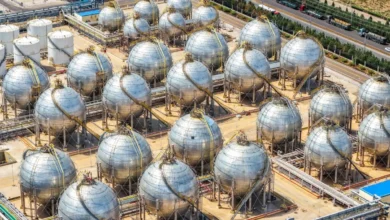
A major point of contention in climate policy is the role of Liquefied Natural Gas (LNG). Proponents have long marketed natural gas as a "bridge fuel" because it emits about half as much CO2 as coal when burned for electricity. However, recent scientific analysis has debunked the "clean" profile of LNG when methane leaks are considered.
Research indicates that if as little as 0.2% of methane leaks during the lifecycle of gas production and transport, its climate impact equals that of coal. Some studies suggest that when accounting for the total footprint of extraction and transoceanic shipping, LNG can have a 33% greater global warming potential than coal over a 20-year period. Despite this, the U.S. became the world’s leading LNG exporter by 2022. Critics, including climate advocate Bill McKibben, warn that the current and proposed build-out of LNG infrastructure could lock in decades of high emissions, effectively canceling out progress made in renewable energy adoption.
Natural Feedback Loops and Tipping Points
Climate scientists are increasingly concerned about "positive feedback loops," where initial warming triggers natural processes that release even more methane, further accelerating the warming.

- Wetland Methane Feedback: Rising temperatures and altered rainfall patterns are causing tropical and Arctic wetlands to expand and emit methane at rates higher than previously modeled.
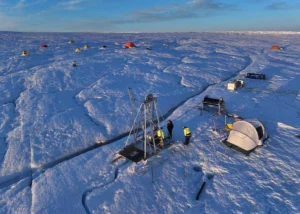
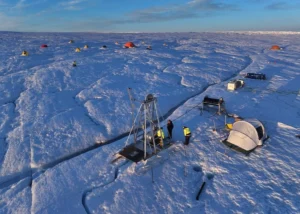
- Permafrost Thaw: The Arctic permafrost contains roughly 2.5 times more carbon than is currently in the atmosphere. As it thaws, microbes resume decomposition, releasing methane and CO2. This region is currently on track to match the emissions of a major industrialized nation.
- Wildfire Escalation: Larger, more frequent wildfires not only release CO2 but also significant amounts of methane. California’s 2020 wildfire season alone contributed nearly 14% of the state’s total methane emissions for that year.
Public Health and Economic Implications
Reducing methane is not only a climate necessity but a public health imperative. Methane is a key precursor to ground-level ozone (smog), which is created when the gas reacts with other pollutants in the presence of sunlight. Ground-level ozone is a hazardous air pollutant that damages lung tissue, exacerbates asthma, and reduces agricultural crop yields.
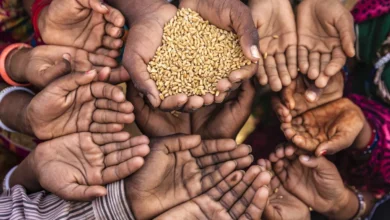
The Global Methane Assessment estimates that every million metric tons of methane reduced prevents approximately 1,430 premature deaths annually and avoids 4,000 asthma-related emergency room visits. Economically, these reductions could save hundreds of thousands of tons of staple crops like wheat and rice every year, bolstering global food security.
Strategic Pathways to Emission Reductions
The Intergovernmental Panel on Climate Change (IPCC) asserts that methane emissions must be cut by 34% by 2030 to keep the 1.5°C warming limit within reach. Several viable strategies exist:

- Energy Sector: The International Energy Agency (IEA) reports that 70% of oil and gas methane emissions could be eliminated with existing technology, and 40% could be cut at no net cost by capturing and selling the leaked gas.
- Agricultural Innovation: Introducing seaweed supplements (like Asparagopsis taxiformis) or chemical inhibitors like 3-NOP into cattle feed can reduce enteric methane by up to 80%. In rice farming, "Alternative Wetting and Drying" techniques can cut emissions by nearly half.
- Circular Economy: Diverting organic waste from landfills toward industrial composting and using methane digesters to create biogas can transform waste into a resource.
- Direct Atmospheric Removal: Experimental methods, such as enhancing the methane-absorbing properties of tree bark or using iron salt aerosols to break down methane in the atmosphere, are being researched, though experts emphasize that preventing emissions at the source remains the safest strategy.
Broader Impact and Global Outlook
The battle against methane emissions is at a crossroads. While the Global Methane Pledge represents a significant diplomatic achievement, the record-breaking emissions of 2023 highlight a massive gap between rhetoric and action. Only 13% of global methane emissions are currently covered by enforceable domestic policies.
The transition away from methane-heavy systems requires a multi-faceted approach involving aggressive leak detection, a shift in global dietary patterns toward plant-based proteins, and a definitive move away from the expansion of fossil fuel infrastructure. As scientists continue to refine satellite monitoring and provide undeniable evidence of super-emitting events, the pressure on governments and corporations to implement "no-cost" and high-impact methane solutions will only intensify. The window of opportunity to use methane reduction as a "climate brake" is narrow, making the current decade the most decisive in the history of atmospheric management.