Have A Road Trip Rule About Not Picking Up Hitchhikers? Statistics Show They’re The Ones In Danger

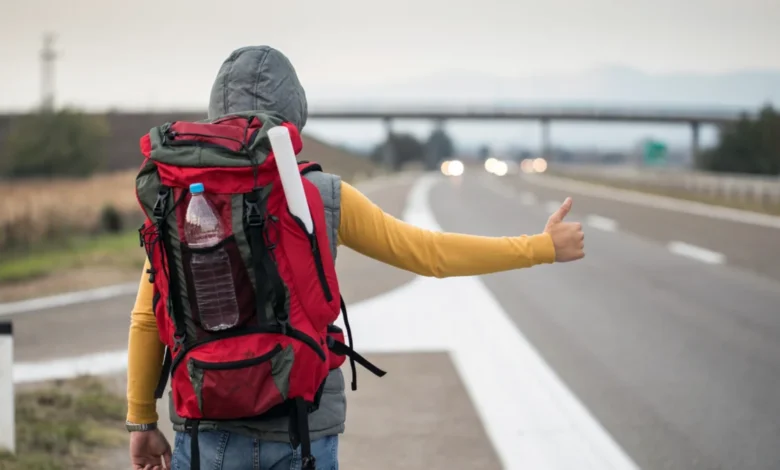
The image of the solitary figure standing on the shoulder of a sun-bleached highway, thumb extended toward the horizon, is a staple of American iconography. For decades, this image has evoked a sense of adventure, wanderlust, and the democratic spirit of the open road. However, for many modern drivers, that same image triggers a visceral reaction of caution, often leading to a frantic check of the door locks and a steady gaze fixed strictly on the asphalt ahead. This cultural shift from viewing hitchhiking as a communal service to seeing it as a prelude to a horror movie is a phenomenon decades in the making. Yet, according to emerging academic research and historical data analysis, the prevailing fear held by drivers is largely misplaced. New evidence suggests that the "stranger danger" associated with hitchhiking is statistically inverted: it is not the driver who is in peril, but the person seeking the ride.
For many, the refusal to pick up hitchhikers is a "golden rule" of the road trip, cemented by a steady diet of cinematic slashers and true-crime documentaries. From the 1986 cult classic The Hitcher to the gruesome lore of the "Co-ed Killer" Edmund Kemper, popular culture has spent half a century teaching the public that a stranger with a backpack is a potential predator. However, a landmark study published in 2025 titled "Lost Highways: An Examination of the Question of Risk Involved in Sexual Homicides of Hitchhiking Victims" challenges these long-held assumptions. Utilizing data from the Sexual Homicide International Database (SHIelD), researchers found that the power dynamic within the vehicle overwhelmingly favors the driver, often to a degree that places the hitchhiker in extreme vulnerability.
The Reality of the Risk: Findings from the 2025 SHIelD Study
The study, which analyzed decades of international data through bivariate and multivariate statistics, paints a sobering picture of the risks associated with roadside solicitation. The research indicates that hitchhikers are significantly more likely to be victims of violence—particularly sexual violence and homicide—than they are to be perpetrators. The findings suggest that predatory individuals often use the guise of a helpful motorist to identify and isolate vulnerable targets.
According to the SHIelD report, offenders often view hitchhiking victims as "opportunities for confinement without physical restraint." Once a hitchhiker enters a vehicle, they are effectively trapped in a mobile, enclosed space controlled entirely by the driver. The driver controls the speed, the direction, the door locks, and the ultimate destination. This environment provides a predator with a unique advantage, allowing them to transport a victim to a secluded location with minimal effort or public visibility. The study further notes that sexual acts and theft are the primary motivators for drivers who target hitchhikers, contradicting the popular narrative of the "killer hitchhiker" looking for their next victim.
A Historical Shift: From Patriotic Duty to Social Taboo
To understand how the public perception of hitchhiking became so disconnected from the statistical reality, one must look at the evolution of the practice over the last century. During the Great Depression and World War II, hitchhiking was not only common but encouraged. In an era of gas rationing and limited vehicle ownership, "ride-sharing" was seen as a patriotic duty. Signs reading "Thumbs Up for Victory" were common, and soldiers frequently relied on the kindness of strangers to travel between bases and home.
The tide began to turn in the late 1960s and early 1970s. This era saw a rise in high-profile serial killer cases, some of which involved victims who were hitchhiking. Law enforcement agencies, particularly the FBI, began issuing stern warnings to the public. In 1974, the FBI’s Law Enforcement Bulletin famously labeled hitchhiking as "the gamble of your life," a sentiment that was quickly echoed by local police departments across the United States.
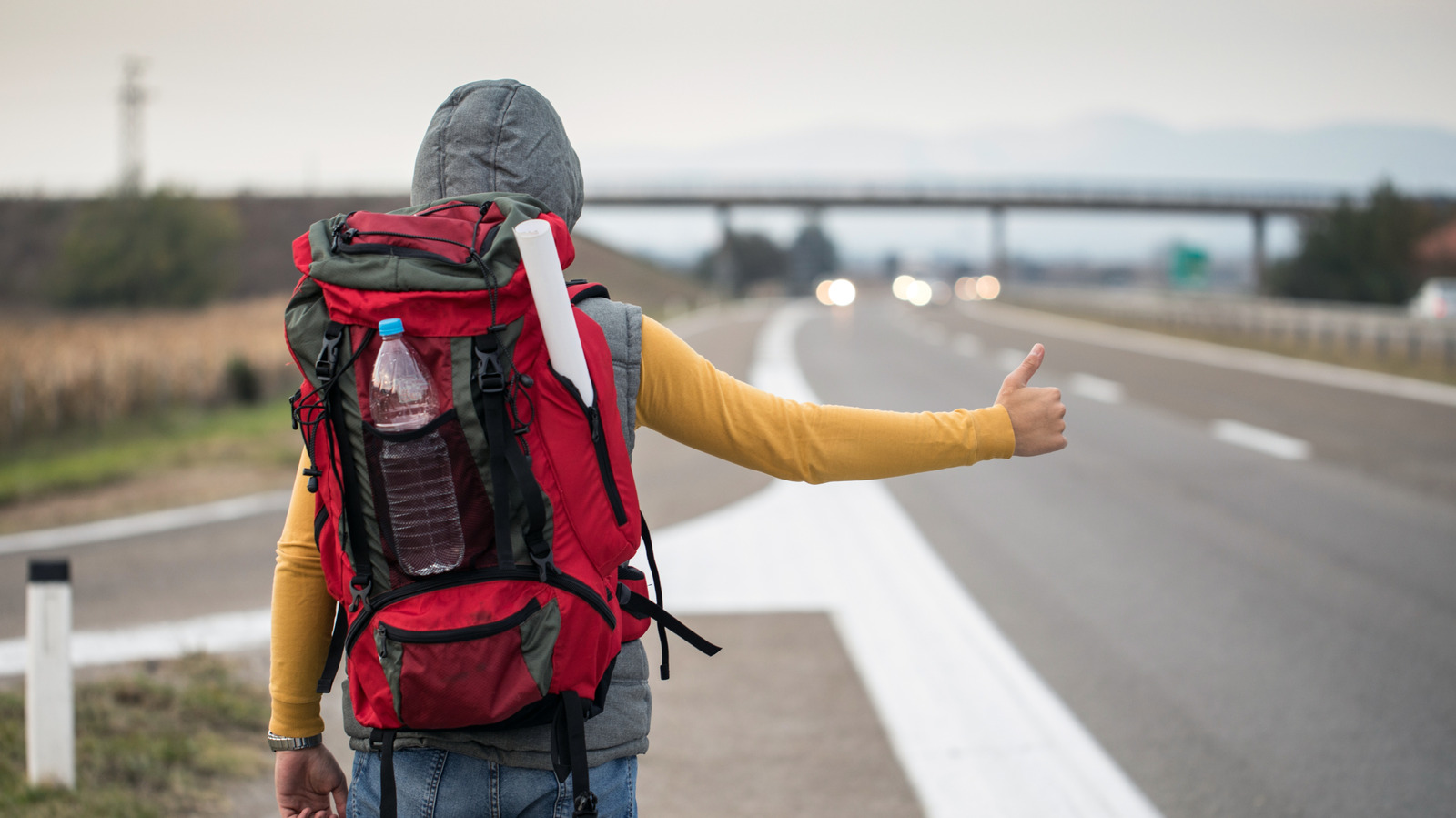
This period also saw the introduction of "vagrancy" laws and highway regulations that prohibited pedestrians on interstates, effectively criminalizing the act of hitchhiking in many jurisdictions. As the practice was pushed to the margins of society, it became associated with the counterculture, homelessness, and "drifters," further alienating the general motoring public. By the time the 1980s arrived, the "stranger danger" era was in full swing, and the hitchhiker had been fully reimagined as a cinematic monster.
The Power Dynamic of the Vehicle
The psychological fear drivers feel often stems from the intimacy of the car. Bringing a stranger into a confined personal space feels like an invitation to danger. However, criminologists point out that the driver holds almost all the "tactical" advantages. The driver is seated, restrained by a seatbelt (which they can use to their advantage), and has their hands on a heavy machine capable of high speeds. The passenger, conversely, is often encumbered by luggage, unfamiliar with the vehicle’s locks or child-safety features, and lacks control over the route.
Furthermore, the demographic of those who hitchhike has shifted. While it was once a primary mode of travel for students and adventurers, modern hitchhikers are often individuals with limited economic resources. They may be workers whose cars have broken down, individuals living in rural areas with no public transit, or members of marginalized communities. This economic disparity further skews the power dynamic, as the hitchhiker is often in a position of desperate need, making them less likely to challenge a driver’s behavior until it is too late.
Supporting Data and the Decline of the Practice
Reliable data on hitchhiking has historically been difficult to obtain. Because the act itself is often informal and legal in many places (provided the person stays off the roadway), there is no central registry for successful, safe rides. Most data collected by law enforcement focuses exclusively on "incidents," which creates a reporting bias toward negative outcomes.
However, older studies, such as one conducted by the California Highway Patrol in the 1970s, found that hitchhikers were involved in a very small percentage of total crimes. Even then, the data showed that the hitchhiker was more frequently the victim. In the decades since, the proliferation of cell phones and the rise of ridesharing apps like Uber and Lyft have made traditional hitchhiking even rarer.
The irony, as noted by some sociologists, is that ridesharing is essentially "digitized hitchhiking." We now use apps to invite strangers into our cars or to enter theirs, but the presence of a digital trail and a rating system provides a sense of security that the roadside thumb-out method lacks. The transition to ridesharing has effectively commodified social trust, leaving those who cannot afford such services to rely on the older, more stigmatized, and more dangerous version of the practice.
The Role of Gender and Vulnerability
The 2025 study highlights that gender plays a critical role in the safety of hitchhiking. Women and LGBTQ+ individuals are at a disproportionately higher risk of being targeted by predatory drivers. For these groups, hitchhiking is rarely a choice of adventure; it is a choice of necessity fraught with calculated risk.
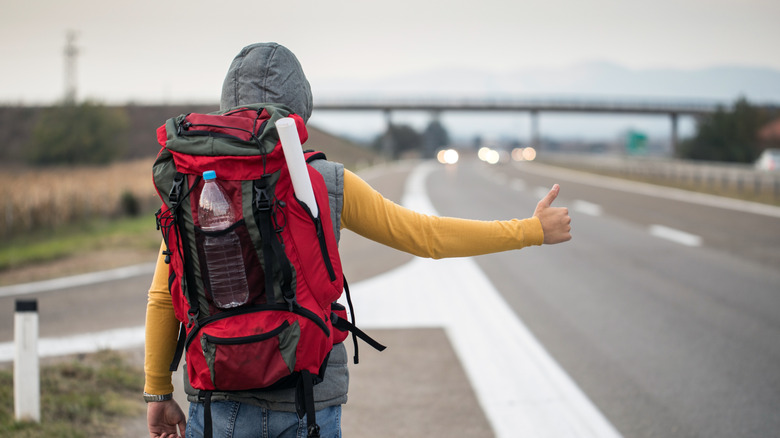
Statements from advocacy groups for travelers and the unhoused suggest that many hitchhikers develop complex "vetting" processes to stay safe. They may look for families, female drivers, or vehicles that appear well-maintained. Despite these precautions, the inherent risk remains high because the hitchhiker cannot know the intentions of the person behind the wheel until the door is closed and the car is in motion.
Broader Implications and the Loss of Social Trust
The statistical reality—that hitchhikers are the ones in danger—serves as a poignant commentary on the state of social trust in the 21st century. The fact that most drivers fear the person on the side of the road, despite being in a position of greater power and safety, suggests a profound breakdown in community cohesion.
Criminologists argue that the "hitchhiker myth" has had real-world policy implications. It has been used to justify the lack of investment in rural public transportation and has led to the further criminalization of poverty. When we view the person in need of a ride as a threat rather than a neighbor in a difficult spot, we reinforce a culture of isolation.
Conclusion: A New Perspective for the Road
While it is not the responsibility of every driver to pick up every hitchhiker, the data suggests that the "Road Trip Rule" should be re-evaluated. If you are a driver who chooses not to stop, it is your right to prioritize your comfort and perceived safety. However, the fear that a hitchhiker is likely to be a violent criminal is not supported by the facts.
In reality, the person standing on the shoulder of the highway is taking a much larger gamble than the person behind the wheel. They are placing their life and safety in the hands of a stranger, often because they have no other choice. Understanding this shift in perspective doesn’t necessarily mean everyone should start picking up hitchhikers, but it does require an acknowledgment of the true risks of the road. As the 2025 study concludes, the "lost highways" are not dangerous because of the people walking along them, but because of the potential for abuse by those driving through them. By debunking the myth of the predatory hitchhiker, we can begin to see the roadside traveler not as a character in a horror film, but as a person navigating a world where the simple act of asking for help has become a life-threatening risk.