Beyond the Immediate Cure: How Vaccination May Shield the Immune System from Long-Term Structural Damage

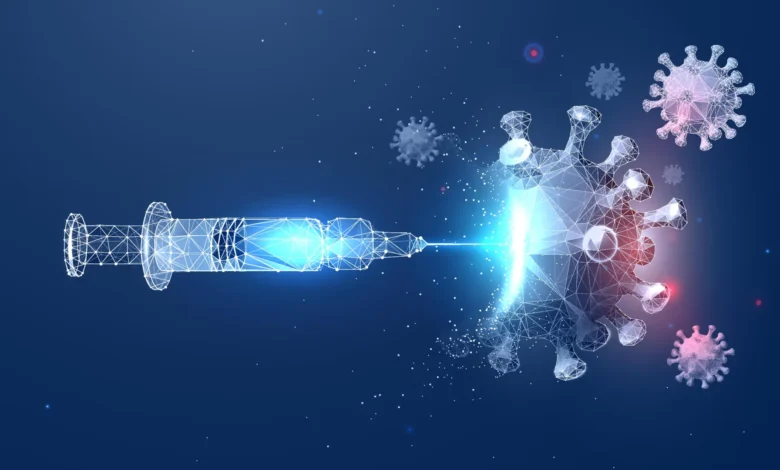
For decades, the prevailing medical consensus surrounding acute viral infections—such as influenza, common rhinoviruses, or various enteric pathogens—has been defined by a binary outcome: the virus enters, the body mounts an inflammatory response, the virus is cleared, and the patient recovers. Once symptoms subside and the pathogen is no longer detectable in the bloodstream or tissues, the illness is typically considered a closed chapter. However, pioneering research conducted by the Infection Biology Laboratory at Pompeu Fabra University (UPF) in Barcelona suggests that this "recovery" may be deceptive. Their findings, published in the journal Cell Death & Disease, indicate that the battle against a virus can leave the immune system permanently scarred, fundamentally altering the body’s ability to defend itself against future threats. Crucially, the study identifies vaccination as a potential prophylactic measure that does more than prevent symptoms; it preserves the structural integrity of the immune system itself.
The Anatomy of Post-Viral Immune Decay
The research team, led by ICREA research professor Andreas Meyerhans and lead author Dr. Paula Cebollada Rica, utilized a mouse model to track the physiological aftermath of acute viral infections. The study was designed to observe the "hidden" costs of an immune response. While the mice successfully cleared the primary viral load, their internal defense mechanisms did not return to their pre-infection baseline.
The focal point of this degradation was the spleen, an organ critical for filtering blood and housing the immune cells responsible for mounting adaptive responses. Upon analysis, the researchers discovered that the process of fighting off the virus induced fibrosis within the splenic tissue. This buildup of collagenous, scar-like tissue disrupted the micro-architecture of the organ. In a healthy spleen, immune cells are organized in precise zones, facilitating the rapid interaction and communication required to activate T cells—the "special forces" of the immune system that identify and destroy infected or cancerous cells.
When the splenic architecture is compromised by fibrosis, the spatial arrangement of these cells becomes disordered. The study found that this physical disruption prevented the necessary signaling between immune cells. Consequently, even months after the virus had been cleared and the animals appeared healthy, their T-cell response to new, unrelated pathogens was significantly sluggish and less effective. The animals had transitioned into a state of persistent immunocompromise, essentially leaving them vulnerable to secondary infections that they would have easily managed prior to their initial illness.
A Chronology of Discovery
The investigation into these long-term immune consequences follows a growing body of evidence in immunology suggesting that the "post-viral" period is more complex than previously understood.
- Phase 1: Initial Infection and Immune Activation: In the control group, mice were exposed to an acute virus. As expected, the innate and adaptive immune systems engaged in a robust response, resulting in fever, inflammation, and the eventual elimination of the virus.
- Phase 2: The Silent Damage: Following viral clearance, the researchers observed a period of tissue remodeling in the spleen. This was not a restorative process, but rather a pathological one where the immune system’s effort to neutralize the threat resulted in the creation of fibrotic scar tissue.
- Phase 3: Diagnostic Impairment: Weeks after clinical recovery, the researchers challenged the mice with secondary immunological stressors. They noted a marked failure in the T-cell response, confirming that the spleen’s functional capacity had been diminished.
- Phase 4: The Vaccination Intervention: In the parallel experimental group, mice were vaccinated against the target virus prior to infection. Upon exposure, these mice displayed no symptoms and, more importantly, showed zero evidence of splenic fibrosis or T-cell dysfunction. Their immune systems remained pristine, maintaining the same efficacy as the "naive" control group that had never encountered the virus.
The Vaccine as a Structural Shield
The most significant takeaway from the UPF study is the role of vaccination in preventing systemic injury. Traditional understanding posits that vaccines train the immune system to recognize a pathogen so that when the real infection arrives, the body can clear it faster and with less severity. The findings from the Infection Biology Laboratory add a new dimension to this: vaccines prevent the immune system from having to "over-engage" in a destructive, uncontrolled inflammatory response that leads to organ damage.
By providing the immune system with a "cheat sheet," vaccination allows for a highly targeted, efficient neutralization of the virus. This efficiency appears to prevent the collateral damage caused by the prolonged, massive inflammatory cytokine storms that typically characterize a first-time, unprotected infection. In the study, vaccinated mice maintained perfectly organized splenic architecture. Their T-cell functionality remained robust, proving that the vaccine provided a "cushion" that preserved the animal’s future immunological fitness.
Implications for Human Health and Policy
While the transition from murine models to human clinical application requires caution and further verification, the implications of this study are profound. If human immune systems undergo similar splenic remodeling following common viral infections, it would suggest that the cumulative impact of "minor" illnesses—like recurring bouts of flu or other respiratory viruses—could lead to a gradual, age-related decline in immune competence.
The study comes at a pivotal moment in global public health, where the perception of vaccination is frequently debated through a political lens rather than an empirical one. The researchers are emphatic that the data provides a strong scientific counter-argument to the minimization of infectious disease risk.
"There is a general perception that an acute viral infection is a relatively minor and transient event," says Professor Meyerhans. "But this view may underestimate consequences that are not immediately visible and can persist long after the infection itself has resolved."
From a clinical perspective, this suggests that the "low cost" of vaccination yields a "high return" in terms of life-long immune health. If vaccination prevents the sub-clinical, long-term damage that leads to generalized immune weakness, then the public health value of vaccines—particularly for the elderly or those with existing health vulnerabilities—may be significantly higher than current models calculate.
Future Directions and Scientific Analysis
The scientific community is now faced with the question of whether similar fibrotic mechanisms exist in human lymphoid tissues after common infections. Researchers are expected to investigate human tissue samples, potentially utilizing advanced imaging and longitudinal immunological monitoring, to determine if human spleens or lymph nodes exhibit similar scarring patterns following acute infections.
Furthermore, this discovery provides a new framework for understanding "Long COVID" and other post-viral syndromes. If viruses are capable of causing structural damage to immune-coordinating organs, it may explain why some patients experience persistent immune dysregulation long after the virus has disappeared from their systems.
The work of Dr. Cebollada Rica and Professor Meyerhans emphasizes that the immune system is a finite, structural resource. It is not an indestructible entity that resets perfectly after every battle. By highlighting the hidden, long-term risks of natural infection, this research reinforces the position that preventing infection through vaccination is not just about avoiding a few days of symptoms—it is about protecting the structural integrity of the human body’s most vital defense mechanism. As society moves forward, the integration of these findings into public health communication could prove essential in shifting the narrative from "individual choice" to "long-term physiological preservation."