Karoshi: The High-Stakes Dystopian Thriller Bringing Corporate Fatalities to the Big Screen

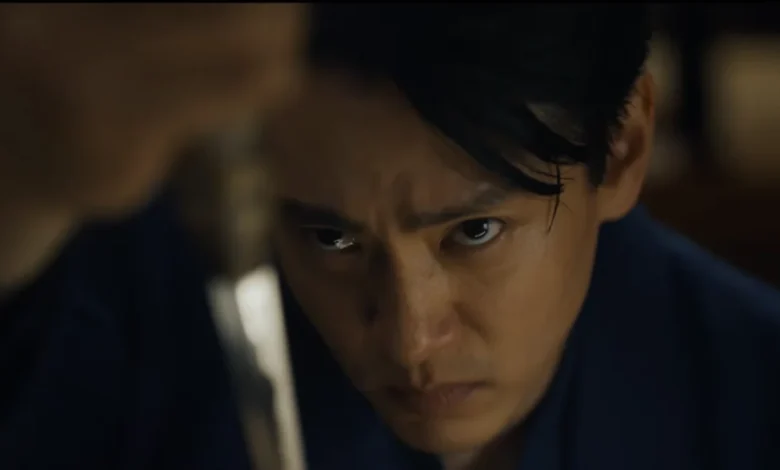
The cinematic landscape of 2027 is poised for a significant shift in the action-thriller genre with the upcoming release of Karoshi, a dystopian narrative spearheaded by John Wick visionary Chad Stahelski. As Lionsgate prepares to bring this project to theaters, industry analysts are noting its departure from standard action tropes, focusing instead on the intersection of late-stage corporate culture and the lethal phenomenon of overwork. With a script penned and directed by Takashi Doscher, the film explores the dark realities of a near-future Manhattan where professional ambition is pushed to a physiological breaking point.
The Phenomenon of Karoshi: A Global Crisis
The term "Karoshi," which translates literally from Japanese as "death from overwork," serves as the thematic anchor for the film. While the concept originated in Japan during the post-war economic boom, its implications are increasingly recognized as a global health crisis. According to data from the International Labour Organization (ILO), long working hours—defined as working 55 hours or more per week—are associated with a 35% higher risk of stroke and a 17% higher risk of dying from ischemic heart disease compared to a standard 35–40 hour workweek.
In Japan, the government has historically struggled to implement "Work Style Reform" bills to cap mandatory overtime, yet the culture of corporate loyalty remains deeply ingrained. This is not, however, limited to East Asia. The Swedish Work Environment Authority has reported that approximately 700 workers annually suffer fatalities linked to stress-induced cardiovascular events or mental health crises directly tied to their employment conditions. By situating the film in a futuristic, hyper-competitive Manhattan, Doscher is framing this systemic failure not as a cultural anomaly, but as a potential endgame for global corporate structures.
Narrative Framework and Creative Vision
The premise of the film revolves around Ikigai Technologies, a monolithic entity that represents the pinnacle of corporate dominance in a future Manhattan. In this setting, the lines between personal identity and corporate utility have been blurred by tradition and economic necessity. The narrative arc begins with a tragedy: the death of a worker, which serves as the catalyst for an outsider to infiltrate the company.
Teo Yoo, fresh off his acclaimed performance in the Academy Award-nominated Past Lives, portrays Hiro, the film’s protagonist. Hiro’s mission is one of systemic exposure and vengeance. His character is expected to embody the tension between individual agency and the crushing weight of institutional control. The casting of Takehiro Hira, whose recent work in the 2024 Shōgun miniseries showcased his ability to navigate complex, power-heavy dynamics, adds a layer of prestige to the production. The ensemble is rounded out by industry veterans Giancarlo Esposito, Cynthia Erivo, and Bill Camp, alongside Richard Harmon, Isabel May, and Show Kasamatsu, suggesting a production that relies as much on character-driven intensity as it does on high-octane choreography.
The Stahelski Factor: Redefining Action
Chad Stahelski’s involvement as a primary architect behind the project signals a specific visual and kinetic language. Since the inception of the John Wick franchise in 2014, Stahelski has been credited with revitalizing the "gun-fu" aesthetic, characterized by long, unbroken takes, practical stunts, and a focus on physical storytelling.
In the context of Karoshi, industry insiders anticipate that Stahelski will apply these same principles to the film’s action sequences. If the John Wick films were explorations of a hidden, ritualistic underworld of assassins, Karoshi appears to be an exploration of a hidden, violent underworld of white-collar exploitation. By utilizing the framework of the action-thriller to critique labor exploitation, the film aligns with a growing trend in speculative fiction that uses genre tropes to mirror contemporary anxieties regarding income inequality and the "hustle culture" era.
Chronology of Production and Release
The development of Karoshi has been characterized by a quiet, methodical pre-production phase. Following the conclusion of the John Wick: Chapter 4 promotional cycle, Stahelski moved to pivot his production house, 87Eleven Entertainment, toward new intellectual properties.
- Q1 2026: Initial script development and conceptualization by Takashi Doscher.
- Q3 2026: Casting announcements finalized, bringing together a diverse international cast including Yoo, Esposito, and Erivo.
- Q4 2026: Principal photography commences in New York City, utilizing location-based scouting to emphasize the film’s dystopian aesthetic.
- Early 2027: Anticipated theatrical release, as confirmed by the recent trailer debut by Lionsgate.
The release window for early 2027 is strategically significant. It places the film in a period where audiences typically look for high-impact entertainment following the holiday season. Lionsgate’s decision to position the film as a tentpole project suggests a high level of confidence in the film’s potential for both critical success and commercial viability.
Socio-Economic Implications
Beyond its entertainment value, Karoshi enters a cultural conversation that has gained momentum in the wake of the COVID-19 pandemic. The "Great Resignation" and the subsequent discourse surrounding "quiet quitting" and "burnout" have made the film’s subject matter particularly relevant to a modern workforce.
Sociologists suggest that the film could act as a lightning rod for discussions regarding the ethics of corporate surveillance and the dehumanization of employees in the digital age. When organizations place productivity metrics above human life, the result is the "hidden system" alluded to in the film’s premise. By dramatizing this, the production may force a broader public dialogue on whether modern labor laws are sufficient to protect workers from the invisible, stress-related violence that characterizes the "Karoshi" phenomenon.
Analysis of the Corporate Villainy Trope
The antagonist in this film, Ikigai Technologies, represents the latest iteration of the "Evil Corporation" trope, yet it distinguishes itself by grounding its villainy in the mundane reality of the office. While many dystopian films focus on post-apocalyptic wastelands or totalitarian regimes, Karoshi focuses on the cubicle.
This mirrors historical developments in industrial psychology, where the efficiency studies of the early 20th century have evolved into modern algorithmic management. The film’s focus on the "polished surface" of the corporation hiding a "violent system" is a direct critique of the branding of wellness and corporate culture. When firms co-opt the language of "work-life balance" while demanding round-the-clock availability, they create the very pressure cookers that define the narrative stakes for characters like Hiro.
Market Expectations and Critical Reception
Given the pedigree of the creative team, expectations are high. The synergy between Stahelski’s choreography and Doscher’s scriptwriting is expected to create a film that is as mentally stimulating as it is visually arresting. Market research into the 2027 box office suggests that audiences are increasingly seeking original IP (intellectual property) that offers a unique perspective on contemporary societal issues, rather than relying solely on sequels or established franchises.
If the film succeeds, it may set a new standard for the "corporate thriller" sub-genre, potentially spawning a new wave of action films that prioritize thematic depth alongside technical proficiency. The inclusion of an international cast further bolsters the film’s global appeal, as the issue of labor-related burnout is not confined by borders or languages.
As the release date approaches, the industry will be watching closely to see if Karoshi can deliver on its promise of combining a visceral, high-stakes action experience with a poignant commentary on the cost of modern success. For now, the film remains a definitive "must-watch" for those following the evolution of the action genre and its increasing willingness to engage with the complex realities of the 21st-century workplace.
Related posts: