Kate Nash reveals $16,000 deficit on North American tour as she turns to OnlyFans to subsidize independent artistry

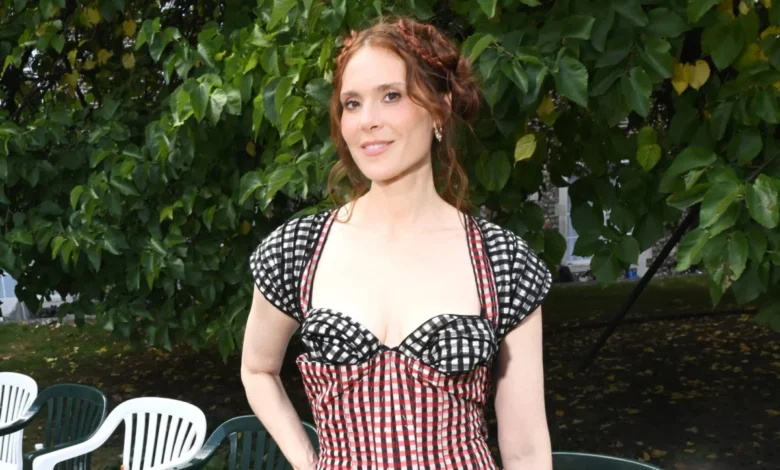
The economic landscape for touring musicians has reached a critical inflection point, as evidenced by the recent disclosure from singer-songwriter Kate Nash. The "Foundations" artist has confirmed that her current North American tour, intended to promote her forthcoming sixth studio album, Cailín, is projected to result in a financial loss of approximately $16,000 (£12,000). To mitigate these mounting costs and maintain the integrity of her live production, Nash has intensified her presence on the subscription-based platform OnlyFans, framing the move as a necessary response to the systemic fiscal instability currently plaguing the grassroots music sector.
Nash, who first garnered international fame in the mid-2000s, has become a vocal advocate for systemic change within the music industry. Her decision to leverage a platform traditionally associated with adult content to fund professional musical touring has sparked a wider conversation about the viability of mid-tier and independent artists in an era of rising inflation, logistical complexities, and diminished touring margins.
A Chronology of Financial Strain
The trajectory of Nash’s financial challenges can be traced back to the post-pandemic recovery period, which saw a surge in operational costs for independent performers. Following the release of her 2024 album 9 Sad Symphonies, Nash identified a consistent pattern of losses associated with her live performances. Despite maintaining a dedicated fanbase and high streaming metrics, the costs of transporting a human band, crew, and technical personnel—rather than relying on cost-cutting measures such as backing tracks—began to outpace her revenue.
In November 2024, Nash launched her "Butts For Tour Buses" campaign. The initiative, while provocative in its marketing, served a dual purpose: it generated essential capital through her OnlyFans subscription channel and drew public attention to the high cost of road travel. This was not merely a reaction to a single bad tour; it was a response to years of cumulative debt. Earlier in 2024, during testimony provided to the UK Parliament’s Culture, Media and Sport Committee, Nash revealed that a European tour had resulted in a loss of approximately £26,000, while a subsequent UK run incurred an additional £13,000 deficit. These figures represent a stark reality for artists who refuse to compromise on the quality of their live performances by automating their stage shows.
The Economics of Modern Touring
The fiscal pressures cited by Nash are corroborated by a broader set of industry data that suggests the "middle class" of the music industry is facing an existential threat. For many independent artists, the cost of visas, fuel, accommodation, and crew wages has risen significantly since 2020. Simultaneously, the revenue generated from recorded music streams often fails to reach the threshold required to offset these physical touring costs.
The "grassroots crisis," as Nash describes it, involves a confluence of factors:
- Logistical Inflation: The cost of transport, logistics, and equipment rental has seen double-digit percentage increases in many Western markets.
- The Brexit Factor: For UK-based artists, the post-Brexit landscape has introduced complex visa requirements and carnets for touring equipment, adding thousands of pounds to European tours.
- Venue Fragility: The closure of independent music venues has reduced the number of profitable routing options, forcing artists to choose between playing in suboptimal markets or canceling tours entirely.
- Shift in Consumption: While streaming provides broad exposure, the conversion rate from a listener to a ticket-buyer has become increasingly unpredictable, making tour budgeting a high-risk endeavor.
OnlyFans as a Financial Pivot
Nash’s utilization of OnlyFans represents an unconventional approach to independent funding. By creating an "OnlyFans TV" channel, the artist provides a behind-the-scenes look at the realities of recording her upcoming album, Cailín, and the day-to-day operations of life on the road. By offering this transparency, she has attempted to bridge the gap between the polished image of a pop star and the grueling reality of a small-business owner.
Critics of the music industry’s current model suggest that relying on third-party content platforms is a symptom of a failure in the streaming economy. When artists with millions of streams are forced to seek external revenue streams simply to cover the cost of a live band, the implication is that the current distribution of streaming royalties is insufficient to support a sustainable career. Nash has remained adamant that she refuses to sacrifice the artistic standard of her show. She argues that having a sound engineer, a lighting technician, and live musicians is essential to the cultural impact of her work. Her refusal to automate her performances is a deliberate stand for the preservation of human-led musical craft.
Industry-Wide Implications and Reactions
The discourse surrounding Nash’s financial transparency aligns with a recent investigation conducted by NME, which highlighted that established artists such as Frank Turner, Garbage, and members of Enter Shikari are all grappling with similar financial hurdles. These artists have noted that the "touring bubble" has effectively burst for anyone not operating at the highest level of arena-filling, global pop-star status.
The reaction from the music community has been mixed but largely supportive of her transparency. Industry analysts suggest that Nash’s approach may lead to a trend of "radical transparency" among artists. If fans are made aware of the actual costs associated with touring, there may be a shift in consumer behavior, potentially leading to higher ticket prices that reflect the true cost of production, or a movement toward grassroots grants and government-backed subsidies to support the creative arts.
However, the burden remains on the artist. Nash’s statement regarding the "closing doors" on access to a career in music speaks to a broader democratic issue: if only the independently wealthy can afford to tour, the diversity of the cultural landscape will inevitably suffer. The loss of £16,000 on a North American tour is, for many, a prohibitive barrier to entry. For Nash, it is a deficit that she is actively working to cover through her digital content, but it is not a long-term solution for the thousands of emerging artists who do not have the platform or the existing fanbase to generate such revenue.
Looking Toward the Future: Cailín
As Nash prepares for the January 22, 2027, release of Cailín, the industry will be watching to see if this album can shift her financial trajectory. The record, which is set to be released via the independent label Kill Rock Stars, is described as a fusion of Irish heritage with punk and hip-hop influences. This represents a significant creative departure for Nash, signaling her continued commitment to innovation despite the financial headwinds.
The intersection of her upcoming musical project and her ongoing campaign to expose the flaws in the touring industry suggests that her next chapter will be defined by both artistic and structural advocacy. By openly documenting the financial realities of her tour, she has transformed her personal deficit into a public case study on the economics of art. Whether this prompts a systemic change in industry practices or simply highlights the resilience required of the modern independent musician remains to be seen. For now, Nash continues to balance the demands of a professional musician with the administrative requirements of a precarious industry, maintaining her resolve to provide a high-quality, human-led live experience for her audience.