Literary Reflections on the Formative Years: Harvard Faculty Curate a Reading List on the Human Experience of Youth


As the fall semester commences and a new cohort of students navigates the historic corridors of Harvard Square, the transition into early adulthood remains a focal point of academic and personal inquiry. For many, the university years represent a bridge between the structured environment of childhood and the self-determined landscape of professional and social maturity. To mark this seasonal shift, members of the Harvard faculty have stepped away from their specialized research to reflect on the literature that best captures the tumult, discovery, and inherent vulnerability of growing up. Their selections range from classic existentialist novels to contemporary psychological guides, offering a diverse mapping of what it means to enter the world.
The Developmental Arc: From Childhood to Independence
The psychological and sociological transition into adulthood is a well-documented phenomenon. Development psychologists often point to the period between the ages of 18 and 25 as a critical window for neurobiological and social maturation. It is during this "quarter-life" phase that individuals must reconcile their internal values with the external pressures of societal expectations.
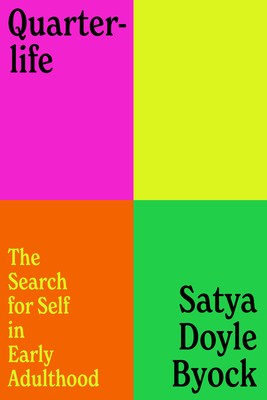
Satya Doyle Byock’s Quarterlife: The Search for Self in Early Adulthood has emerged as a key text for faculty members advising students on this path. Jeannine Cavender-Bares, a professor of Organismic and Evolutionary Biology and director of the Harvard University Herbaria, notes that the text provides a framework for students to move beyond simple peer comparison. By emphasizing the Jungian concept of individual discovery, the book encourages a pursuit of "aliveness" over traditional markers of success. This perspective is increasingly relevant in an era characterized by high levels of digital connectivity and the anxiety-inducing effects of constant social comparison.
A Chronology of Coming-of-Age Literature
The literature of youth serves as a mirror for these developmental challenges. Examining the history of the "coming-of-age" genre reveals a shift from the Victorian focus on social propriety to a modern emphasis on internal psychological landscapes.

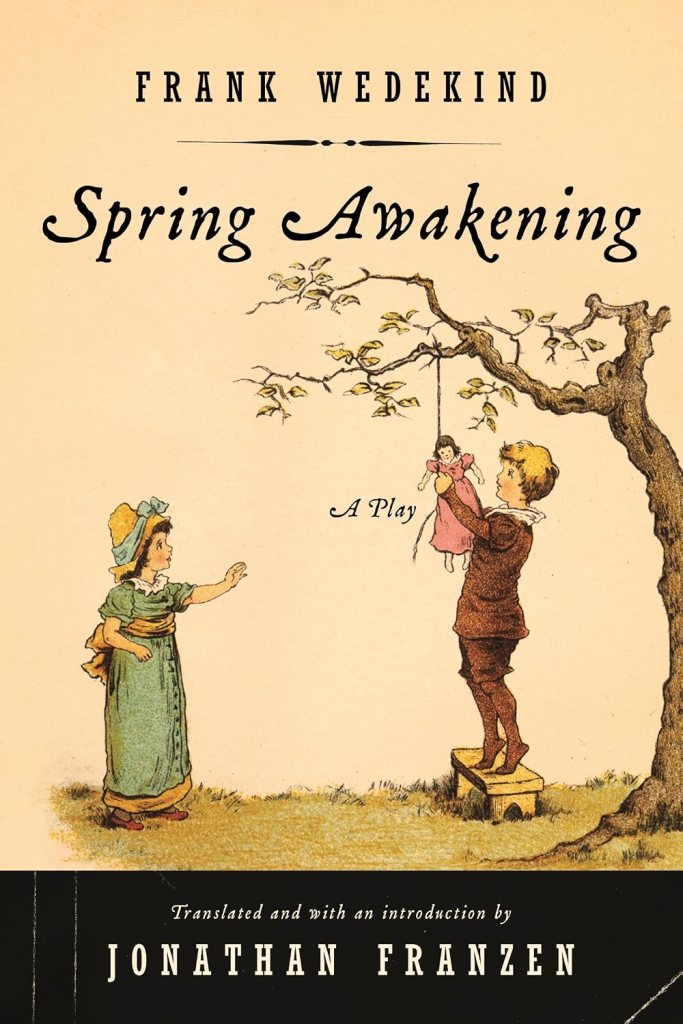
- 1891: Frank Wedekind publishes Frühlings Erwachen (Spring Awakening), a seminal play that challenged the stifling censorship of the late 19th century by exploring adolescent sexuality and the mental health toll of a restrictive society.
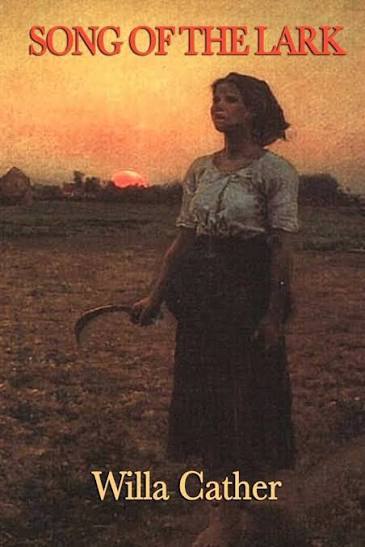
- 1915: Willa Cather releases The Song of the Lark, providing a foundational narrative on how individuals from impoverished backgrounds might navigate rural isolation to find artistic purpose.
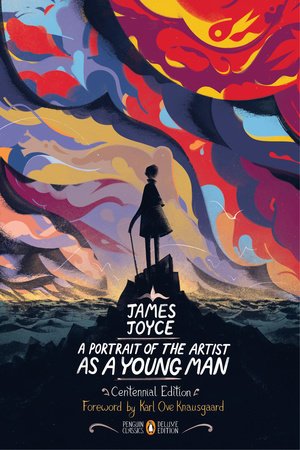
- 1916: James Joyce publishes A Portrait of the Artist as a Young Man, a landmark in modern literature that captures the granular confusion of school-age identity formation.
- 1963: Sylvia Plath’s The Bell Jar is released under the pseudonym Victoria Lucas, offering an unflinching look at the high-stakes pressure of elite academic and professional environments during early adulthood.
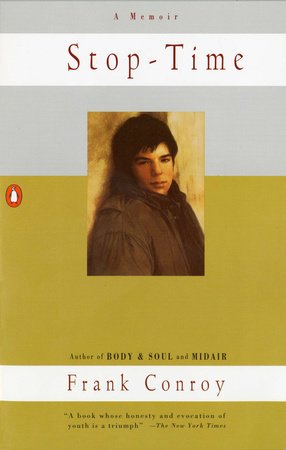
- 1967: Frank Conroy publishes Stop-Time, a memoir that recalibrated the expectations for autobiographical writing, focusing on the psychological nuances of childhood trauma and resilience.
Critical Perspectives on the Modern Student Experience
The faculty selections suggest that the "student experience" is not merely a modern invention but a deeply historical struggle. Beth Blum, a professor of English and Interim Director of Undergraduate Studies, highlights the enduring relevance of James Joyce’s Portrait of the Artist as a Young Man. According to Blum, the novel’s depiction of the "shock and trepidation" of entering a new, unfamiliar environment—and the agonizing self-consciousness that follows—remains a universal experience for undergraduates regardless of the century.

This sentiment is mirrored by Maggie Doherty, a lecturer on English, who points to The Bell Jar as an essential exploration of the "pressures and perils of young womanhood." The fig tree metaphor in Plath’s work, which serves as a symbol for the paralysis of choice, resonates with the current generation of students who face an unprecedented number of career paths and existential demands.
The broader implications of these works are significant. By engaging with texts like Junauda Petrus’s The Stars and the Blackness Between Them or Rachel Gold’s Synclair, faculty members are signaling an acknowledgment of the diverse intersectional identities present in the modern student body. These narratives provide a vocabulary for students to articulate their experiences of race, sexuality, and community in an increasingly complex global environment.

The Role of Education and Societal Influence
A recurring theme among the faculty’s recommendations is the role of structured guidance—or the lack thereof—during the formative years. Aldous Huxley’s Island is noted for its emphasis on the pedagogical necessity of teaching critical thinking and the interconnectedness of all living things. This reflects a growing consensus among educators that the university should not merely be a place for vocational training, but a space for moral and intellectual development.
Orson Scott Card’s Ender’s Game, though often categorized as science fiction, is cited by faculty as a stark warning about the potential to corrupt the imagination and talents of children. This analysis suggests that the "ills of the world" often manifest early, and the responsibility to protect the integrity of the youth experience lies with the institutional and familial structures surrounding them.

Analysis of Faculty Recommendations
| Author | Title | Primary Theme |
|---|---|---|
| Satya Doyle Byock | Quarterlife | Psychological navigation of the early 20s |
| James Joyce | Portrait of the Artist | Identity and intellectual autonomy |
| Willa Cather | The Song of the Lark | Overcoming socioeconomic barriers |
| Junauda Petrus | The Stars and the Blackness | Race, love, and identity in a hostile world |
| Rachel Gold | Synclair | Queer identity and community support |
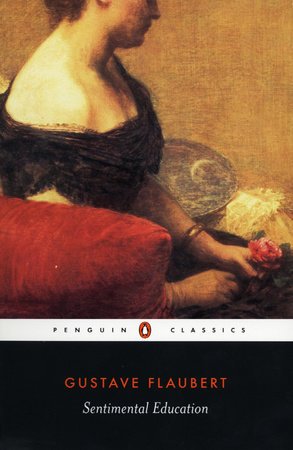
| Gustave Flaubert | Sentimental Education | The retrospective nature of youthful joy |
| Sylvia Plath | The Bell Jar | Perfectionism and mental health |
| Frank Conroy | Stop-Time | The complexity of childhood memory |
| Elena Ferrante | My Brilliant Friend | The intensity of female friendships |
| Frank Wedekind | Spring Awakening | Adolescent awakening in a stifling society |
| Orson Scott Card | Ender’s Game | The ethics of childhood development |
| Aldous Huxley | Island | Critical thinking and interconnectedness |
| Nicola Griffith | Hild | Political agency and historical resilience |
| John Irving | The Cider House Rules | Inherited values and societal contribution |
Implications for the Academic Community
The collective endorsement of these texts by Harvard faculty underscores an institutional shift toward recognizing the "whole student." As noted by Amanda Clayburgh, Dean of Undergraduate Education, youth is often a category that can only be understood in retrospect. By encouraging students to engage with these narratives, faculty are facilitating a form of "proactive retrospection"—allowing students to analyze their current lives through the lens of literature, thereby gaining a deeper understanding of their own decision-making processes.
Furthermore, the emphasis on works like John Irving’s The Cider House Rules suggests a focus on the immigrant and second-generation experience. For many students at Harvard, the challenge of reconciling the disparate values of their home lives with the professional expectations of an elite institution is a central struggle. The literature identified here provides a pathway for these students to understand their own narratives as part of a larger, global conversation about identity and utility.

As these students occupy the classrooms and common spaces of Harvard this fall, they do so with a curated list of reflections from their mentors. The intention is clear: the university seeks to provide more than just technical expertise. It aims to provide the literary tools necessary to navigate the complexities of becoming an adult, ensuring that the years spent in the Square serve as a foundation for a life defined by purpose, critical inquiry, and an enduring sense of self.