New York becomes the first state in the nation to mandate all-electric construction for new buildings

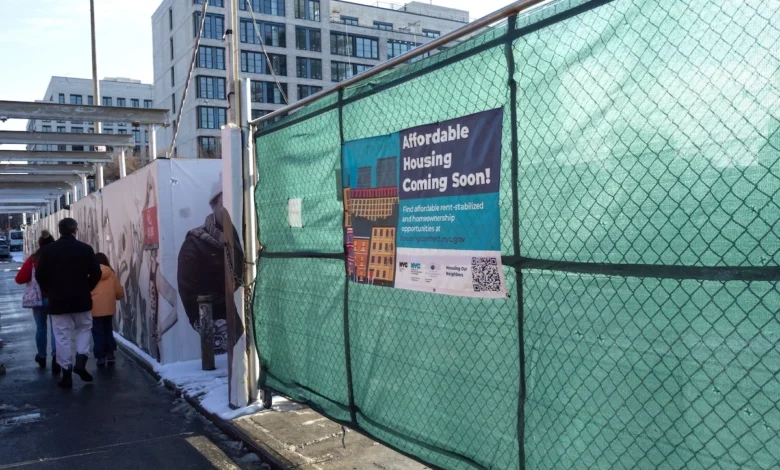
In a landmark shift for American urban planning and environmental policy, New York has officially become the first state in the United States to enact a comprehensive mandate requiring new construction projects to be built entirely electric. Finalized in late July 2025 by the State Fire Prevention and Building Code Council, the regulation effectively ends the reliance on fossil fuel hookups—including natural gas—for most new residential, commercial, and industrial developments. This policy represents a decisive move to curb the state’s significant carbon footprint and signals a broader national trend toward the electrification of the built environment.
The Path to Electrification: A Legislative Chronology
The journey toward this mandate began in 2023 with the passage of the All-Electric Buildings Act. Designed to align with New York’s ambitious climate goals, the act sought to decouple the state’s housing and commercial infrastructure from the volatile and carbon-intensive gas grid. However, the path to implementation was not without significant friction.
The legislation faced immediate pushback from fossil fuel advocacy groups and building industry organizations, which argued that the state was overstepping its authority. Opponents leaned heavily on legal precedents established in other jurisdictions, most notably the successful challenge against a similar gas-ban ordinance in Berkeley, California. In that instance, a federal court ruled that federal energy regulations preempted local attempts to restrict gas piping.
In early July 2025, the U.S. District Court of the Northern District of New York issued a pivotal ruling, dismissing the challenges brought against the state’s law. The court’s decision cleared the way for the State Fire Prevention and Building Code Council to finalize the specific requirements for the building code. By the end of July, the mandate was officially codified, establishing a firm implementation timeline for developers.
Regulatory Requirements and Implementation Phases
The mandate is being rolled out in tiered phases to allow the construction industry time to adapt to new technologies and supply chain requirements.
According to the finalized rule, residential buildings up to seven stories tall, as well as commercial and industrial projects under 100,000 square feet, must comply with the all-electric standard for any construction projects with permit applications approved on or after December 31, 2025. For larger commercial and industrial projects exceeding 100,000 square feet, the state has provided a longer runway, with full compliance required by 2029.
The regulations recognize that certain specialized facilities cannot currently function on electricity alone. Consequently, the state has carved out specific exemptions. Agricultural buildings, medical facilities, laboratories, restaurants, and crematoriums are among those eligible for waivers, provided they meet strict criteria. This nuanced approach aims to balance the urgent need for decarbonization with the functional realities of high-intensity energy users.
The Scale of the Challenge: Buildings as Emissions Sources
The impetus for this regulation is rooted in raw data. According to the New York State Department of Environmental Conservation, the built environment accounts for approximately 31% of all greenhouse gas emissions in the state. Heating, hot water, and cooking systems in residential and commercial buildings are primary contributors to these figures, often relying on aging gas infrastructure that leaks methane—a potent greenhouse gas—at various points along the distribution chain.

By mandating the installation of high-efficiency electric heat pumps for space heating and cooling, as well as induction or electric resistance cooking appliances, the state aims to achieve two goals: reducing the direct combustion of fossil fuels on-site and facilitating the future transition of the electrical grid to 100% renewable energy sources.
Economic Implications for Owners and Residents
While the construction industry has expressed concerns regarding the initial costs of retrofitting and electrical infrastructure upgrades, independent studies suggest that the long-term economic outlook is positive. Data from the New Buildings Institute indicates that the move to all-electric, energy-efficient building standards can lead to significant cost savings.
For single-family homes, the transition to 100% electric systems is estimated to yield savings between $7,500 and $8,200 compared to conventional homes, primarily through the elimination of gas service connection fees and the increased efficiency of modern heat pump systems. On a broader scale, households across the state could see an estimated 17% reduction in energy usage, translating to nearly $5,000 in savings per household over a 30-year period. These projections account for the lower maintenance costs of electric appliances and the increasing cost-competitiveness of electricity as the grid undergoes decarbonization.
Stakeholder Perspectives and Legal Resilience
The legal victory in the Northern District of New York has been hailed as a major win by environmental justice advocates. Dawn Wells-Clyburn, executive director of PUSH Buffalo, noted that the court’s decision serves as a rebuke to industry fear-mongering. "The fossil fuel industry was sent a powerful message by the court in this case," she stated, emphasizing that the health and affordability of communities take precedence over corporate interests.
However, the legal landscape remains fluid. Industry groups have already petitioned the U.S. Department of Justice to intervene, seeking to block the enforcement of the act. Legal analysts note that while the New York ruling is a strong precedent, the tension between state environmental mandates and federal energy policy is likely to be a recurring theme in American courts for the next decade.
Alex Beauchamp, Northeast region director at Food & Water Watch, emphasized that the passage of the act was the result of a long-term, grassroots effort. "When New Yorkers come together, we can win even in the face of opponents with an almost-limitless budget," Beauchamp said, adding that the state is already looking toward the next phase of the campaign: the decarbonization of existing building stock.
Broader Implications for National Policy
New York’s leadership in this area places it at the forefront of a national movement. As other states monitor the implementation of the New York mandate, the success or failure of this initiative will likely dictate the legislative appetite for similar bans elsewhere. If New York successfully integrates these standards without significantly stalling housing production, it could provide a roadmap for other states, particularly those in the Northeast and Pacific Northwest, to follow suit.
Furthermore, the mandate is expected to stimulate local markets for heat pumps and green building materials. By creating a guaranteed market for all-electric technology, New York is effectively signaling to manufacturers that the future of the construction industry is electric. This creates a feedback loop: increased demand leads to greater economies of scale, which in turn drives down prices, making electrification more accessible to homeowners and small-scale developers.
Conclusion
The finalization of the All-Electric Buildings Act marks a transformative moment for New York’s climate policy. By shifting the default from fossil fuels to clean electricity, the state is addressing one of the most significant contributors to its carbon profile. While legal challenges and implementation hurdles remain on the horizon, the mandate establishes a clear regulatory trajectory. As the state moves toward the December 2025 deadline, the focus will shift to workforce development, ensuring that architects, engineers, and construction crews are equipped to meet the new demands of a post-gas building era. Whether the policy will serve as a template for national adoption remains to be seen, but New York has undoubtedly set the stage for a new standard in sustainable development.