India’s power sector reaches historic emissions plateau as clean energy surge offsets fossil fuel demand

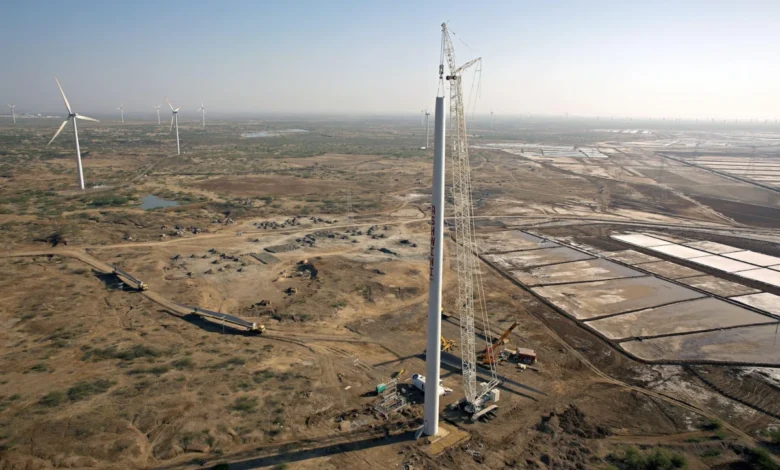
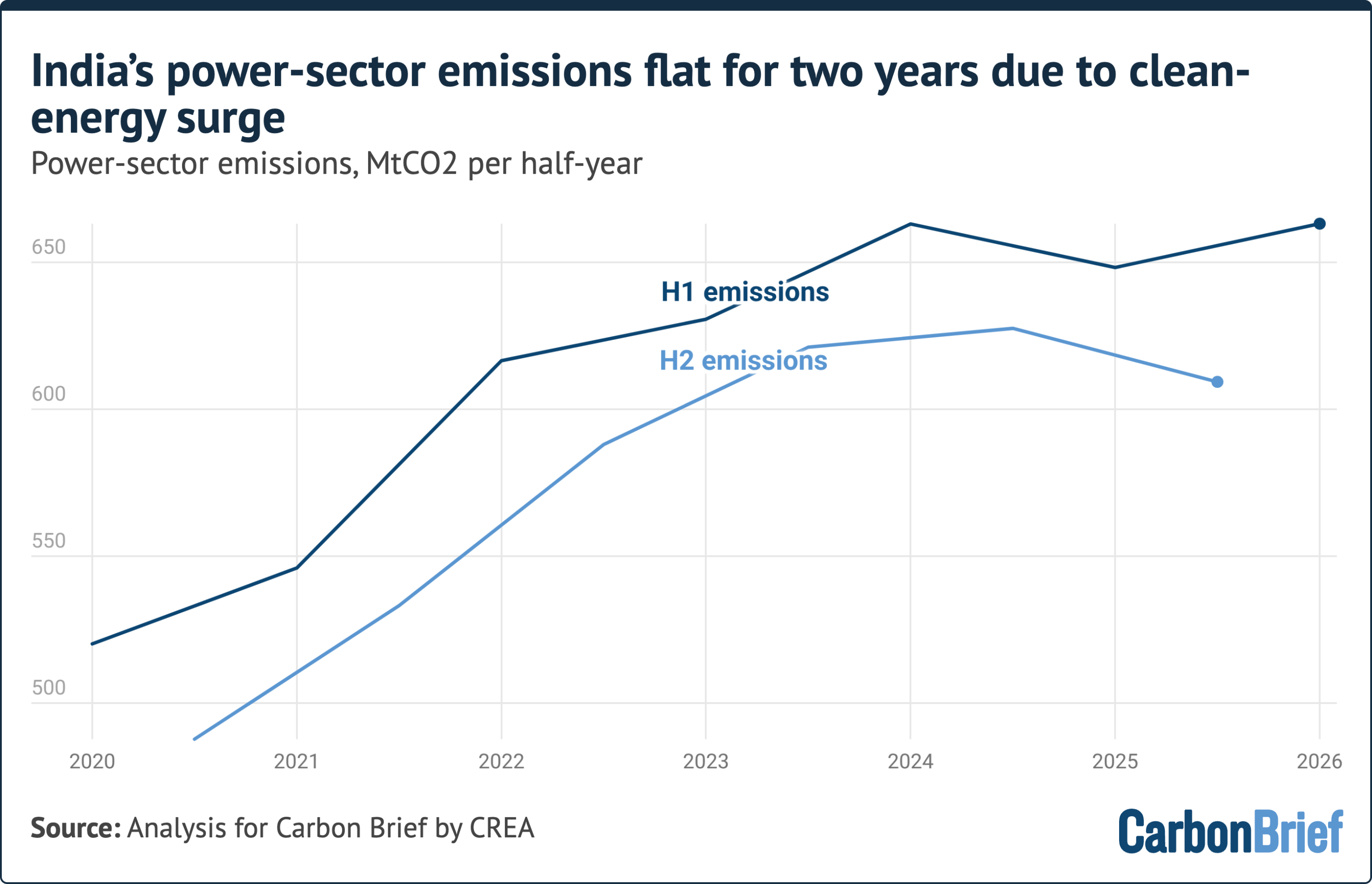
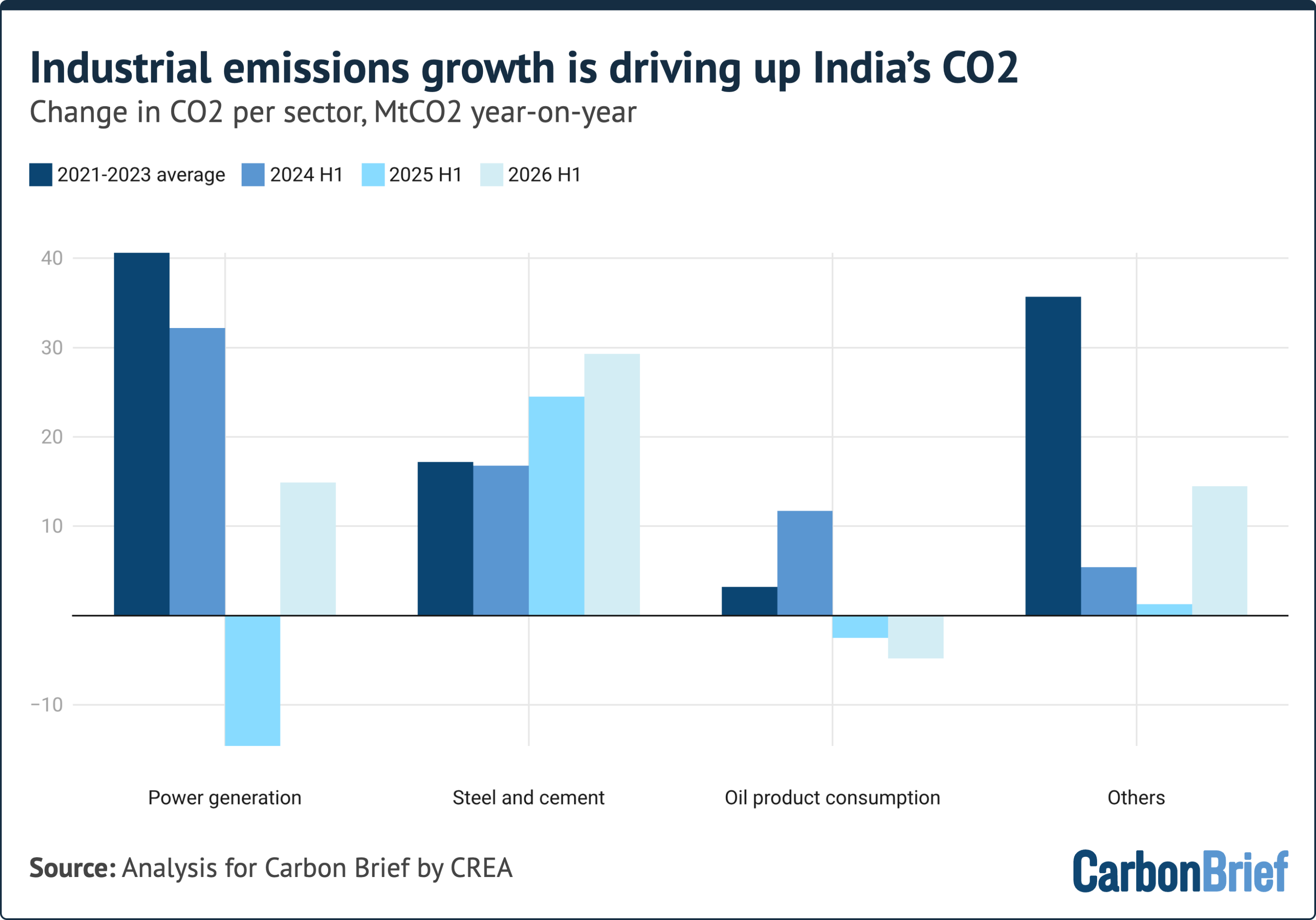
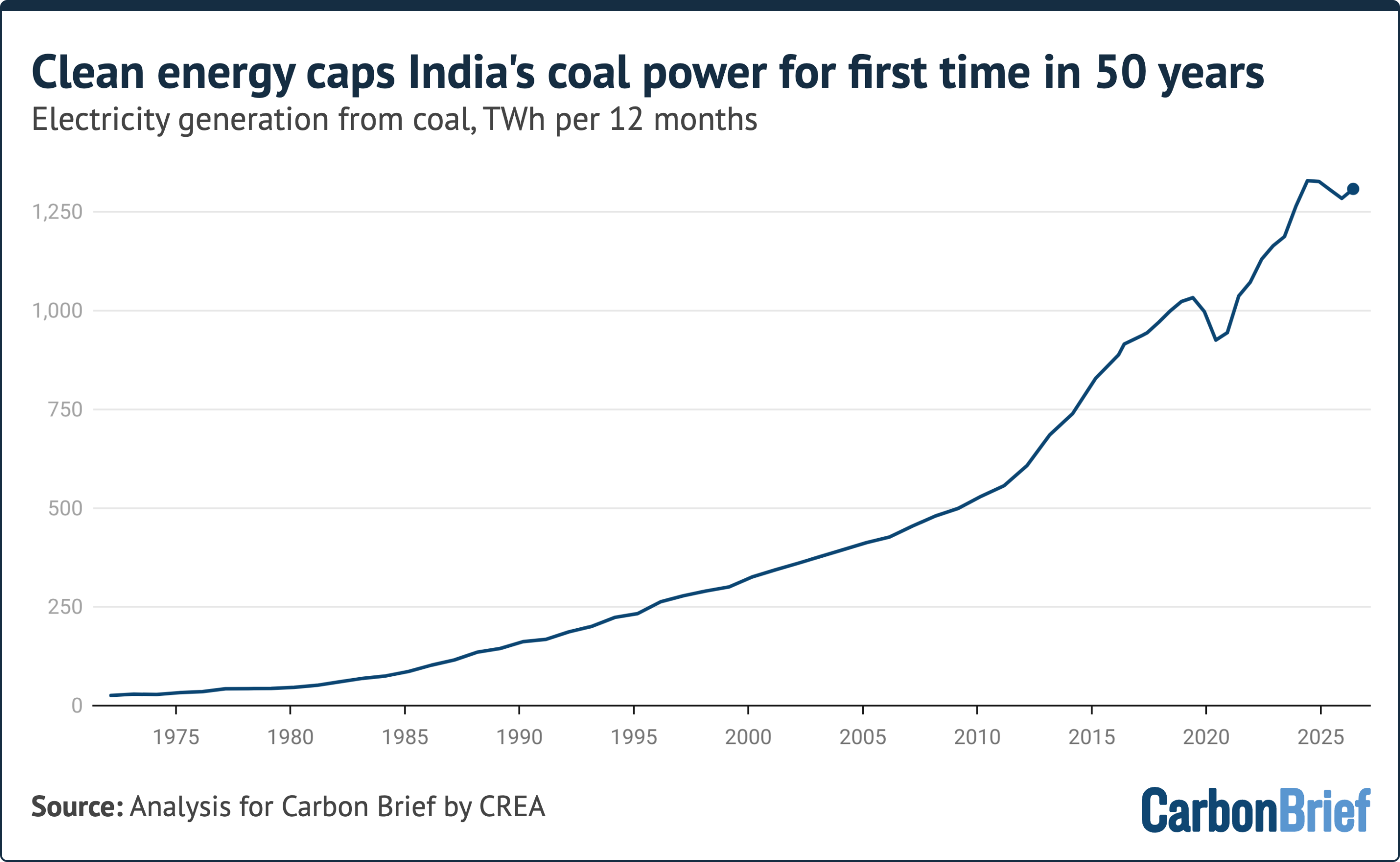
India has achieved a landmark milestone in its energy transition, with carbon dioxide (CO2) emissions across its power sector remaining entirely stagnant between the first half of 2024 and the same period in 2026. This period of flatlining emissions represents the first time in over 50 years that the nation has experienced a two-year window of zero growth in coal-fired power generation, even as the country’s overall electricity demand continued to climb. While this shift signals a successful decoupling of power consumption from carbon output, India’s broader economy faces a more complex reality, as total national emissions rose by 3.7% year-on-year in the first half of 2026, driven largely by the heavy industrial sectors of steel and cement.
A Half-Century of Change
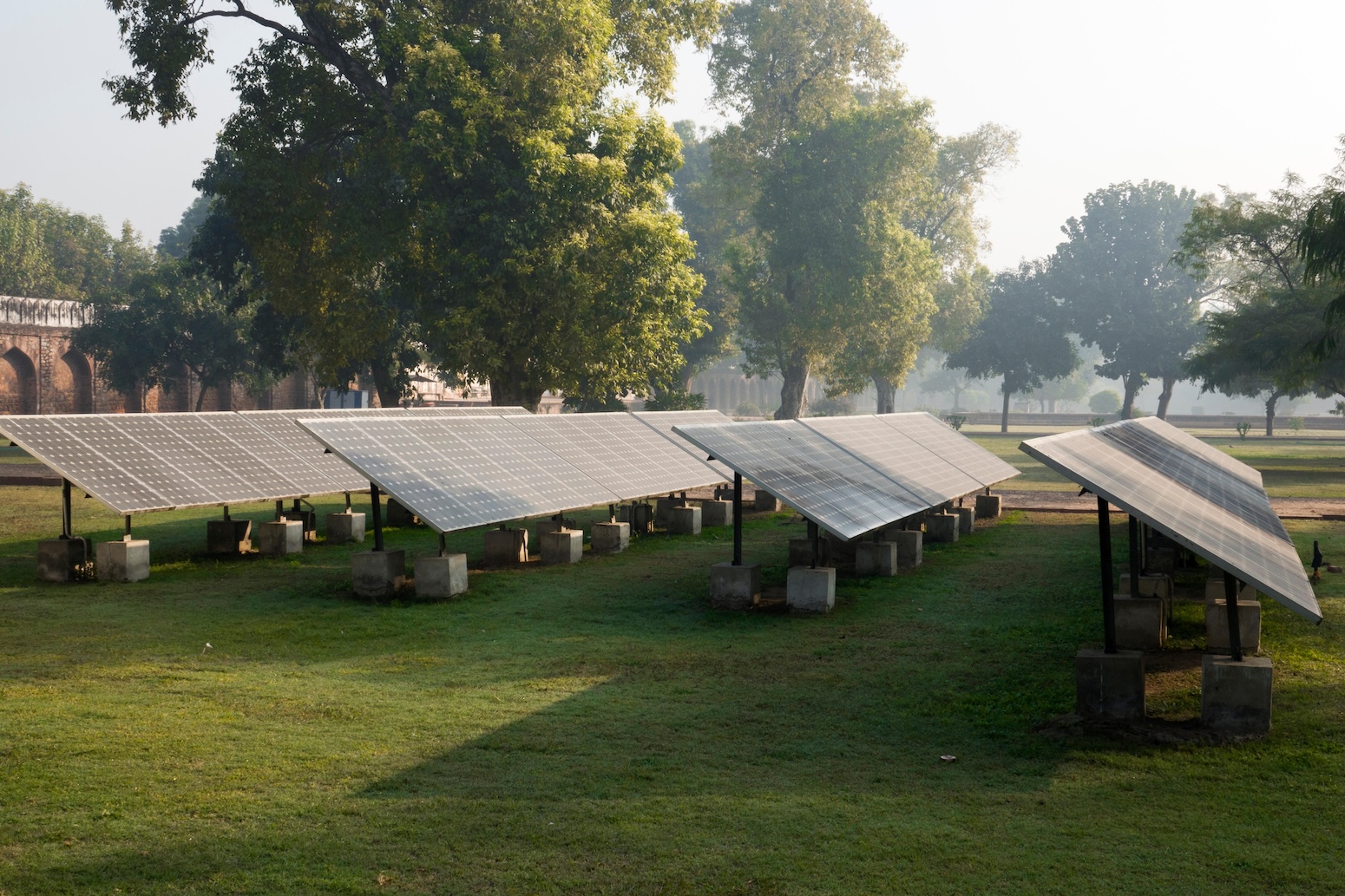
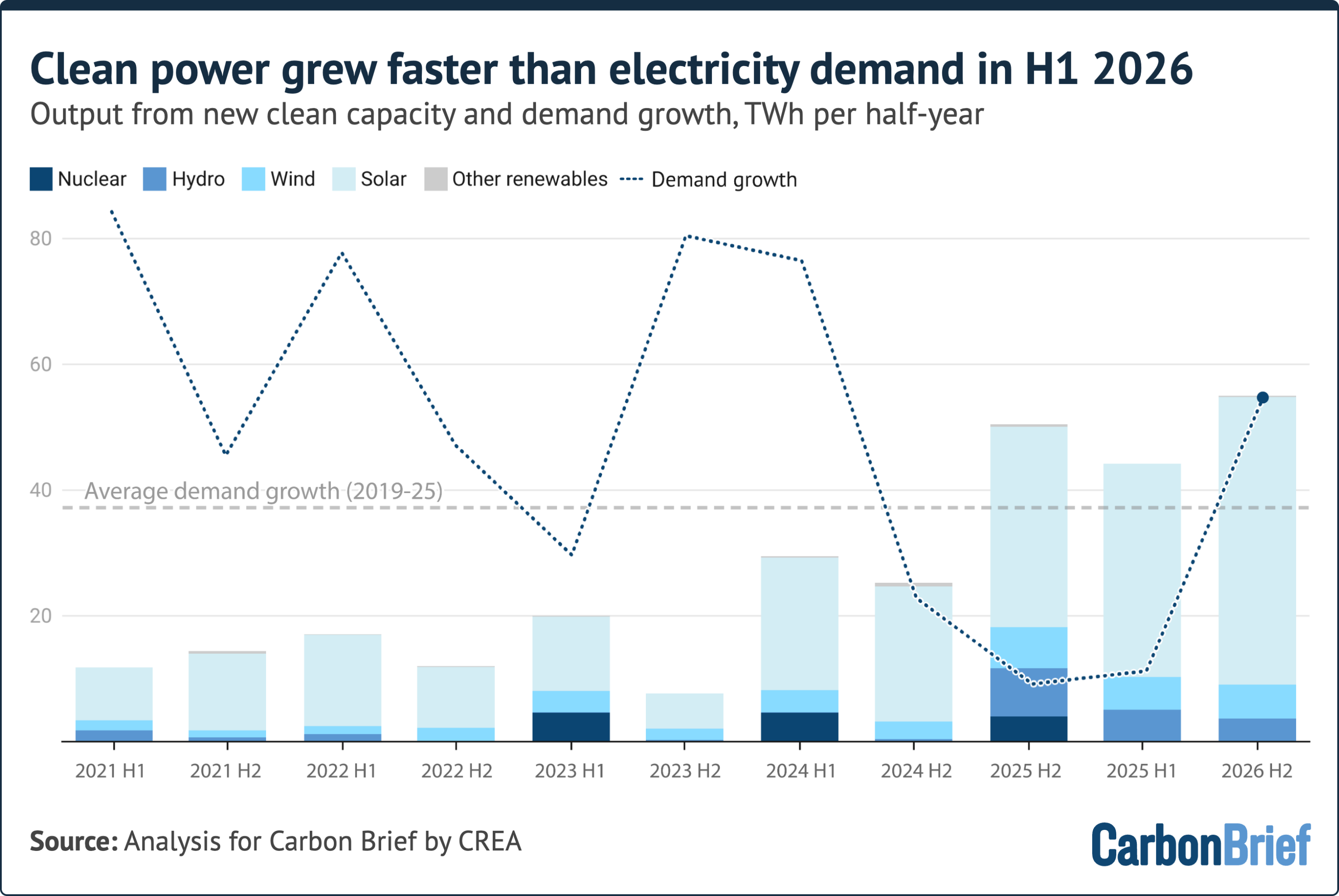
For decades, India’s economic growth has been intrinsically tied to rising coal consumption. The historical pattern of steady increases in thermal power output has finally been disrupted by an unprecedented expansion in non-fossil fuel generation. Between the first half of 2024 and 2026, India recorded its largest increase in clean-energy generation on record.
Total power generation in the country rose by 7%—an increase of approximately 63 terawatt-hours (TWh)—a volume of electricity equivalent to the entire annual consumption of Switzerland or Singapore. Significantly, this entire growth in demand was met by clean energy sources. Solar power led the charge with 44TWh of new generation, supplemented by 13TWh from wind, 8TWh from hydro, and 7TWh from nuclear power. This clean energy windfall has effectively capped the reliance on coal, marking a departure from the energy trends that have defined the Indian subcontinent since the mid-1970s.
The Impact of Global Volatility
The stability in the power sector has been mirrored by a decline in oil and gas consumption, which have fallen for two consecutive years. This trend has provided a vital buffer against external energy shocks, most notably the recent geopolitical tensions surrounding the Strait of Hormuz. By reducing its import dependence, India has been able to mitigate the economic volatility that historically follows disruptions in global energy supply chains.
However, this transition has not been without friction. The Hormuz crisis caused significant spikes in global fuel prices, leading to domestic supply disruptions. In response, several state governments were forced to implement temporary emergency measures, including the authorization of coal and other "dirtier" fuels for use in the hospitality and manufacturing sectors to bridge the gap left by gas shortages. This illustrates the fragility of a transition that is still in its early stages; while the power grid is greening, the industrial sector remains heavily tethered to legacy fossil fuel infrastructures.
Industrial Growth and the Emissions Gap
Despite the positive trends in power generation, India’s overall carbon trajectory remains upward. In the first half of 2026, emissions from steel and cement production surged by 8% year-on-year. These sectors are the primary engines of India’s infrastructure-led growth, and their reliance on coal remains deep-seated.
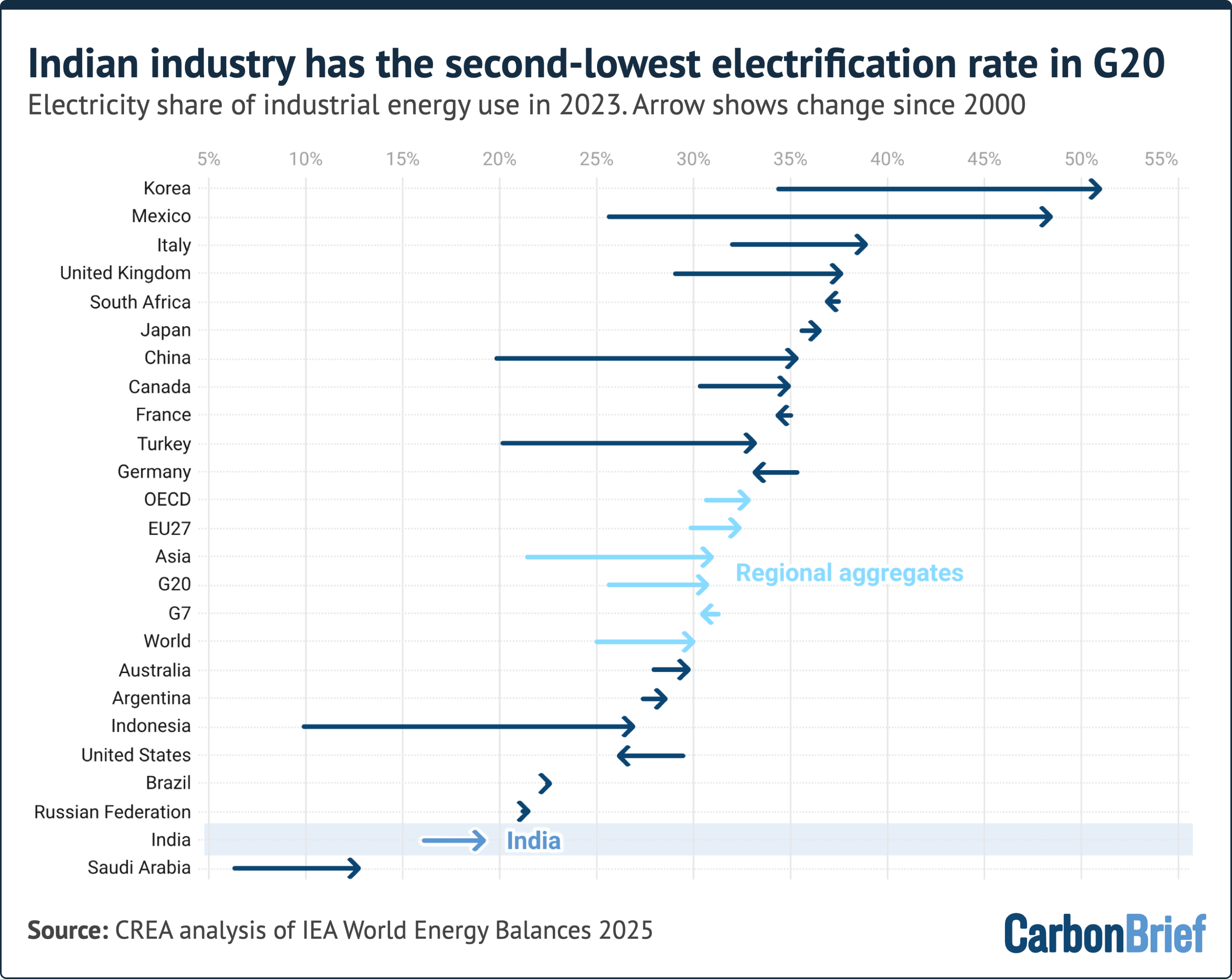
The challenge of industrial electrification is a critical hurdle for India’s climate targets. Currently, India possesses the second-lowest electrification rate among G20 nations for its industrial sector. Whereas other emerging economies have begun to integrate renewable energy into high-heat industrial processes, Indian manufacturers remain largely reliant on direct fossil fuel combustion.
The growth in these sectors is partly a reflection of robust real estate investment, which saw a record-breaking $4.1 billion in institutional funding during the first half of 2026. As steel consumption outpaces domestic production, manufacturers have been forced to tap into existing inventories and rely on imported coking coal, further complicating the emissions profile of the sector.
Strategic Investments vs. Transition Targets
A paradox currently defines India’s energy policy: while the government aggressively pursues renewable energy capacity, it simultaneously continues to authorize significant investments in the coal supply chain. At the close of June 2026, approximately 43 gigawatts (GW) of new coal-power capacity remained under construction.
Government officials argue that such base-load capacity is essential to meet peak demand during extreme weather events, such as the intensified heatwaves experienced in 2026 due to the El Niño phenomenon. These heatwaves have significantly increased the demand for cooling, placing immense pressure on the national grid. Furthermore, the government has launched ambitious plans for coal-to-chemicals conversion, targeting a capacity to process 100 million tonnes of coal annually over the next four years. While framed as a move toward energy security, these projects threaten to lock in high-carbon industrial processes for decades to come.
The Road Ahead: Infrastructure and Flexibility
To sustain the current momentum in clean energy, India must address three critical systemic obstacles: grid infrastructure, energy storage, and power plant flexibility.
The national grid is currently struggling to absorb the rapid influx of intermittent solar and wind energy. Curtailment—the wasting of generated clean power due to transmission constraints—has become a growing issue. In some instances, renewable energy projects have failed to meet completion deadlines, resulting in penalties and limiting their ability to contribute to the grid.
To resolve this, the government is accelerating investment in energy storage. The National Electricity Plan, which calls for 411 gigawatt-hours (GWh) of storage by 2031-32, is being put into motion through aggressive tendering. By May 2026, tenders for 272GWh of storage capacity had been issued, including a mix of pumped hydro and battery systems. Furthermore, the Central Electricity Authority has proposed that after June 2027, all new solar and wind projects must include a mandatory two-hour battery storage component.
Additionally, there is an urgent need to increase the flexibility of existing coal power plants. Currently, many thermal plants are unable to ramp down quickly enough to accommodate the surge of solar power during daylight hours. A proposed "flexibility plan" has been delayed by over a year due to regulatory bottlenecks, leaving the grid vulnerable to inefficiency and increasing the likelihood of renewable energy curtailment.
Regional Leadership in the Shift
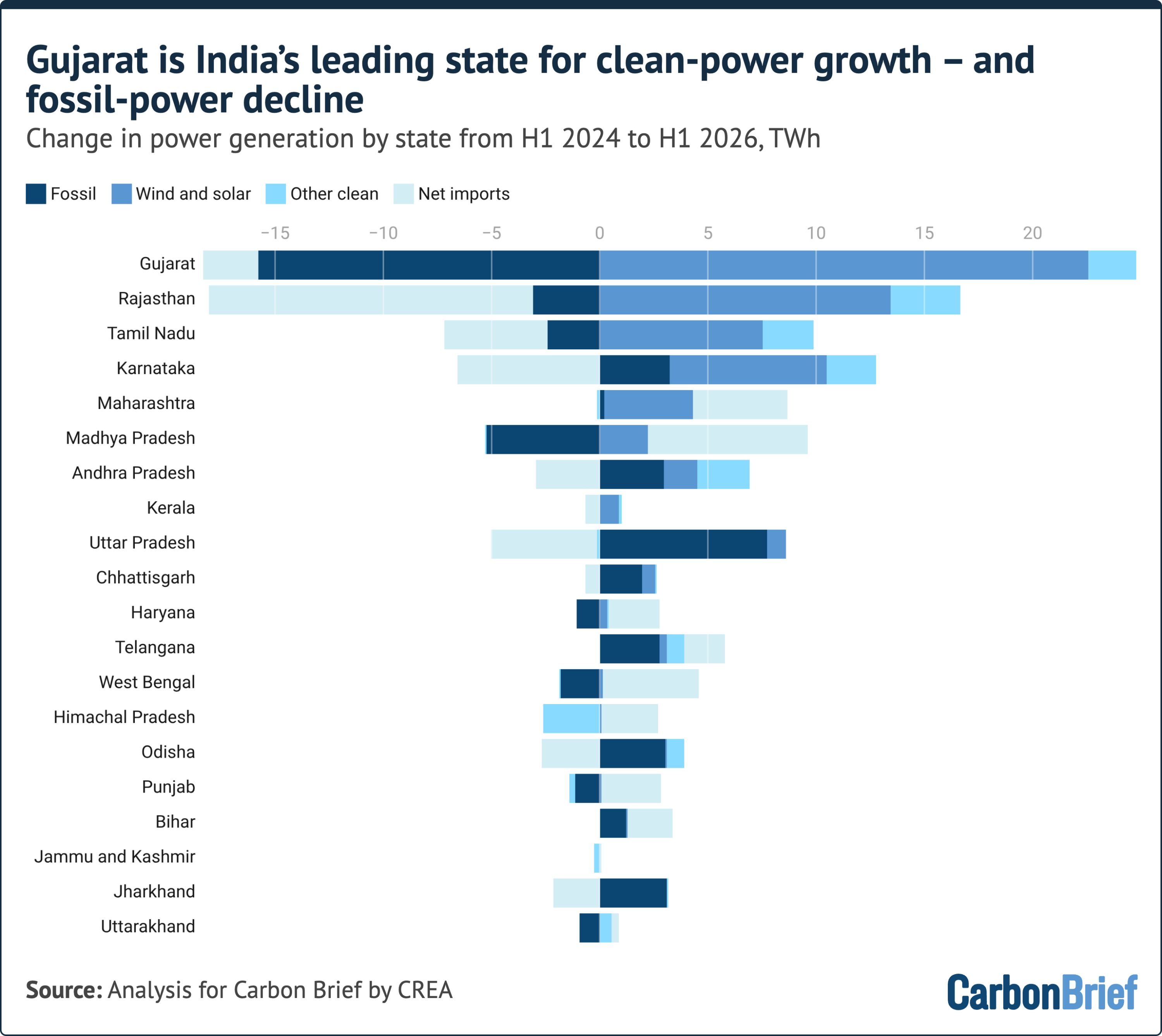
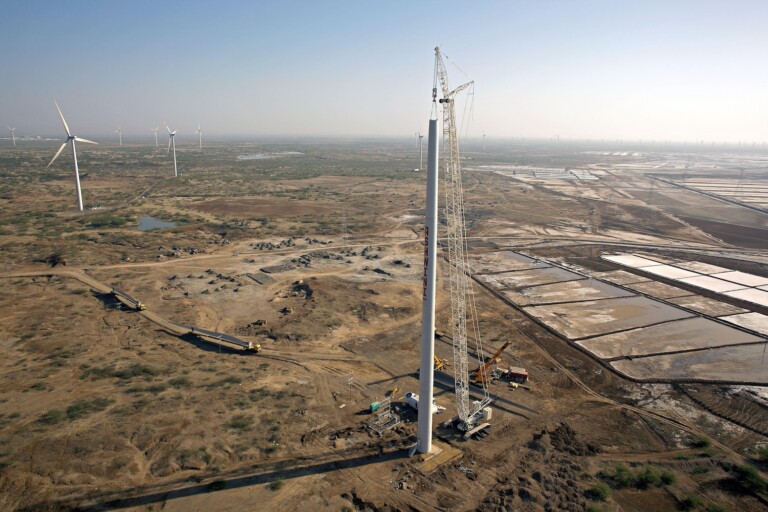
The transition is not occurring uniformly across the country. States like Gujarat have emerged as national leaders, recording the largest reduction in fossil fuel generation alongside the most aggressive expansion of clean energy capacity. Rajasthan and Tamil Nadu have followed similar trajectories, successfully integrating renewables into their regional grids.
Conversely, states like Karnataka and Andhra Pradesh have managed to increase their renewable output significantly, but have exported much of this power to other regions, resulting in stable or even rising local fossil fuel consumption. Meanwhile, industrial hubs like Maharashtra and Telangana have seen demand grow at such a rapid pace that even their significant investments in clean energy have only just kept up with the increase, preventing a reduction in their coal-fired footprint.
Conclusion: A Pivotal Moment
The data from the first half of 2026 presents a dual narrative for India. The power sector has demonstrated that it is possible to meet robust demand growth without increasing carbon emissions, proving that the nation’s renewable energy strategy is yielding tangible results. However, the surge in industrial emissions serves as a stark reminder that the transition is incomplete.
Without a concerted, national effort to electrify the industrial sector—moving beyond the current reliance on direct fossil fuel combustion—the gains made in the power sector risk being canceled out by the growing requirements of heavy industry. The coming years will be decisive; the government’s ability to balance its dual goals of rapid infrastructure development and long-term decarbonization will determine whether India can maintain its current emissions plateau or whether it will once again see its carbon output climb as it continues its push toward becoming a global manufacturing powerhouse.