
Oscars James Bond Lisa Raye Doja Cat
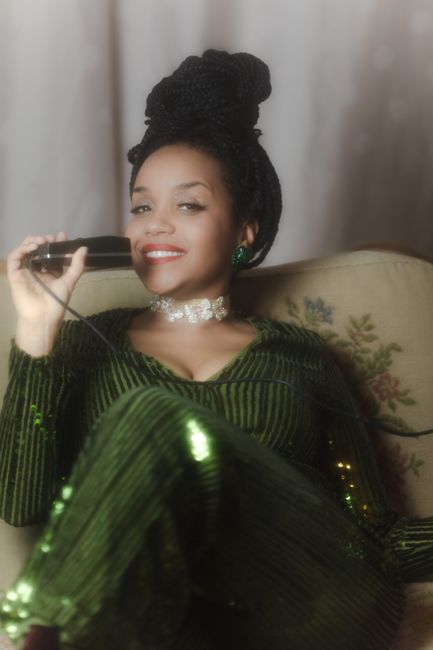
Oscars, James Bond, LisaRaye McCoy, Doja Cat: A Cultural Convergence
The Oscars, Hollywood’s most prestigious film awards ceremony, has a long and storied history, intrinsically linked to the cultural zeitgeist. While traditionally a platform for celebrating cinematic achievements, its reach extends far beyond the silver screen, influencing fashion, music, and pop culture at large. This influence is vividly illustrated by the intertwined threads connecting the Academy Awards, the enduring legacy of James Bond, the impactful presence of actress LisaRaye McCoy, and the genre-bending artistry of Doja Cat. Each of these entities, in their distinct ways, has contributed to or been touched by the cultural gravity of the Oscars, creating a fascinating tapestry of interconnected influence and recognition.
The James Bond franchise, a cornerstone of global cinema for over six decades, has a unique relationship with the Oscars. While the films themselves have garnered numerous technical nominations and wins – for cinematography, visual effects, editing, and sound – the iconic theme songs and musical scores have consistently been a significant force at the Academy Awards. From Shirley Bassey’s powerful rendition of "Goldfinger" to Adele’s haunting "Skyfall," Bond songs have frequently landed Oscar nominations for Best Original Song, with "Skyfall" ultimately clinching the award in 2013, marking a triumphant moment for the franchise’s musical legacy. This recurring presence in the music categories underscores how the cultural impact of James Bond transcends mere on-screen action, permeating the auditory landscape and earning critical acclaim from the very institution that celebrates filmmaking. The Oscars, in turn, provide a powerful validation for the artistic contributions to the Bond universe, further cementing its status as a cultural phenomenon. The narrative power of Bond, often exploring themes of espionage, heroism, and international intrigue, resonates with the dramatic storytelling favored by Oscar voters, even if the franchise’s blockbuster nature sometimes places it at odds with more arthouse fare. However, the consistent quality of its filmmaking and the universal appeal of its central character have ensured its enduring relevance and its occasional, yet significant, presence on Oscar night. The anticipation surrounding each new Bond film often includes speculation about its Oscar potential, particularly concerning its theme song, turning the awards into an additional layer of engagement for fans.
LisaRaye McCoy, a prominent actress and television personality, embodies a different facet of the Oscars’ cultural reach. While her filmography might not boast the same number of Oscar-winning projects as some of her peers, her impact on the industry, particularly within the Black community, is undeniable. McCoy has been a vocal advocate for diversity and representation in Hollywood, and her presence, whether attending the Oscars, being discussed in relation to industry trends, or influencing fashion choices on the red carpet, contributes to the broader conversation about who gets celebrated and who is seen. Her career, marked by memorable roles in films like The Players Club and television shows such as Single Ladies, has solidified her as a significant figure. The Oscars, as the pinnacle of Hollywood recognition, inevitably become a reference point for evaluating careers and industry progress. When discussions about Black excellence in film arise, or when discussions about red carpet fashion and its cultural impact occur, LisaRaye McCoy’s name often surfaces, linking her to the aspirational and observational aspects of the Oscars. Her influence can be seen in the way she has navigated her career, often embracing and celebrating her identity, which in turn inspires aspiring actors and artists. The Oscars, by their very nature, amplify these conversations, making them a platform, even if indirectly, for acknowledging the contributions of individuals like McCoy to the evolving landscape of cinema. Her participation in and commentary surrounding such events contribute to the discourse on representation and the recognition of talent across various genres and backgrounds.
Doja Cat, a contemporary music sensation, represents the modern, multi-hyphenate artist whose influence extends across music, fashion, and digital culture, and whose trajectory often intersects with the cultural discussions surrounding the Oscars. While not primarily an actress, her music has been featured in films, and her unique artistic vision and daring fashion choices have made her a consistent presence in discussions about pop culture relevance, a conversation that invariably includes the Oscars. Her Grammy wins and nominations, and her undeniable impact on the music charts, position her as an artist whose creative output is scrutinized and celebrated by award bodies. The Oscars, as the ultimate arbiter of cinematic excellence, often find their cultural sway amplified by the involvement or discussion of artists like Doja Cat, whose global appeal and trendsetting nature capture the attention of a broader audience. Her willingness to experiment with different genres, from hip-hop and R&B to pop and even elements of dance music, mirrors the evolving nature of storytelling in film, which the Oscars aim to recognize. When discussions of popular music’s role in film arise, or when the intersection of music and visual media is examined, Doja Cat becomes a relevant reference point. Her impact on fashion, particularly her bold and often avant-garde red carpet looks, also aligns with the visual spectacle that is the Oscars, further connecting her to the event’s broader cultural significance. Her ability to generate buzz and command attention across various platforms makes her a relevant figure in any discussion about contemporary cultural impact, and the Oscars, as a global cultural touchstone, are inevitably part of that conversation.
The connection between these seemingly disparate entities – the esteemed James Bond franchise, the impactful actress LisaRaye McCoy, and the innovative musician Doja Cat – and the Oscars is rooted in their shared ability to shape and reflect cultural trends. The Oscars serve as a barometer for cinematic achievement, but also for the broader cultural landscape. The enduring appeal of James Bond, sustained by its high production values and iconic storytelling, has consistently earned it technical accolades and celebrated its musical contributions at the Academy Awards, solidifying its place in film history. LisaRaye McCoy, through her career and advocacy, embodies the ongoing struggle and progress for diverse voices and representation within Hollywood, a narrative that the Oscars, consciously or not, engage with. Doja Cat, a contemporary force in music and culture, represents the fluid boundaries of artistic expression and the power of a globalized entertainment industry, where musical artists can influence visual culture and, by extension, the very platforms that celebrate visual art like film. Her unconventional approach to artistry and her commanding presence in the public sphere make her a relevant figure in any discussion about contemporary cultural impact, a discussion that often circles back to the influence and prestige of the Oscars.
Furthermore, the economic and social impact of each of these entities, viewed through the lens of the Oscars, is significant. The success of a James Bond film at the box office and its subsequent Oscar nominations and wins can boost tourism, promote associated merchandise, and reinforce the cultural capital of the United Kingdom. LisaRaye McCoy’s career and her advocacy contribute to a more inclusive and representative Hollywood, which in turn can inspire broader societal conversations about race, identity, and opportunity, issues that the Oscars, as a global platform, can amplify. Doja Cat’s global reach and her ability to connect with a diverse fanbase through her music and online presence demonstrate the power of contemporary artists to transcend traditional media boundaries, influencing fashion, digital trends, and consumer behavior, all of which are indirectly intertwined with the cultural conversation surrounding major events like the Oscars. The Oscars, by recognizing excellence across various artistic disciplines, ultimately contribute to the economic ecosystem of the entertainment industry, supporting artists, filmmakers, and countless support staff. The discussions surrounding these individuals and franchises, whether directly tied to Oscar nominations or simply occurring within the broader cultural sphere influenced by the awards, highlight the interconnectedness of entertainment and its impact on society.
The evolution of the Oscars itself reflects these broader cultural shifts. While historically dominated by a more traditional cinematic output, the Academy has made efforts to diversify its voting membership and recognize a wider range of genres and artistic approaches. This evolution allows for the potential recognition of artists and projects that resonate with contemporary audiences, such as those championed by Doja Cat, or for a more nuanced appreciation of the cultural impact of franchises like James Bond. The ongoing discourse about representation, exemplified by individuals like LisaRaye McCoy, continues to shape the Academy’s understanding of what constitutes cinematic excellence and who deserves to be celebrated. Therefore, the convergence of James Bond, LisaRaye McCoy, and Doja Cat, in relation to the Oscars, is not merely a collection of names but a demonstration of how different facets of popular culture, from established franchises to emerging artists and influential personalities, all interact with and are influenced by the enduring prestige and cultural power of the Academy Awards. This complex interplay underscores the Oscars’ role as more than just an awards ceremony; it is a nexus of cultural dialogue, influence, and artistic recognition that continues to evolve with the times. The anticipation of each Oscars ceremony is fueled not only by the films in contention but also by the broader cultural narratives and the individuals who shape them, making figures like James Bond, LisaRaye McCoy, and Doja Cat, in their own unique ways, integral to this ongoing conversation.
