The Ultimate Guide to the Best Electric Bikes of 2026: Hand-Tested Models Across Every Budget

Following thousands of miles of comprehensive, hands-on evaluations spanning hundreds of electric bicycle models, industry testing benchmarks have evolved significantly to meet shifting consumer demands and technological advancements. As the personal electric vehicle market matures, manufacturers are increasingly pressed to deliver higher performance, superior safety certifications, and advanced components—such as torque sensors, integrated automatic gearboxes, and hydraulic braking systems—at increasingly accessible price points.

Navigating the contemporary e-bike landscape requires an understanding of how pricing tiers correlate with specific use cases, ranging from ultra-portable folding commuters to heavy-duty cargo haulers and premium German mid-drive touring machines. Current market analyses indicate that late-year promotional cycles offer some of the most competitive pricing structures seen across the industry, making it an optimal period for prospective buyers to evaluate models categorized by strict budgetary thresholds.

Sub-$1,000 Category: Maximizing Value in Entry-Level Commuters
The sub-$1,000 electric bicycle segment remains a critical entry point for consumers hesitant to invest heavily in a nascent form of personal transportation. Historically, manufacturing a reliable, long-lasting e-bike under this price ceiling forced brands to make severe compromises in battery chemistry, structural integrity, and motor longevity. However, recent engineering efficiencies have introduced robust options that maintain structural safety and functional reliability.

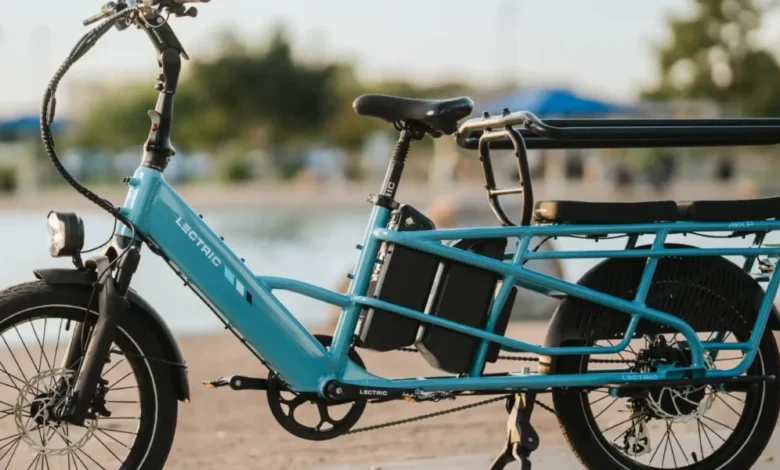
The Lectric XP LITE 3.0 has emerged as a prominent benchmark in the ultra-budget class, retailing at approximately $799. Unlike many competing models in this bracket that rely on standard 36-volt electrical systems, the XP LITE 3.0 utilizes a 48-volt architecture, yielding improved hill-climbing torque and acceleration. Weighing significantly less than full-sized alternatives, it offers a Class 2 folding design with a top speed of 20 mph (32 km/h). Key safety and convenience integrations include hydraulic disc brakes, integrated lighting, and a color LCD interface, with modular upgrades available for consumers seeking a Gates carbon belt drive or extended-range battery capacity.
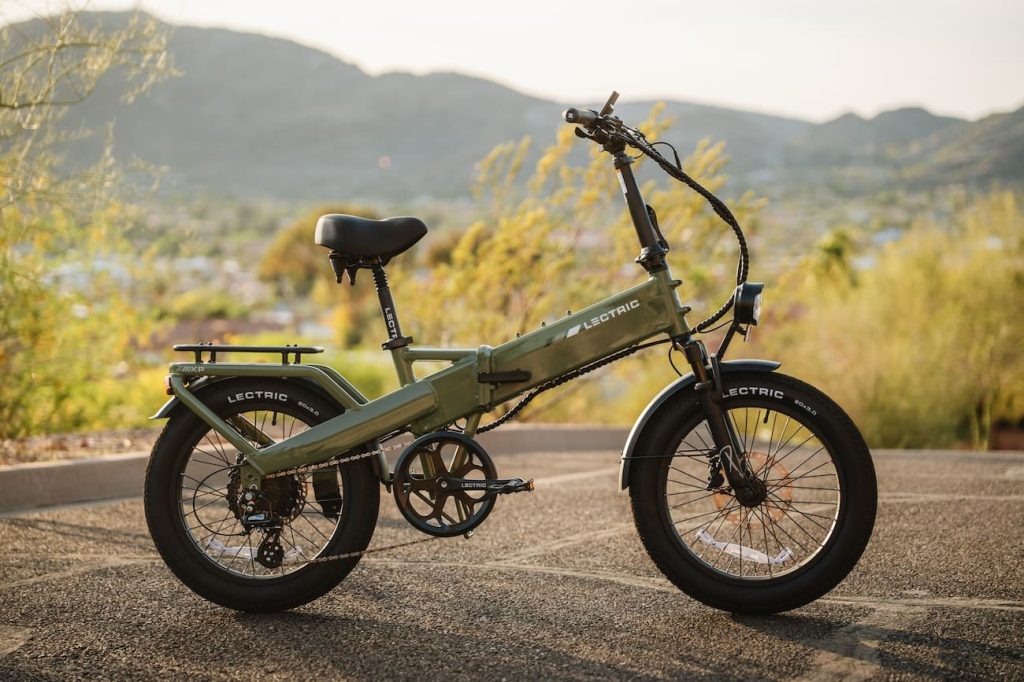
For buyers seeking maximum utility without exceeding a modest budget, the Lectric XP4 stands as one of the best-selling electric bikes in the United States. Priced at $999 for the standard range and $1,299 for the larger battery variant, the XP4 delivers Class 3 speeds up to 28 mph (45 km/h). Recent iterations introduce a responsive torque sensor for natural pedal-assist engagement, an 8-speed mechanical transmission, robust hydraulic disc brakes, and a high-resolution TFT color display.

Competitors such as the Ride1Up Portola 02 series further diversify the sub-$1,000 market. Ranging from $895 for the Lite iteration to $995 for the fully outfitted model, these folding platforms challenge industry norms by incorporating 750W motors, optional 48V battery expansions, and frame-integrated rear racks capable of handling routine urban transit requirements.

Mid-Tier Budget Range: $1,000 to $2,000
Surpassing the $1,000 threshold opens the market to specialized engineering, including micro-mobility platforms, dedicated cargo frameworks, and advanced torque-sensing commuter configurations.

In the micro-mobility niche, the JackRabbit OG2 bridges the conceptual gap between an electric scooter and a compact folding bicycle. Priced at $1,249 and weighing a mere 25 pounds (11.3 kg), it eschews traditional pedals in favor of foot pegs, utilizing a 300W motor to achieve a 20 mph top speed. Its minimalist design prioritizes extreme portability for urban multi-modal commuters.
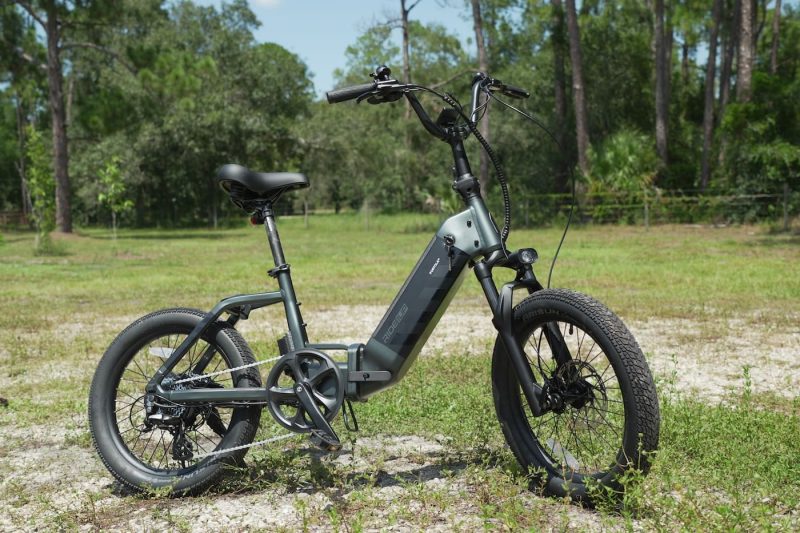
For cargo and utility applications, the Lectric XPedition 2.0 ($1,399) dominates the heavy-hauling segment by offering high payload capacities and dual-battery configurations without commanding the premium prices traditionally associated with utility transport. Similarly, the Ride1Up Vorsa ($1,495) functions as an SUV-style multi-purpose e-bike, combining a 750W rear-hub motor producing 95 Nm of torque with a 440-pound total payload capacity, Apple FindMy integration, and robust hydraulic stopping power.

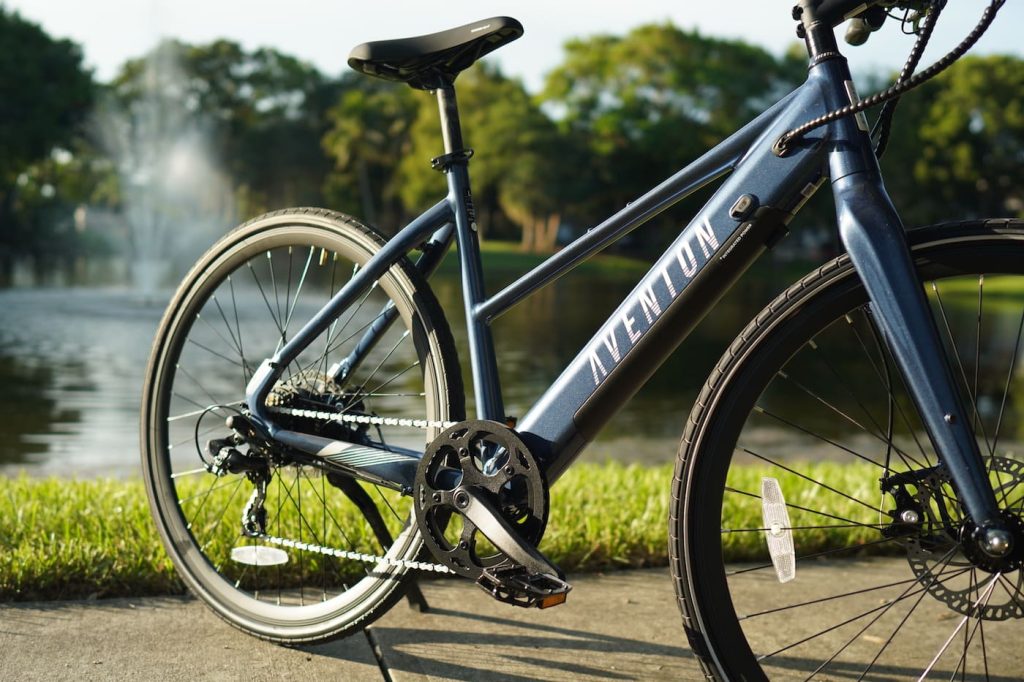
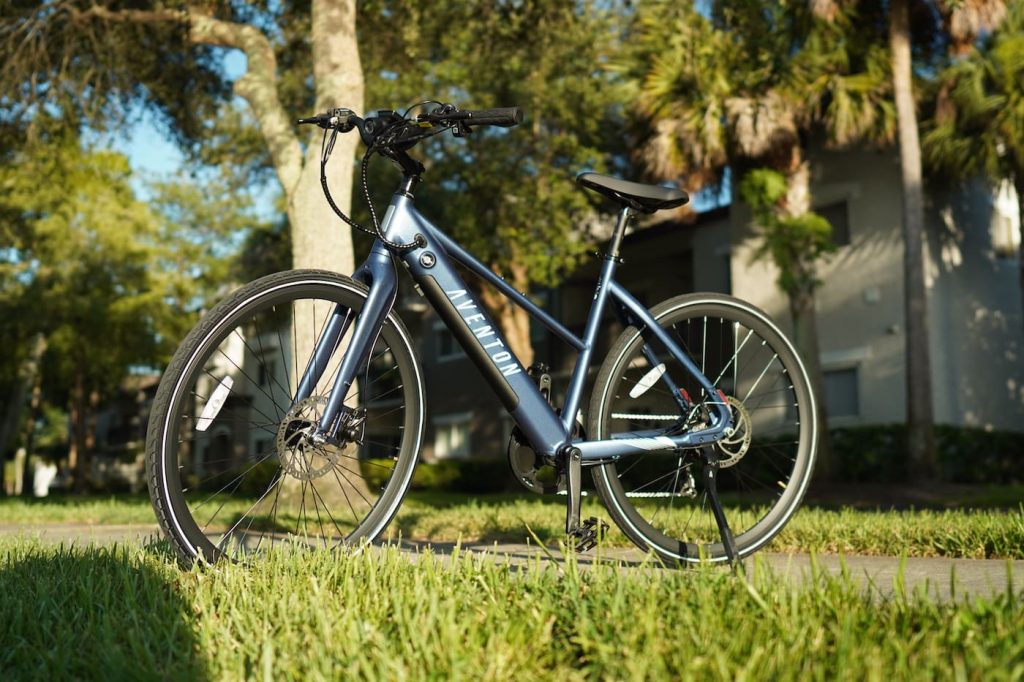
Alternative choices in this tier cater to specific riding disciplines. The Aventon Soltera.2 ($1,399) provides an efficient, lightweight urban commuter aesthetic with integrated frame lighting and torque-responsive assistance, while the Ride1Up Roadster V3 ($1,295) targets fitness-oriented riders with a sub-40-pound frame, belt-drive options, and Class 3 speed capabilities. Adventure enthusiasts frequently turn to the Lectric XPeak2 for rugged fat-tire trail navigation, or the newly introduced Monarc Marker, a brand established through industry manufacturing partnerships that offers a 5-year warranty, dual batteries, and four-piston hydraulic brakes at a $1,999 price point.

Performance and Mid-Drive Integration: $2,000 to $3,500
Entering the $2,000 to $3,500 bracket introduces sophisticated propulsion systems, prominently featuring European mid-drive motors from manufacturers like Brose, alongside advanced mountain biking hardware and high-capacity electrical architectures.

The Ride1Up Prodigy V2 Eco ($2,295) redefines price-to-performance expectations by integrating a German-engineered Brose mid-drive motor—delivering 90 Nm of torque—into an affordable commuter package. This layout provides the natural, cadence-balanced power delivery typically reserved for specialty bicycle shop brands costing significantly more. For off-road enthusiasts, the Ride1Up TrailRush ($2,095) delivers a legitimate electric mountain bike experience equipped with a RockShox Judy Silver TK Air Fork, Maxxis Minion tires, and Tektro Orion quad-piston hydraulic brakes.
Urban commuting in this category is heavily anchored by models like the Priority Current Plus ($3,299). Utilizing a high-torque mid-drive motor capable of producing up to 140 Nm of torque, it pairs an internally geared rear hub with a Gates carbon belt drive and a newly integrated throttle option. For riders requiring automated shifting convenience, newer platforms like the Priority Skyline incorporate advanced automatic gearboxes that adjust resistance dynamically without manual intervention.
Utility and cargo standards also elevate in this tier. The Tern Quick Haul ($2,999) offers a compact, Bosch-powered cargo framework designed for daily family transport and errand execution, engineered to withstand rigorous, car-replacement duty cycles.

Elite Tier Offerings: $3,500 and Above
At the apex of the commercial e-bike market, pricing structures exceeding $3,500—and extending past $7,000—reflect aerospace-grade materials, automotive engineering principles, and bespoke component integration.

The GoCycle G4i+ ($6,999), engineered by a former McLaren automotive designer, represents the pinnacle of folding e-bike design. It features a carbon fiber frame, single-sided wheel mountings, an enclosed drivetrain, and a lightweight, highly compact folding mechanism tailored for executive transit.

In the heavy-utility sector, the Tern GSD series serves as a definitive automotive alternative. Outfitted with dual battery systems, automatic locking mechanisms, robust hydraulic disc brakes, and massive cargo-carrying capacities, these bicycles are routinely utilized by households to completely eliminate the need for a secondary motor vehicle.

Market implications suggest that while premium e-bikes carry substantial upfront costs, their displacement of municipal fuel consumption, parking expenditures, and vehicle maintenance costs continues to drive long-term value for dedicated urban commuters and families alike. Prospective buyers are encouraged to evaluate local infrastructure, weight constraints, and specific mechanical maintenance requirements before committing to a final purchase within these tiered categories.