Audi Revives Iconic Nameplate with New A2 e-tron Electric Crossover Ahead of Autumn Reveal

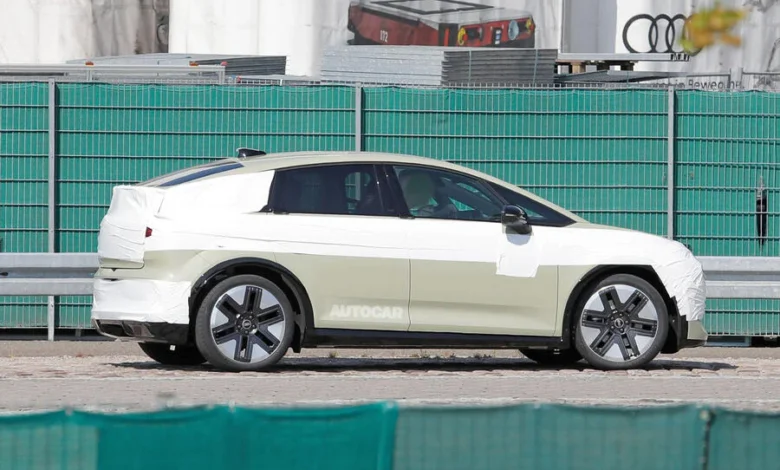
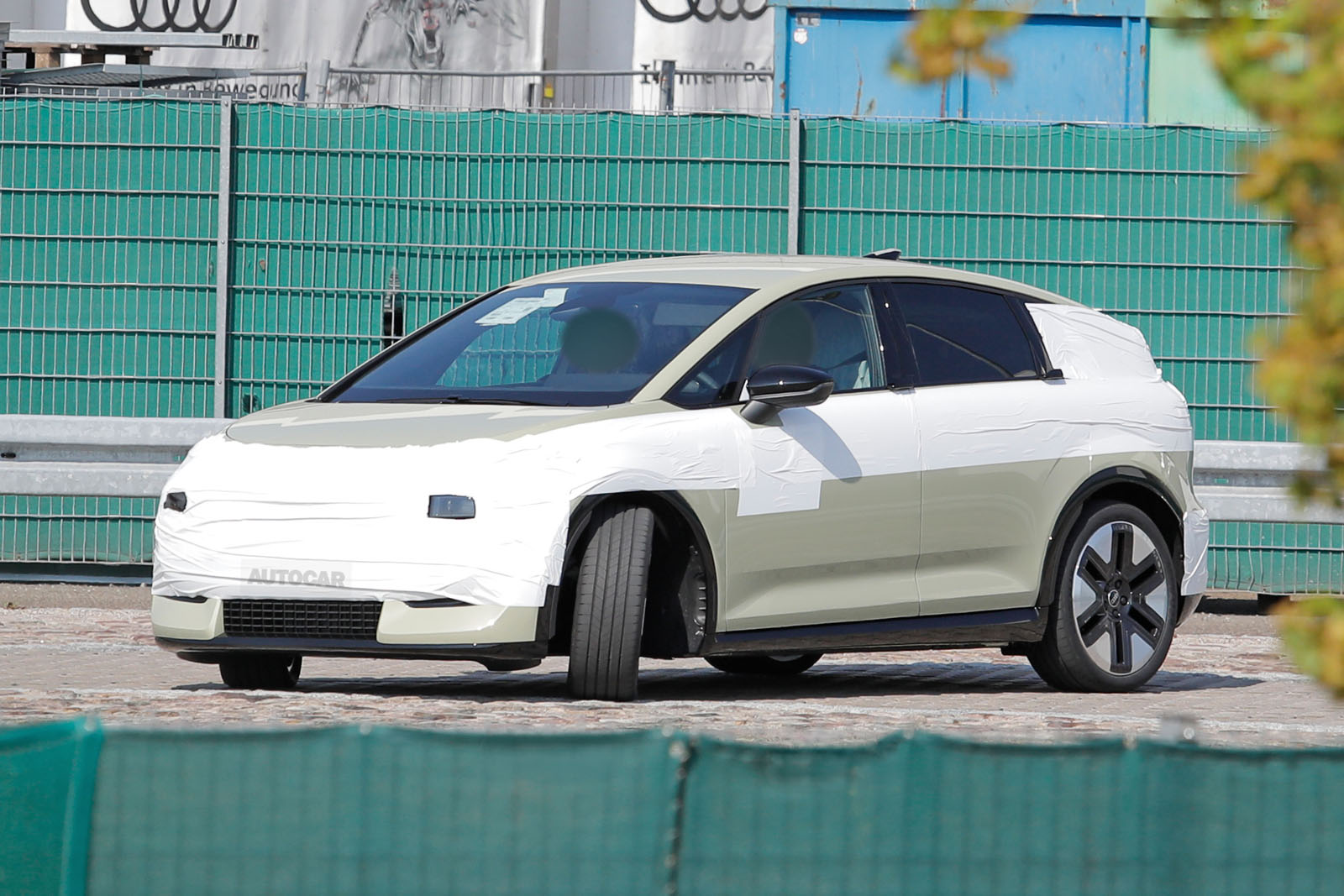
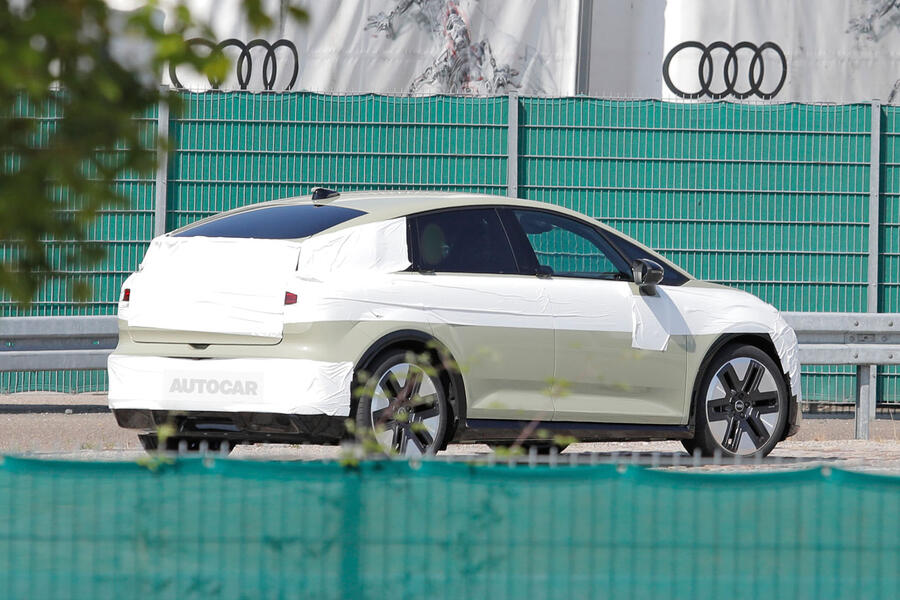
Audi is moving closer to the official unveiling of the highly anticipated A2 e-tron, a vehicle that signals a strategic pivot for the Ingolstadt-based automaker as it seeks to democratize its electric vehicle lineup. Recent sightings of a near-production prototype have provided the clearest look yet at the vehicle’s design, confirming that Audi’s design team has opted for a "retro-futuristic" approach that pays direct homage to the original A2 supermini of the late 1990s. The prototype, which has shed significant amounts of its protective camouflage, reveals a distinctive lozenge-shaped silhouette and a steeply raked rear end, elements that once made the original A2 a marvel of aerodynamic efficiency and packaging. This revival comes after a twenty-year hiatus for the A2 nameplate, repositioning it not as a quirky aluminum experiment, but as a high-volume electric crossover intended to serve as the gateway into the Audi brand.
The official confirmation of the A2’s return came during Audi’s annual media conference in March, where executives outlined a roadmap for a more accessible "entry-level" electric segment. As the automotive industry shifts away from internal combustion engines, Audi is phasing out its smallest traditional models, the A1 hatchback and the Q2 compact crossover. The A2 e-tron is slated to fill the void left by these departures, providing a premium electric alternative for urban commuters and small families. Industry analysts suggest that by consolidating its entry-level offerings into a single, highly efficient electric platform, Audi can achieve better economies of scale while meeting increasingly stringent fleet emission targets in the European Union and other global markets.
Design Philosophy: Reimagining the Monovolume for the EV Era
The visual identity of the new A2 e-tron is a calculated nod to the 1999 original, a car that was arguably ahead of its time. The new images highlight a "one-box" or monovolume design, characterized by a continuous curve running from the front bumper, over the roofline, and down to the rear hatch. This "lozenge" shape is not merely an aesthetic choice; it is a functional requirement for maximizing aerodynamic efficiency, a critical factor in extending the range of electric vehicles. The tapered rear flanks and a high-set tailgate are designed to minimize air turbulence at the back of the car, echoing the 0.28 drag coefficient (Cd) that made the original A2 a leader in its class.
However, modern touches distinguish the e-tron version from its predecessor. The front fascia features a closed-off "Singleframe" grille, a hallmark of the Audi e-tron family, flanked by slim, high-tech LED matrix headlights. The prototype also shows flush-fitting door handles and aerodynamically optimized alloy wheels, further emphasizing the focus on efficiency. Despite its compact footprint, the A2 e-tron utilizes the advantages of electric vehicle packaging—specifically the absence of a transmission tunnel and a bulky engine—to provide an interior space that Audi claims will rival vehicles from the segment above, such as the Audi A3.
Technical Foundations: The MEB Platform Integration
Underpinning the new A2 e-tron is the Volkswagen Group’s MEB (Modularer E-Antriebs-Baukasten) platform. This dedicated electric architecture is already used across a wide range of vehicles, including the Volkswagen ID.3, the Cupra Born, and Audi’s own Q4 e-tron. By utilizing the MEB platform, Audi can significantly reduce development costs and offer the A2 at a more competitive price point than if it had developed a bespoke chassis.
In terms of dimensions, the A2 e-tron is expected to be closely aligned with the Volkswagen ID.3, measuring approximately 4.3 meters in length. However, Audi engineers have reportedly tuned the suspension and steering to provide a more "premium" and "connected" driving experience, consistent with the brand’s "Vorsprung durch Technik" (Progress through Technology) ethos.
While official technical specifications remain under wraps until the autumn reveal, the use of the MEB platform allows for several battery and motor configurations. Entry-level versions are likely to feature a 52kWh (net) battery pack providing a range of approximately 220 miles (350 km) on the WLTP cycle. Higher-tier variants could utilize the 77kWh battery seen in the ID.3 Pro S, pushing the range beyond 330 miles (530 km). Charging speeds are expected to peak at 120kW to 170kW depending on the battery size, allowing for a 10% to 80% charge in under 30 minutes at a compatible DC fast-charging station.
A Strategic Shift: Replacing the A1 and Q2
The decision to revive the A2 nameplate is part of a broader restructuring of the Audi product portfolio. CEO Gernot Döllner has been vocal about the need for Audi to simplify its lineup and focus on "core" segments. The discontinuation of the A1 and Q2 marks the end of Audi’s experimentation with small, internal combustion engine cars that shared platforms with more mainstream Volkswagen models like the Polo and T-Roc.
The A2 e-tron is positioned as an "indirect successor" to these models, but with a significantly different value proposition. Whereas the A1 was a traditional subcompact, the A2 e-tron is a crossover-hatchback hybrid that appeals to the growing market preference for higher seating positions and versatile cargo spaces. By pricing the vehicle at a targeted starting point of under £30,000 (roughly €35,000), Audi aims to capture buyers who might otherwise look toward the Volvo EX30, the Mini Aceman, or upcoming Chinese entrants like the MG4 EV.
"We’ve listened to our customers," Döllner stated during the media conference. "They want electric mobility that impresses in everyday life. The A2 e-tron is our promise to deliver exactly that: efficient, compact, and confident. We’re making entry into the electric Audi world easier and more relevant than ever."
Historical Context: The Legacy of the 1999 Audi A2
To understand the significance of the new model, one must look back at the original Audi A2, produced between 1999 and 2005. Designed by Luc Donckerwolke, the original A2 was a technological tour de force. It featured the Audi Space Frame (ASF), a lightweight all-aluminum chassis that made the car incredibly light—some versions weighed less than 900kg.
The A2 was the first five-door car on sale in Europe with a fuel consumption of less than 3 liters per 100 km (the "3L" TDI version). However, its high production costs, stemming from the expensive aluminum construction, led to a high retail price that deterred many buyers. Audi sold roughly 176,000 units over its six-year run, a modest figure compared to the rival Mercedes-Benz A-Class. Despite its commercial struggles, the A2 gained a cult following for its engineering purity and visionary design. The new A2 e-tron seeks to capture that same spirit of innovation but through the lens of electrification and software-defined mobility, while avoiding the pricing pitfalls of the past by using shared steel-intensive platforms.
Production and Economic Impact
The A2 e-tron will be manufactured at Audi’s headquarters in Ingolstadt, Germany. This is a significant move, as it brings high-volume EV production to the brand’s home plant, which has been undergoing a massive transformation to transition from ICE to EV manufacturing. The Ingolstadt facility also houses a new battery assembly plant, which will supply the modules for the A2, further localizing the supply chain and reducing logistics costs.
The target price of under £30,000 is aggressive for a premium German brand. To achieve this, Audi is expected to implement a "digital-first" interior, potentially utilizing more sustainable, recycled materials instead of traditional leather and wood, which aligns with the car’s eco-conscious positioning. This pricing strategy is crucial for Audi to maintain its market share in Europe, where affordable EVs from competitors are beginning to saturate the market.
Chronology of the A2 Revival
The journey toward the new A2 has been a long one, marked by several "false starts" and concept studies:
- 1999: Launch of the original Audi A2 (Typ 8Z).
- 2005: Production ends due to high costs and shifting market priorities.
- 2011: Audi reveals the "A2 Concept" at the Frankfurt Motor Show, an electric hatchback that never reached production.
- 2019: The AI:ME concept debuts, hinting at a future compact electric city car.
- March 2024: CEO Gernot Döllner officially confirms a new entry-level EV is in development.
- Summer 2024: Near-production prototypes spotted testing in Europe with minimal camouflage.
- Autumn 2024: Scheduled world premiere.
- 2025: Expected market launch and start of deliveries.
Broader Implications for the Audi Brand
The launch of the A2 e-tron is a litmus test for Audi’s ability to compete in the high-volume electric market. Historically, Audi has excelled in the premium and luxury segments (A6, A8, Q7, Q8), where margins are high. However, as the automotive world moves toward a future defined by software and sustainability, the "entry-level" segment becomes a vital battlefield for brand loyalty.
By offering a vehicle that is "compact on the outside yet very spacious on the inside," Audi is targeting a demographic that values efficiency and urban maneuverability without wanting to sacrifice the prestige associated with the four rings. If successful, the A2 e-tron could become a cornerstone of Audi’s sales volume, helping the company transition toward its goal of becoming a fully electric brand by 2033.
The reveal this autumn will not just be about a new car; it will be about Audi’s vision for the next decade of mobility. As the prototype sheds its final layers of camouflage, it is clear that Audi is betting on a mix of nostalgia and cutting-edge technology to redefine what a premium entry-level car should be in the 21st century.