Saudi Arabia Balances Centuries-Old Falconry Heritage with Modern Conservation and Record-Breaking Auctions

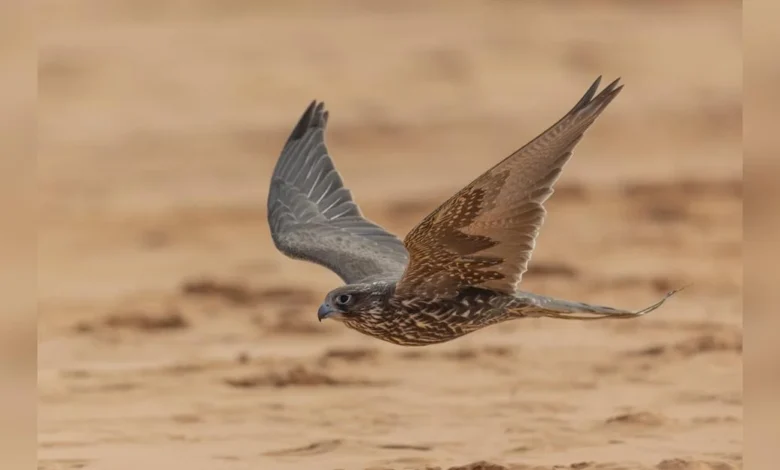
The ancient art of falconry, deeply embedded in the cultural fabric of the Arabian Peninsula, is undergoing a profound transformation in Saudi Arabia. As the Kingdom steps up its position as a global hub for the sport, it is simultaneously pioneering ambitious wildlife conservation programs, tightening regulatory frameworks, and scaling up economic enterprises centered around these majestic birds of prey. This delicate equilibrium between heritage preservation and ecological responsibility was on full display throughout the late summer and autumn of 2026, highlighted by soaring auction volumes, international conservation milestones, and massive cultural festivals that continue to redefine the modern landscape of falconry.
Main Facts and Economic Scale
At the heart of Saudi Arabia’s thriving falcon industry is the International Falcon Breeders Auction, held annually in Malham, north of Riyadh. During its August 2026 run, the 21-day event shattered previous economic and volumetric records. More than 2,200 captive-bred falcons were sold, marking a staggering leap from the 1,103 birds transacted during the previous year.
Total sales at the August auction reached approximately $8.8 million, more than doubling the $3.4 million generated in 2025. The event drew participation from over 90 specialized breeding farms hailing from 24 distinct countries, cementing Malham’s status as the premier global marketplace for captive-bred raptors. Crucially, the entire inventory of the International Falcon Breeders Auction consisted exclusively of farm-bred birds, reflecting a strategic pivot to alleviate hunting pressure on wild populations.
This commercial powerhouse operates under the direct supervision of the National Center for Falcons, the premier government body tasked with regulating and promoting the sport within the Kingdom. A vital regulatory milestone occurred on May 5, 2026, when the Saudi Cabinet approved a royal decree granting the center formal public legal personality alongside complete financial and administrative independence. This legislative update officially integrated international and domestic falcon-release programs directly into the center’s core operational mandate.
Chronology of the Falconry Season
The Saudi falconry calendar is a meticulously structured sequence of events spanning the autumn and winter months, aligning with both the migratory patterns of wild raptors and the cultural traditions of the region.
The season kicks off in late summer with the international breeders’ auction in August, setting the economic tone for the months ahead. This is followed immediately by the Saudi International Falcons and Hunting Exhibition, which ran from October 1 to October 10, 2026, at the Riyadh Exhibition and Convention Center in Malham. Over the course of ten days, the sprawling exhibition attracted 765,000 visitors and featured approximately 1,450 exhibitors and brands from 47 countries. The event served as a comprehensive marketplace where traditional falconry equipment stood alongside advanced GPS tracking systems, specialized veterinary medicine, and modern outdoor pursuit gear.
Concurrently, the National Center for Falcons operates its specialized National Center for Falcons Auction, running annually from October 1 through November 30 to coincide with the peak autumn migration season. Unlike the large-scale breeders’ auction, this smaller, highly regulated sale focuses exclusively on wild-caught juvenile migratory peregrine falcons trapped within Saudi Arabia. To safeguard vulnerable populations, adult peregrines are strictly excluded, and endangered species, such as the saker falcon, are entirely barred from the event.
The crescendo of the calendar year is the King Abdulaziz Falconry Festival. The 2025 iteration drew a phenomenal 3,536 competing falcons and doled out approximately $10.06 million in prize money, earning multiple recognitions from Guinness World Records for participation scale. The festival features two primary competitive domains: the Melwah race, which times a falcon’s speed over a grueling 400-meter straightaway, and the Mazayen beauty competition, which judges birds against rigorous aesthetic standards. The 2026 festival, currently underway, features international falconers competing across 141 heats for purses exceeding $10.1 million, alongside prestigious accolades including the King Abdulaziz Cups, the King’s Sword, and the King’s Shalfa titles.
Supporting Data and Regulatory Framework
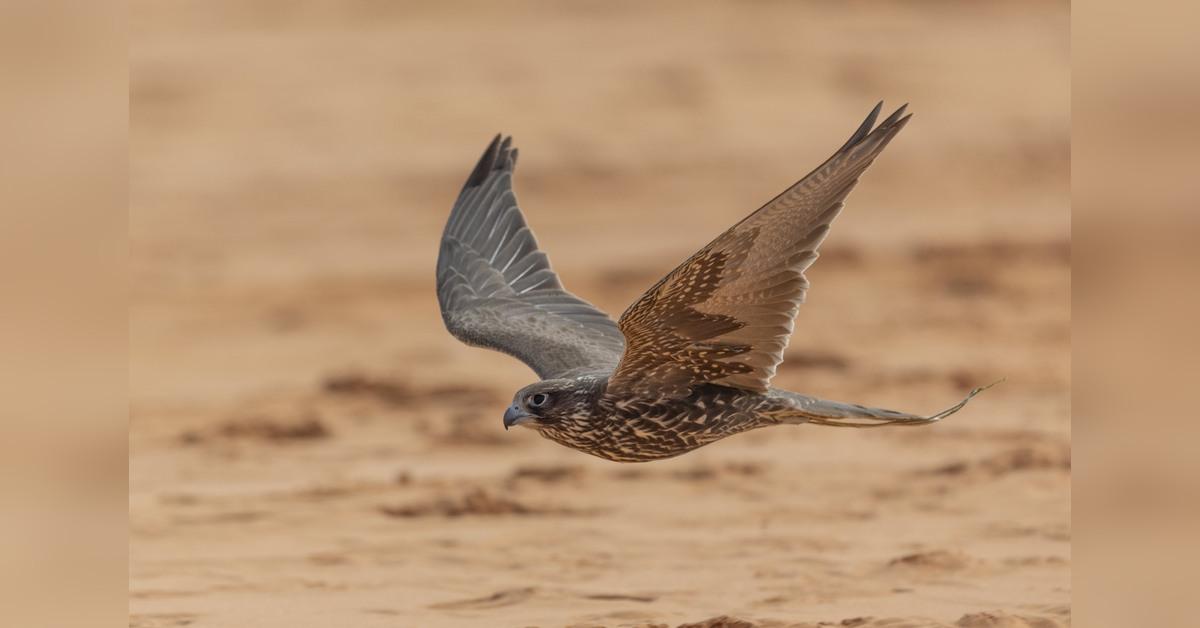
The governance of falconry in Saudi Arabia is characterized by rigorous oversight, blending traditional wisdom with contemporary environmental science. Every wild-caught falcon processed through the national auction must be accompanied by a legal permit issued in close coordination with the National Center for Wildlife, the agency responsible for protecting the Kingdom’s native flora and fauna.
Upon sale, each bird is fitted with a secure electronic tracking ring and entered into a comprehensive national registry to ensure traceability and prevent illegal poaching. The volume of wild-caught birds permitted into the domestic market remains intentionally conservative. For instance, in 2025, only 40 wild-caught falcons were transacted over 26 nights of auctioning under the previous management of the Saudi Falcons Club, before administrative duties transitioned to the National Center for Falcons in 2026.
This data-driven approach extends to conservation quotas and species categorization. While the peregrine falcon is classified by the IUCN Red List as a species of Least Concern globally, its local management is tightly controlled. Conversely, the saker falcon—a raptor deeply revered in Arabian history—is classified as Endangered by the IUCN. Recognizing the fragility of the wild saker population, Saudi authorities have established strict protective boundaries, prohibiting their commercial capture in local auctions while prioritizing their captive breeding and reintroduction.
Official Responses and Conservation Commitments
Beyond commerce and competition, Saudi Arabia has emerged as a leader in raptor conservation through the Hadad program, an ambitious initiative managed by the National Center for Falcons. Hadad operates on a dual track, conducting domestic releases of native falcon species into protected natural habitats within the Kingdom, while executing international repopulation efforts across ancestral breeding ranges in Central Asia.
The international dimension of Hadad kicked off in November 2023 with a landmark release in Kyrgyzstan. This was followed in March 2026 by a major conservation push in Kazakhstan’s Altyn-Emel National Park, where captive-bred sakers were successfully released into protected zones equipped with continuous satellite monitoring systems. These initiatives are executed in deep scientific cooperation with the National Center for Wildlife, bridging diplomatic and ecological divides to safeguard migratory pathways.
In a further demonstration of institutional commitment, the National Center for Falcons set a strict deadline of November 18, 2026, for private owners to surrender captive sakers and peregrine falcons that are no longer utilized for breeding or competition. These surrendered birds are channeled into the Hadad program’s rehabilitation pipeline, slated for release during international repopulation campaigns planned for 2027.
Broader Impact and Implications
The convergence of high-value commerce, cultural heritage, and cutting-edge conservation carries profound implications for the future of environmental stewardship in the Middle East. For generations, falconry was viewed purely through the lens of desert survival and aristocratic sport, passed down through oral traditions within families across the Arabian Peninsula. In 2010, this cultural significance was formally recognized when UNESCO inscribed falconry on its Representative List of the Intangible Cultural Heritage of Humanity, via a multinational nomination spearheaded by Saudi Arabia and regional partners.
Today, the Kingdom is proving that traditional heritage can successfully coexist with, and actively fund, modern ecological conservation. By leveraging the immense revenues generated by events like the International Falcon Breeders Auction and the King Abdulaziz Falconry Festival, the Saudi government is able to heavily subsidize scientific research, habitat restoration, and cross-border reintroduction programs.
Furthermore, the stringent regulatory environment—exemplified by mandatory electronic ringing, strict licensing quotas for trappers, and the absolute protection of endangered species—establishes a progressive governance model for wildlife management across the region. As international partnerships deepen between Saudi institutions and Central Asian ecological reserves, the Kingdom’s holistic approach ensures that the skies of tomorrow will continue to bear witness to the flight of the falcon, securing a sustainable future for both the birds and the ancient heritage they represent.
Related posts: